
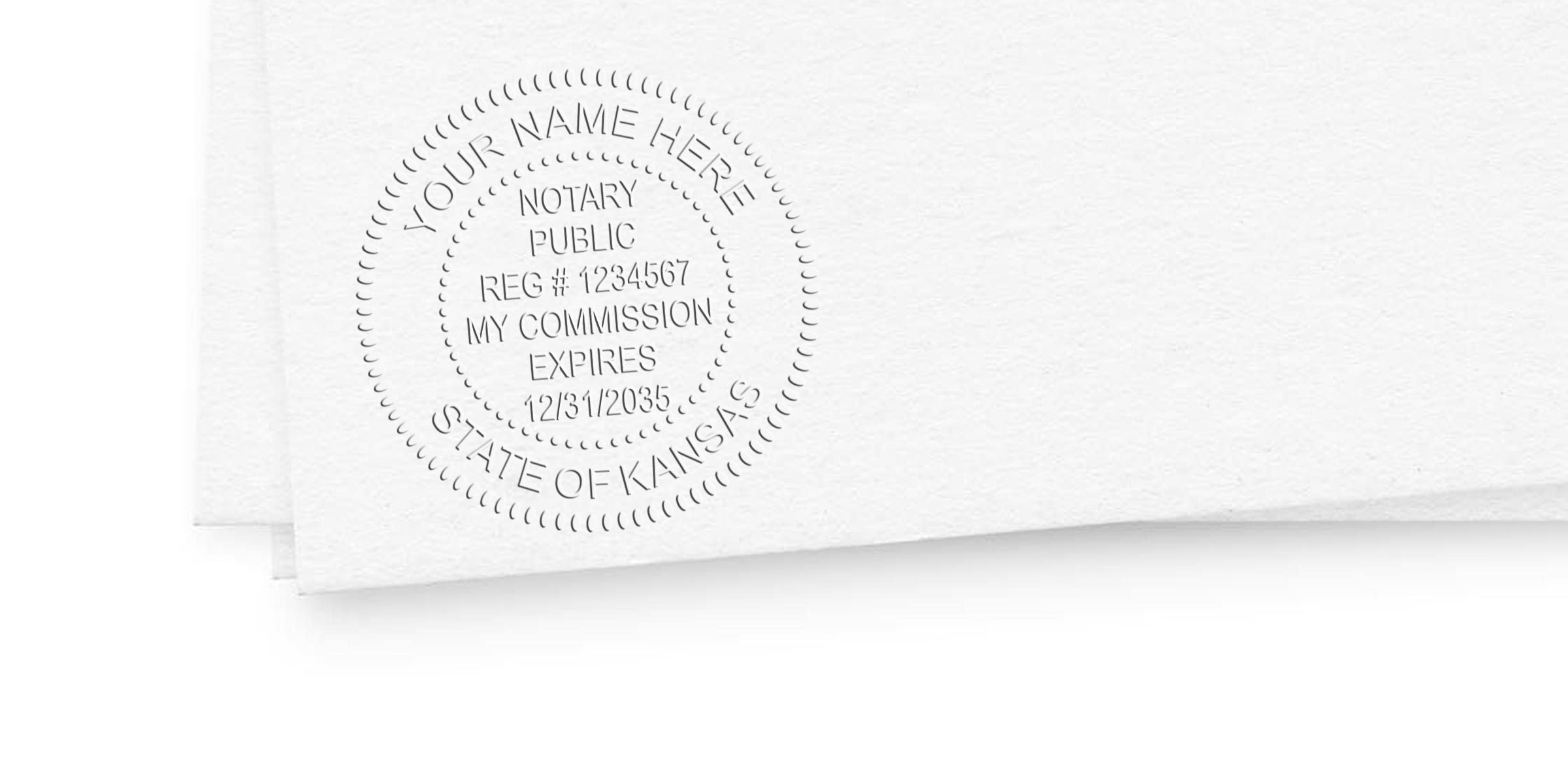
If you’re looking for a reliable Kansas notary stamp to handle all of your official documents, you’ve come to the right place. We know that finding the perfect notary stamp can be a bit confusing, especially when you need something that meets state guidelines, delivers clean imprints, and lasts a long time. That’s why we’ve put together our handpicked list of top options, complete with helpful tips and key features. As a trusted supplier of kansas notary supplies for over 60 years, we at Acorn Sales are excited to share our extensive experience in crafting top-quality notary stamps and seals with quick turnaround times. Let’s explore what you need to know and how to choose the best fit for your notarial role.
Understand the Kansas Notary Stamp
It’s easy to underestimate how vital a notary stamp is until you’re in the middle of a document signing. A Kansas notary stamp leaves more than ink on a piece of paper. It’s a mark of authenticity that shows you’re a valid and recognized notary public within the state. If your stamp isn’t up to par, you risk invalidating important papers or, worse, causing legal confusion for the people who rely on your notarial acts.
Think about it this way: each notarial act you complete should be beyond reproach. A clean, consistent stamp impression assures signers that you’ve gone through the proper channels and that their documents will stand up to scrutiny. It also saves you time and stress since you won’t have to restamp multiple times to get a clear print. Quality is key.
In Kansas, the notary seal or stamp must meet certain guidelines, such as the inclusion of your name, the words “Notary Public,” and “State of Kansas.” However, specific design rules can vary, and it’s always wise to review the latest instructions from the Kansas Secretary of State to be sure. Keeping up with these regulations ensures every stamping you do is recognized as legitimate.
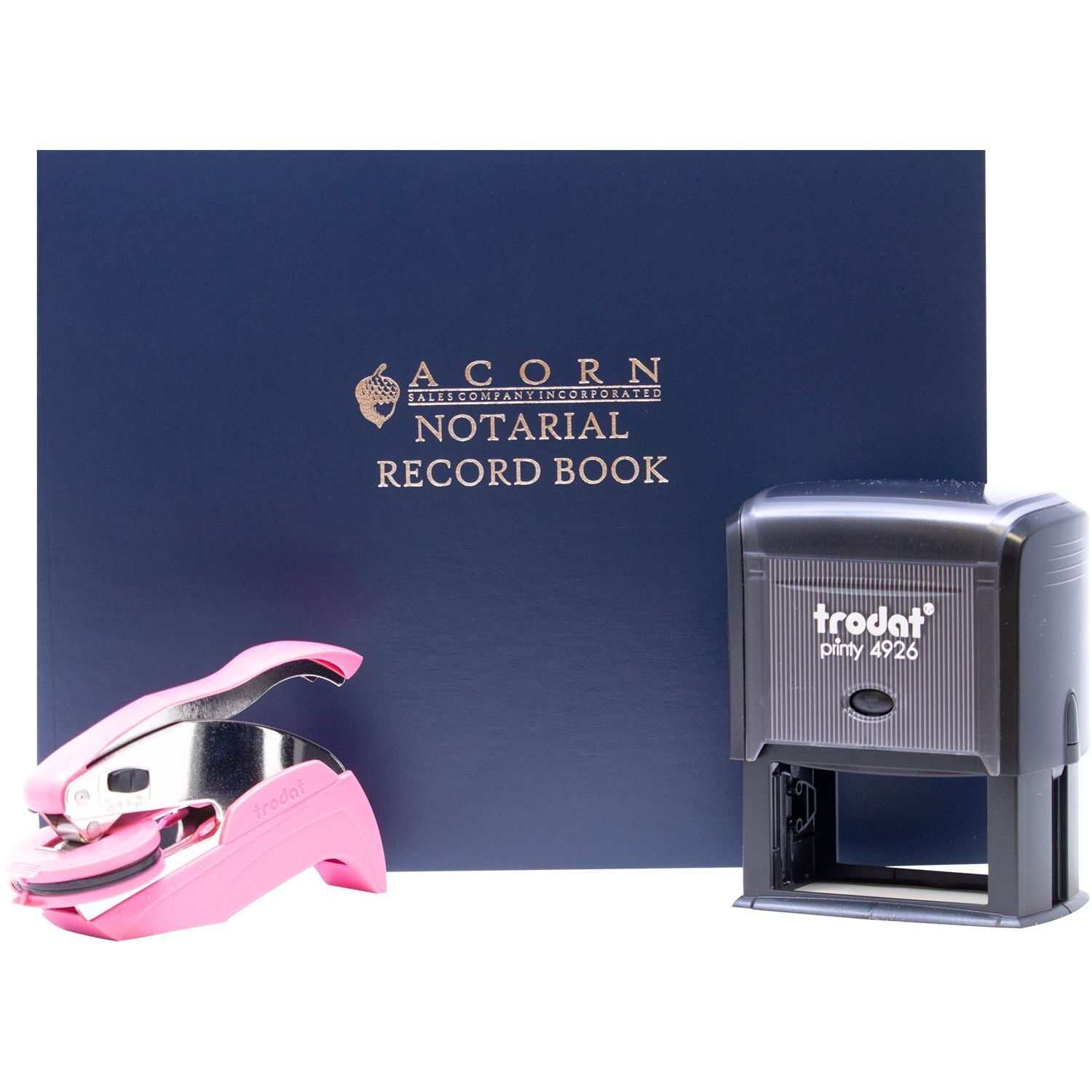
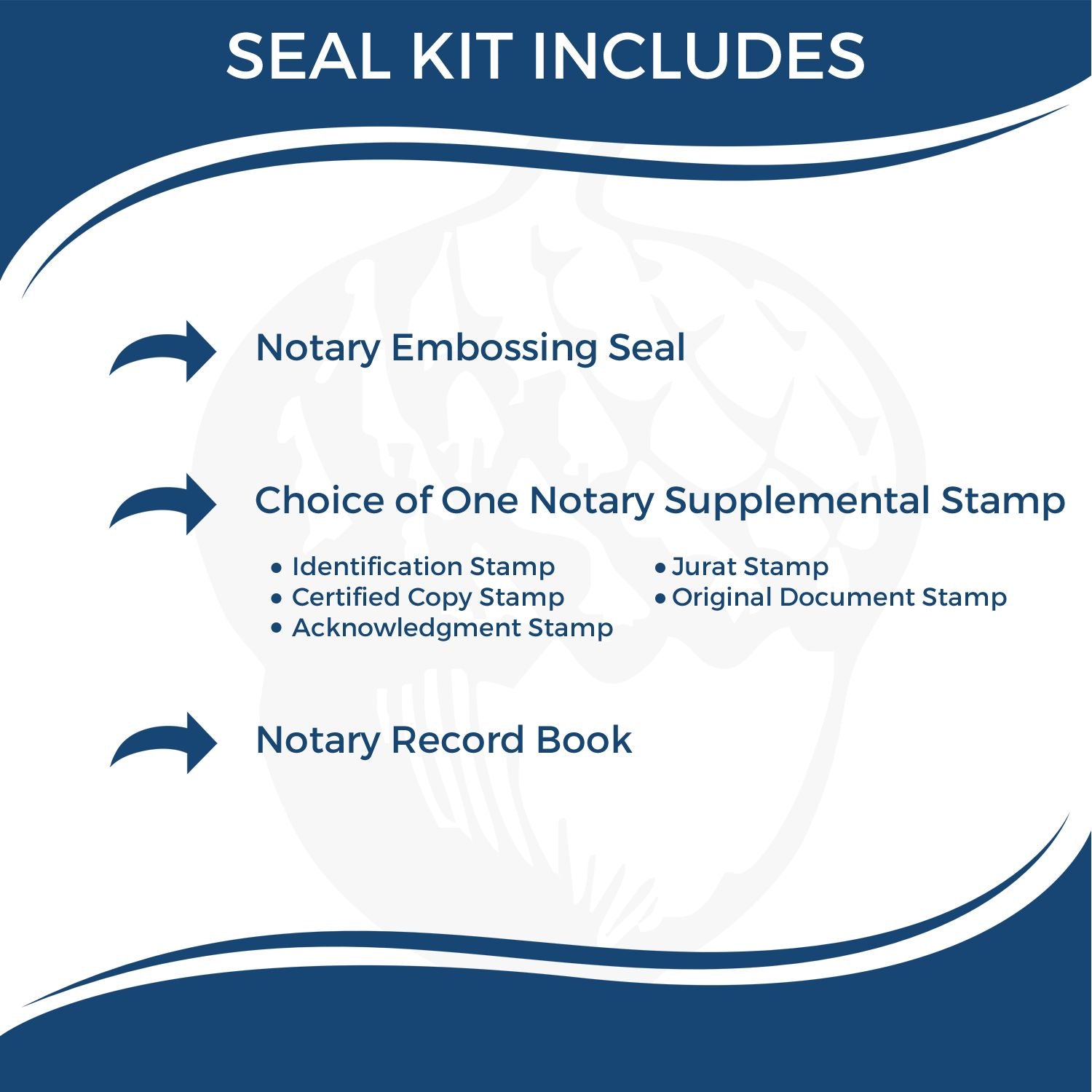
Wondering how you can stay fully stocked? That’s where our kansas notary supplies come in, ranging from stamps to embossing seals and more. By choosing a reputable provider like Acorn Sales, you can be confident that your stamp will follow state compliance and leave sharp, smudge-free impressions.


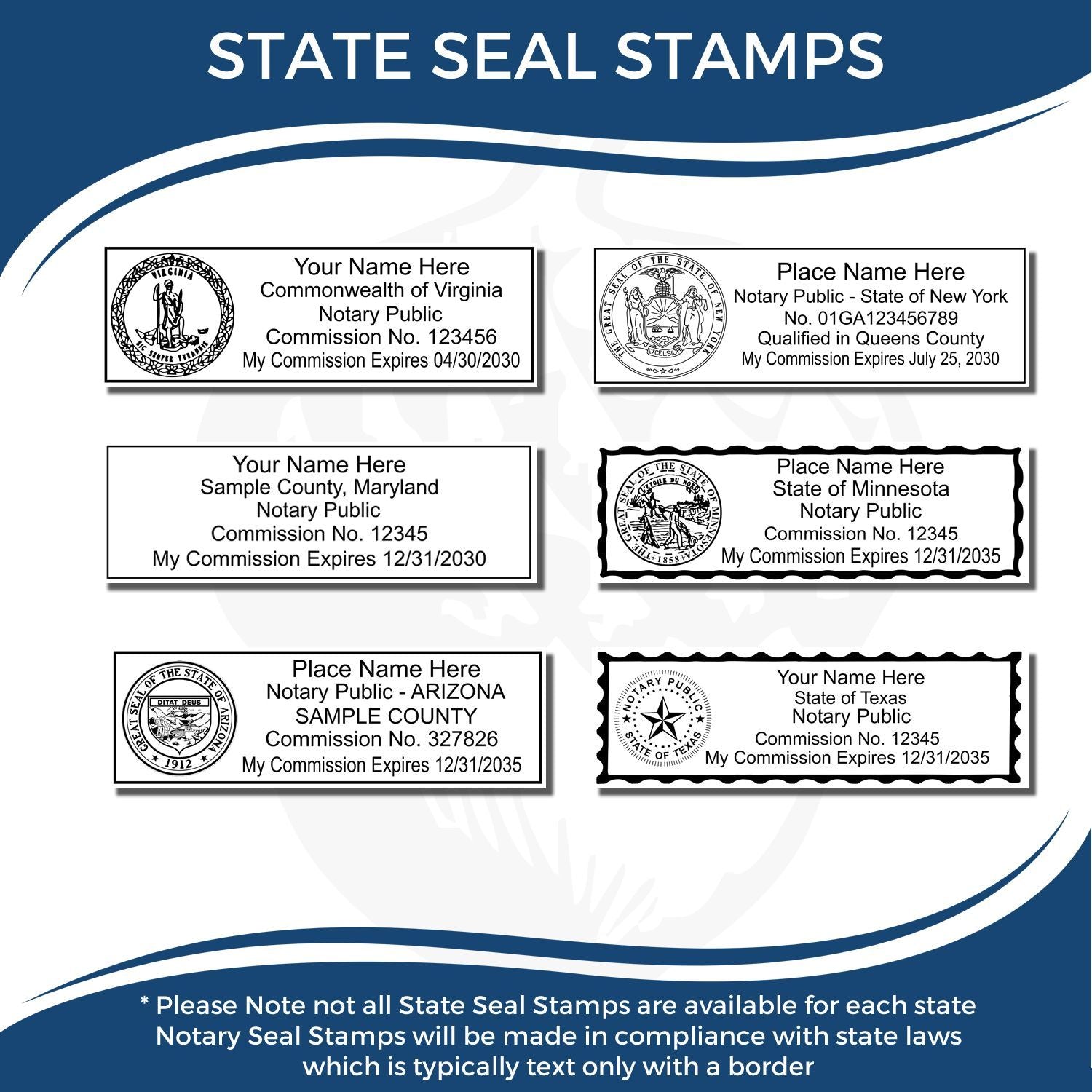


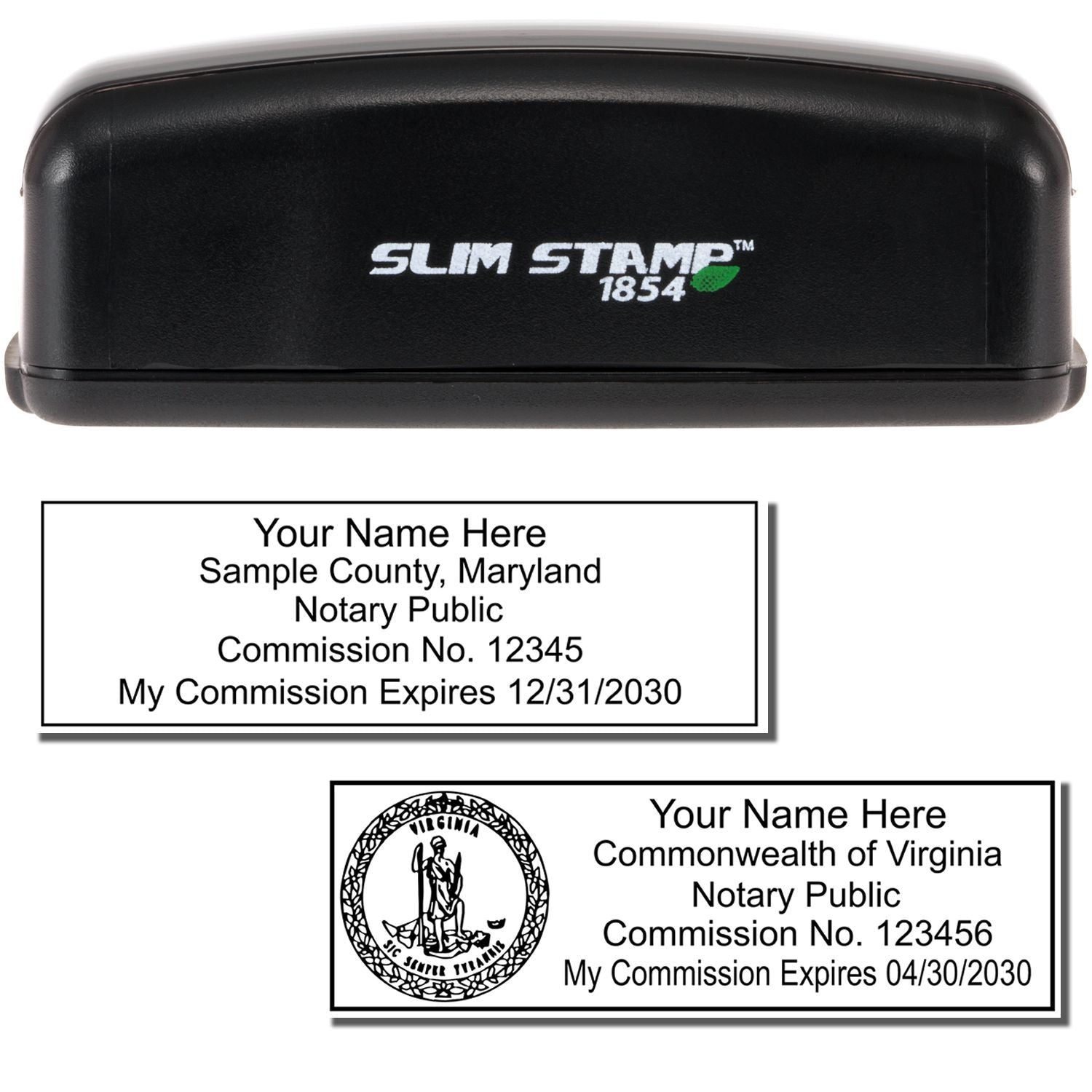
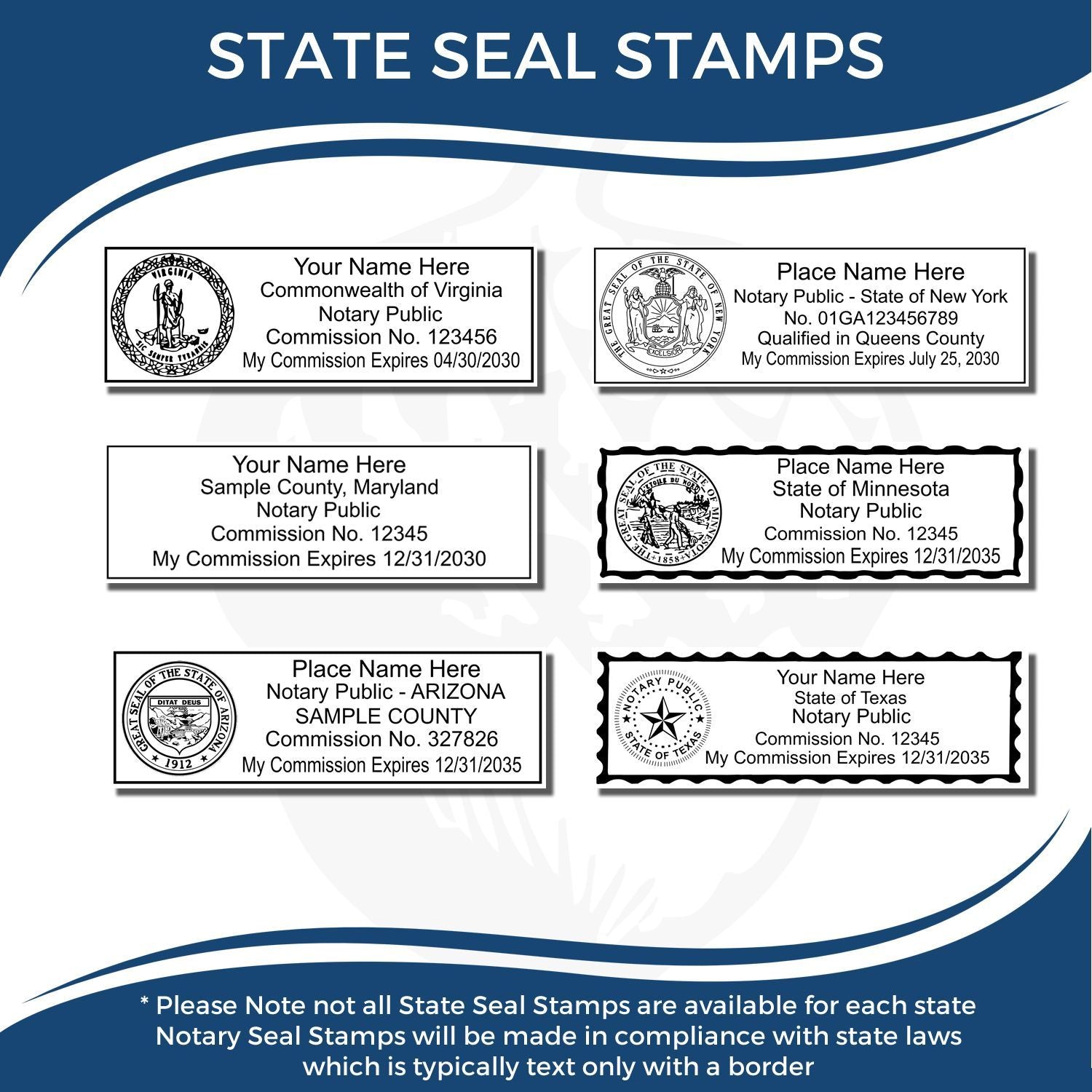
Spotlight Our Top Picks
Because notary duties vary from person to person, there’s no universal “best” stamp that fits everyone. Instead, we’ve rounded up five standout choices that each excel in different ways. Here’s a look at how they might fit your specific need, whether that’s portability, extra-large impression space, or maximum durability.
1. Pre-Inked Precision
When you want a super crisp imprint, the pre-inked stamp is tough to beat. This stamp stores ink within its own rubber or polymer surface, so every press leaves a deeply saturated impression. We love how the lettering pops on each stamp, making it extra easy to read.
- Ideal For: Notaries who need a crisp impression on official documents.
- Ink Life: Because the ink is embedded within the stamp, it can produce thousands of clean, consistent imprints.
- Impression Quality: Exceptional detail, often sharper than what self-inking models deliver.
- Pros: Less mess, an ultra-clear impression, and compact design.
- Cons: Slightly higher cost compared to ordinary self-inking stamps.
If precision is your top priority, pre-inked might be your best friend. We’ve seen notaries rave about how polished their documents look with this style of stamp.
2. Self-Inking Convenience
If speed and efficiency are on your checklist, self-inking stamps take the cake. With an inner ink pad built right into the device, you simply press down to stamp. This design comes in handy when you’re zipping through multiple documents in a single session.
- Ideal For: Notaries with a high volume of signings who need quick, effortless stamping.
- Ink Pad Access: Easy to remove or replace. Once the ink pad starts running dry, you can swap it out fairly quickly.
- Durability: Generally sturdy enough for everyday use.
- Pros: Fast stamping action, consistent impressions, minimal maintenance.
- Cons: Typically not as detailed as pre-inked, but plenty sufficient for most official tasks.
We appreciate how self-inking stamps keep your workflow smooth. No rummaging around for external ink pads, just grab your stamp and go.
3. Pocket-Sized Portability
Sometimes, you’re traveling to meet clients, or you don’t have a dedicated desk space. A pocket-sized stamp is a significant in those scenarios. It’s compact enough to slip into a purse, briefcase, or even a large coat pocket.
- Ideal For: Mobile notaries or those who frequently travel for signings.
- Key Feature: Lightweight plastic or metal casing that folds or retracts to protect the impression area.
- Pros: Ultra-convenient, easy to carry, best for on-the-go.
- Cons: Smaller ink capacity.
At Acorn Sales, we design these portable stamps with an eye toward maximum reliability. You’ll still get crisp imprints without sacrificing the lightweight feel.
4. Classic Wooden Handle
There’s no denying that a traditional wooden handle stamp has a certain charm. Some of us just love the feeling of pressing the stamp onto an ink pad and leaving a timeless mark. If that’s you, a wooden handle is a fantastic pick.
- Ideal For: Those who appreciate the tactile nature and rustic vibe of a manual stamp.
- Setup: You’ll need a separate ink pad, but that can be beneficial if you like switching ink colors.
- Pros: Classic design, sturdy construction, straightforward to change ink color.
- Cons: Less portable, extra step of inking before stamping.
Wooden handle stamps still serve up a crisp, professional impression. Many notaries keep one on their desk for a touch of tradition.
5. Embossing Seal Option
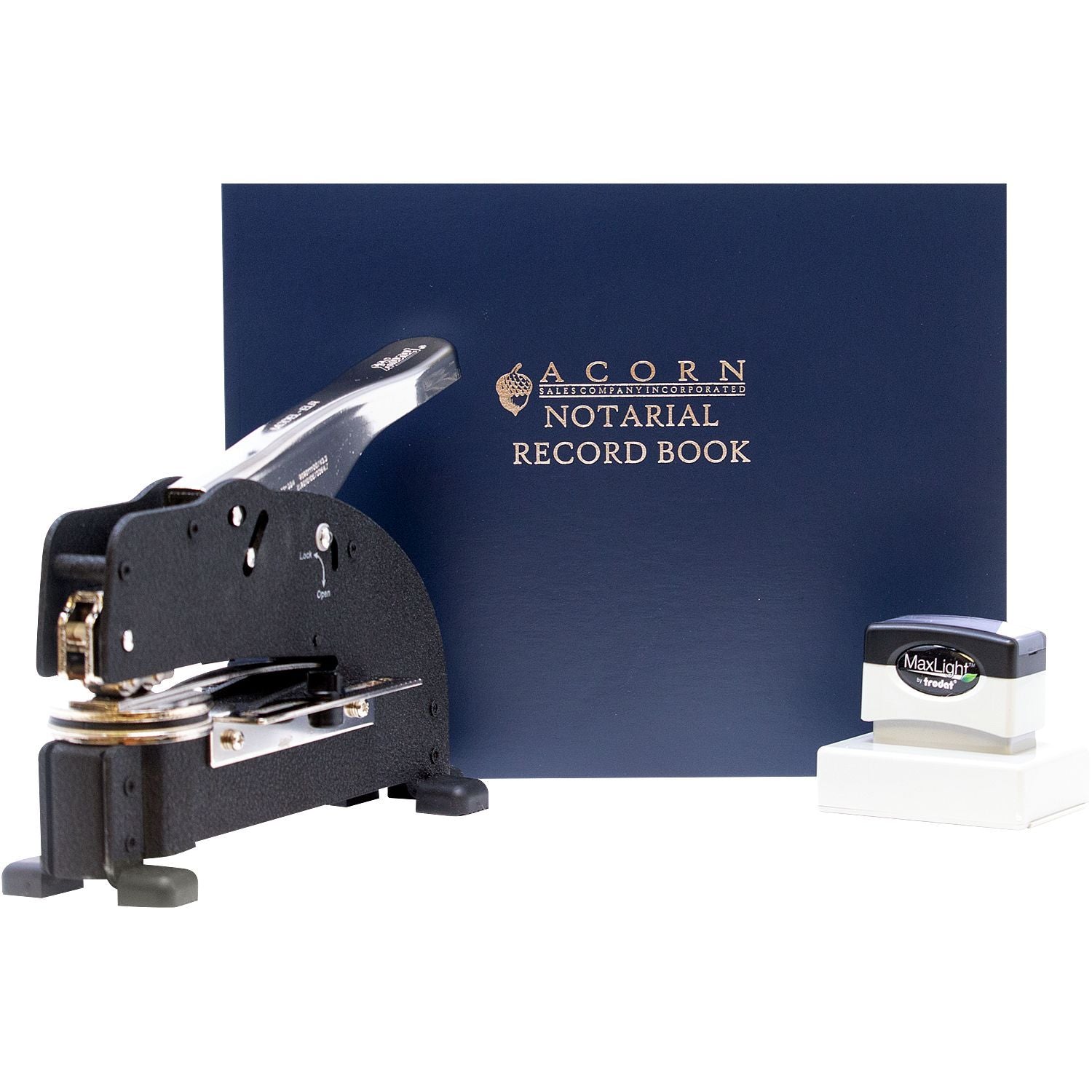
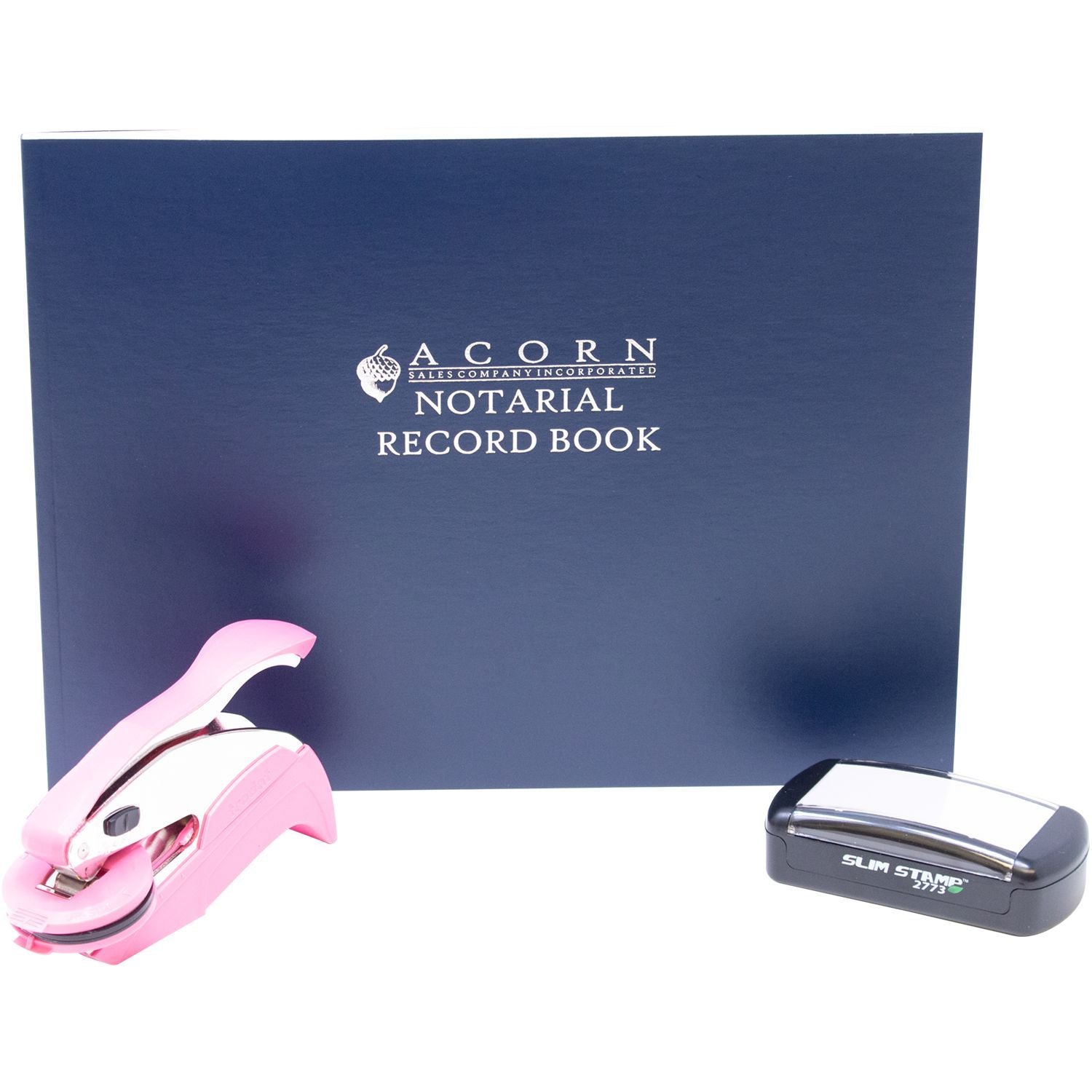
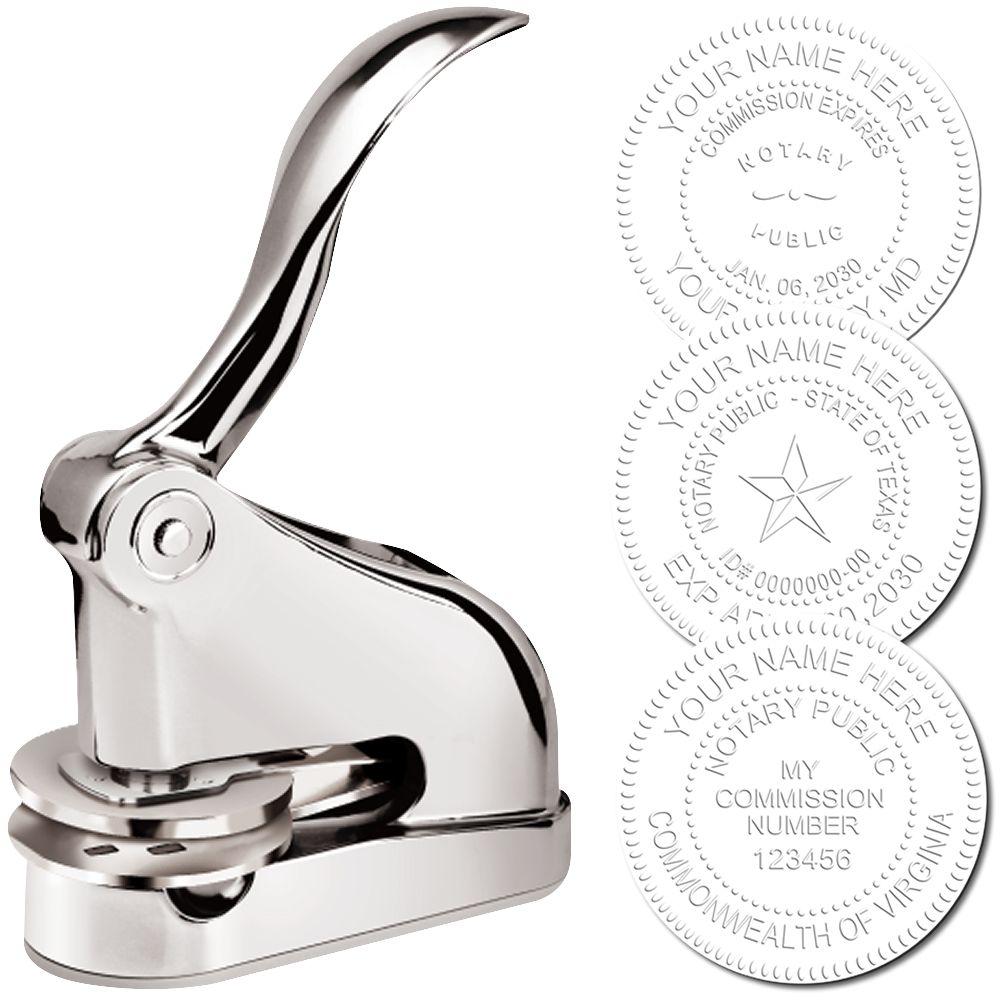
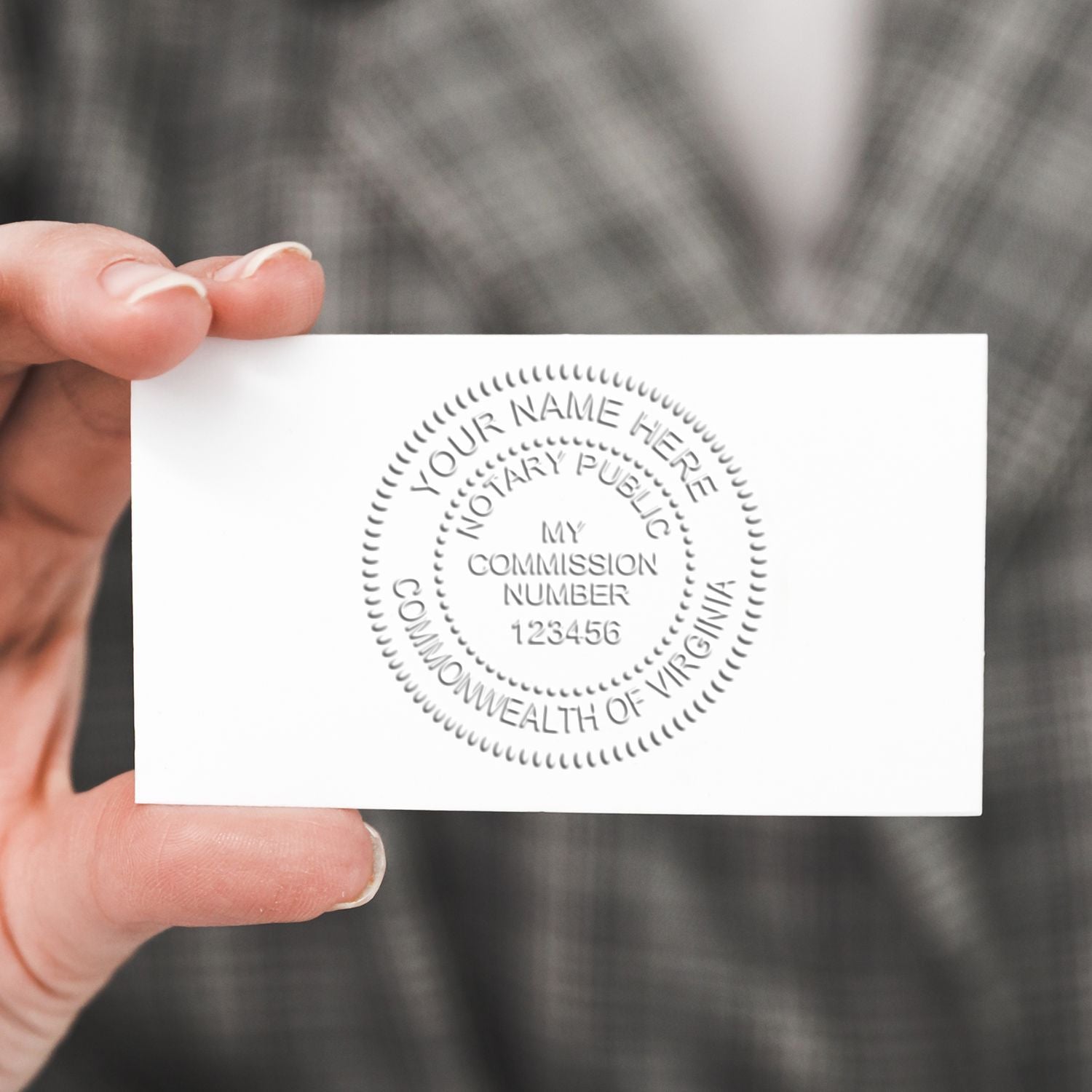
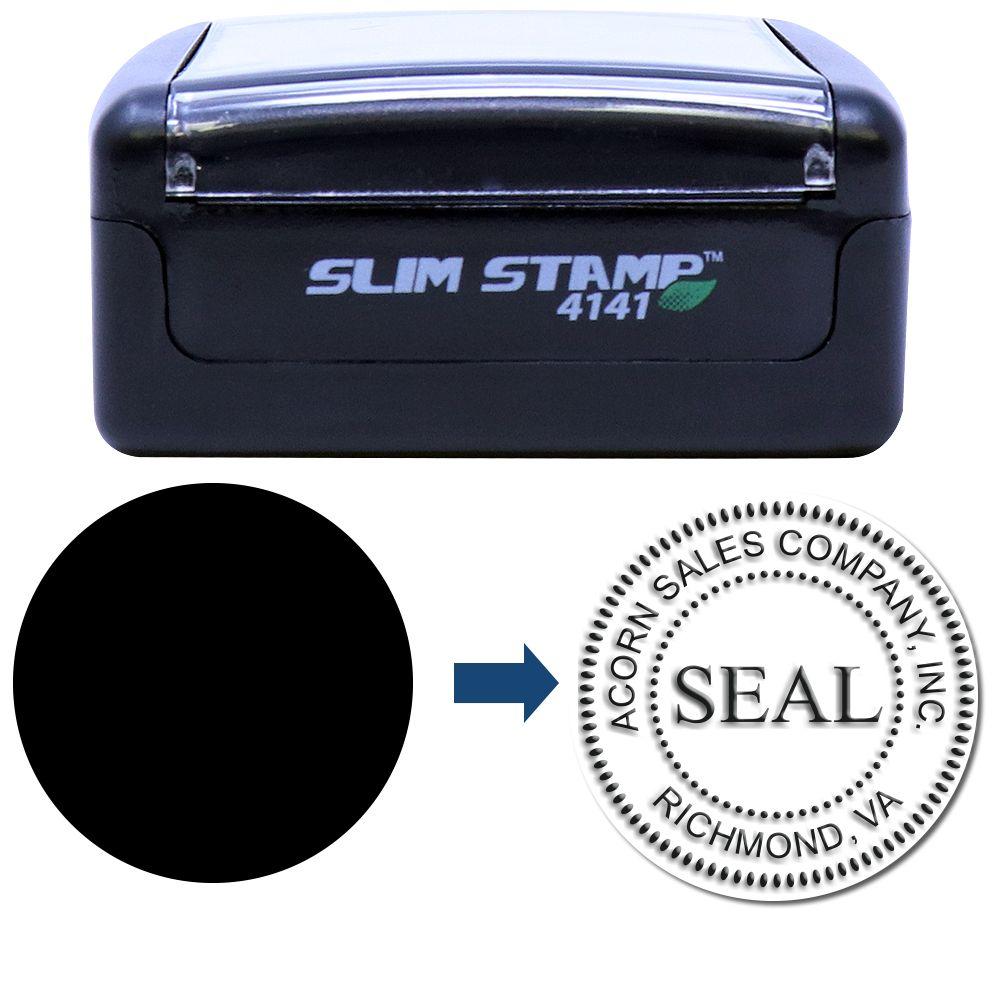
An embosser (a device that physically presses a design into the paper) can complement or even replace a traditional inking stamp in Kansas. While it’s not always required, many notaries add an embosser to their toolkit because of the elegant, multidimensional effect on documents.
- Ideal For: Formal documents, clients who love the raised impression, or official paperwork requiring an embossed seal.
- Mechanism: Two hinged plates come together, creating a raised seal in the paper.
- Pros: Distinct, professional look that appeals to many clients.
- Cons: Slightly heavier than standard stamp options, and you’ll need moderate hand strength for repetitive embossing.
If you favor an official, sophisticated look, an embosser might just be your favorite tool. It’s also a great way to deter fraud because embossed marks are harder to forge.


Evaluate Key Features
It’s one thing to browse a list of top picks, but sometimes you need a side-by-side look to make sense of it all. Below is a quick comparison table summarizing some key features of these five notary stamping and sealing methods.
| Stamp Type | Ink Setup | Impression Clarity | Best For |
|---|---|---|---|
| Pre-Inked Precision | Ink embedded | Extra sharp, detailed | Vivid, professional-grade stamping |
| Self-Inking Convenience | Built-in pad | Clear enough for most docs | Quick stamping in bulk signings |
| Pocket-Sized Portability | Built-in pad | Decent clarity | Mobile notaries always on the move |
| Classic Wooden Handle | Separate pad needed | Crisp if inked properly | Traditional feel, color flexibility |
| Embossing Seal Option | N/A | Embedded raised design | Elevated, official look for important docs |
We’ve tested or produced each of these styles ourselves, so we can vouch that they’re built to last. Keep longevity in mind, too. Pre-inked stamps often reach thousands of impressions, while wooden handle stamps can serve you for years with basic care. And if you crave a premium look, an embosser consistently delivers that extra level of professionalism.
If you have any questions about how these features translate into daily use, we can share even more details. Our goal is to help you navigate the options and find a simple stamping experience that truly fits your workflow.
Choosing your Kansas stamp
By now, you’ve probably identified which stamp aligns best with your needs or at least narrowed it down to a couple of frontrunners. If you’re focusing on blazing speed, self-inking might be calling your name. If you prefer near-perfect clarity, consider a pre-inked stamp. And for on-the-go convenience, that pocket-sized option can be a lifesaver. Want a dash of nostalgia or color variety? Go with a classic wooden handle. If you’re aiming for a wow factor, the embosser is your best bet.
We understand that you crave a reliable partner in your notary work. At Acorn Sales, we’ve been making notary stamps, seals, and other Kansas notary supplies for decades. Our customers love knowing they’ll get top-tier craftsmanship and quick turnaround times for those last-minute requests. With so many years under our belt, we’ve learned exactly how to craft stamps that deliver precise, compliant impressions time and again.
Here’s the thing: your notary stamp is your professional fingerprint. It shows everyone around you that you mean business and take your responsibilities seriously. The right stamp, paired with thorough knowledge of Kansas rules, helps ensure that every document you sign off on is valid and beyond question.
We hope you feel confident about finding your perfect Kansas notary stamp. For a new notarial commission or an upgrade from a worn-out stamp, we’ve got the supplies to keep you ready for any signing session.
We hope this guide answers some of your top questions and points you toward the ideal notary stamp. Your profession is vital to ensuring proper authentication of documents, and we’re here to make that process smooth and stress-free. If you have any other queries, don’t hesitate to reach out. We’re happy to lend our expertise so you can focus on confidently finalizing the documents that matter most.
Ready to pick out your new favorite Kansas notary stamp? We’d love to help. Reach out to us at Acorn Sales whenever you’re ready to upgrade or restock, and we’ll guide you every step of the way. Here’s to clear impressions and an efficient notarial journey!
Frequently Asked Questions
Do I need both a notary stamp and an embosser in Kansas?
In most cases, either a stamp or an embosser meets state guidelines if it contains the required information (like your name and “Notary Public”). However, many notaries enjoy having both, especially for more formal documents. It’s always a good idea to check the latest rules from the Kansas Secretary of State to confirm.
What if my name changes or my commission details change?
You’ll need a new stamp reflecting any updated information, such as your new legal name. The state may require you to update your notarial commission before ordering a new stamp. Once everything is approved, we can help you create a brand-new stamp that fits the revised details.
Are there design restrictions for a Kansas notary stamp?
Yes. Kansas notary stamps typically must display your name, the title “Notary Public,” and “State of Kansas.” The exact layout or size might vary, so reviewing official guidelines is important. We always make sure our stamps follow current regulations so you remain compliant.
How can I verify a stamp meets Kansas rules before I buy?
One easy way is to shop with a provider who specializes in Kansas notary supplies, like Acorn Sales. We’re aware of the requirements and keep up with any changes. If you’re unsure, you can also check with the Kansas Secretary of State’s office for the most up-to-date standards.








