
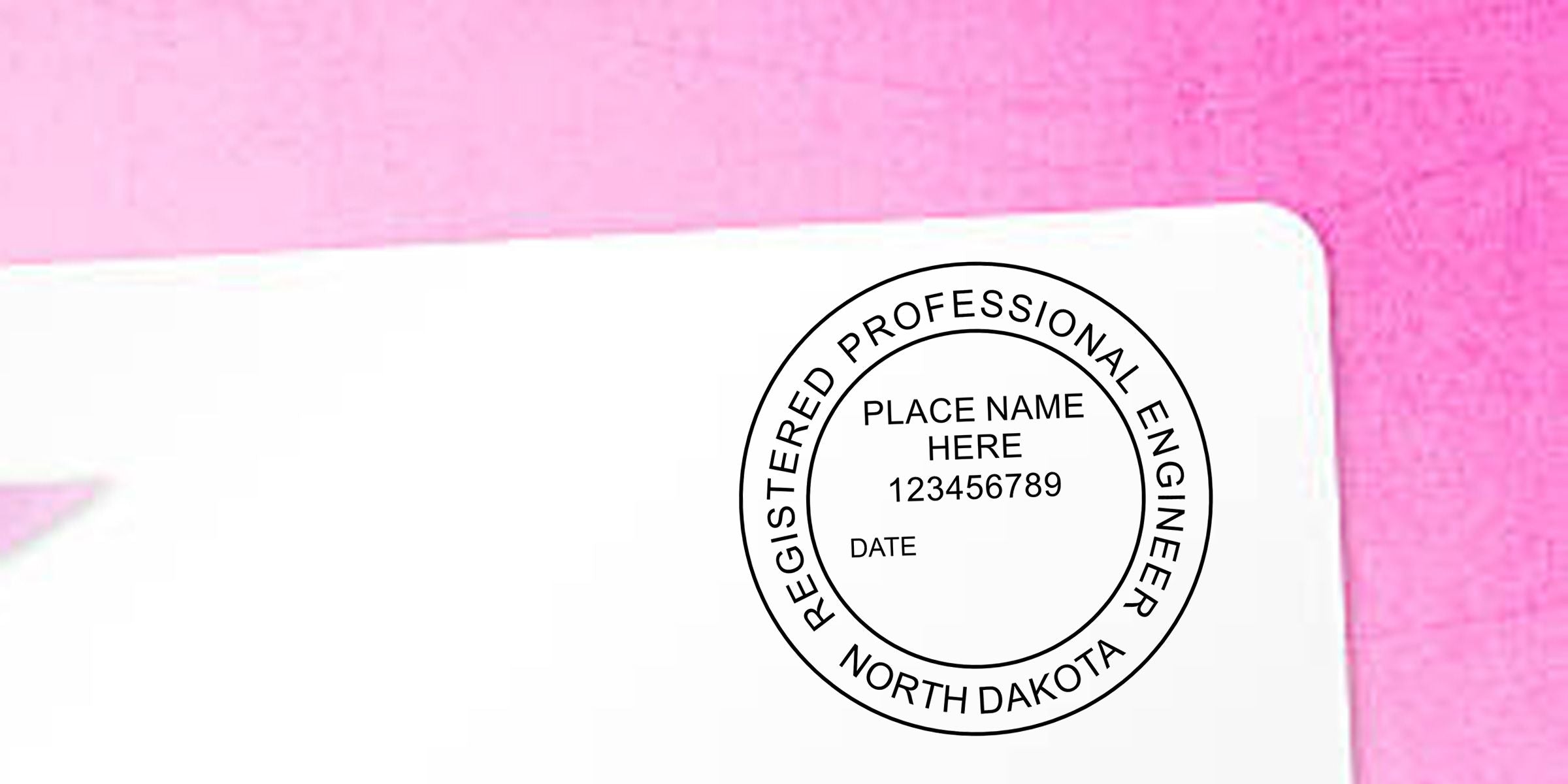
Are you familiar with the professional engineer stamp requirements in your state? If not, you’re in the right place. Understanding which stamp or seal to use, when to apply it, and how to stay compliant can be surprisingly complex. Yet those little imprints carry big responsibilities. They confirm your qualifications, attest to your work’s integrity, and reassure clients that they’re getting an officially sanctioned plan.
In this post, you’ll learn why each state sets different rules, which documents typically need to be stamped, and how to select the right product for your specific needs. You’ll also discover how to avoid the common mistakes that can lead to legal headaches, and where to get a high-quality stamp with a state board guarantee. Ready? Let’s jump in.
Understand core definitions
Before deciding how to display your credentials, it helps to review the baseline terms. You might see the words stamp, seal, and impression used interchangeably, but they don’t always mean the same thing.
What is a professional engineer stamp?
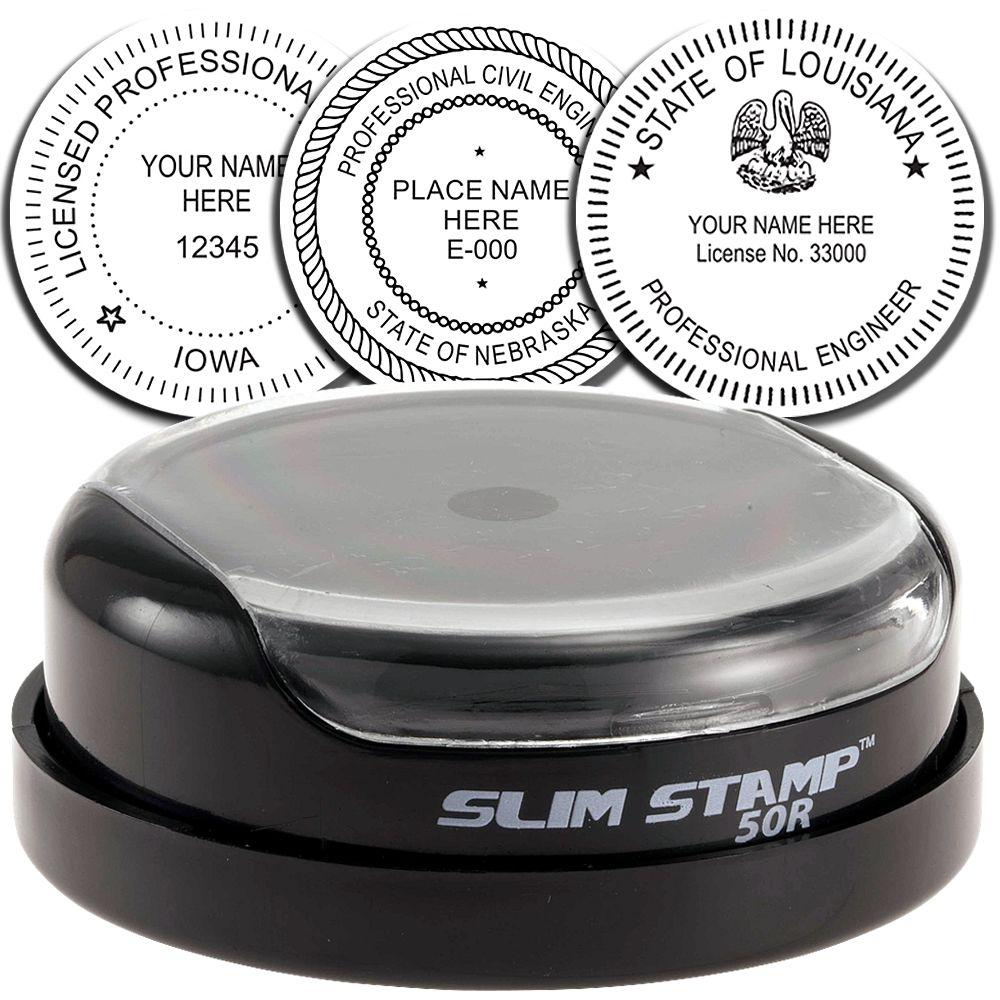
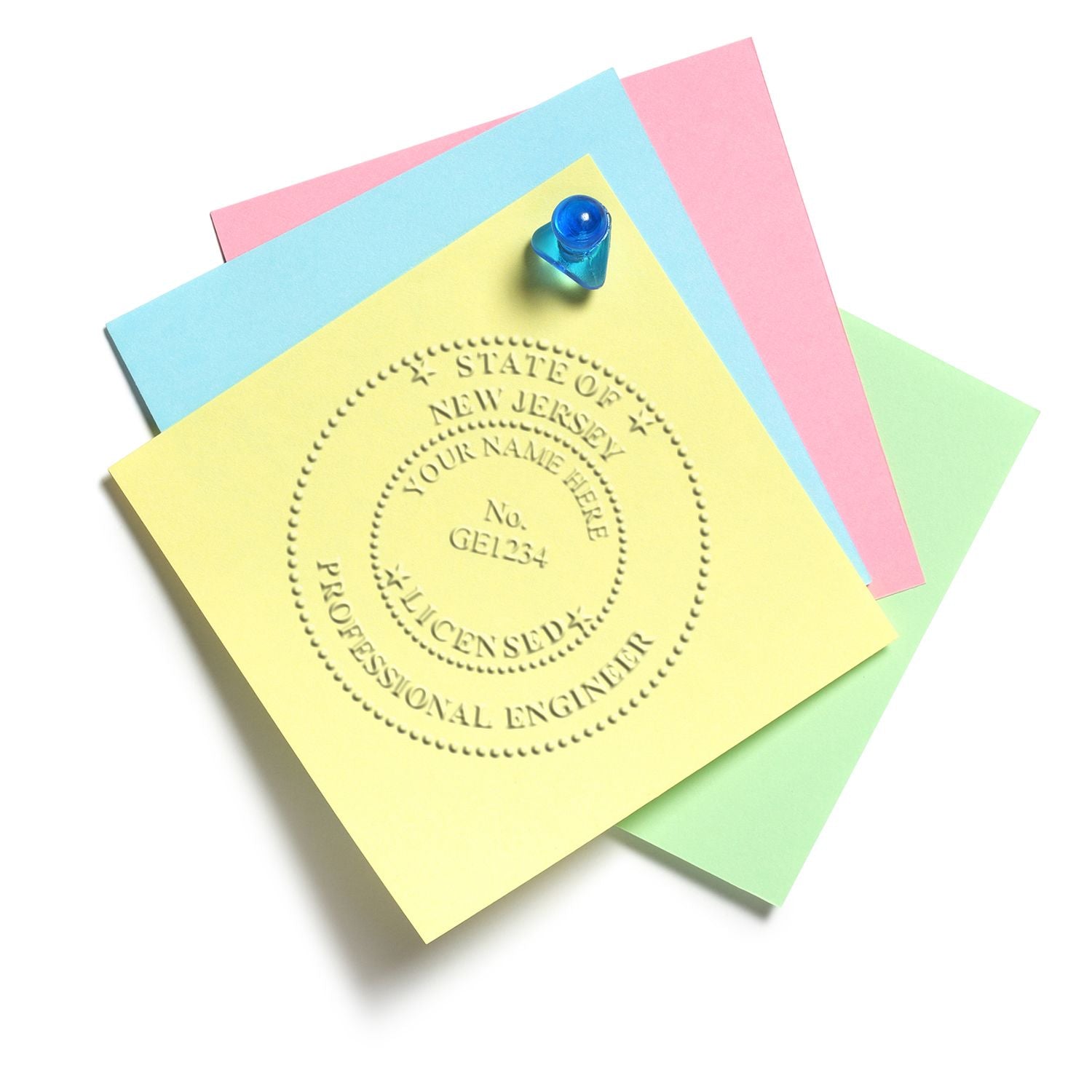
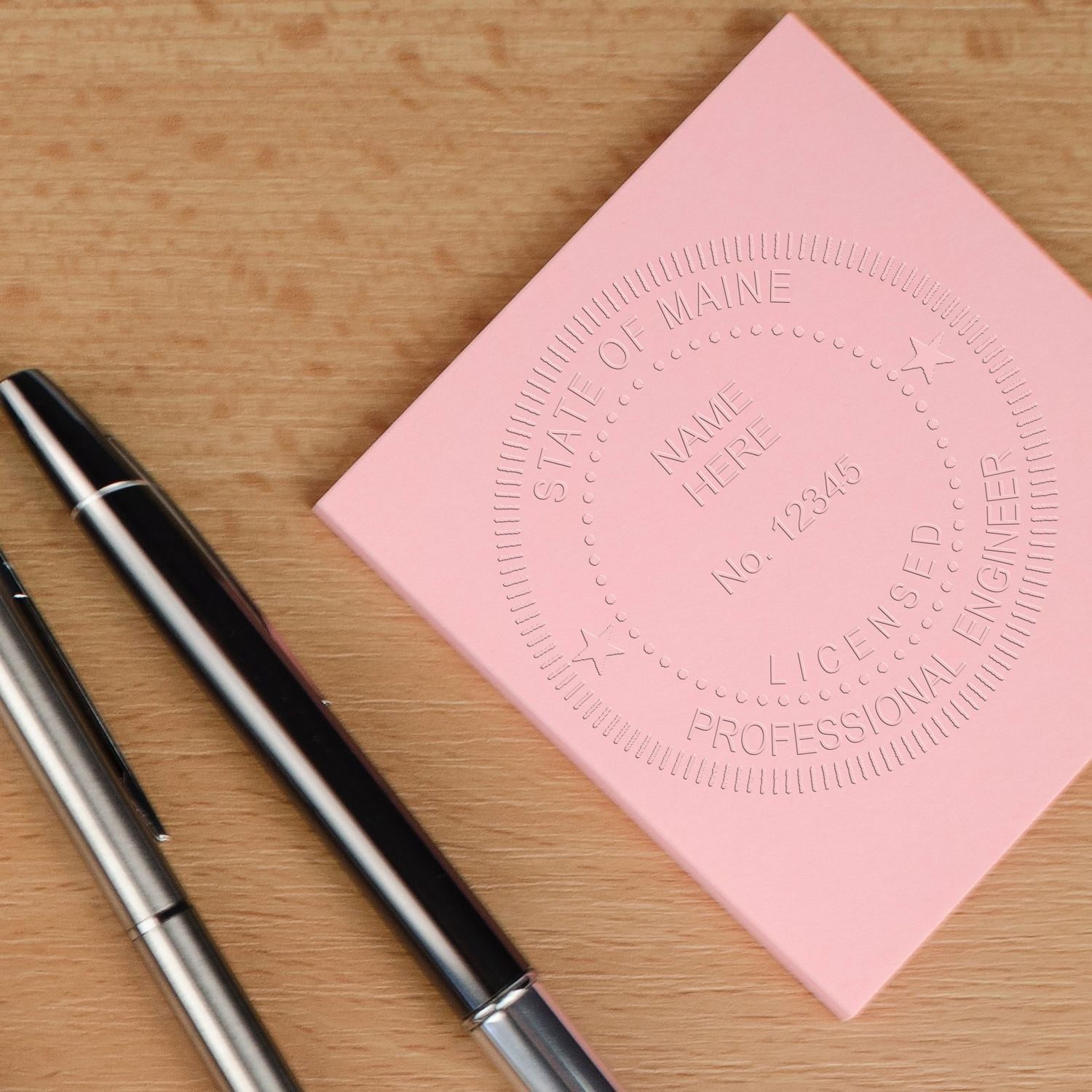
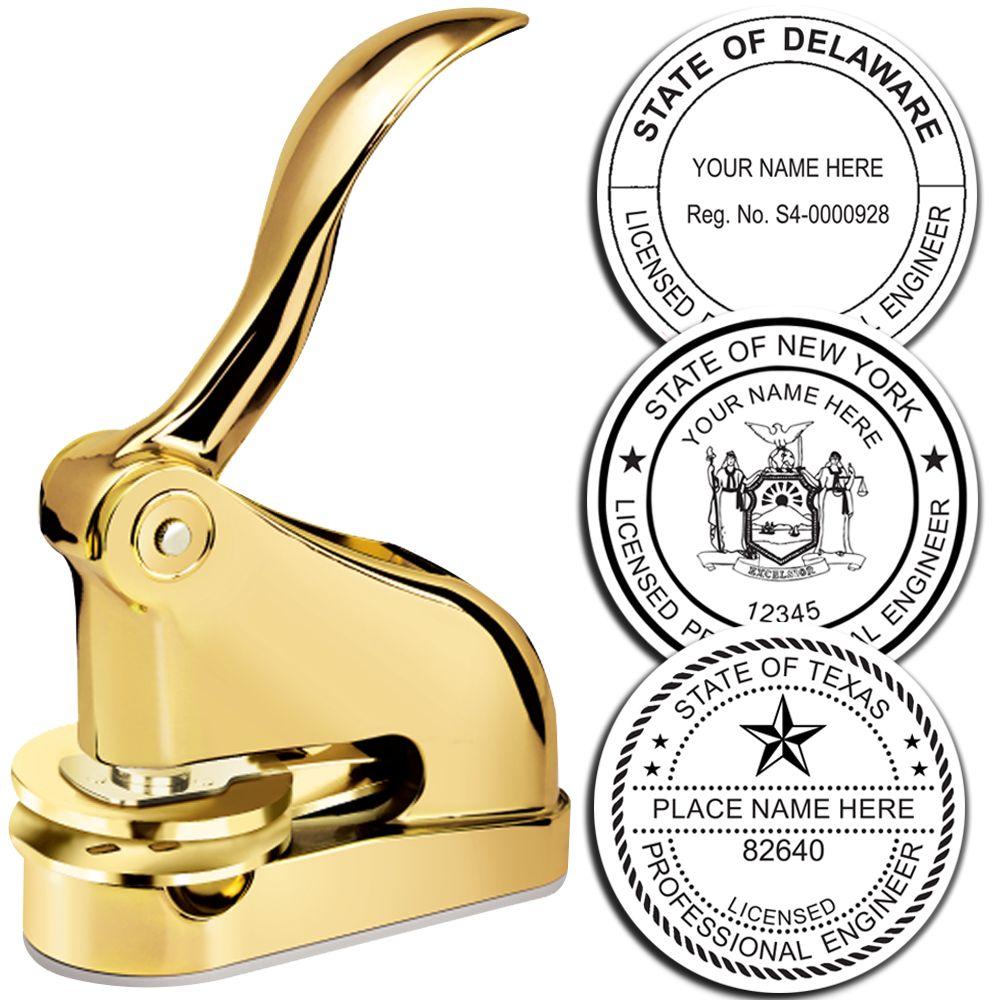
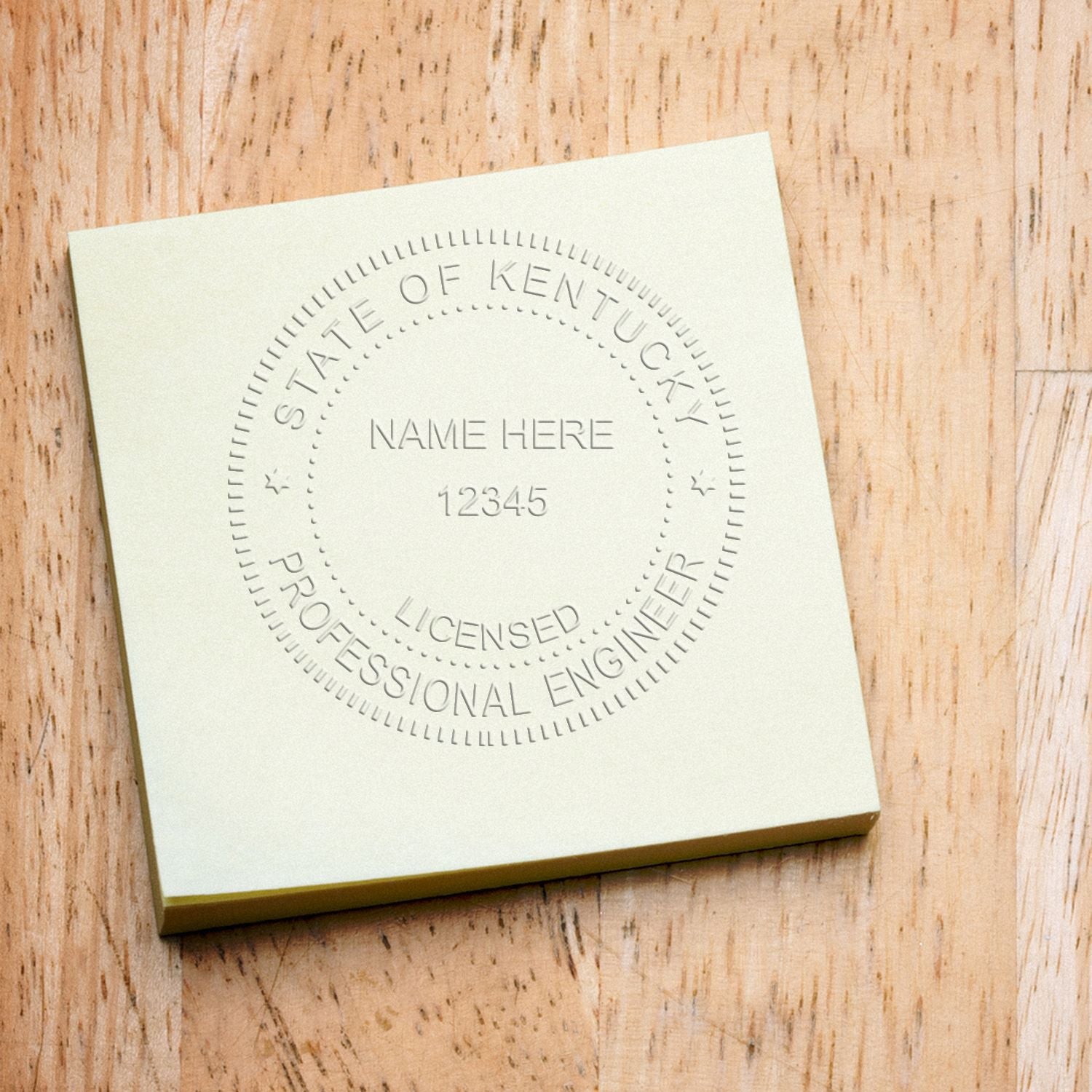
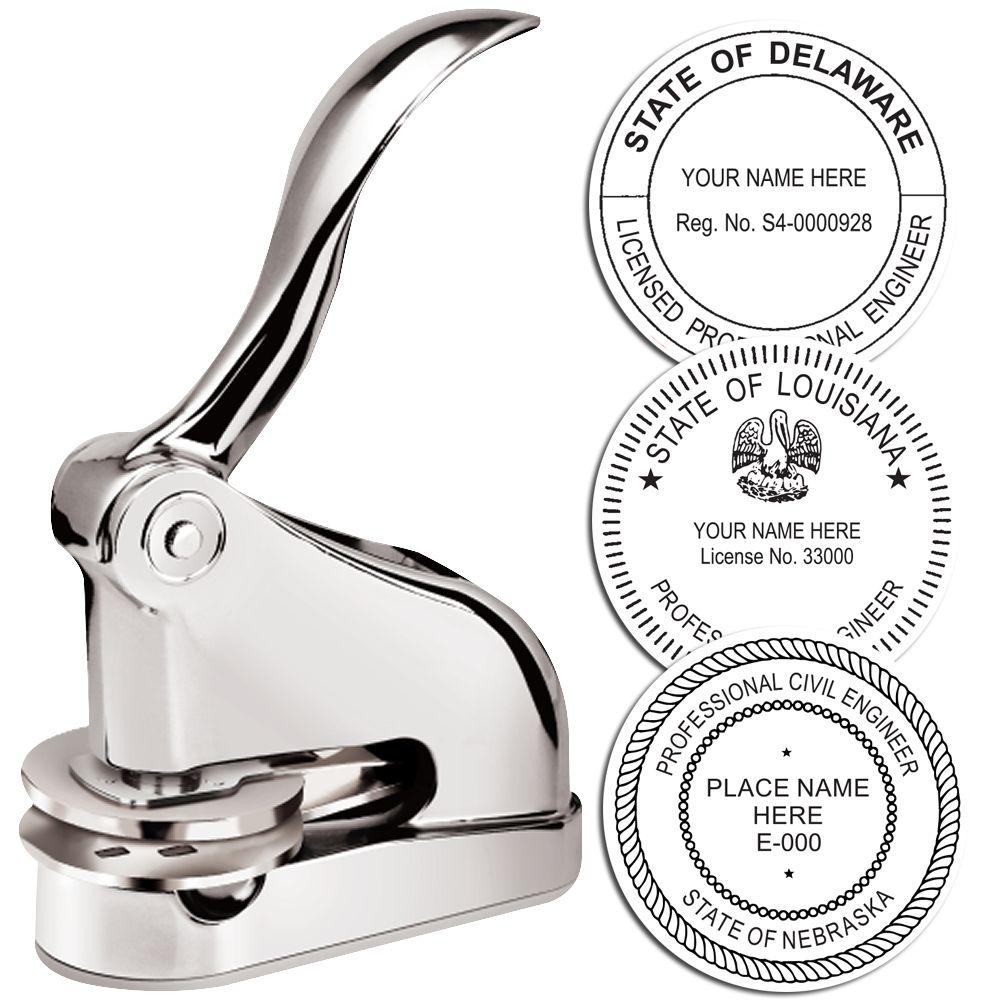
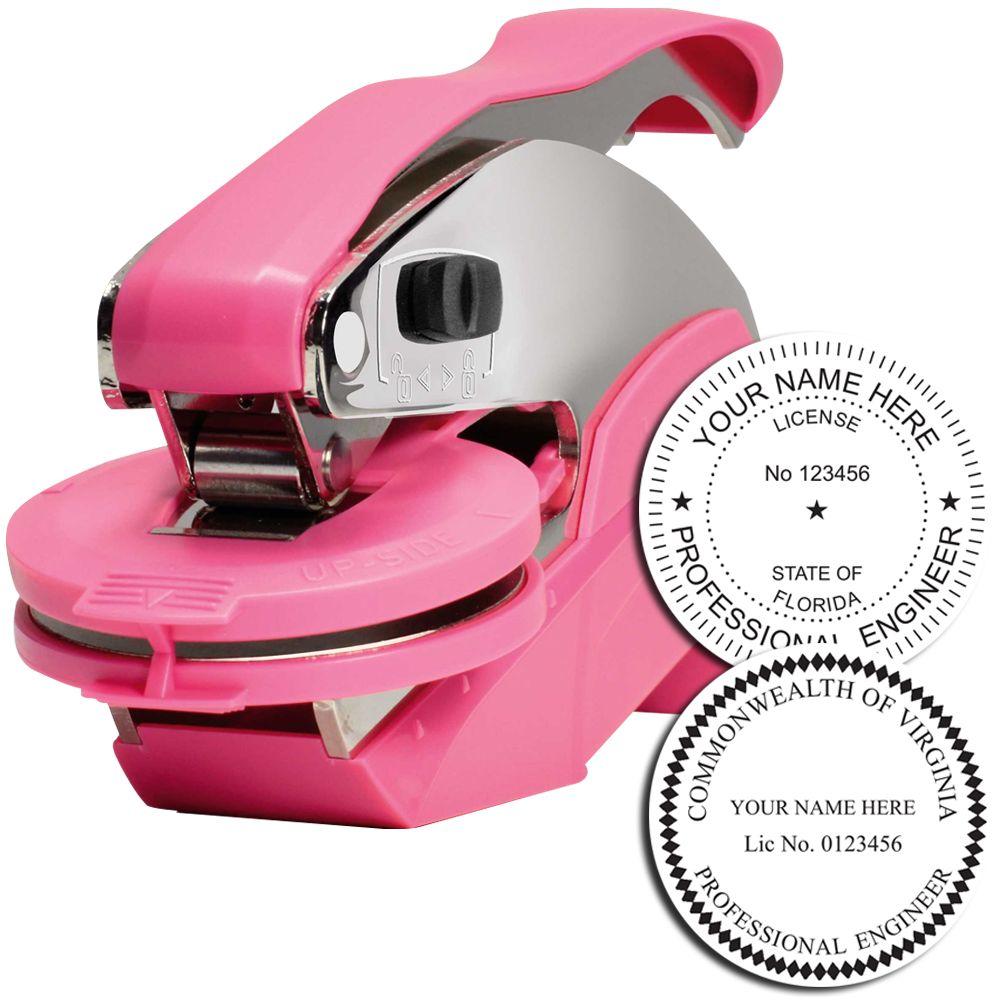
A professional engineer stamp is a device designed to mark official documents with your name, license number, and sometimes your specific engineering discipline. The main purpose is to confirm that you’re a licensed Professional Engineer (PE) who bears responsibility for whatever is inside the plan, drawing, or specification. You’ll typically see a circular or rectangular shape that includes a state reference, since each jurisdiction has unique guidelines about format, text placement, and size.
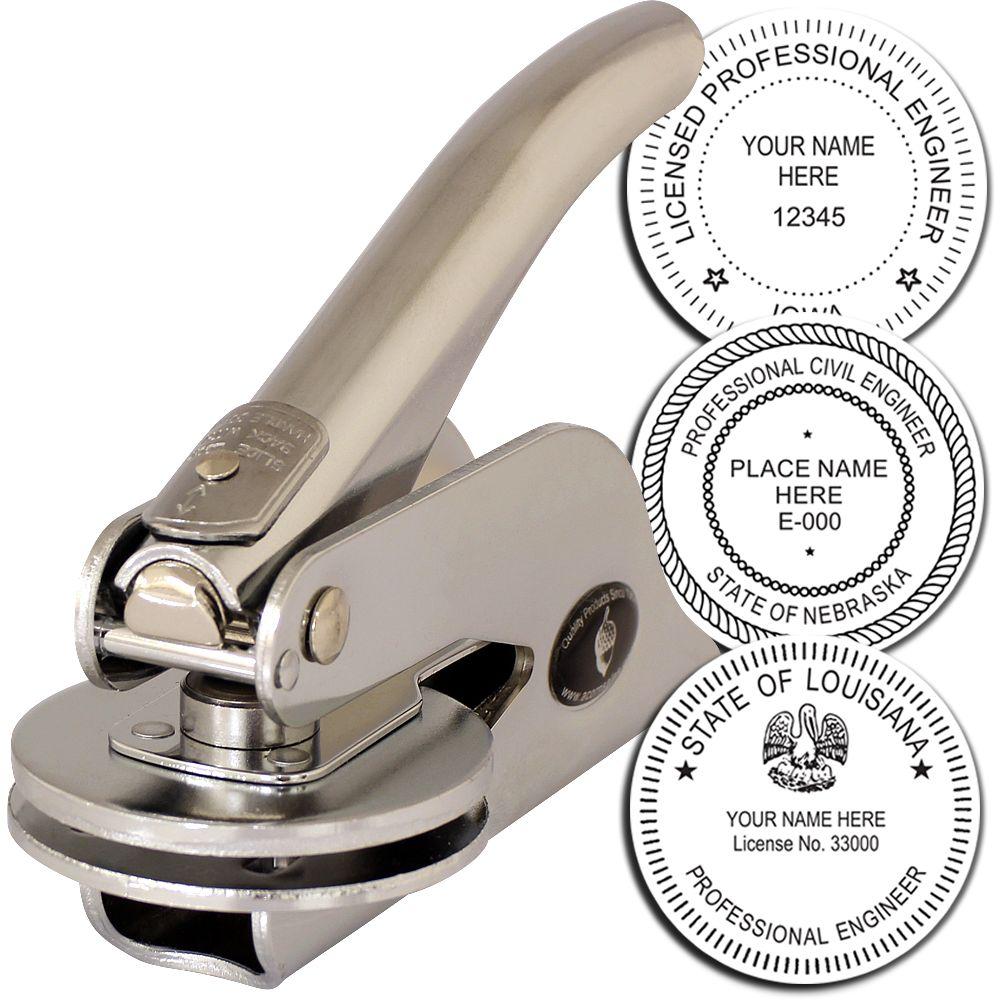
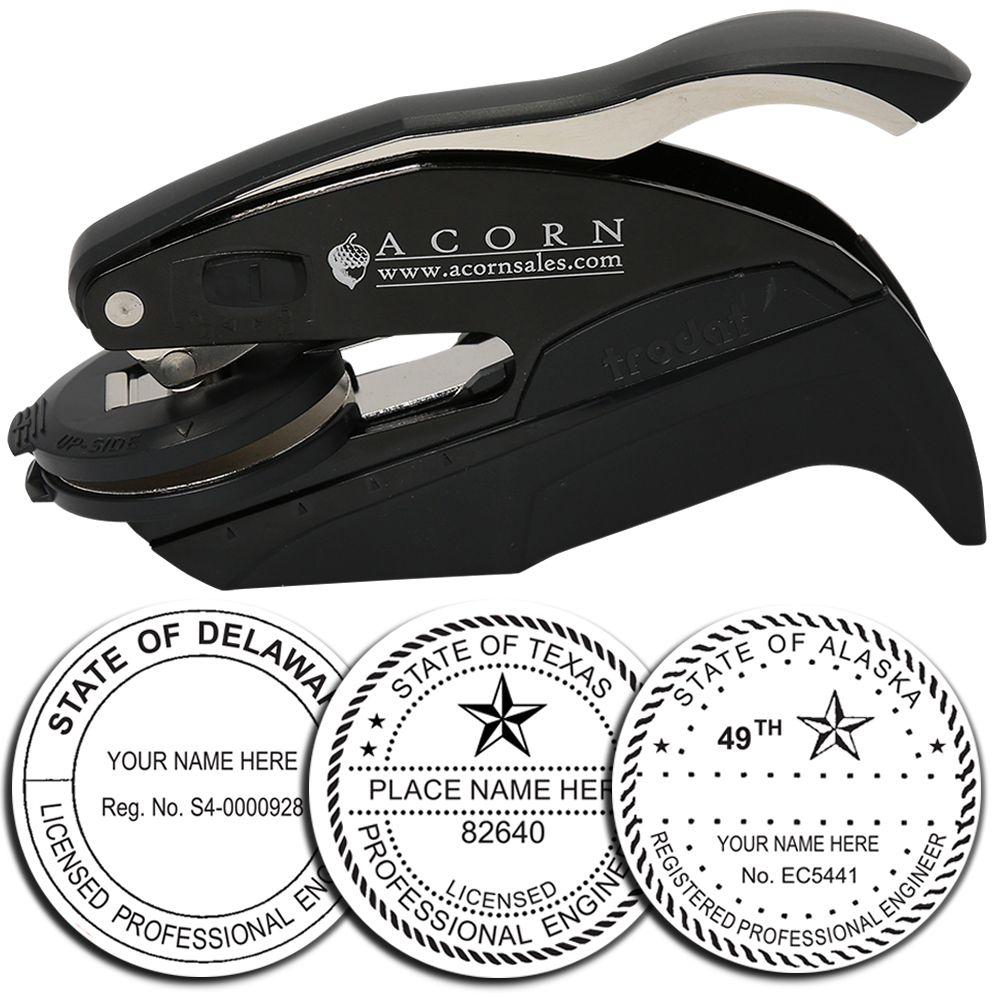
The stamp might be manual, digital, or even an embosser that creates raised text on paper. Regardless of form, the concept remains the same: it’s a visible sign that you’re legally authorized to verify technical work. If regulators or clients ever question a project, your stamp basically says, “This is my handiwork, and I stand by it.”
The difference between stamp and seal
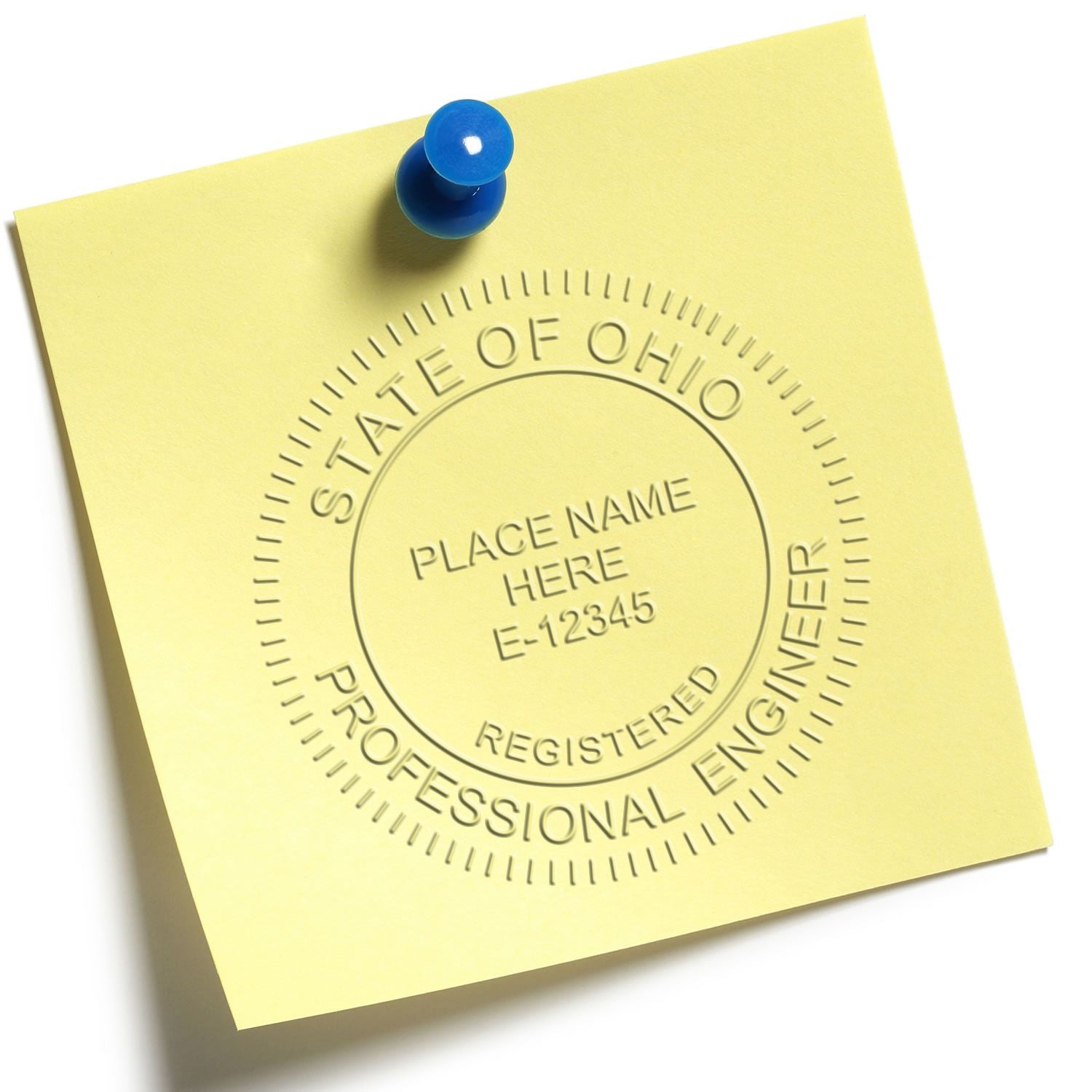
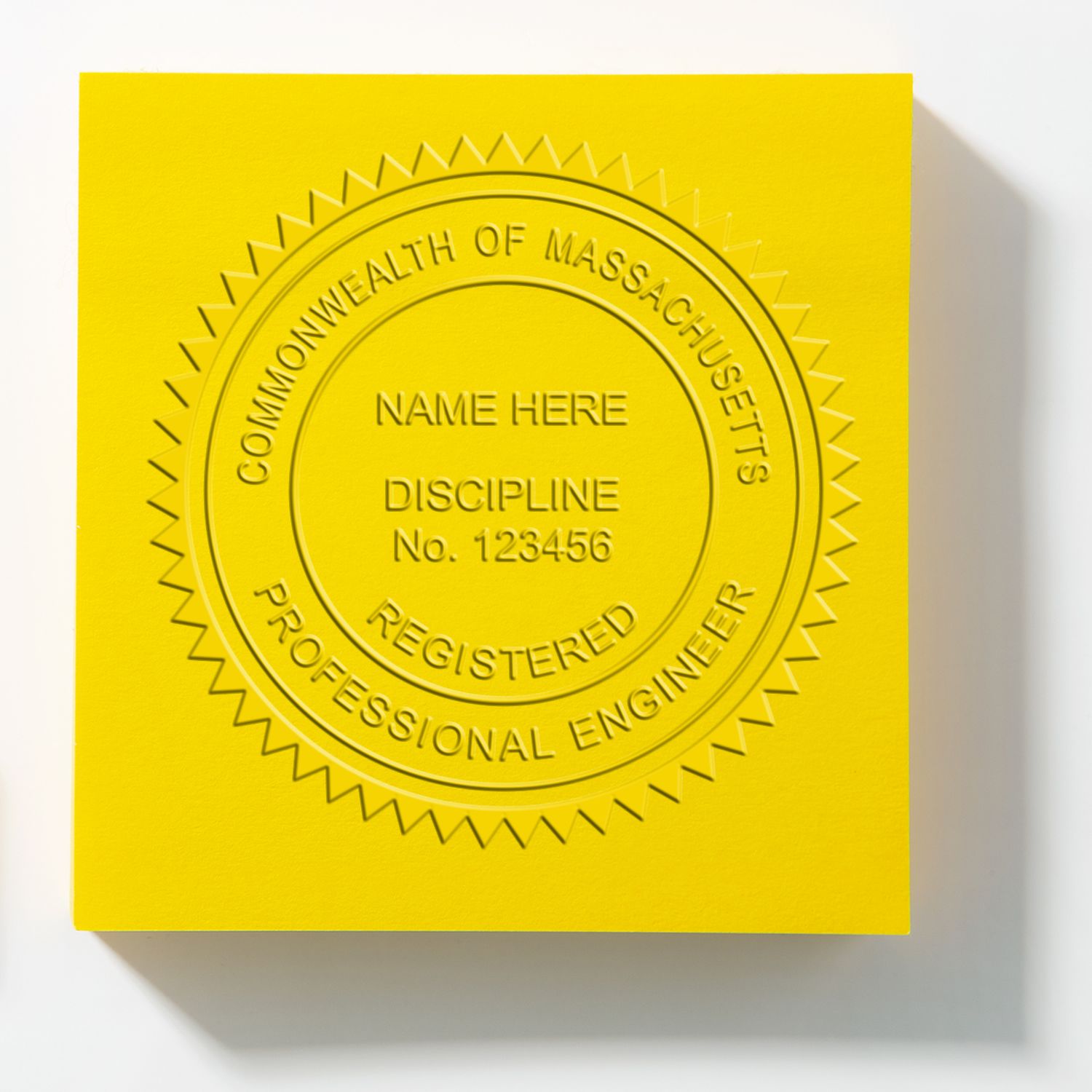
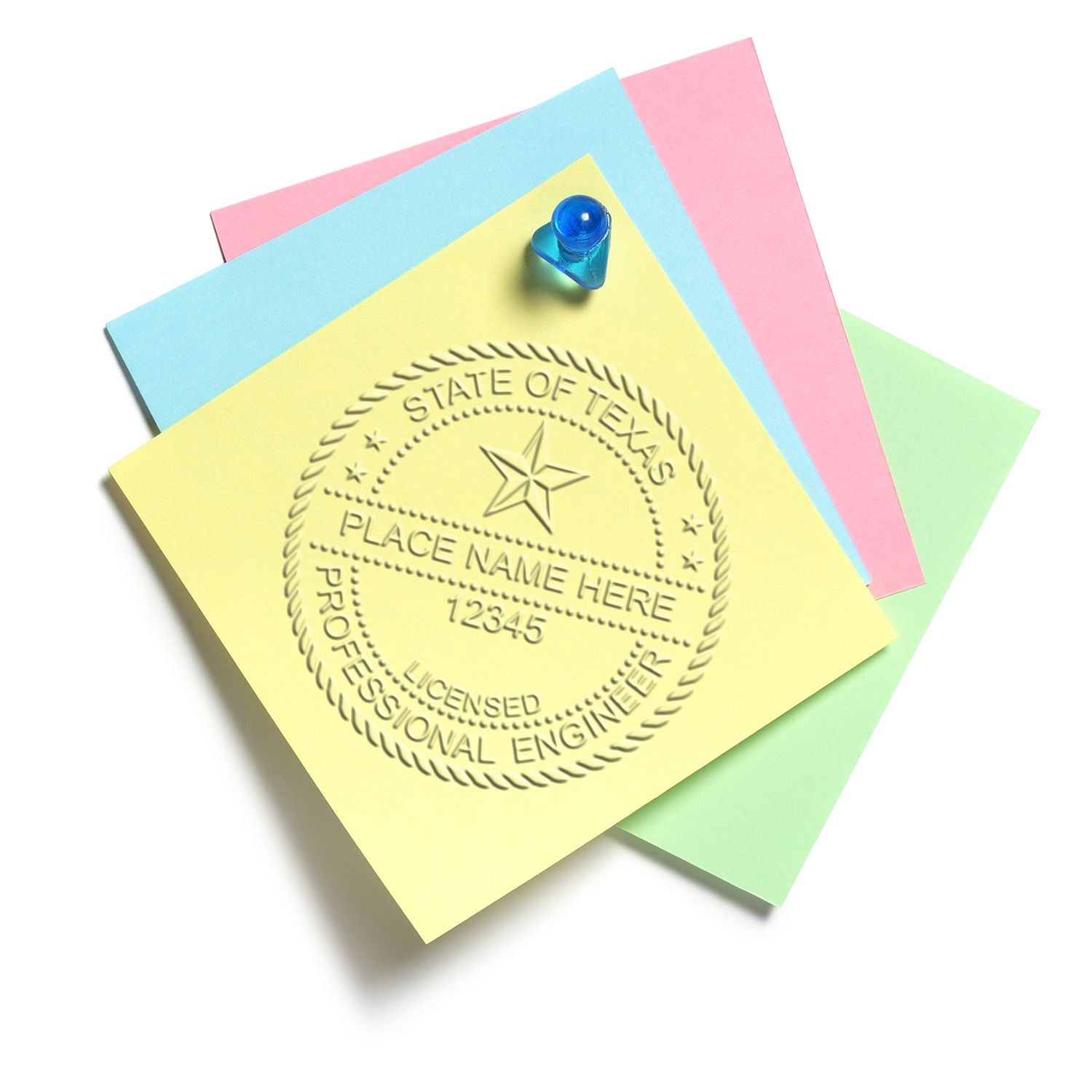
In casual conversation, “stamp” and “seal” can mean the same thing. However, some states differentiate them. A seal traditionally refers to an embossed pattern or impression on paper, whereas a stamp is more ink-based. Over the years, the lines have blurred, and you’ll often hear them used interchangeably. Electronic seals also factor in, especially if you do a lot of remote or digital plan sign-offs. Always double-check your state’s preference to ensure you’re following the right terminology.
Why states require them
You might be curious: why not just sign your name? Because engineering documents deal with public safety, from structural blueprints to complex system designs. State boards want a traceable method to confirm that a qualified professional reviewed the data. By mandating specific stamps, they enhance both legal clarity and public trust. If something goes awry, the stamp helps identify who signed off on the plan.
Review state regulations
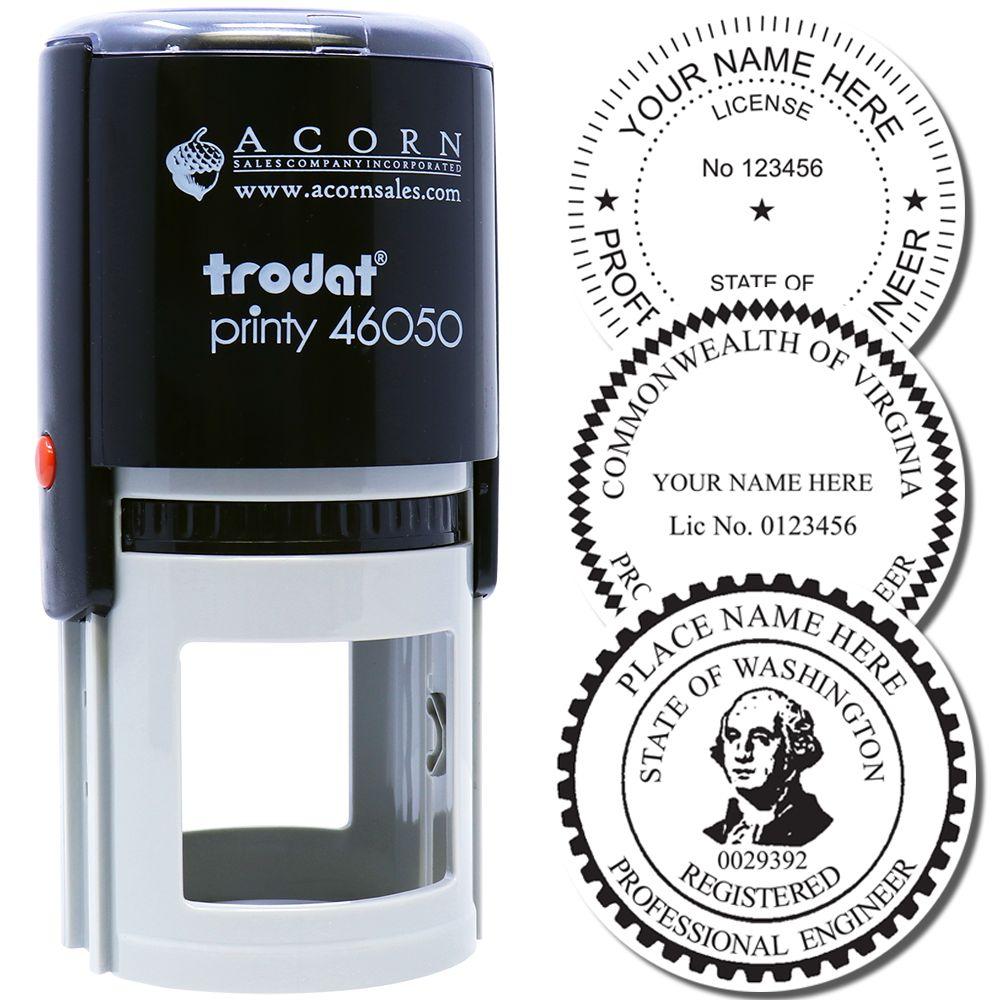
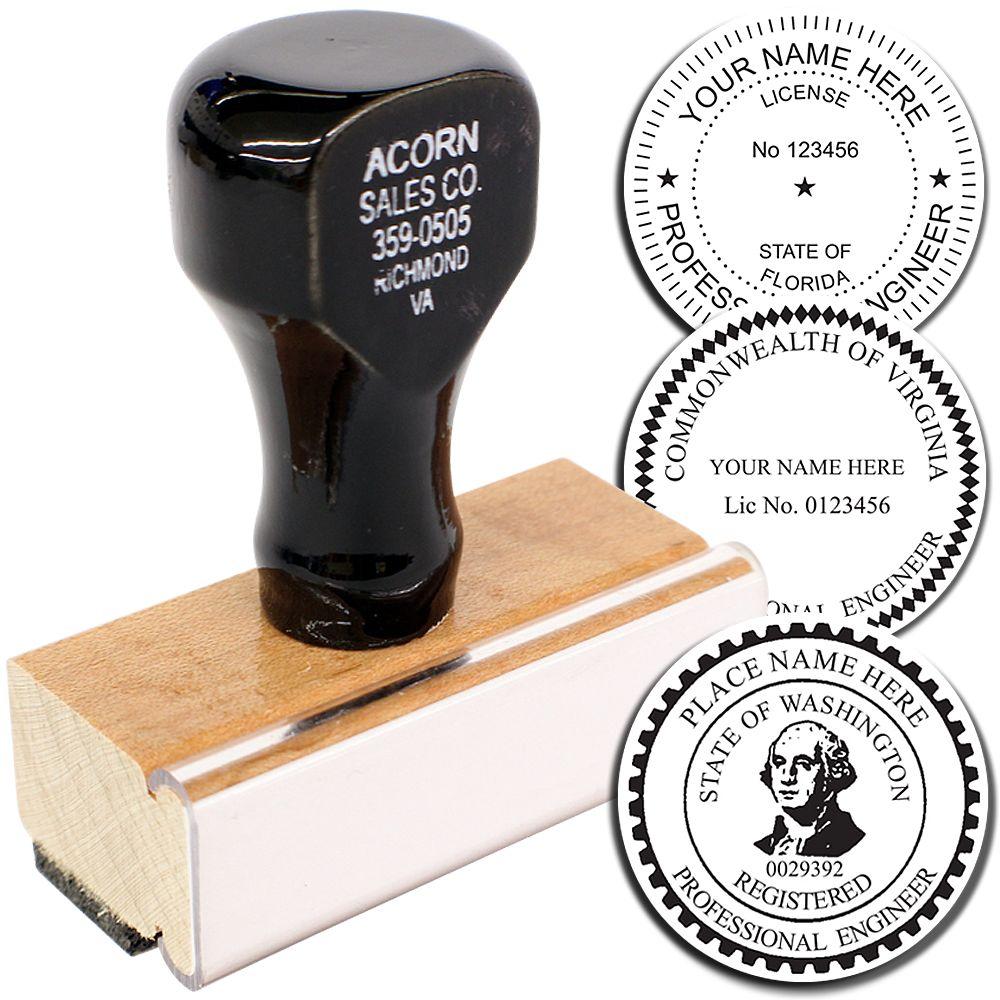
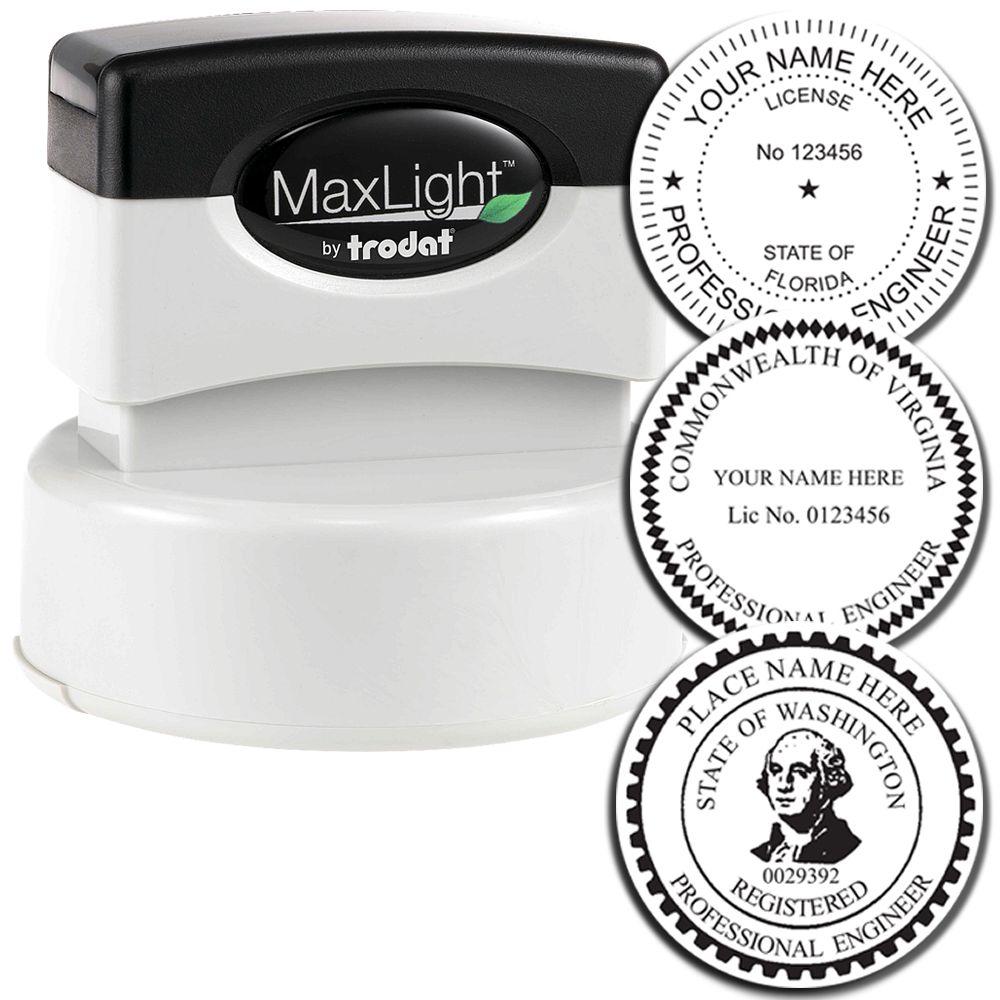
Each state enforces its own rules, and those variations can be dramatic. One jurisdiction might accept an electronic seal with an accompanying digital signature, while another wants a physical stamp with a raised seal. Some boards specify exact wording around your license number, such as “Registered Professional Engineer” or “Professional Engineer No. 12345,” along with the state name.




Understand your local board
The first step is to visit your state board of engineering website or reference your board’s documentation. Most will outline size requirements for the seal or stamp (for instance, a circle between 1.5 inches and 2 inches in diameter). You’ll also find details on mandatory text. Certain states also require a border around the circle or specific disclaimers near your name.
A quick call or email to the board can save you from purchasing the wrong tool. If you follow outdated guidelines, your documents might be rejected during a review. That’s wasted money, wasted time, and extra frustration.
Modern vs. traditional guidelines
Some states are catching up with digital workflows. If you regularly review plans in PDF, you might have an option to apply a digital seal and signature. This approach usually involves secure certificate software that ensures authenticity. But not every state allows it. Many require a wet signature (that means pen-on-paper) alongside a stamped impression. If you’re used to working online, double-check how your regulator handles electronic submissions versus print copies.
Keep renewals in mind
Once you’re set up with a state-approved stamp, you also need to track your license expiration date. Some states add an expiration date to your stamp or seal, while others leave that detail out. Either way, you’re responsible for renewing your license on time. If your license lapses, your stamp becomes invalid. Missing this step could land you in hot water if you keep certifying documents after the license expiry.
Recognize key documents
It’s important to know which documents actually need your imprint. Generally, this includes anything that qualifies as “final” or “issued for construction” under your professional oversight. In many states, this might also apply to preliminary drawings, but it can vary.
Typical documents to stamp
- Construction drawings or blueprints
- Structural calculations or specifications
- Geotechnical reports
- Electrical and mechanical system designs
- Regulatory compliance documents
Some boards say you must stamp every sheet, while others only require a seal on the cover page. The same goes for pagination. Read your state’s guidelines so you know how to handle multi-page deliverables. Stamping only the final page might work in one place, but fail in another.
When not to stamp
You don’t need to stamp every scrap of paper that crosses your desk. If you’re sketching out an idea for clarity or generating a conceptual draft that you aren’t ready to present, that’s typically not a stamp scenario. Similarly, corporate internal memos or ongoing work logs don’t require it. The main rule is to stamp any document that influences a public project, client deliverable, or official record.
Consequences of omission
Skipping the stamp might seem minor. After all, you did the design. Isn’t that enough? Not really. If a regulatory agency, client, or third-party inspector notices an unstamped final document, they can reject the entire submission. Worst case scenario, you could face disciplinary action from your licensing board. Stamps aren’t just for show, they’re the legal backbone of how engineers prove their credentials.
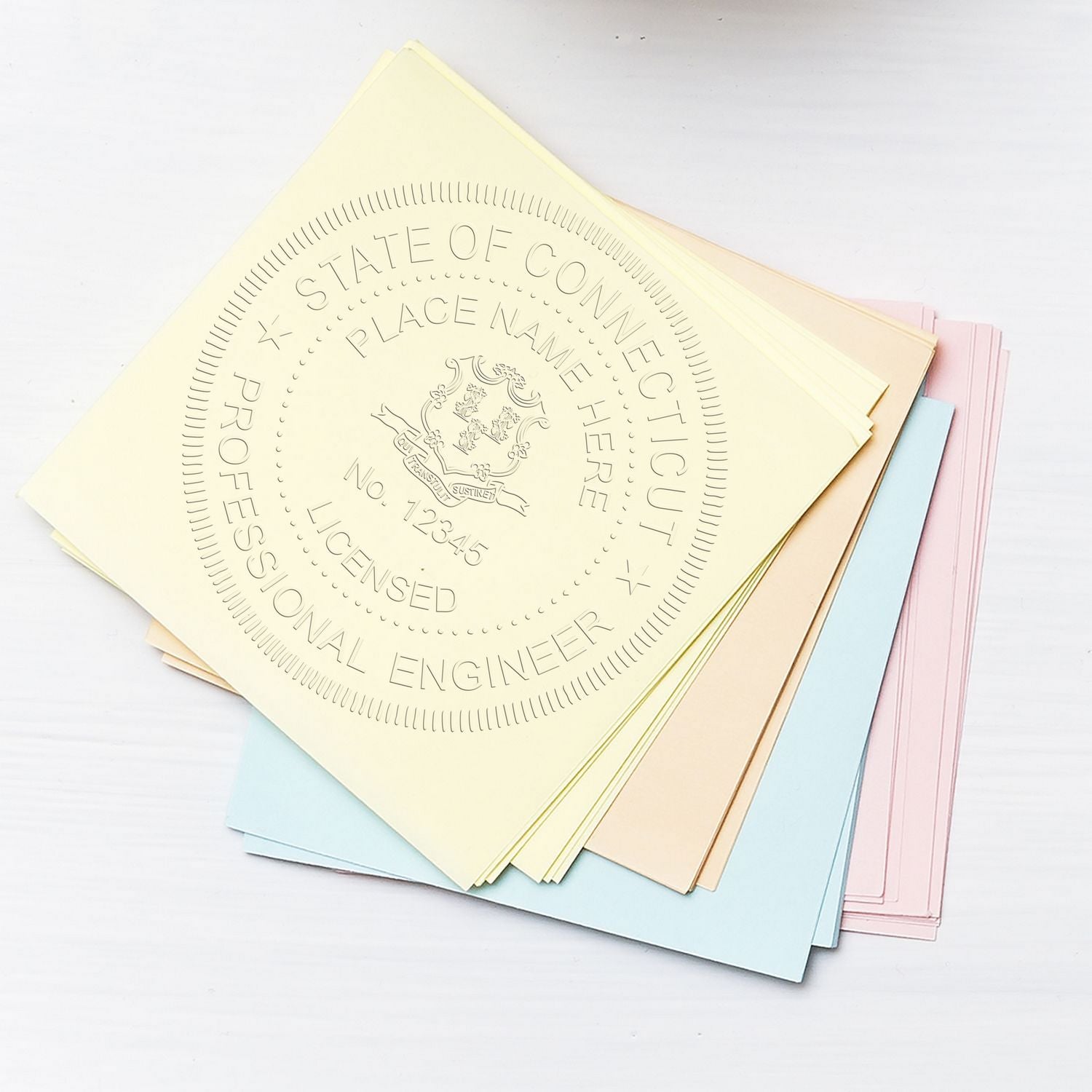
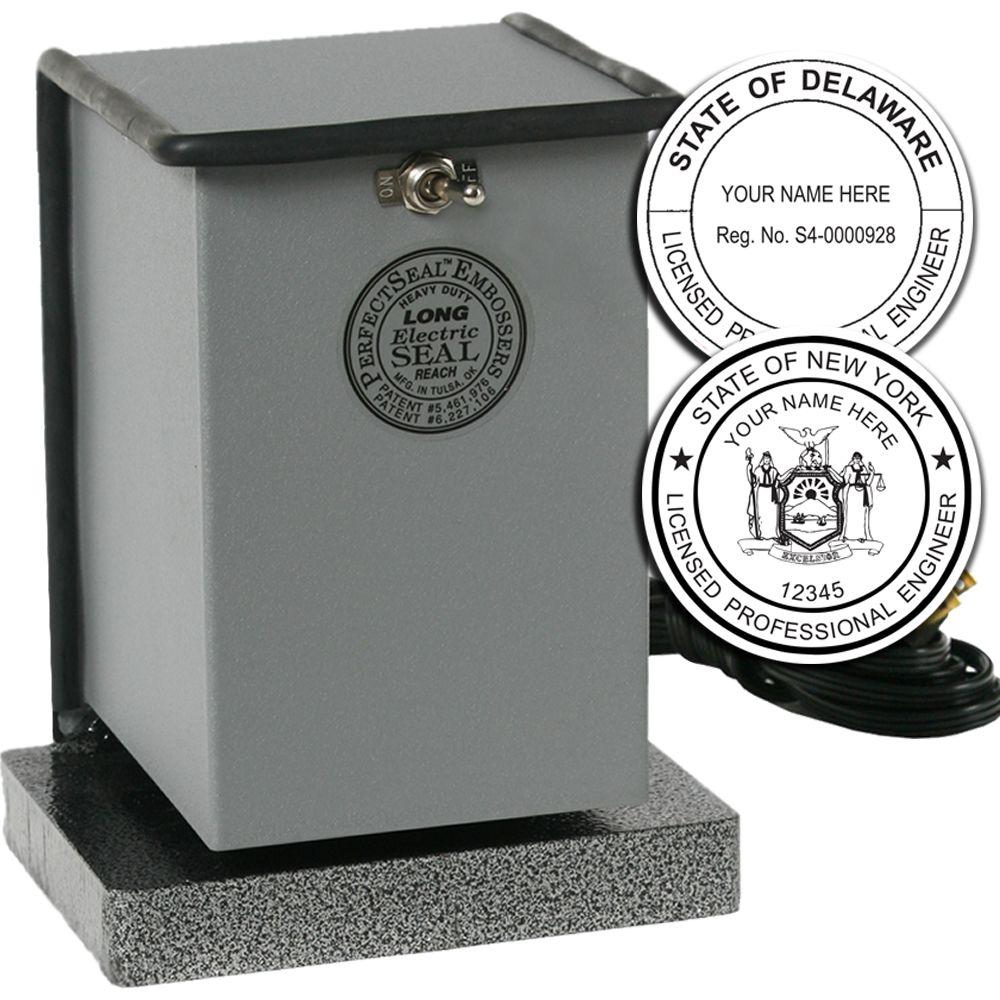
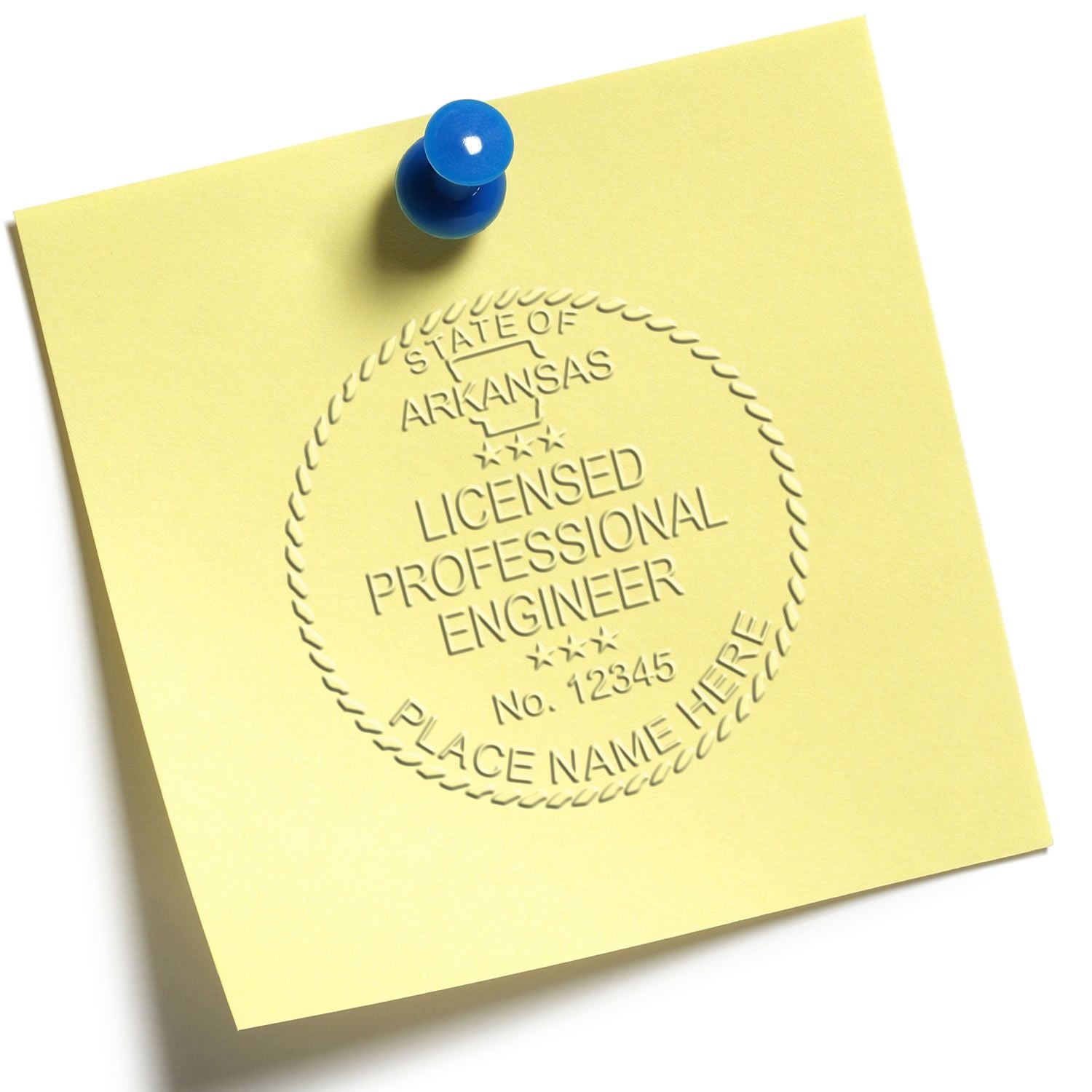
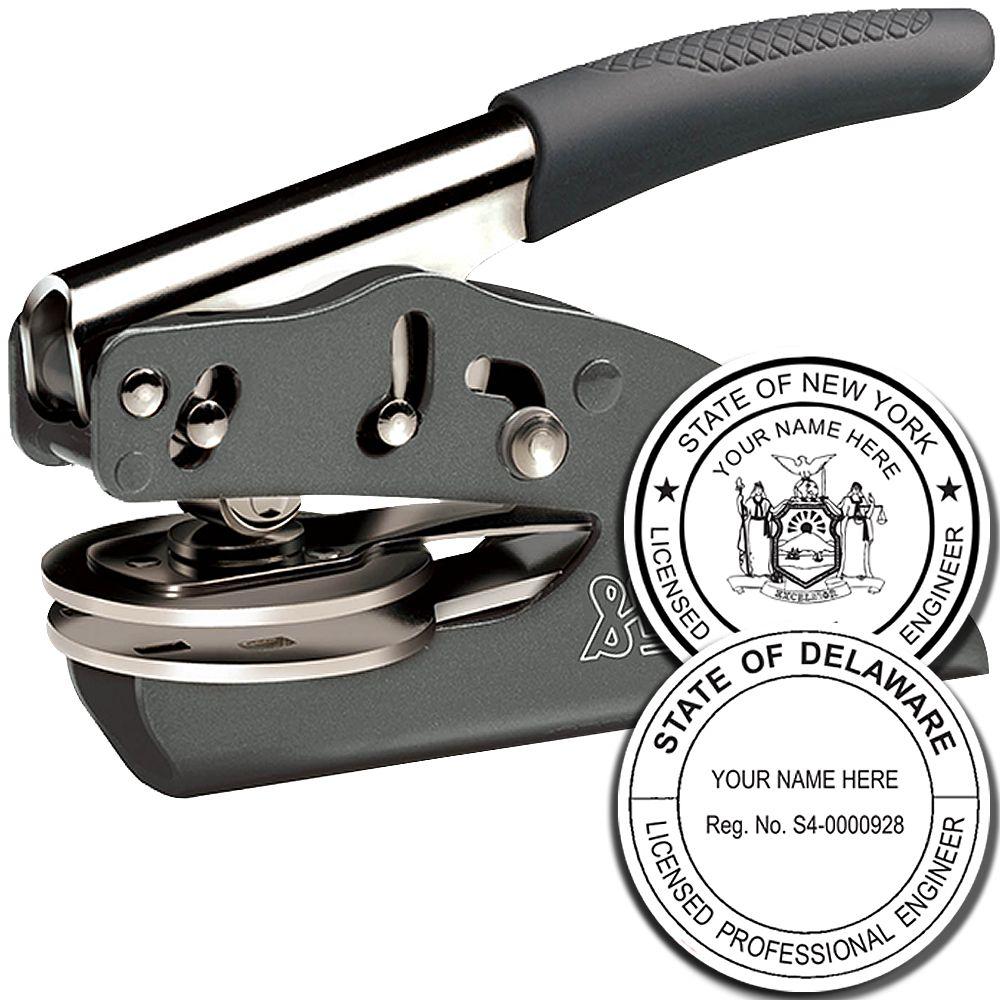
Compare stamp options
When you hear “stamp,” you might picture a rubber handle pressed into an ink pad. In engineering, you actually have multiple possibilities, whether physical or digital. Each type has pros and cons, so let’s walk through your choices.
Common stamp varieties
Below is a quick comparison of popular styles:
| Stamp Type | Key Feature | Pros | Cons |
|---|---|---|---|
| Self-inking | Built-in ink pad | Clean, simple, no separate ink pad needed | Ink eventually runs low |
| Pre-inked | Ink saturated in rubber die | Crisp impression, often more durable | |
| Traditional | Basic rubber and ink pad | Total control over ink types | Messier, requires a separate pad |
| Embosser | Raised impression in paper | Permanent mark, visually distinctive | Not always suitable for digital scanning |
| Digital Seal | Software-based file imprint | Fast for online docs, easy to share | Not universally accepted by all states |
Depending on your daily workflow, you might end up needing more than one. For instance, if you mostly file electronic submittals, a digital seal could be your go-to. But having a physical stamp or embosser can be handy when you manage printed documents.
State board demands
While you have these options, your state board might not accept them all. Some states strictly require an ink-based or embossed mark, while others are open to digital seals. Make sure the type you choose meets the board’s specs for diameter, text, and format. If you’re uncertain, call or email to confirm. You don’t want an entire project held up because you used a pre-inked stamp that’s half an inch too large.
Durability and clarity
One often overlooked aspect is how sharp the impression looks. A smudged or faint mark could be considered noncompliant, especially if the license number isn’t legible. Self-inking and pre-inked stamps tend to deliver consistent quality. Traditional rubber stamps might need a little practice to avoid a tilted or blotchy impression. For embossers, use enough pressure to ensure the raised text is easy to read.
Keep usage compliant
Using your stamp or seal is less thrilling than the actual engineering work, but it’s critical to do it right. This section covers the nuts and bolts, from proper placement to signing your name in a way that passes inspection.
Placement on documents
Most boards expect the stamp in a corner or next to your signature. If you’re stamping multiple pages, keep the location consistent. Double-check that you aren’t stamping over vital text, project drawings, or barcodes. The point is to show your seal clearly, not obscure your design. For digital files, place the seal so that it overlaps the sheet in a visually coherent spot without blocking key information.
Signature requirements
In many states, the stamp alone isn’t enough. You have to sign (and sometimes date) the document. The logic is that a wet or digital signature adds a personal commitment. Think of the stamp as your official credentials and the signature as your personal promise of authenticity. Some boards want these side by side, while others permit you to sign over the seal itself. Just make sure your signature remains legible.

Storage and security
As a licensed PE, you’re responsible for keeping your stamp secure. It’s not something you leave in a desk drawer where anyone can grab it. If you share office space, consider a locked cabinet or personal safe. The same goes for your digital seal, which should be protected by a durable password or encryption key. Letting anyone else use it is illegal in most jurisdictions, not merely discouraged.
Identify common pitfalls
Mistakes with your professional engineer stamp can cost you time, money, and even your license. Some missteps might look trivial, but they can cause big issues down the line.
Letting others use your stamp
Under no circumstances should you let a coworker or subordinate apply your stamp to official documents if you haven’t personally reviewed them. That’s a fast track to an ethics complaint. The stamp signals you’ve thoroughly vetted the design. If you haven’t, or if someone else used it without your knowledge, you could bear liability for errors you never even saw.
Forgetting to renew
It’s easy to lose track of your license renewal date, especially with day-to-day project demands. However, stamping documents with an expired license can lead to severe penalties. Some states will have you pay a steep fine or require remedial steps. Worst case, you might have to retake the licensing exam if your credentials lapse beyond a certain period. Mark your calendar or set an alert to avoid that hassle.
Overstamping or under-stamping
Occasionally, an engineer might stamp multiple revisions without clarifying which set is final. This can cause confusion in the field. On the flip side, you might present “final” documents that actually aren’t sealed. In both cases, you invite potential project slowdowns and scrutiny from regulators. Keep a clear record of which documents are truly stamped for official use.
Unreadable impressions
If your stamped mark is blurry, incomplete, or otherwise unreadable, the reviewing agency can reject it. Make test impressions periodically to ensure everything is crisp. If you see distortions, replace the stamp head. Precise data is key: your name, license number, and any required state text must show up clearly.
Purchase from Acorn Sales
When you’re ready to buy or update your device, look for a partner who understands your field. An off-the-shelf product that doesn’t address local guidelines leaves you vulnerable to compliance issues. That’s why Acorn Sales focuses on professional seals and stamps that fit engineering requirements across all states. You’ll find variety, quality, and a commitment to the details that matter.
Our sales advantage
At Acorn Sales, we offer free digital seals and a quick turnaround time to keep your projects moving forward. You get the reassurance of our state board guarantee, meaning all professional seals meet state requirements. If you run into a snag after purchase, contact us and we’ll help you resolve it promptly. You shouldn’t have to stress over whether your stamp will pass muster with your local board.
- Free digital seals included with most orders
- Speedy processing and delivery
- Expert guidance on state-specific texts and sizes
- State board guarantee on all professional engineer stamps
We understand that time is critical for engineers. When a plan is due, you don’t have weeks to wait for a new stamp. That’s why we work to produce your seal quickly, so you can get back to drafting, reviewing, or overseeing projects without delay.
One-stop shop for every format
Some of you might need a traditional embosser, while others want a slick self-inking device. Perhaps you rely heavily on PDF submittals and need a digital seal. Whatever your workflow, our product lineup is designed to accommodate it. We also encourage you to check out our professional engineer stamp page for more specifics on the stamps available for your state.
Guidance and updates
If you aren’t sure which style suits your needs, drop us a line. Our team stays updated on the shifting rules in various states. If your local board endorses digital stamping but still wants a physical impression for certain documents, we’ll help you figure out the correct combination. We also periodically release tips on how to store your stamp, renew your license, and keep your device in top shape.
Wrap it all up
You’ve got a lot on your plate as a PE, and keeping up with professional engineer stamp requirements might feel like another item on a crowded to-do list. But it’s not optional. In many ways, the stamp is the legal handshake that asserts you are who you claim to be, and that the project meets recognized standards of practice.
- Always check your state’s board rules
- Know exactly which documents need stamping
- Choose the right stamp (ink, embosser, or digital)
- Sign, date, and store it securely
- Guard against common mistakes like unstamped final plans or license lapses
Take these steps, and you’ll avoid regulatory headaches while projecting a sense of professionalism. When you’re ready to update or replace your current stamp, consider Acorn Sales to get the correct style for your location. We handle the heavy lifting of compliance, so you can concentrate on solving engineering challenges.
Now that you’re armed with the facts, it’s a good idea to double-check your documents and your current seal’s expiration date. If you spot any gaps, take action right away. By staying proactive, you’ll save yourself from frantic last-minute scrambles or unpleasant surprises. Got any questions about your specific stamping scenario? Reach out to your state board for a final confirmation, or talk to us at Acorn Sales. After all, a well-placed engineer stamp is your professional signature on the world.
Frequently Asked Questions
What are the professional engineer stamp requirements in my state?
Professional engineer stamp requirements vary by state, so the first step is always to check your state engineering board’s rules for stamp size, wording, format, signature, and whether a physical or digital seal is allowed.
What documents need a professional engineer stamp or seal?
In most cases, final construction drawings, structural calculations, specifications, geotechnical reports, electrical and mechanical designs, and compliance documents may require a PE stamp, but requirements differ by state and project type.
How does a difference between a professional engineer stamp and a seal? Work?
Some states use the terms stamp and seal interchangeably, while others distinguish between them. A stamp is usually ink-based, while a seal may refer to an embossed or digital impression used to authenticate engineering documents.
Are digital professional engineer seals accepted by all states?
No, digital PE seals are not accepted everywhere. Some state boards allow electronic seals with a digital signature, while others still require a wet signature, physical stamp, or embossed seal, so you should verify local regulations before submitting plans.
Can someone else use my professional engineer stamp?
No, your PE stamp should only be used by you after you have personally reviewed and approved the work. Allowing someone else to use it can create liability issues, compliance problems, and potential disciplinary action from your licensing board.
Why does it matter if I submit engineering documents without the required stamp?
Unstamped final documents can be rejected by regulators, delayed by reviewers, or flagged for noncompliance. In some cases, failing to stamp required documents can also lead to fines, board complaints, or other licensing consequences.








