
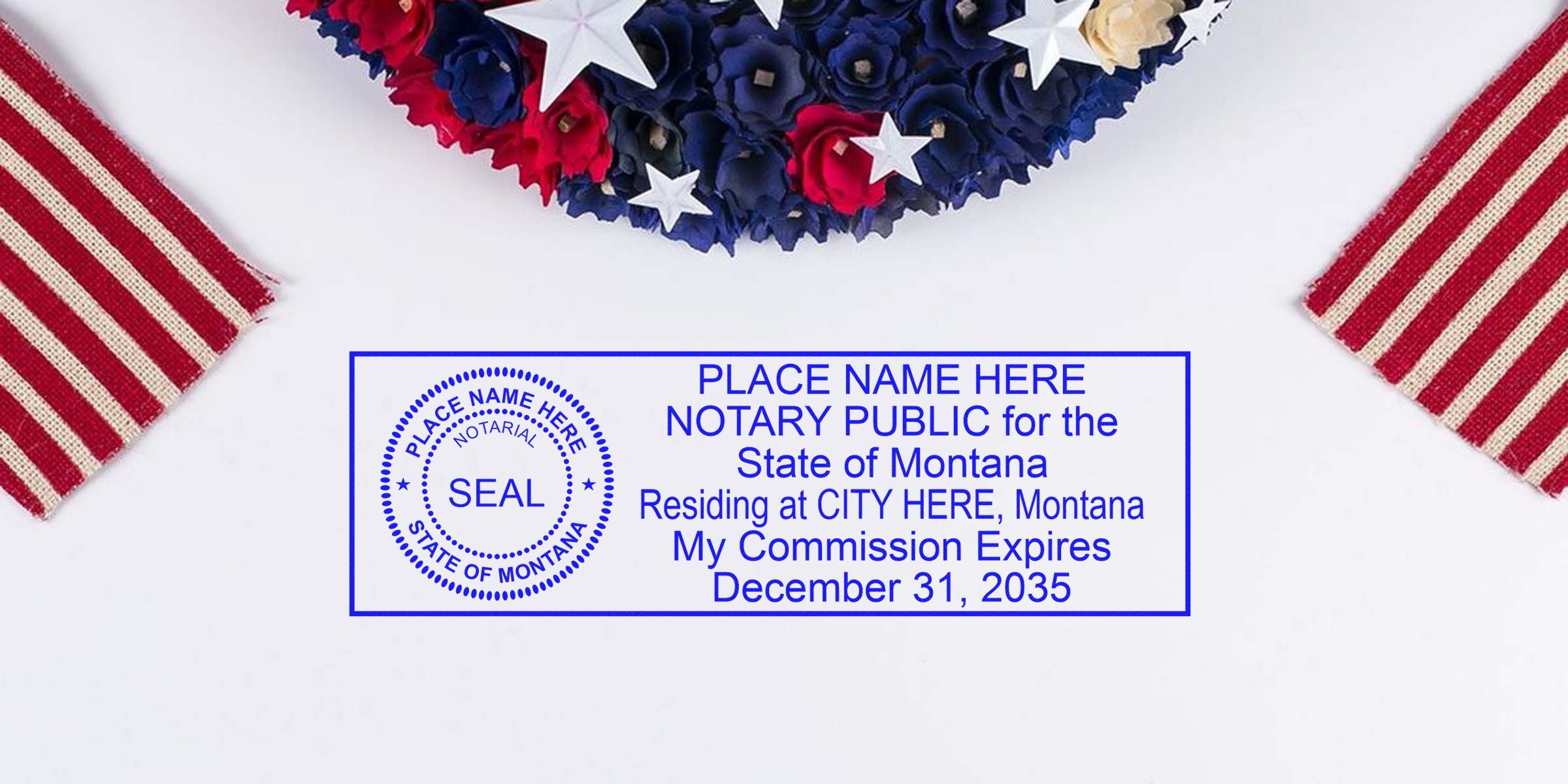
If you’re exploring ways to serve your community, you might be thinking about how to become a notary in Montana. Notaries help ensure important documents are handled properly and legally. The process can feel a bit confusing, but with a few clear steps (and the right supplies), you can earn your commission and start contributing to your neighbors’ needs in no time.
Understand notary basics
Before diving into paperwork, it helps to know what you’ll be doing as a notary. Essentially, you verify identities and witness signatures to confirm that someone is signing a document willingly and with proper awareness. It’s a role that requires integrity, consistency, and a good dose of organization.
Key notary duties
- Confirm signer identities by checking valid IDs.
- Witness signatures on critical documents (like wills and affidavits).
- Keep accurate records in a notary journal for reference.
Check the requirements
Every state has specific rules. In Montana, you typically need to be at least 18, live or work in the state, and meet the minimum educational requirements. Double-check the Montana Secretary of State’s website to confirm all eligibility guidelines. This way, you’ll know up front that you’re on the right track to getting commissioned.
Typical Montana prerequisites
- Be at least 18 years old.
- Either a Montana resident or employed in Montana.
- No felony convictions or history of notary violations.
Complete the application
Once you confirm your eligibility, you can fill out and submit your formal application. Montana’s application process may involve proof of notarial training, a filing fee, and a bond. Be ready to provide the required documentation, and consider bookmarking the Secretary of State’s site to track any updates.
Tips for a smooth submission
- Gather necessary IDs and documents in advance.
- Pay attention to application deadlines or fees.
- Keep copies of everything, just in case you need them later.
Obtain your notary supplies
After you’re approved, you’ll be ready to purchase your notary stamp and seal. That’s where Acorn Sales comes in. We’ve been a trusted stamp and seal maker for over 60 years, offering quick turnaround times and compliant seals that meet Montana’s regulations. If you prefer a one-stop shop, visit montana notary supplies to find the exact items you need to get up and running.
Smart supply choices
- Invest in a high-quality embosser or ink stamp that meets state standards.
- Keep an official notary journal for recording each notarization.
- Order extra ink or additional supplies to avoid running out.
Maintain your commission
Becoming a notary is one thing, staying current is another. You’ll need to stay on top of renewal dates and any continuing education requirements set by Montana. Mark key dates on your calendar or set a digital reminder so you won’t risk a lapse.
Simple ways to keep current
- Check Montana’s notary regulations at least once a year.
- Renew your bond and other documents before they expire.
- Keep your journal updated for every transaction.
You can purchase them through Acorn Sales, a longtime provider of reliable and compliant montana notary supplies. With over 60 years of experience in stamping and sealing, we make sure you have everything to fulfill your notarial duties.
Ready to help your neighbors and local businesses? Becoming a notary in Montana is a straightforward journey once you know the essentials. From confirming your eligibility to choosing the right notary stamp, every step matters. With trusted supplies from Acorn Sales and a bit of preparation, you’ll be set to serve your community with confidence and clarity.
Frequently Asked Questions
How long does it take to get approved?
Approval times vary but generally can take a few weeks. After you complete the required steps, the Secretary of State needs time to process your application.
Do I really need a notary bond?
Yes. A notary bond is a form of protection that covers potential errors or omissions. It’s a requirement for Montana notaries, so be sure to factor that cost into your budget.
What’s the difference between a stamp and an embosser?
They both provide an official mark, but a stamp uses ink while an embosser leaves a raised impression. Montana typically allows either, as long as it contains the necessary information like your name, commission number, and the words “Notary Public.”
Can I notarize documents from other states?
Yes, you can usually notarize documents for out-of-state purposes if you’re performing the notarization in Montana and following Montana’s laws. Always confirm that the receiving party will accept a Montana notarization.
How do I renew my commission?
Renewal is similar to your initial process. You’ll fill out a renewal application, pay the fee, and maintain an active bond. Keep track of your commission’s expiration date to avoid any lapses in coverage.








