
Written by Acorn Sales Company, manufacturing stamps and seals since 1964 · Reviewed by Holly R, VP of Sales and Marketing at Acorn Sales, against the Pennsylvania State Architects Licensure Board and 49 Pa. Code § 9.141 on 21 September 2026 · Updated 21 September 2026
Pennsylvania lets an architecture firm carry one seal for several architects. Almost every seal rule in the country insists the device name exactly one person. Section 9.143(b) is the exception: “A seal or stamp combining the names of a number of architects in a firm may be used in lieu of individual seals or stamps, if the names of the individual licensees, their license numbers and the legend ‘Architects’ appear on the combined seal or stamp, and the members of the firm are licensed to practice architecture in this Commonwealth.” If any member is not licensed by the Board, the individual architect professionally responsible for the firm’s Pennsylvania work uses a personal seal on that work, and section 9.143(d) preserves each named architect’s responsibilities regardless.
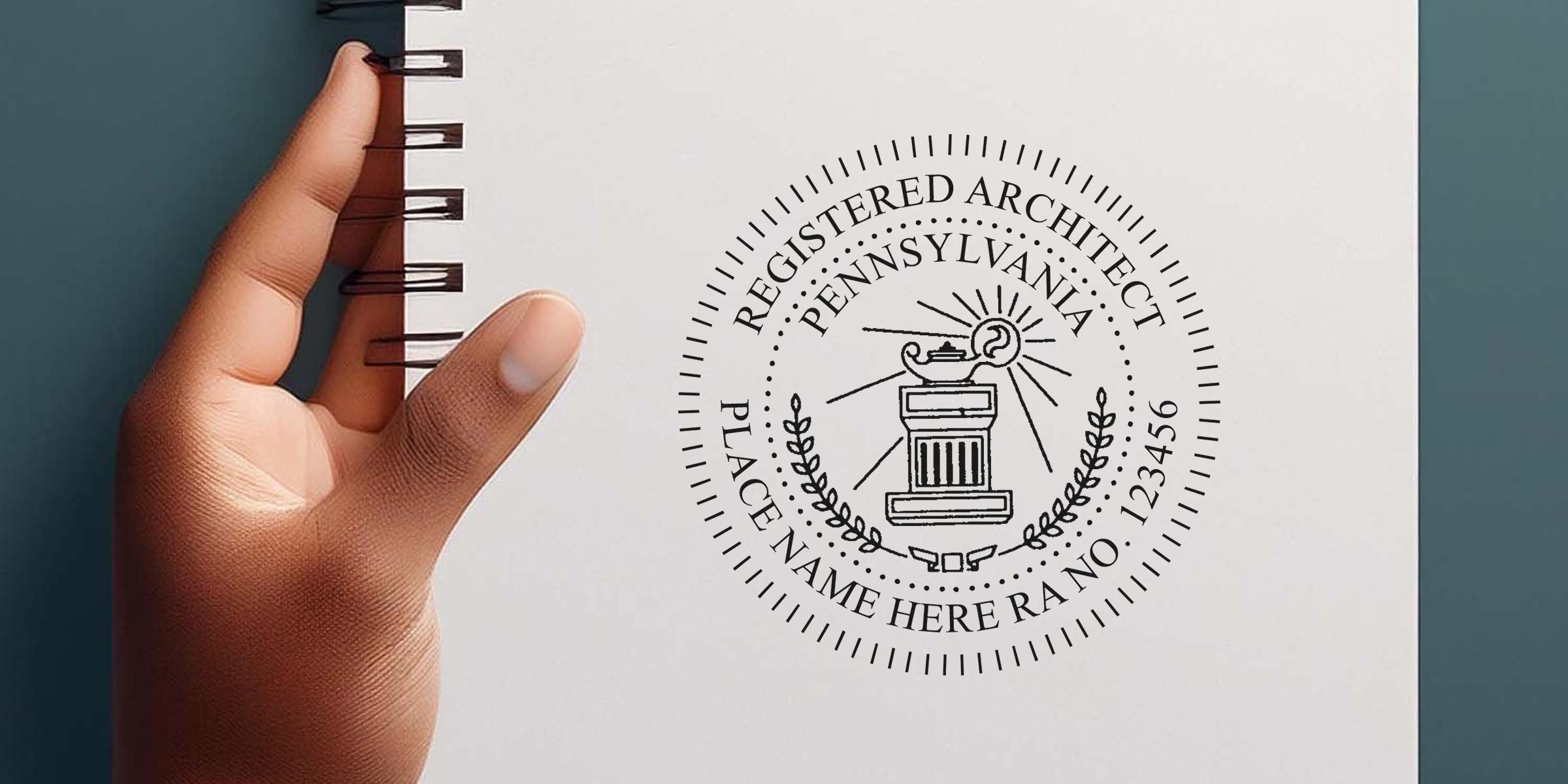
The individual device carries the legend Registered Architect, your name as licensed, your license number and a reference to the Commonwealth of Pennsylvania. Section 9.143(a) closes the rest: “A licensee may not design his own seal or stamp except as provided in this chapter.”
Chapter 9 never states a diameter. A word search of the whole chapter returns no occurrence of the word. The engineers, land surveyors and geologists a few chapters away are pinned to 1 3/4 inch by section 37.58(c), with a 1 1/2 inch pocket allowance, so a supplier quoting that figure as the Pennsylvania architect requirement is stating something the Code does not say.
Pennsylvania architect seal requirements at a glance
| Requirement | Pennsylvania rule | Source |
|---|---|---|
| Seal required | Yes | 49 Pa. Code § 9.141 |
| Required elements | The legend Registered Architect, Your name as licensed, Your license number and A reference to the Commonwealth of Pennsylvania | 49 Pa. Code § 9.141(a) |
| Size and shape | Not addressed. Chapter 9 prescribes the legend and the contents but states no diameter anywhere. A word search of the whole chapter, from section 9.1 through the architect’s seal sections 9.140 to 9.146 and on to. | 49 Pa. Code ch. 9 (silent on diameter) |
| Device allowed | Metal seal, stamp design or digital seal, in any combination. | 49 Pa. Code §§ 9.141(a), (b)(2), 9.143(c) |
| Signature and date | Signing across the seal is permitted, and one element is protected. | 49 Pa. Code § 9.141(b)(3), (5) |
| What must be sealed | Final or complete architectural documents, in the same two situations the engineering chapter uses: issued to a client for the client’s records, or submitted to public or governmental agencies for final review, under section 9.141(b)(2). | 49 Pa. Code §§ 9.141(b)(1), (2), 9.142 |
| Electronic seal | Section 9.141a sets parallel tests for the digital signature and the digital seal. | 49 Pa. Code § 9.141a |
| Renewal and lapse | Pennsylvania takes the device back. | 49 Pa. Code §§ 9.3, 9.142(a), 9.145, 9.146 |
| Firm requirements | Pennsylvania registers architecture firms, and it lets a firm share one seal. | 49 Pa. Code §§ 9.3, 9.143(b), (d) |
| Regulator | The Pennsylvania State Architects Licensure Board | Architects Licensure Law, 63 P.S. §§ 34.5(a), 34.6(a) to (d), 34.8(b) and (c), 34.10(b), 34.11(a), 34.12(a) and (c), 34.13(h) and 34.14, cited as the authority for the seal sections |



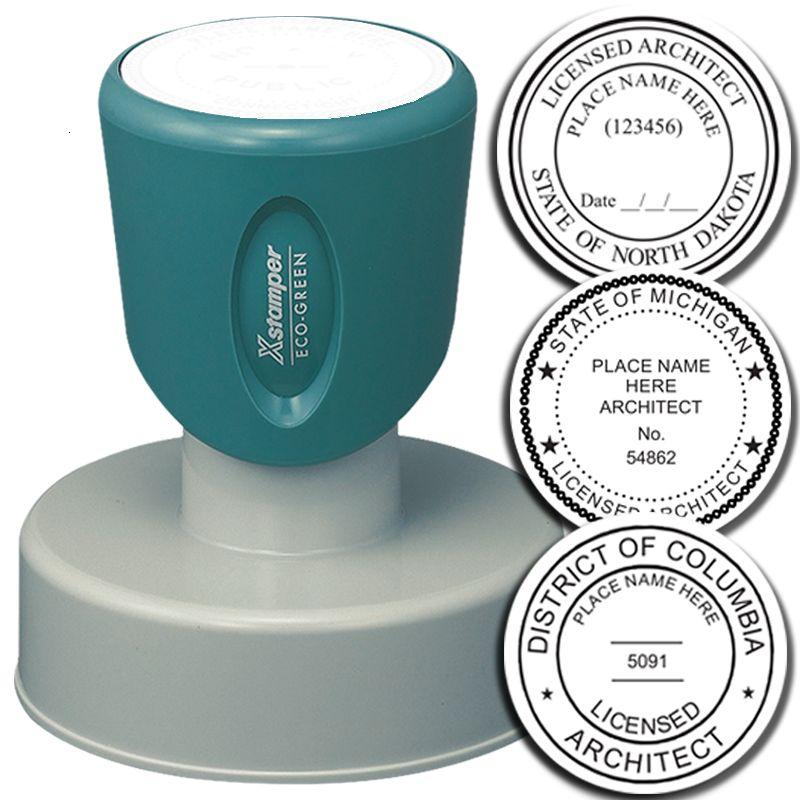

Is a seal required in Pennsylvania?
49 Pa. Code section 9.141(a) states the duty at the moment of licensure: “A licensee shall, upon licensure, obtain a seal, of the identical design authorized by the Board, bearing the licensee’s name and license number and the legend, ‘Registered Architect’ together with a reference to the Commonwealth of Pennsylvania. A stamp design or digital seal identical to the prescribed seal may be obtained and used in lieu of or in conjunction with, a metal seal.” Section 9.141(b)(2) supplies the trigger: when an architect issues final or complete architectural documents to a client for the client’s records, or submits them to public or governmental agencies for final review, the seal and signature of the architect who prepared or personally supervised the work go on the document, with facsimile or digital seals on all subsequent pages of architectural documents.
What must appear on the seal
- The legend Registered Architect
- Your name as licensed
- Your license number
- A reference to the Commonwealth of Pennsylvania
One striking option exists here that has no counterpart in the engineering chapter. Section 9.143(b) permits a combined firm seal: “A seal or stamp combining the names of a number of architects in a firm may be used in lieu of individual seals or stamps, if the names of the individual licensees, their license numbers and the legend ‘Architects’ appear on the combined seal or stamp, and the members of the firm are licensed to practice architecture in this Commonwealth.” If one or more members of the firm are not licensed by the Board, the individual architect professionally responsible for the firm’s work in Pennsylvania must use that architect’s individual seal on that work, and section 9.143(d) preserves each named architect’s responsibilities regardless. Otherwise the design is closed: section 9.143(a) provides that “A licensee may not design his own seal or stamp except as provided in this chapter,” and section 9.143(c) allows a reproduction of a stamp identical to the prescribed stamp.
Size and shape
Not addressed. Chapter 9 prescribes the legend and the contents but states no diameter anywhere. A word search of the whole chapter, from section 9.1 through the architect’s seal sections 9.140 to 9.146 and on to the conduct sections, returns no occurrence of the word diameter. That is a real divergence inside Pennsylvania: the engineers, land surveyors and geologists next door are fixed at 1 3/4 inch by 49 Pa. Code section 37.58(c), with a 1 1/2 inch pocket allowance, while architects have no stated size at all.

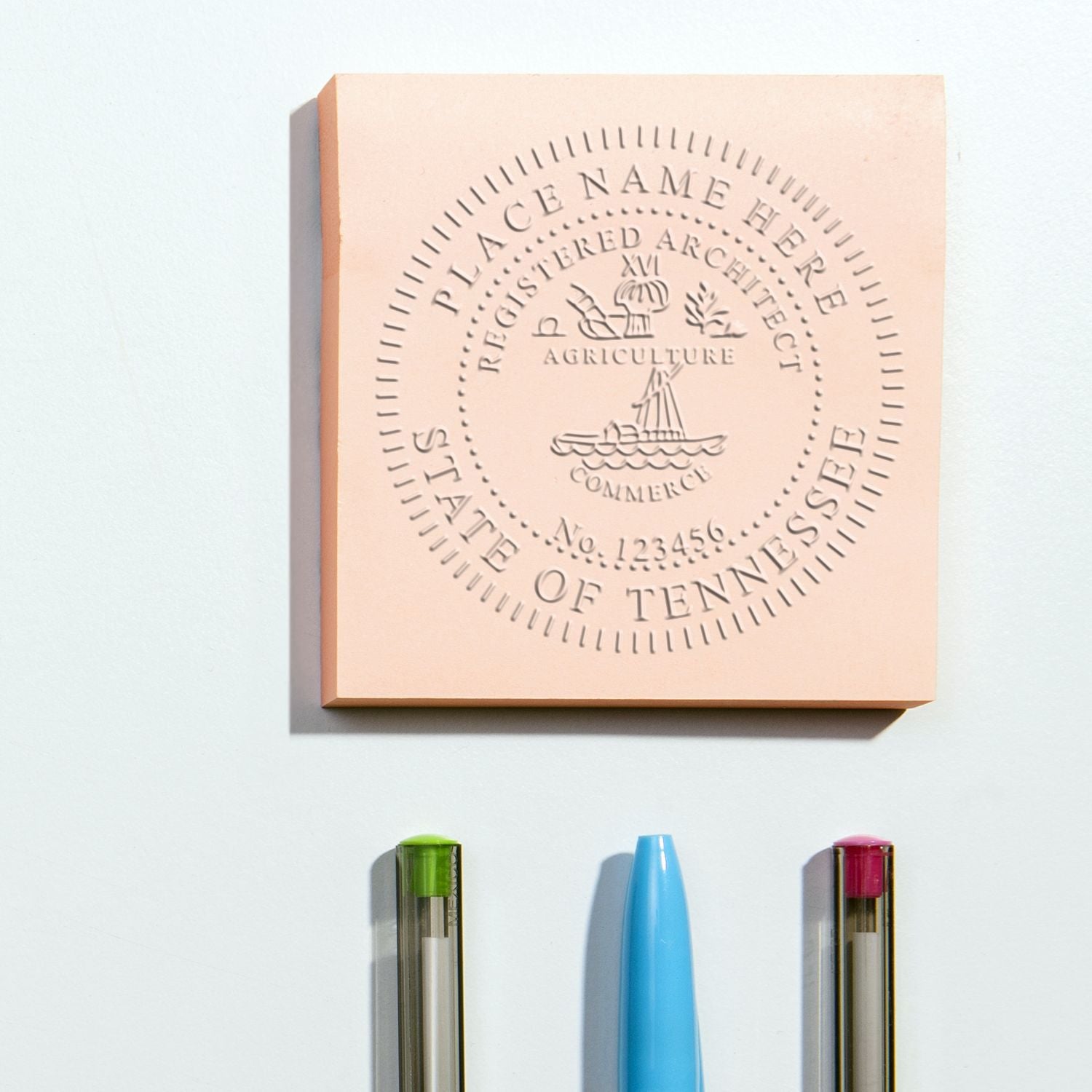
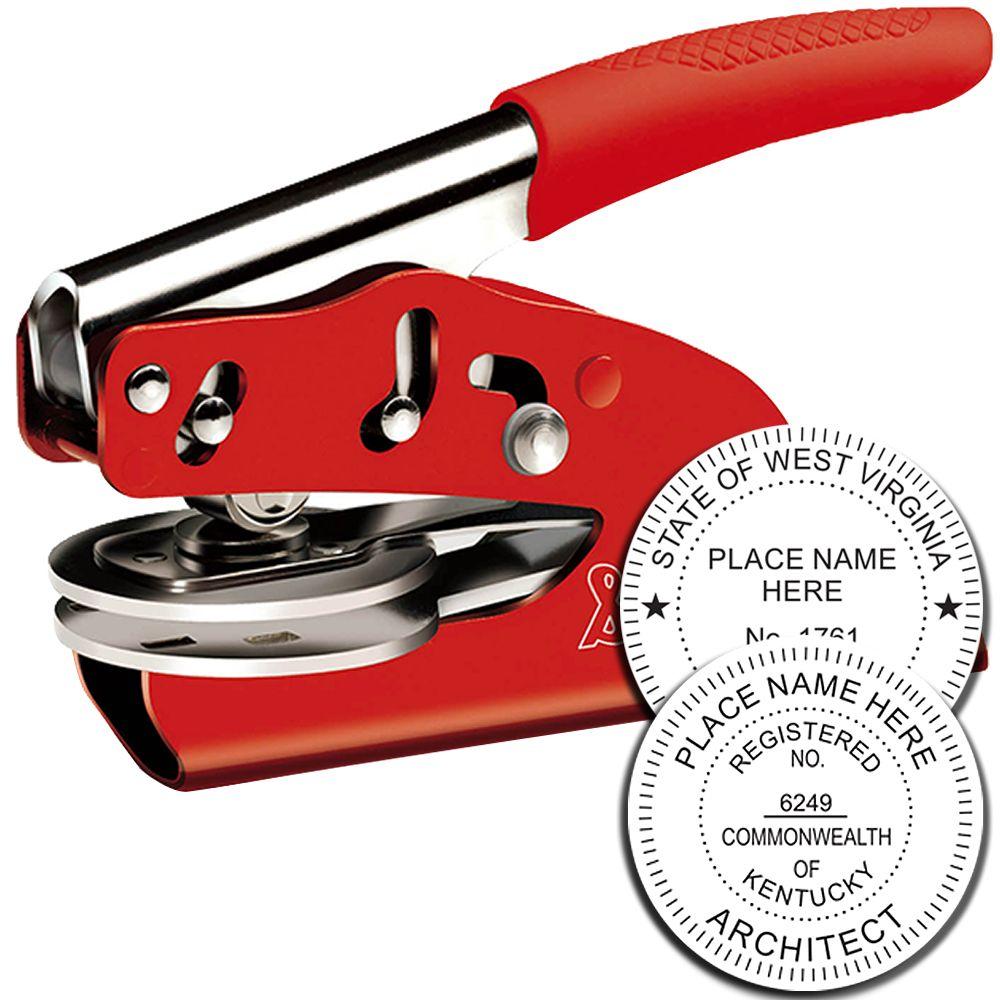
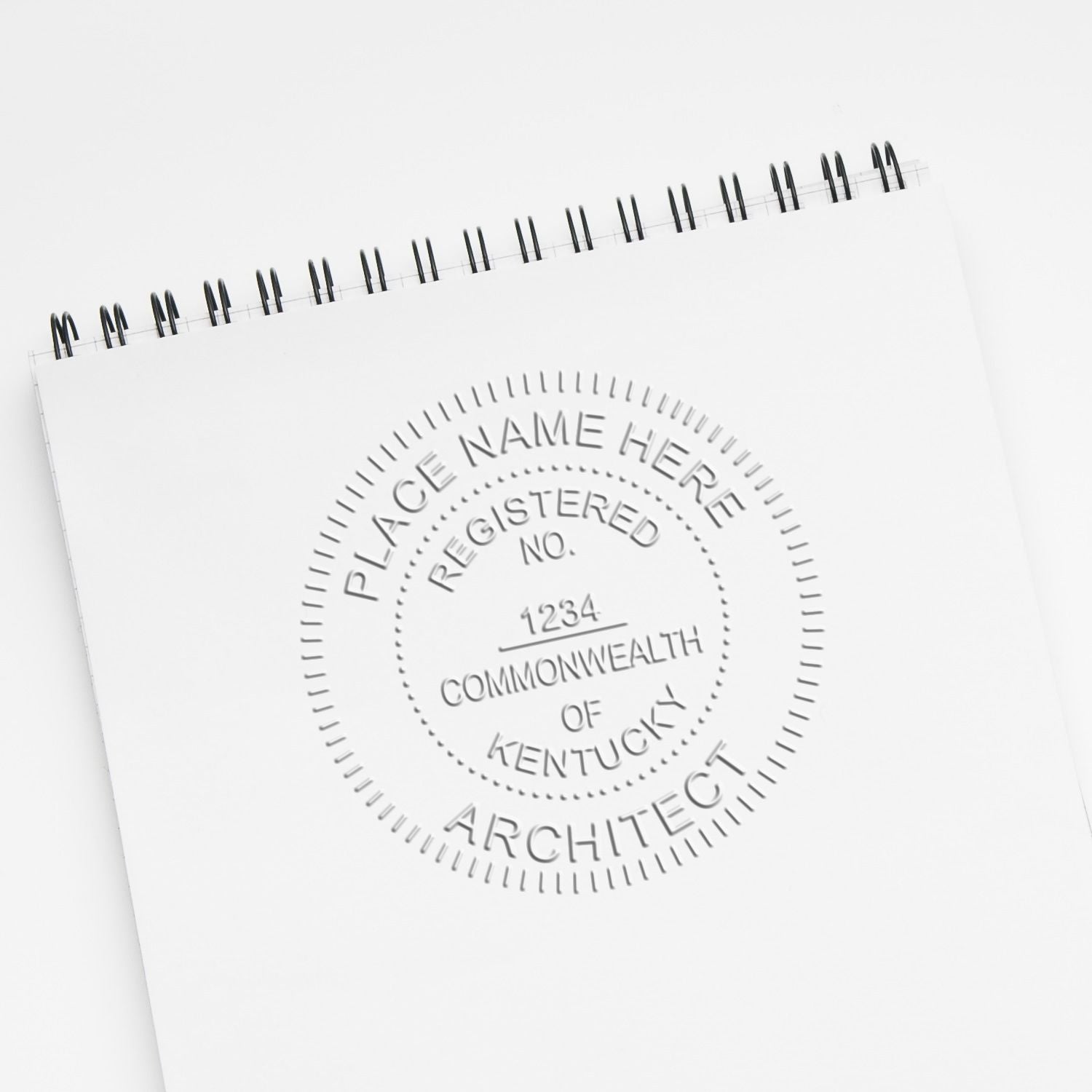

Embosser, rubber stamp or digital
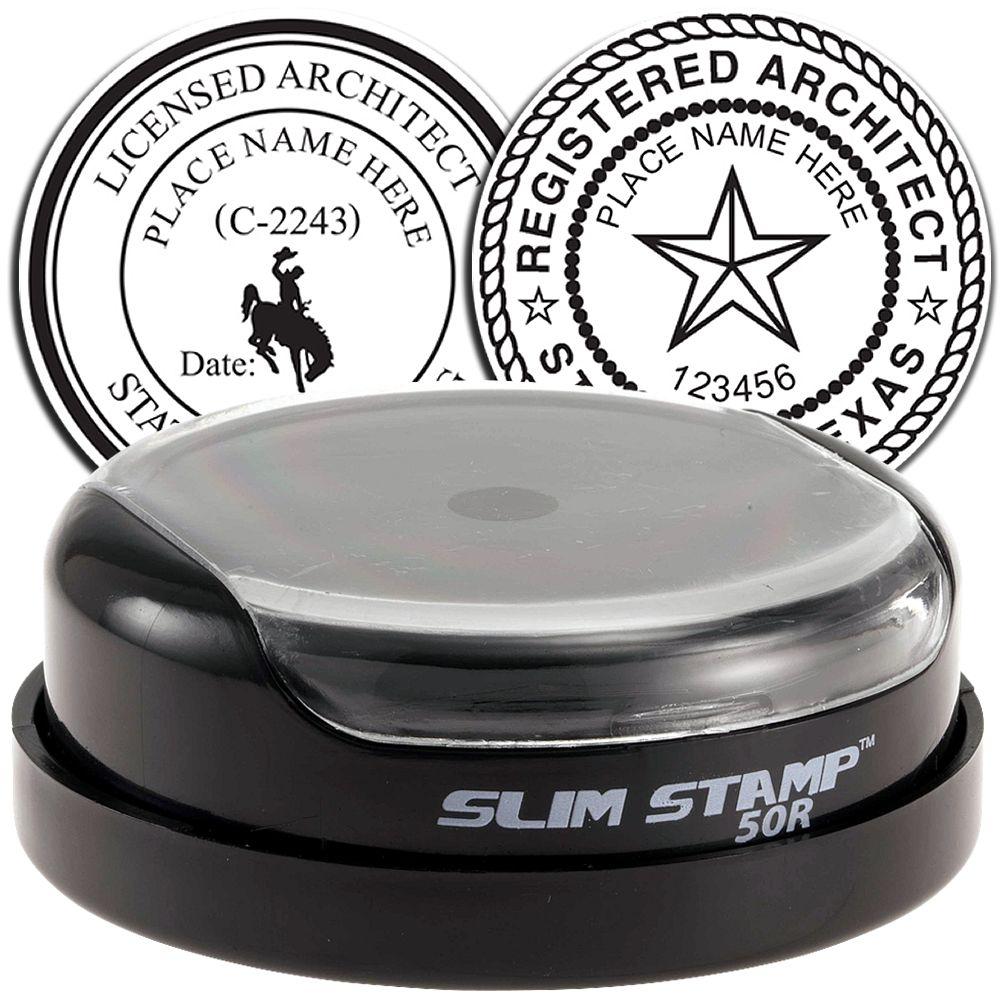
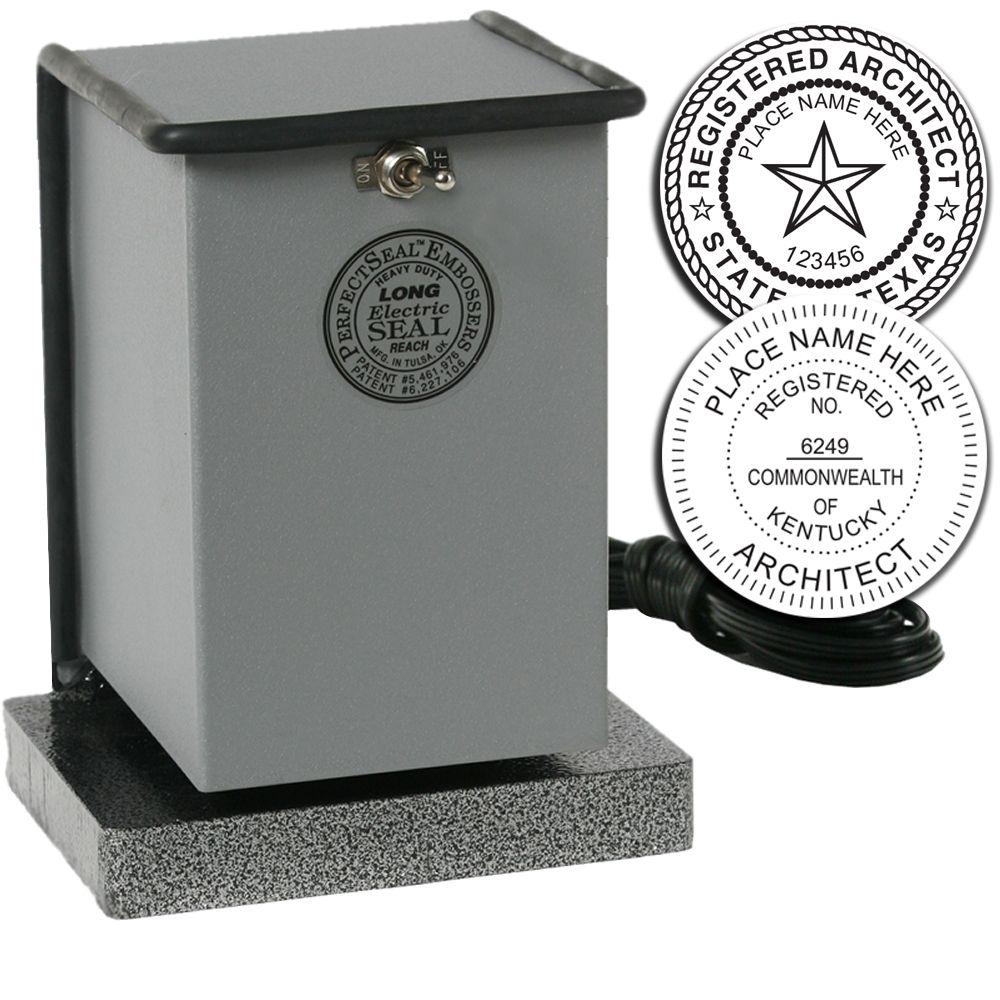
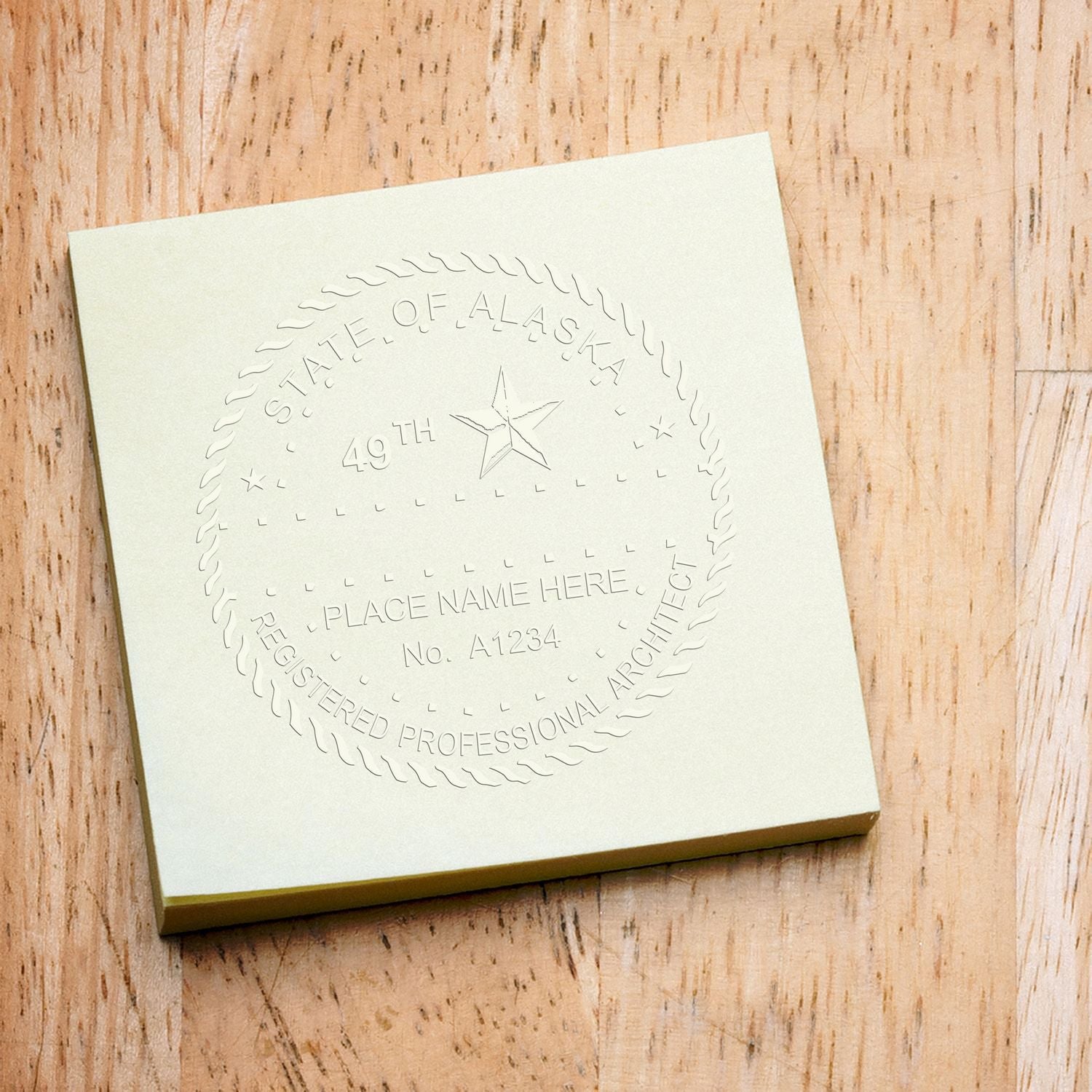
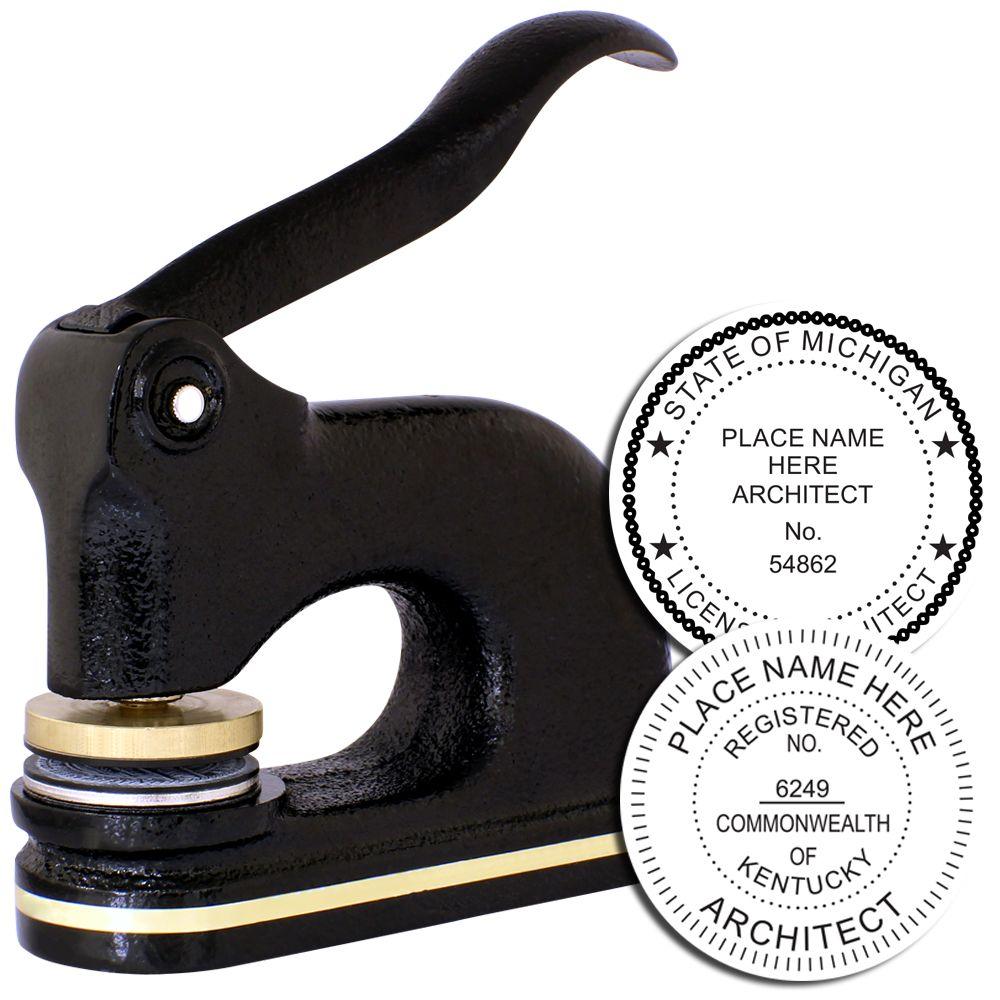
Metal seal, stamp design or digital seal, in any combination. Section 9.141(a) allows a stamp design or digital seal identical to the prescribed seal to be obtained and used “in lieu of or in conjunction with, a metal seal.” Section 9.141(b)(2) then allocates devices by page: the first page of a final or complete document takes the seal and signature, and “Facsimile or digital seals shall appear on all subsequent pages of architectural documents.” The safe buy is an inked stamp for the first page paired with a matching digital image for later pages.
Signing and dating
Signing across the seal is permitted, and one element is protected. Section 9.141(b)(3): “When an architect’s signature is applied, it shall be applied near or across the seal, but not in a location that obliterates the license number.” Section 9.141(b)(5) enumerates the only three permitted methods for sealing and signing architectural documents: physical placement of a seal and a handwritten signature in permanent ink containing the name of the licensee; digital placement of a seal and a handwritten signature in permanent ink containing the name; or digital placement of a seal and a digital signature containing the name. A printed facsimile of the handwritten signature is not among them.
Pennsylvania lets an architecture firm carry one seal for several architects
Almost every seal rule in the country insists the device name exactly one person. Illinois goes further and deems a seal bearing a firm name instead of the responsible individual’s name to be an invalid seal. Pennsylvania architects are the exception. Section 9.143(b) permits “A seal or stamp combining the names of a number of architects in a firm” to be used in place of individual seals, so long as the individual licensees’ names, their license numbers and the legend Architects appear on it and every member of the firm is licensed in the Commonwealth. If anyone in the firm is not, the individual architect professionally responsible for the work uses a personal seal instead.
Which documents must be sealed
Final or complete architectural documents, in the same two situations the engineering chapter uses: issued to a client for the client’s records, or submitted to public or governmental agencies for final review, under section 9.141(b)(2). Section 9.141(b)(1) limits use to work “prepared by the architect or under the architect’s personal supervision, direction and control.” Section 9.142 restates the two core prohibitions: an architect may not seal or stamp a document unless the license is current with the Board, and may not impress the seal or stamp, or knowingly permit it to be impressed or affixed, on drawings, specifications or other design documents not prepared by the architect or under the architect’s direct supervision.
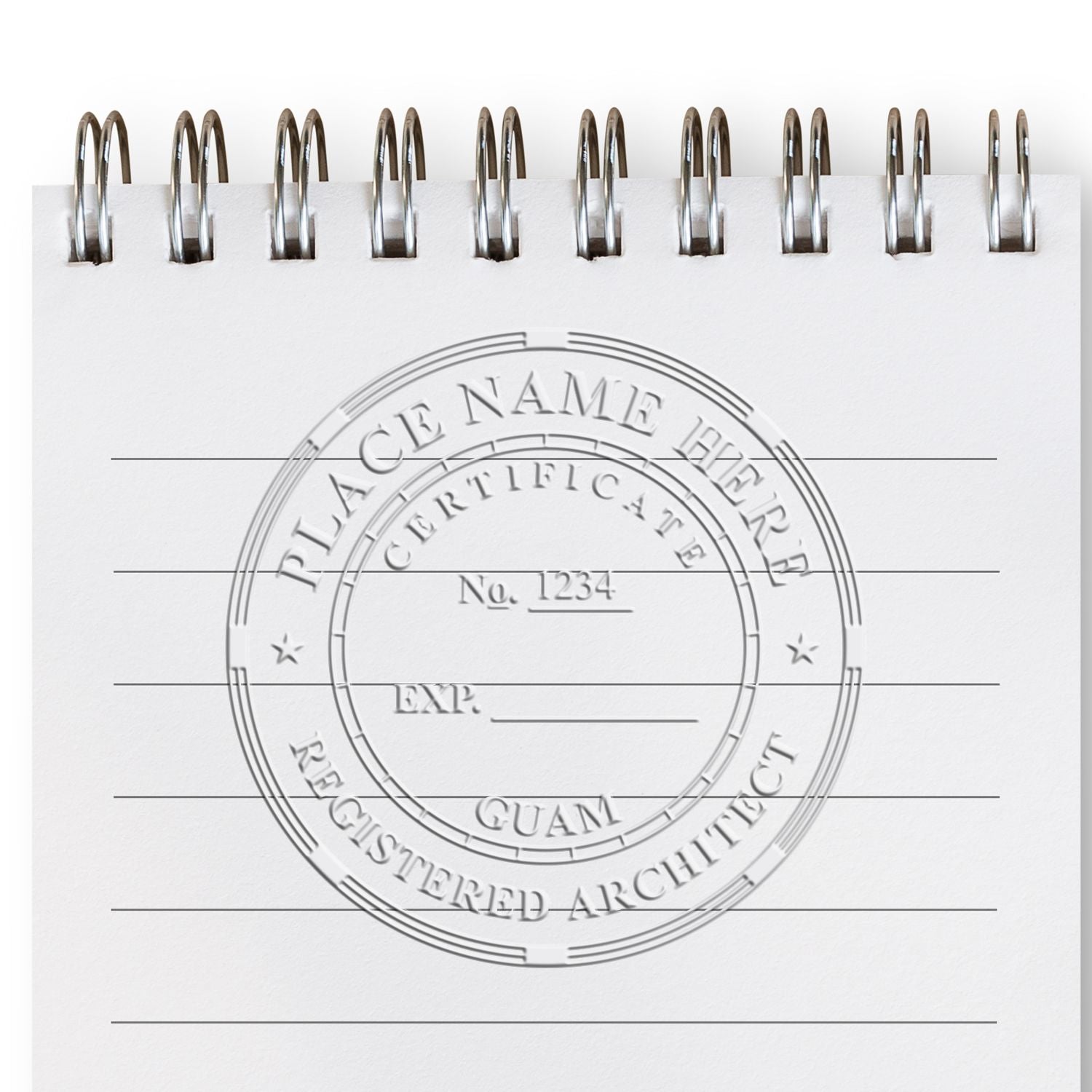


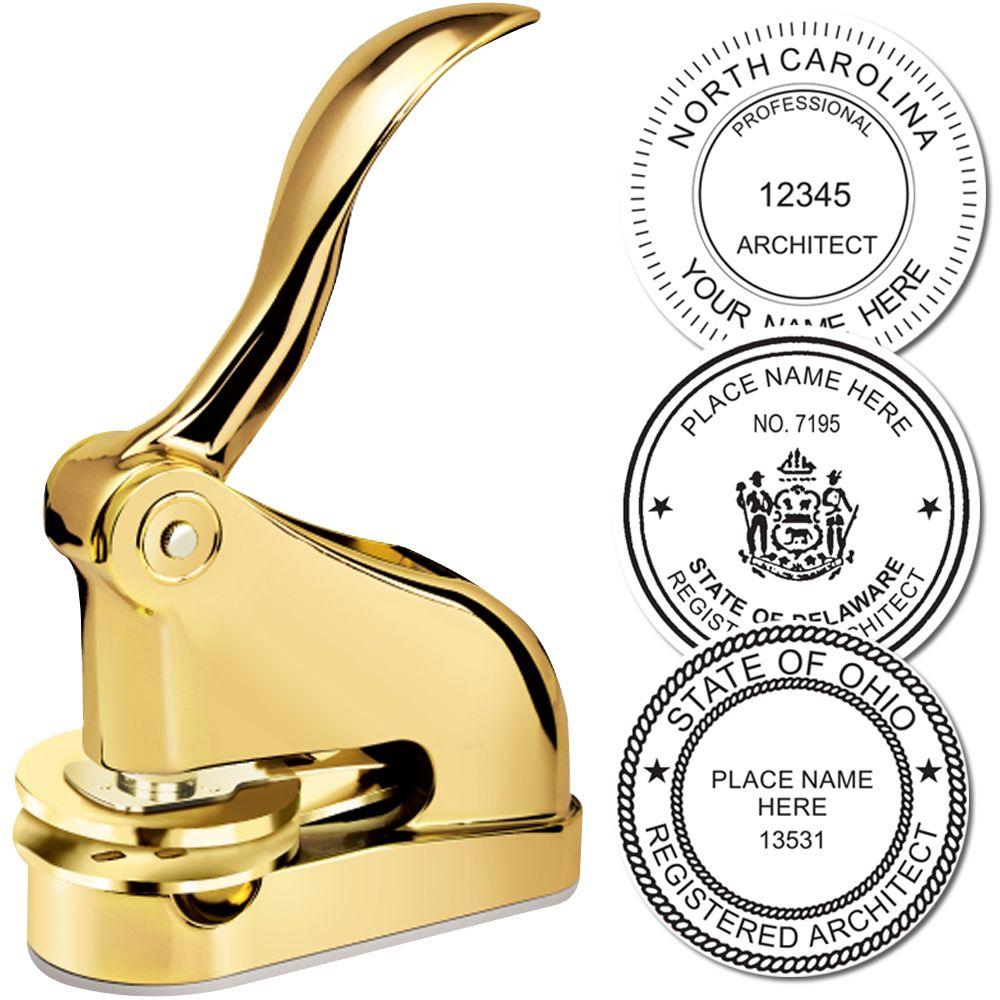
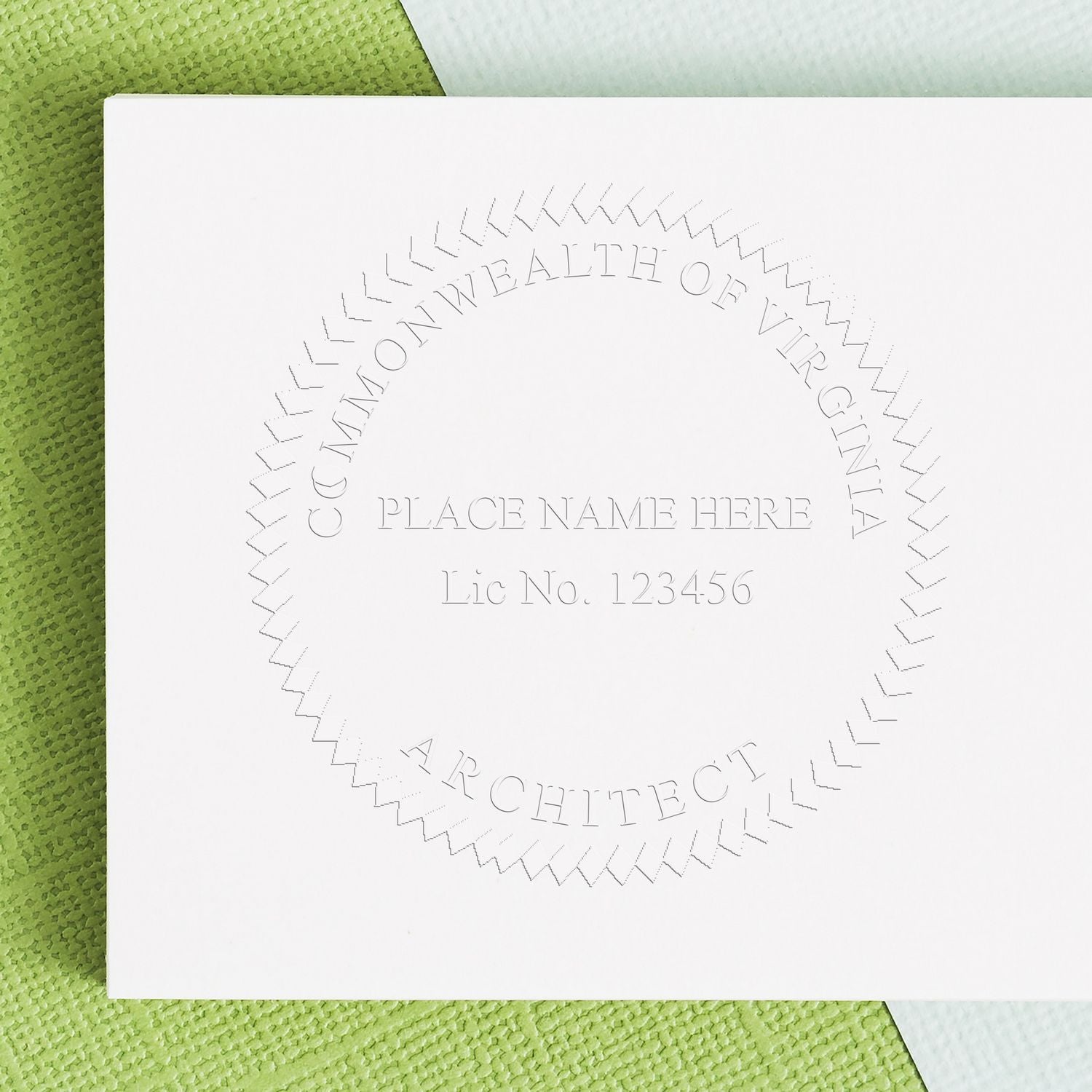


Electronic and digital seals
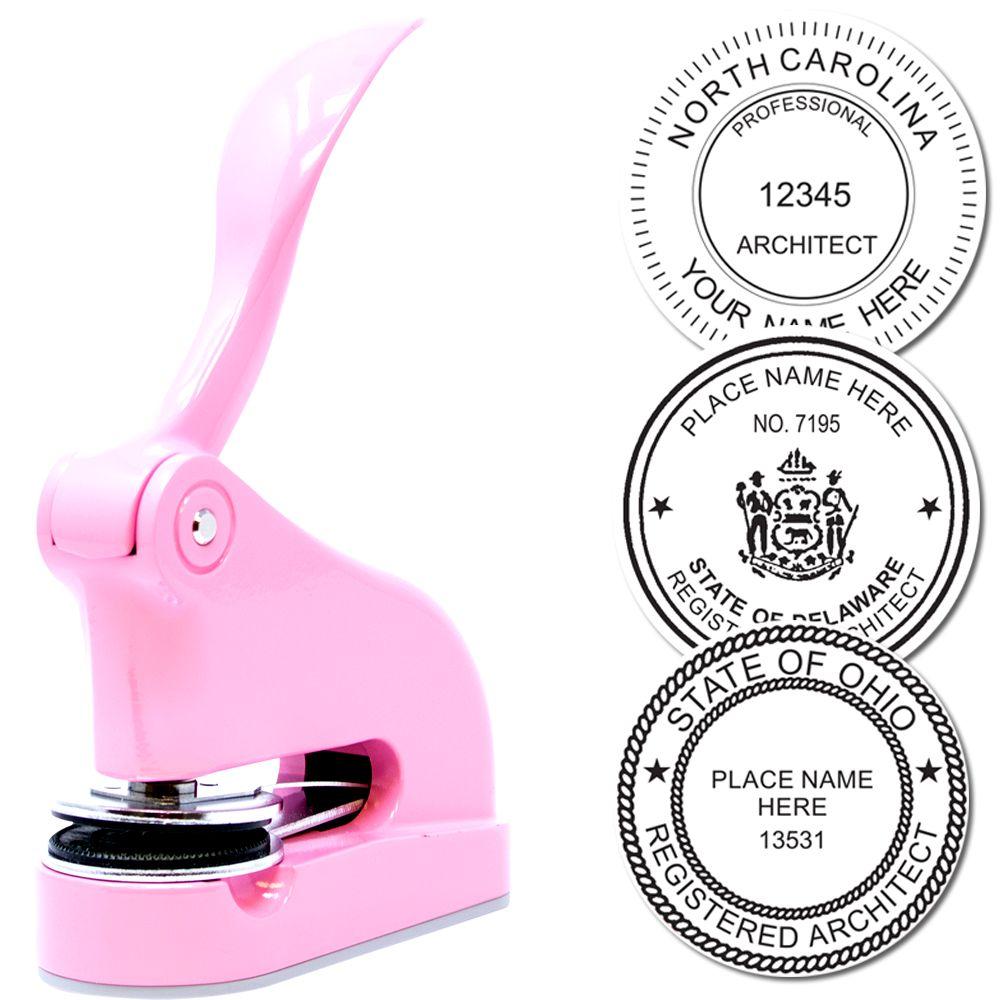
Section 9.141a sets parallel tests for the digital signature and the digital seal. Architectural documents signed using a digital signature “must have an electronic authentication process attached to or logically associated with the electronic document,” and the digital signature must be unique to the licensee, capable of verification, under the sole control of the licensee, and “linked to a document in such a manner that the digital signature is invalidated if any data in the document is changed.” Subsection (b) repeats the same four tests for the digital seal. No vendor product, certificate authority or federal standard is named, which is the same approach the Pennsylvania engineering chapter takes at section 37.60 and a lighter one than Florida’s FIPS 180-4 requirement.
Renewal, lapse and retirement
Pennsylvania takes the device back. Section 9.145(a) provides that where an architect voluntarily surrenders or is required to surrender the architect’s seal and stamp to the Board, “the surrender shall be made in person or by registered mail to the office of the Board,” and the section continues with the digital seal and signature. Section 9.146 covers loss or theft of the seal and a compromised digital signature and seal. Section 9.142(a) separately bars sealing or stamping unless the license is current with the Board. Renewal is biennial and the fee schedule at section 9.3 lists a biennial renewal of license and a reactivation of lapsed or expired license. Because the seal carries no expiration date, renewal alone never requires a new device and the license number does not change.
Firm requirements
Pennsylvania registers architecture firms, and it lets a firm share one seal. The fee schedule at section 9.3 lists a firm practice registration or modification requiring new corporate structure fee and an annual renewal fee for registered architecture firms that are partnerships, professional associations, professional corporations, business corporations, limited liability companies and limited liability partnerships, assessed biennially. Section 9.143(b) then allows the combined firm seal described above, carrying the names and license numbers of the individual licensees and the legend Architects, provided every member of the firm is licensed in Pennsylvania. Where any member is not licensed by the Board, the individual architect professionally responsible for the firm’s Pennsylvania work uses an individual seal on that work.
What to check before you order
Order the Board’s authorized architect design, carrying the legend Registered Architect, your name as licensed, your license number and a reference to the Commonwealth of Pennsylvania. Chapter 9 prescribes no diameter, so do not accept the 1 3/4 inch figure from the Pennsylvania engineering chapter as if it governed you; choose a size that keeps the name and number legible. A stamp design or digital seal identical to the prescribed seal may be used instead of, or alongside, a metal seal, and you will want both, because the first page of a final document takes the seal and signature while later pages take facsimile or digital seals. If your firm is a registered Pennsylvania architecture firm and every member is licensed here, section 9.143(b) lets you order one combined seal carrying each architect’s name and license number with the legend Architects. Do not order a facsimile of your handwritten signature.
Browse architect stamps and seals.
Frequently asked questions
Is an architect seal required in Pennsylvania?
Yes, from licensure. 49 Pa. Code section 9.141(a) provides that “A licensee shall, upon licensure, obtain a seal, of the identical design authorized by the Board, bearing the licensee’s name and license number and the legend, ‘Registered Architect’ together with a reference to the Commonwealth of Pennsylvania.” Section 9.141(b)(2) supplies the trigger: when an architect issues final or complete architectural documents to a client for the client’s records, or submits them to public or governmental agencies for final review, the seal and signature of the architect who prepared or personally supervised the work go on the document.
What has to appear on a Pennsylvania architect seal?
Four things under section 9.141(a): the legend Registered Architect, your name as licensed, your license number and a reference to the Commonwealth of Pennsylvania. Section 9.143(a) bars a licensee from designing his own seal or stamp except as the chapter provides, and 9.143(c) allows a reproduction of a stamp identical to the prescribed stamp.
What size is a Pennsylvania architect seal?
Chapter 9 prescribes the legend and the contents and states no diameter anywhere, from section 9.1 through the seal sections 9.140 to 9.146 and on to the conduct sections. Choose a size that keeps the name and number legible, and do not accept the 1 3/4 inch figure from the Pennsylvania engineering chapter as if it governed you.
Can I use a metal seal in Pennsylvania?
Yes, and in combination. Section 9.141(a) allows a stamp design or digital seal identical to the prescribed seal to be obtained and used “in lieu of or in conjunction with, a metal seal.” Section 9.141(b)(2) then allocates devices by page: the first page of a final or complete document takes the seal and signature, and “Facsimile or digital seals shall appear on all subsequent pages of architectural documents.” An inked stamp for the first page with a matching digital image for later pages covers both.
Where does the signature go on a Pennsylvania seal?
Near or across it, with one element protected. Section 9.141(b)(3): “When an architect’s signature is applied, it shall be applied near or across the seal, but not in a location that obliterates the license number.”
What are the permitted ways to seal and sign in Pennsylvania?
Three, and only three, under section 9.141(b)(5): physical placement of a seal and a handwritten signature in permanent ink containing the name of the licensee; digital placement of a seal and a handwritten signature in permanent ink containing the name; or digital placement of a seal and a digital signature containing the name. A printed facsimile of the handwritten signature is not among them.
Which documents have to be sealed in Pennsylvania?
Final or complete architectural documents, in two situations under section 9.141(b)(2): issued to a client for the client’s records, or submitted to public or governmental agencies for final review. Section 9.141(b)(1) limits use to work “prepared by the architect or under the architect’s personal supervision, direction and control.” Section 9.142 restates the two core prohibitions: an architect may not seal or stamp a document unless the license is current with the Board, and may not impress the seal or stamp, or knowingly permit it to be impressed or affixed, on drawings, specifications or other design documents not prepared by the architect or under the architect’s direct supervision.
What does Pennsylvania require of a digital seal?
Section 9.141a sets parallel tests for the digital signature and the digital seal. Architectural documents signed using a digital signature “must have an electronic authentication process attached to or logically associated with the electronic document,” and the digital signature must be unique to the licensee, capable of verification, under the sole control of the licensee, and “linked to a document in such a manner that the digital signature is invalidated if any data in the document is changed.” Subsection (b) repeats the same four tests for the digital seal. No vendor product, certificate authority or federal standard is named.
What happens to my Pennsylvania seal if I surrender my license?
The device goes back, and there is a procedure. Section 9.145(a) provides that where an architect voluntarily surrenders or is required to surrender the seal and stamp to the Board, “the surrender shall be made in person or by registered mail to the office of the Board,” and the section continues with the digital seal and signature. Section 9.146 covers loss or theft of the seal and a compromised digital signature and seal. The Pennsylvania engineering chapter has neither provision.
Does my Pennsylvania seal go stale at renewal?
No. Because the seal carries no expiration date, renewal alone never requires a new device and the license number does not change. Renewal is biennial and the fee schedule at section 9.3 lists a biennial renewal of license and a reactivation of lapsed or expired license. Section 9.142(a) separately bars sealing or stamping unless the license is current with the Board.
Does a Pennsylvania architecture firm register?
Yes. The fee schedule at section 9.3 lists a firm practice registration or modification requiring new corporate structure fee and an annual renewal fee for registered architecture firms that are partnerships, professional associations, professional corporations, business corporations, limited liability companies and limited liability partnerships, assessed biennially. Section 9.143(b) then allows the combined firm seal, provided every member of the firm is licensed in Pennsylvania. Note how narrow the neighboring rule is: 49 Pa. Code section 15.33(b), for landscape architects, says only one registered landscape architect’s name may be used per seal.








