
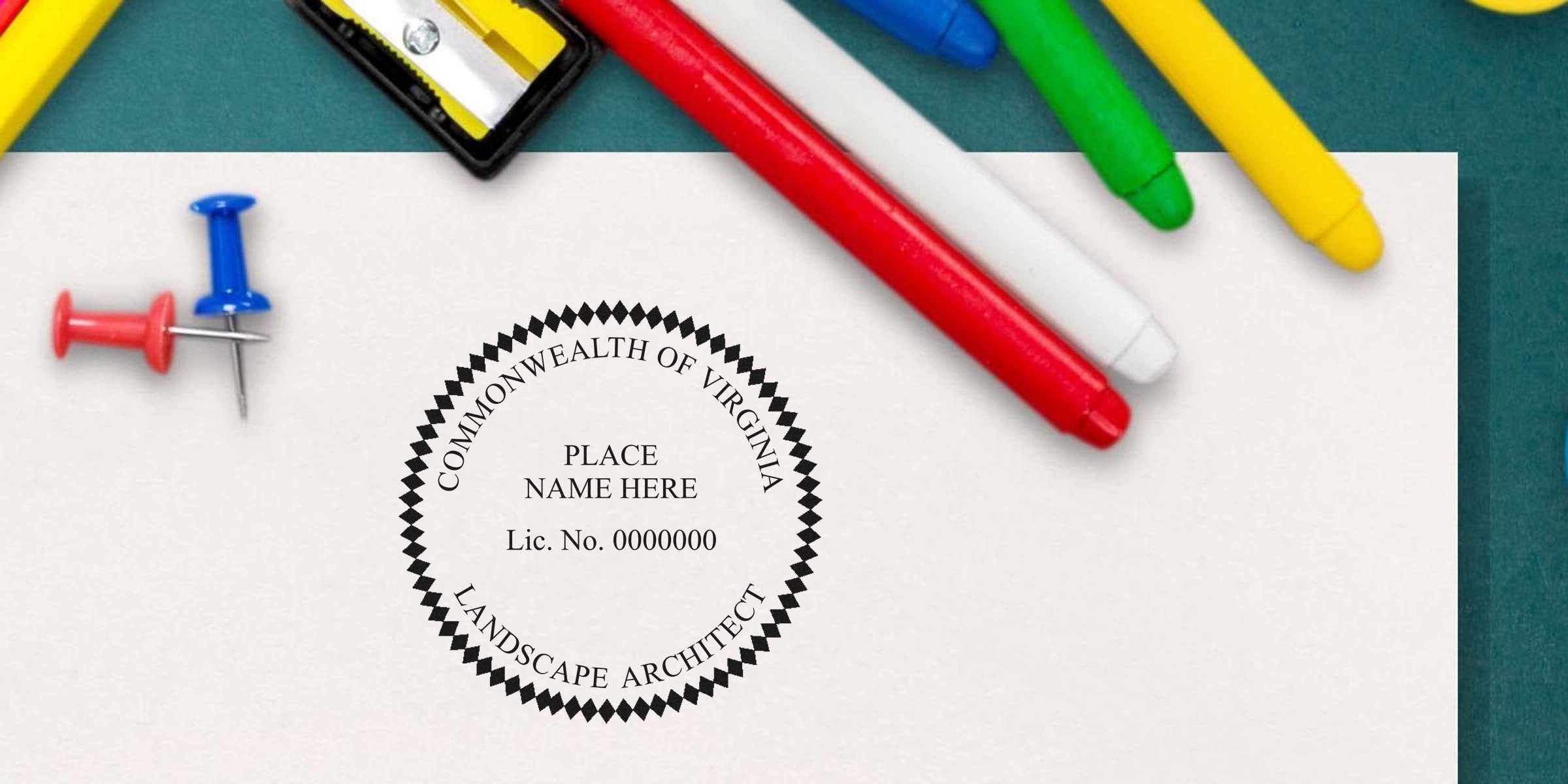
Understand the Virginia Landscape Architect Seal
If you’re preparing to launch or grow your landscape architecture career in Virginia, then you’ve likely come across the term “Virginia Landscape Architect Seal.” This official seal represents your professional commitment to upholding design standards, state regulations, and ethical practice within the field. By having a state-recognized seal, you make it clear that your work meets the regulations set by the Virginia Board for Architects, Professional Engineers, Land Surveyors, Certified Interior Designers, and Landscape Architects (commonly shortened to APELSCIDLA).
You may wonder why the seal matters so much. The short answer is credibility. When you stamp your drawings, site plans, or design documents with a Virginia Landscape Architect Seal, you show clients, municipal bodies, and the general public that you’re authorized to practice in Virginia. Think of it as the official handshake that tells everyone, “I’ve got the qualifications and the board says so.”
Why the Seal Matters to You
Clients often want proof of licensure before they trust a landscape architect with a project. Handing them a set of plans with an authentic seal helps them feel reassured. Local boards also require your seal on certain documents before giving you the green light to move forward with construction or land changes. In other words, that round impression or ink stamp is more than just decoration. It’s your professional badge that confirms you’ve passed the required exams and met Virginia’s standards of competence.
Know Licensing Requirements
Before you can order your official stamp or seal, you need the appropriate license. The state’s governing body sets forth guidelines to ensure only qualified professionals take on landscape architecture projects. Overlooking a requirement now might lead to frustration—and nobody wants last-minute delays when your livelihood is on the line.
Key Steps to Get Licensed
-
Complete Education Requirements.
- You typically need a degree in landscape architecture from an accredited program.
-
Gain Practical Experience.
- Most professionals complete a supervised internship or apprenticeship.
-
Pass the LARE (Landscape Architect Registration Examination).
- Virginia recognizes the national exam, which covers everything from grading plans to public health and safety.
-
Submit the Application to the Board.
- File the proper forms and pay the required fees. The board reviews your background and test scores.
Once approved, you officially become a licensed landscape architect in Virginia. Then you’re ready to make use of the Virginia Landscape Architect Seal and stamp your work confidently.
Board Rules You Should Note
Every state sets guidelines on how the seal should look, where it should appear on documents, and even how big it must be. In Virginia, the seal typically includes your name, license number, and the words identifying you as a licensed landscape architect. The goal is clarity. Boards want to eliminate confusion regarding who’s responsible for any design decisions. Double-check the exact requirements on the APELSCIDLA website or consult the latest regulations to be sure you’re following every detail.
Select the Right Seal Type
When it comes to the seal itself, you have a few different formats to consider. Some people prefer an old-school metal embosser, while others want the speed of an ink-based stamp. Understanding these options can help you pick the right solution for your daily workflow. Each type has its own pros and cons, so let’s walk through your main choices.
Embossed, Self-Inking, or Pre-Inked
- Embosser: If you love the crisp, raised impression on paper, an embosser might feel like the classic pick. It’s often used for official certificates or documents where the tactile effect is important. However, you may need to press firmly, which can get tricky on thick stock or large plan sets.
- Self-Inking Stamp: This model has a built-in ink pad, so all you need to do is press down. It’s simple, fast, and portable. On the downside, you need to replace the pad eventually, so factor in a bit of maintenance.
- Pre-Inked Stamp: These stamps come pre-loaded with ink that seeps through the die. They typically provide super-sharp impressions and can last for thousands of uses before needing a refill. However, the up-front cost can be slightly higher than some alternatives.
Below is a simple table to help you compare:
| Seal Type | Primary Advantage | Consideration |
|---|---|---|
| Embosser | Classic raised look | Requires strong pressure |
| Self-Inking | Quick, no extra pad | Pad replacement needed |
| Pre-Inked | Sharp impressions | Slightly higher cost |
Digital Seals: A Modern Solution
As more documents go paperless, offering a valid digital seal is becoming popular. You can embed it in electronic drawings or PDFs without losing any professional standing. Some agencies and clients still ask for hard copies, but if your project submissions happen primarily online, a digital seal keeps you on-trend. Many suppliers, like Acorn Sales, even provide a free digital seal when you purchase a physical stamp.
Use Your Seal Properly
You might be thinking, “Great. I’ll just stamp everything.” But there are rules to follow when applying your seal. You’re not allowed to seal any documents that you didn’t directly prepare or supervise. Using your seal on someone else’s work can risk your professional status. So, it’s a good idea to stamp responsibly.
Signing and Sealing Best Practices
- Sign and date every impression.
- Place the stamp in a clear, visible spot on each page that needs authentication.
- If you’re dealing with multiple pages, you may be required to stamp a cover sheet along with a statement verifying all included sheets are sealed.
- Double-check if local jurisdictions require original signatures in ink or if scanned signatures are enough.
Paper Documentation vs. Digital Submissions
Let’s be honest, digital submissions can be confusing. Some agencies might accept an electronically applied seal, while others want hard-copy originals. In many cases, you’ll need both a digital seal and a physical version, depending on the project’s scope. Always confirm with the county, city, or private client before finalizing your documents. Keeping a tidy record of when and where you applied your seal will also prevent any headaches later.
Choose a Trusted Supplier
It’s one thing to know which type of seal you want, but where should you actually get it? The main considerations include product quality, customization accuracy, and overall reliability. Because every state has unique rules about size and format, you’ll want a supplier who knows Virginia’s guidelines inside and out. You don’t want to find out your seal isn’t compliant right when you’re trying to submit your designs.
Why Choose Acorn Sales
Acorn Sales has been in business since 1964, which means they’ve spent decades perfecting stamps and seals for professionals like you. With that level of experience, they understand the ins and outs of Virginia’s regulations and can guide you in selecting the right seal product. Plus, they back their seals with top-notch customer support that helps you troubleshoot any snags. If you ever have a question about re-inking, embossing, or verifying compliance, you can just reach out.
What to Expect from Our Products
- State-Specific Compliance.
- Each seal is designed to meet Virginia requirements for text, size, and layout.
- Free Digital Seal Included.
- When you purchase your seal or Virginia Landscape Architect Stamp, you also get a digital version at no extra cost, making online submissions smoother.
- Customizable Options.
- Opt for an embosser, self-inking stamp, or pre-inked stamp that suits your style.
- Durability.
- Seals hold up to frequent use, so you can confidently handle high-volume projects.
Maintain Your New Seal
You’ve received your Virginia Landscape Architect Seal, and now you’re ready to start stamping away. But wait—there’s a little more you should know about caring for your tool. Like any piece of equipment, your seal will last longer if you treat it kindly. Proper maintenance keeps impressions crisp and reduces the chance you’ll have to reorder anytime soon.
Placing Your Order
Ordering your stamp or seal begins with confirming your license details. Once that’s squared away, you can provide your full name and license number, plus any other required text. Then you pick the seal format you want. Before finalizing your purchase, just verify that all the details match up—and that you’ve spelled your name correctly. You’ll receive a confirmation, and in many cases, you can expect to get your physical seal plus the free digital seal promptly.
Proper Care and Storage
-
Keep It Clean
- Gently wipe away excess ink or dust after each use. If you’re using an embosser, check the die for debris that might affect future impressions.
-
Store in a Stable Climate
- Extreme heat or humidity can damage the materials. Aim for a cool, dry place.
-
Refill or Re-Ink as Needed
- Self-inking or pre-inked stamps eventually need fresh ink. Keeping an extra ink refill on hand is a quick fix for those moments when you notice the impression fade.
-
Inspect Periodically
- If you spot any alignment issues or worn-out text, consider ordering a replacement to maintain a professional appearance.
Wrap-Up and Next Steps
You now have a clear roadmap for obtaining and using the Virginia Landscape Architect Seal. From mastering the licensing steps to picking the right stamp or embosser, each piece of the puzzle matters. The result? Less hassle and more clarity for your clients, review boards, and future collaborators.
Don’t forget that a reliable supplier like Acorn Sales can simplify your journey even more. With a range of product options, knowledgeable staff, and a free digital seal included in your purchase, you’ll feel confident every time you press that seal onto your final designs. After all, it’s not just about following rules. It’s about showcasing your professional dedication in a way that’s unmistakably official.
Have a question about which seal type fits best with your workflow? Reach out for guidance, or explore more information about the Virginia Landscape Architect Stamp options. With the groundwork covered and a trusted partner in your corner, you’re all set to move forward as a licensed landscape architect in Virginia. Here’s to your future success—one crisply stamped page at a time!
Frequently Asked Questions
Do I need a new seal if I move my business address?
Not necessarily. In Virginia, your seal should display only your name and license number. Your physical or business address usually does not appear on the seal. However, you are responsible for updating the state board with any address changes, so remember to do that behind the scenes.
Can I use my seal for projects outside Virginia?
Your Virginia seal confirms your licensure to practice specifically in Virginia. If you plan to work in other states, you must follow each state’s licensing requirements and possibly obtain a separate seal. Always check in advance to avoid issues.
What happens if I lose or damage my seal?
If your seal gets worn out, damaged, or misplaced, you’ll want to replace it right away. Operating without a valid seal could delay important projects or lead to questions about compliance. Contact your supplier, confirm your licensure details, and order a replacement.
Can I keep using my seal if my license expires?
You should never use an expired license number on official documents. Renew your license promptly to maintain your active status. Once you’re renewed, you can continue using the exact same seal design since your license number stays the same, as long as the state hasn’t changed any guidelines.
Is the digital seal legally acceptable everywhere?
Many local and state agencies now accept digital seals, but not all. You’ll need to read each agency’s submission rules. Some prefer a physical stamp on paper, while others encourage digital submissions. Whichever path you take, your seal must follow all legal guidelines to be recognized.








