
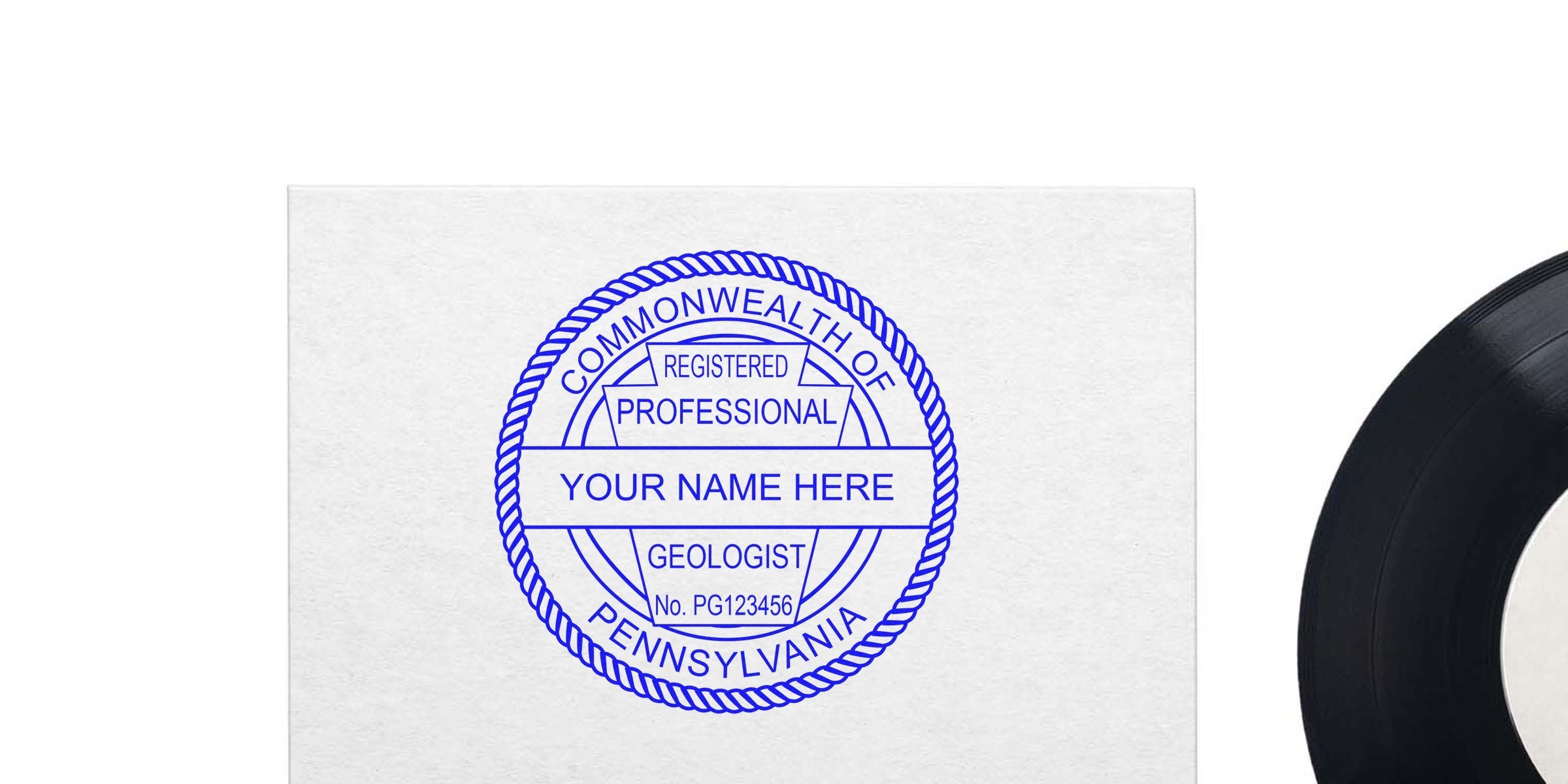
Have you been wondering how to tackle the Pennsylvania geologist stamp application process? You’re not alone. Many aspiring geologists in the Keystone State get stuck trying to understand what they need, when to apply, and how to avoid mistakes along the way. Fortunately, the path is simpler than it looks once you break it down into manageable steps.
Below, you’ll find a clear, friendly overview of how to earn and use your official geologist stamp in Pennsylvania. From the must-have qualifications to the submission forms, let’s walk through each stage to boost your confidence and save time.
Understand The Stamp Application
The state of Pennsylvania requires a professional geologist stamp (also called a seal) to confirm personal responsibility for geological work. When you attach that stamp to detailed reports, survey documents, or official evaluations, you indicate that you’re licensed and have the expertise to back up your findings.
Why It Matters
In Pennsylvania, licensed geologists ensure the public’s welfare by producing accurate, high-quality evaluations of environmental conditions, subsurface data, or geological hazards. The stamp is your signature of professional accountability. Think of it as a shorthand: whenever a colleague, client, or regulatory body sees your stamped documents, they know they’re official.
Who Oversees The Process
The Pennsylvania State Registration Board for Professional Engineers, Land Surveyors, and Geologists sets the regulations for obtaining and using your geologist stamp. From educational requirements to professional experience, their guidelines shape how you’ll navigate the entire application. If you ever feel uncertain about the rules, the board’s website is the best place to check for official updates, deadlines, and important forms.
Follow The Core Prerequisites
Before you can submit your application for a geologist stamp, you need to meet certain education, exam, and experience standards. By ensuring you satisfy these items up front, you’ll save time and reduce the risk of frustrating delays.
Verify Education And Exams
Most applicants are required to hold a bachelor’s or advanced degree in geology or a closely related field. This degree generally covers core topics like mineralogy, stratigraphy, and hydrology. Once you confirm your program meets Pennsylvania’s criteria, you’ll need to pass the Fundamentals of Geology (FG) and the Practice of Geology (PG) exams. A passing score on both is essential for licensure.
- Earn a recognized degree in geology or a related discipline.
- Take and pass the Fundamentals of Geology exam.
- Pass the Practice of Geology exam after meeting any required experience hours.
Check Official Rules
Don’t forget to stay current with changes in policy. If you need more details on the specifics that Pennsylvania expects, feel free to review the pennsylvania geologist stamp requirements, which outline the latest licensure and stamp usage rules. This resource is especially handy if you’re unsure about how many work hours you need or whether your academic program qualifies.
Gather Professional Experience
Beyond exams, you’ll often need practical field or lab experience. Pennsylvania typically expects a certain number of years spent practicing geology under the supervision of a licensed geologist. Supervisors verify that you can apply theoretical concepts to real-world situations, ensuring you’re ready to accept professional responsibility for your own future projects.
Submit Your Application
Once you’ve satisfied the prerequisites, you’re finally ready to focus on the official nuts and bolts of your geologist stamp application. This stage involves completing forms, demonstrating your credentials, and paying the necessary fees.
Prepare Documentation
The first step is all about organization. Make a checklist of every item you need before you sit down to fill out your forms. Usually, this includes:
- Official transcripts from your degree program.
- Verification of your exam scores (FG and PG).
- Proof of work experience, often provided as letters of reference or employer statements.
- Application fee covering the cost of processing your paperwork.
When in doubt, double-check the Pennsylvania State Registration Board’s instructions to confirm you have every required piece of documentation. Submitting incomplete forms can slow your progress, so it’s worth the extra few minutes up front to be prepared.
Fill Out Forms Correctly
Every state board has slightly different expectations for formatting, signatures, and attachments. For instance, you might need to submit your application online, mail in hard copies, or do a bit of both. Take your time completing the personal data sections. Inaccuracies can cause your license approval to stall.
- Double-read for typos in your name, address, and contact info.
- Include correct references for your supervisors or professional mentors.
- Verify that you’ve signed and dated every mandatory section.
Track Your Progress
Once submitted, your application may take a few weeks (or more) for review, depending on the board’s current workload. During that time, you can often track your application status online. Make a quick note in your calendar to check back for any updates or requests for additional information. Timely replies to any board inquiries keep the process moving along.
Choose The Right Stamp
Congratulations, you’ve been approved for licensure! Now it’s time to pick out a stamp or seal that meets Pennsylvania’s regulations. While it might seem like a minor detail, not every supplier offers a design that aligns with official specifications.
Understand Your Options
Stamps (the rubber kind) and seals (embossers) both serve the same purpose but offer different styles. Pennsylvania generally requires the seal to include your name, your license number, and the designation “Professional Geologist” or “PG.” Most geologists prefer an inked rubber stamp for convenience, but an embosser can be a nice option if you deal largely with physical documents that need a tactile impression.
Trust A Respected Supplier
At Acorn Sales, we’ve been trusted since 1964 for providing reliable, high-quality geologist stamps and seals. Every day, geologists around the country rely on our products to meet state standards while looking professional in front of clients. We also offer a free digital seal with every order, making it easy for you to certify PDF or other electronic documents. If you prefer a classic embosser for official papers, we have you covered.
Whether you’re stamping field survey notes or final reports, you’ll want to ensure your mark is crisp, legible, and aligned with Pennsylvania’s design. If you have any questions about official sizing or line thickness, don’t hesitate to verify details with the state or reach out to our support team.
Avoid Common Mistakes
Even the most diligent professionals can run into occasional setbacks. Small oversight in documentation or a missing payment can delay your license. Here are a few pitfalls to watch out for:
- Failing to document supervised work experience properly. Ask your supervisor to sign off on your hours as you go so you don’t scramble for proof later.
- Overlooking updates on the board’s website. Requirements can shift, so keep an eye out for new forms or submission methods.
- Mixing up issues with your name. If you changed your name or used a nickname on a previous document, clarify these details to avoid confusion on legal forms.
- Forgetting your seal details. Once you’re approved, confirm the correct name and license number for your Pennsylvania geologist stamp so you don’t end up with an incorrect seal.
- Ignoring digital alternatives. In today’s era of e-documents, it’s important to know how to apply your digital seal in compliance with Pennsylvania’s electronic stamping rules.
By making small checks at each step, you’ll protect yourself from time-consuming fixes or re-submissions.
Wrap Up And Next Steps
When you finally get your Pennsylvania geologist stamp in hand, you’ll be ready to authenticate your professional work. It’s a moment of pride—your training, exams, and diligence have paid off. As long as you stay current with license renewals and any continuing education requirements, you’ll maintain the ability to stamp official documents for years to come.
If you haven’t purchased your stamp or seal yet, consider exploring your options. Acorn Sales, in business since 1964, is here to help you find a product that meets Pennsylvania’s regulations and suits your preferences. We’ll even include a free digital seal with your order so you can certify electronic documents hassle-free.
Most importantly, remember that the Pennsylvania geologist stamp is more than a formal mark. It represents your expertise and trustworthiness in the eyes of your peers and the public. As you continue your career, never hesitate to check in with the state board for evolving guidelines, or to share tips with other professionals learning the process.
Feel free to reach out if you have additional questions about the Pennsylvania geologist stamp application process or the specific steps needed to comply with state regulations. Best of luck as you finalize your license and begin using your stamp to proudly showcase your professional qualifications. And remember, the right stamp supplier can make all the difference in ensuring you’re set up for success.
Frequently Asked Questions
Do I Need To Renew My Pennsylvania Geologist Stamp?
While the physical stamp itself doesn’t expire, your geologist license does. You generally need to renew your license every two years, and the board may have specific rules about continuing education. Make sure you stay informed about renewal dates so your stamp remains valid.
Can I Use A Digital Seal On My Reports?
Yes. In many cases, Pennsylvania does allow digital seals, provided they match the official layout and include your name, license number, and title. A digital seal is useful when you’re submitting electronic documents. At Acorn Sales, a free digital seal is included with every physical stamp or embosser order. Check with the Pennsylvania board’s modern guidelines to ensure full compliance.
Do I Have To Stamp Every Page Of My Documents?
It depends on the nature of the documents. Some lengthy reports or plan sets only require the first page to be sealed and signed, while other documentation might need a stamp on each page. Review the state’s guidelines or consult with a senior geologist to confirm best practices for the documents you’re preparing.
What If My Supervisor Retired Before Signing Off On My Hours?
If your supervisor is no longer available, gather supporting evidence of your work experience, such as project reports or correspondence that confirms your involvement. You may also contact colleagues who can attest to your hands-on duties. The board might accept alternate forms of verification if you can’t obtain a direct supervisor signature.
Which Is Better: A Rubber Stamp Or An Embosser?
It really comes down to personal preference and the types of documents you typically handle. A rubber stamp is quick, cost-effective, and easy for marking multiple pages. An embosser creates a raised impression that feels a bit more traditional. Both are acceptable in Pennsylvania as long as they match the required design. If you want the best of both worlds, you can order both, along with a digital seal, so you’re prepared for any situation.








