

Written by Acorn Sales Company, manufacturing stamps and seals since 1964 · Reviewed by Holly R, VP of Sales and Marketing at Acorn Sales, against the Vermont Board of Professional Engineering and 26 V.S.A. § 1188 on 21 September 2026 · Updated 21 September 2026
A Vermont seal has to name your specialty discipline. Board Rule 2.6 lists four elements and that is one of them, alongside your name as licensed, your license number and the title “Licensed Professional Engineer.” A generic round stamp carrying only a name, a number and the title is short a required element, and an engineer who changes or adds a discipline needs a new device.
Two things people expect are absent. The word Vermont is not on the list, which runs against what almost every stock template assumes. And no date is required: neither 26 V.S.A. § 1188 nor Rules 2.6 and 2.7 requires a date next to the seal or the signature, and a full text search of the Board’s rules for a dating requirement tied to sealing returned nothing. A Vermont stamp with no date block is compliant, though many licensees add one for their own records.
Rule 2.6 says the seal “shall be substantially of the following format” and the published rules PDF prints a specimen image at that point. That image carries no text layer and could not be read, so the specimen layout is a known gap. If you need a literal match to the Board’s printed specimen, get the specimen from the Board.
Vermont PE seal requirements at a glance
| Requirement | Vermont rule | Source |
|---|---|---|
| Seal required | Yes | 26 V.S.A. § 1188 |
| Required elements | Your name as licensed, Your specialty discipline, Your license number and The title “Licensed Professional Engineer” | Vermont Board of Professional Engineering Administrative Rules 2.6 |
| Size and shape | Approximately one and one-half inches in diameter. | Vermont Board of Professional Engineering Administrative Rules 2.6 |
| Device allowed | All three families are legal. | Vermont Board of Professional Engineering Administrative Rules 2.6 and 2.7(a) |
| Signature and date | Rule 2.7(a) defines the act: “Sealing means the application of the seal and the signature of the licensee.” Manual and electronic signatures are equally acceptable. | Vermont Board of Professional Engineering Administrative Rules 2.7(a) |
| What must be sealed | Instruments of service, defined at 26 V.S.A. § 1161(4) as “project deliverables, such as reports, specifications, drawings, plans, construction documents, or engineering surveys, that have been prepared under the licensee’s responsible charge.” Rule 2.7(b) states what the seal certifies, including conformance to applicable codes in effect at the time of submission. | 26 V.S.A. §§ 1161(4), 1188(b) |
| Electronic seal | Electronic seals and signatures are allowed outright and no technology is named. | Vermont Board of Professional Engineering Administrative Rules 2.6 and 2.7(a) |
| Renewal and lapse | Licenses run on a two-year cycle and “All licenses expire on July 31st of even years unless renewed,” with automatic expiration and possible penalties on reinstatement under 3 V.S.A. § 127(d) (Rule 2.1). | Vermont Board of Professional Engineering Administrative Rules 2.1 and 2.4 |
| Firm number on documents | Not applicable. 26 V.S.A. chapter 20 contains no firm registration or certificate of authorization section, and the Board’s administrative rules contain no rule on firms, corporations or partnerships. | 26 V.S.A. chapter 20 (section list) |
| Licensing board | The Vermont Board of Professional Engineering | 26 V.S.A. chapter 20 (Engineering), sections 1161, 1163, 1182a, 1182b, 1183 |
Rules for other states are on PE stamp requirements by state.





Is a seal required in Vermont?
Vermont requires a seal Vermont requires a seal by statute, not merely by board rule. 26 V.S.A. § 1188(a) directs that “Each licensee shall obtain a seal of a design approved by the Board by rule” and § 1188(b) that “Plans, specifications, reports, and other instruments of service issued by a licensee shall be signed and sealed by the licensee.” The Board rule adds the trigger that matters in practice: Rule 2.7(d) applies the duty to instruments of service “including those intended for submission to an authority having jurisdiction” and then carves out coordination material, stating that “exchanging working documents for the purposes of coordinating or developing the work is not considered an instrument of service and may not need to be signed and sealed.” Misuse is criminal: § 1188(c) makes affixing a licensee’s seal without authorization punishable by a fine up to $1,000.00 or 30 days in jail, or both.
What must appear on the seal
- Your name as licensed
- Your specialty discipline
- Your license number
- The title “Licensed Professional Engineer”
Rule 2.6 lists four elements and nothing else. The word “Vermont” is not among them, which is the opposite of what most state seals require and the opposite of what a stock template assumes. The specialty discipline is required, and that is what template stamps get wrong here: a generic Vermont round stamp reading only “Licensed Professional Engineer” with a name and number does not satisfy Rule 2.6. Rule 2.6 also says the seal “shall be substantially of the following format” and the published rules PDF prints a specimen image at that point. That image carries no text layer and could not be read, so the specimen layout is a named gap. Nothing in Rule 2.6 or 2.7 is expressly prohibited on the face of the seal.
Size and shape
Approximately one and one-half inches in diameter. The hedge is the rule’s own: Rule 2.6 says the seal “shall be approximately one-and-one-half inches in diameter,” so there is no stated tolerance and no minimum text height. 26 V.S.A. § 1188 states no dimension at all.




Embosser, rubber stamp or digital
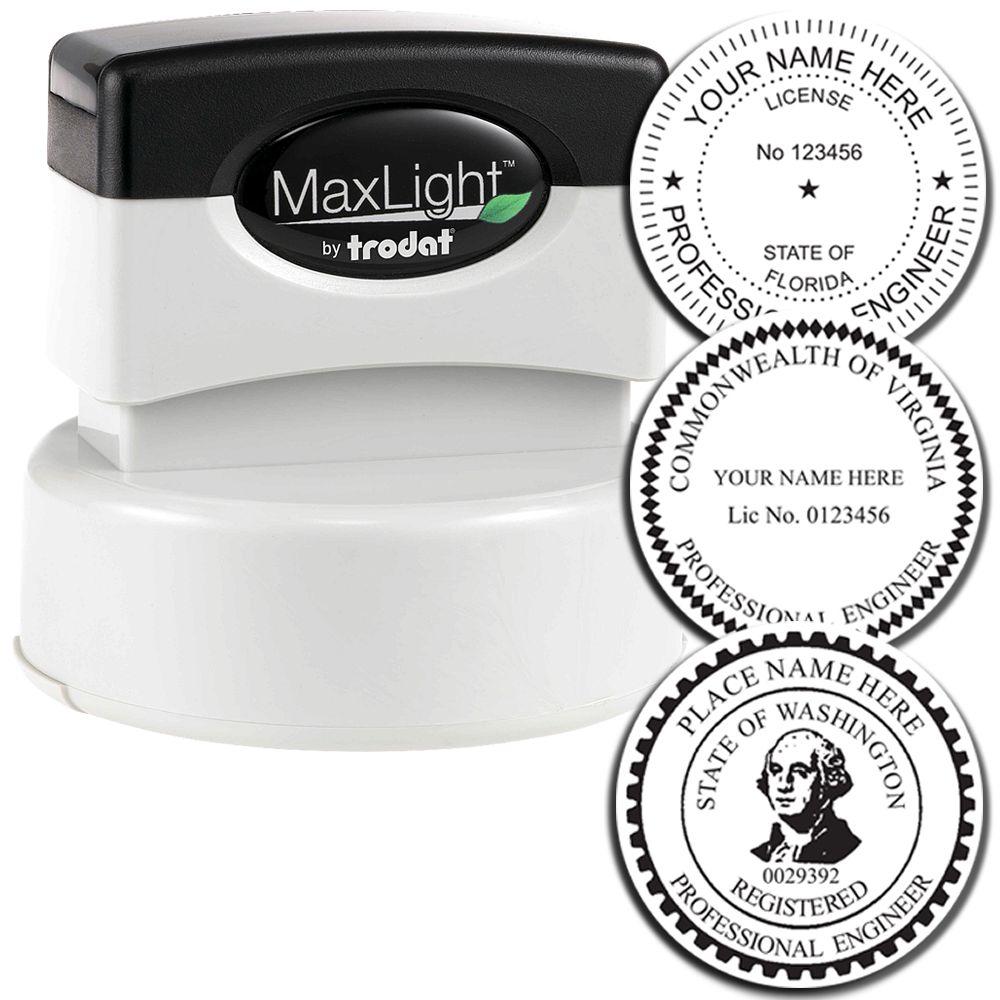
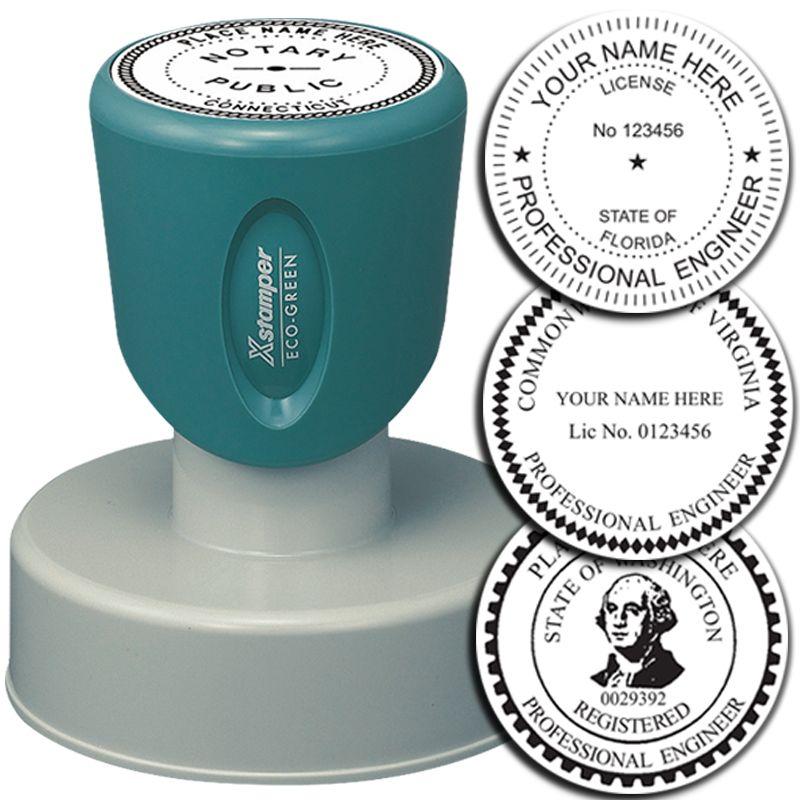
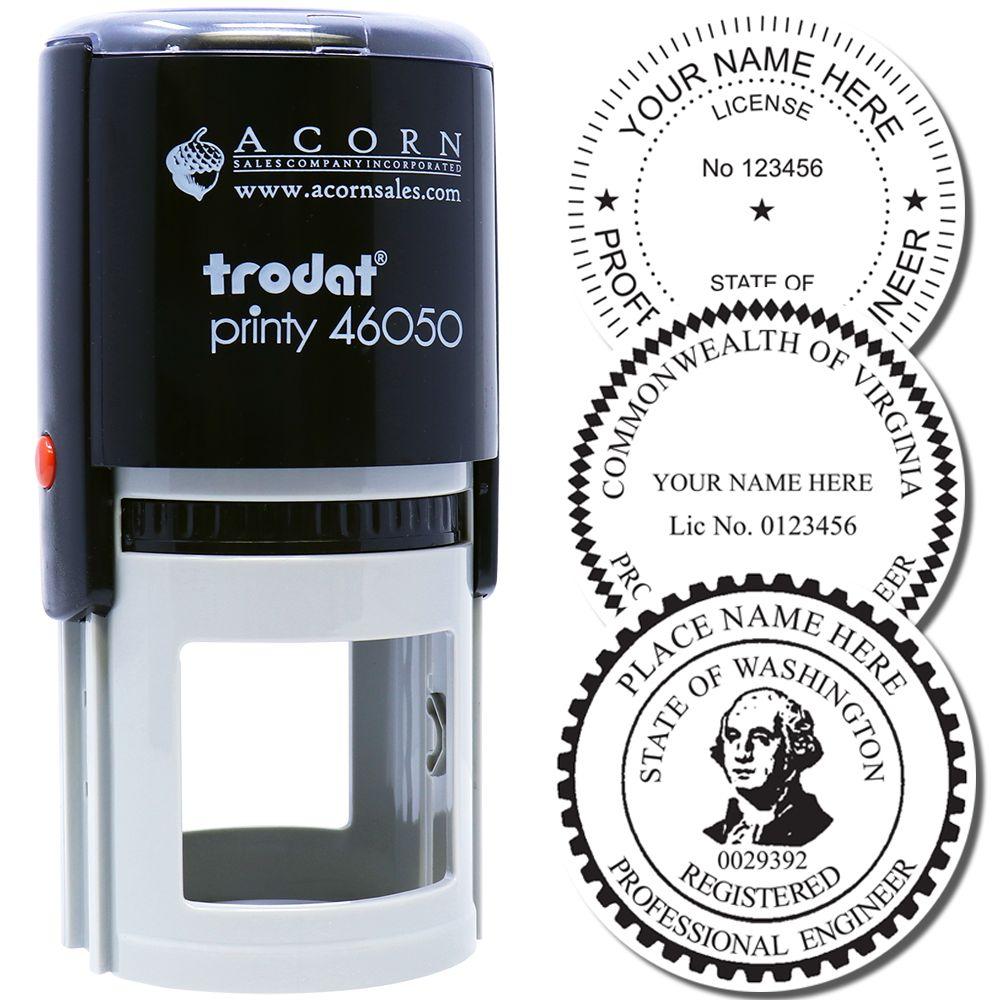
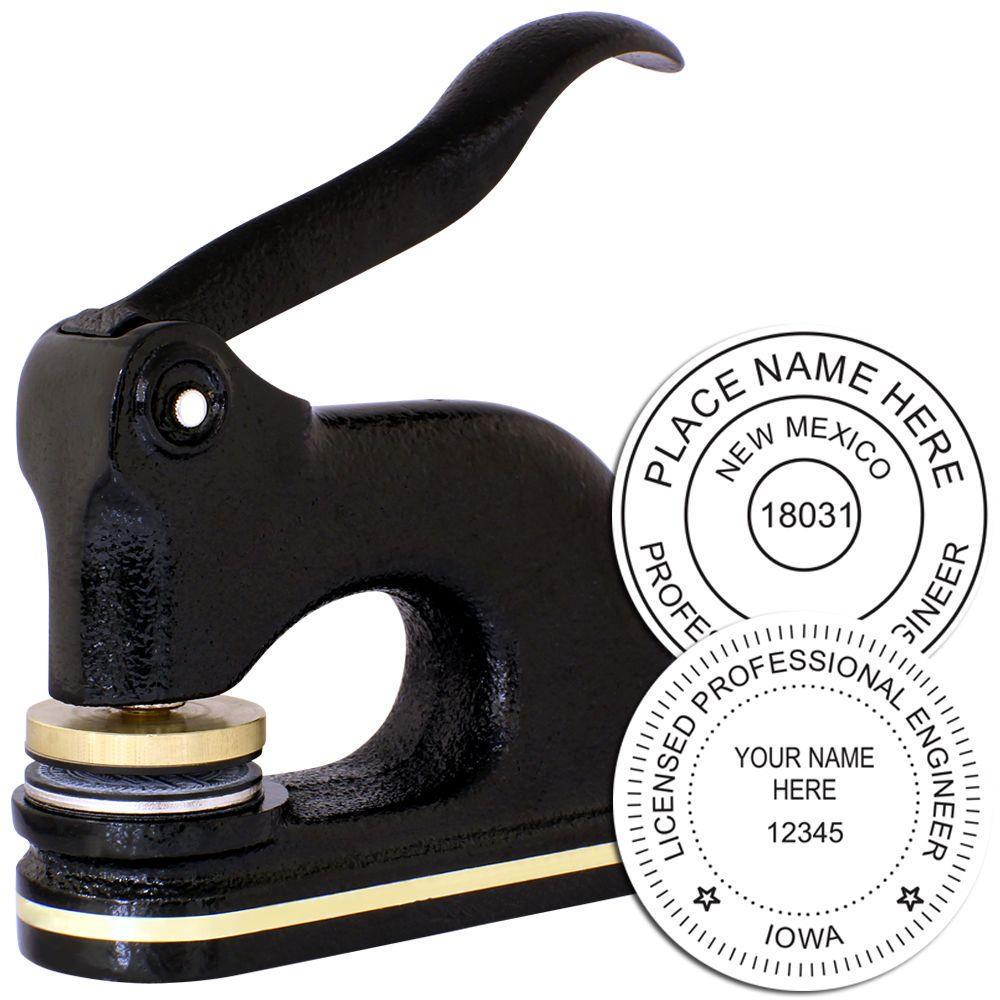
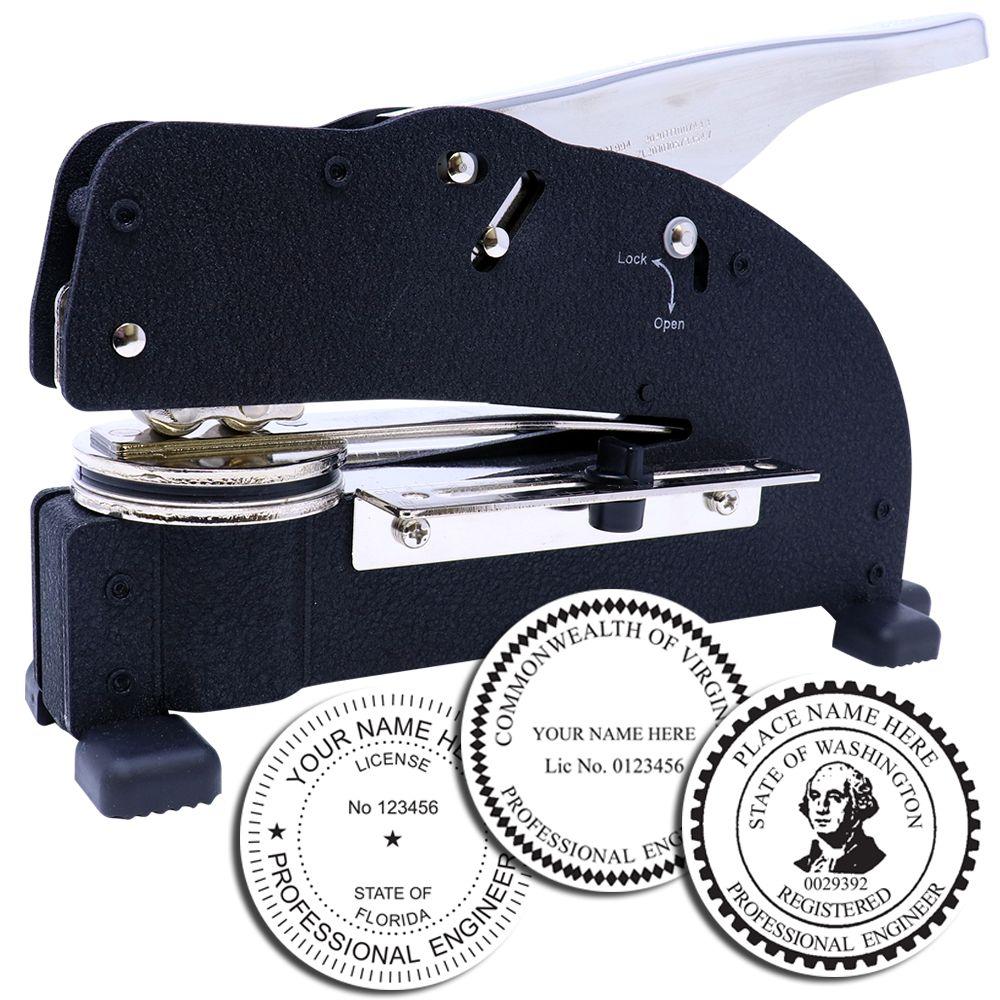
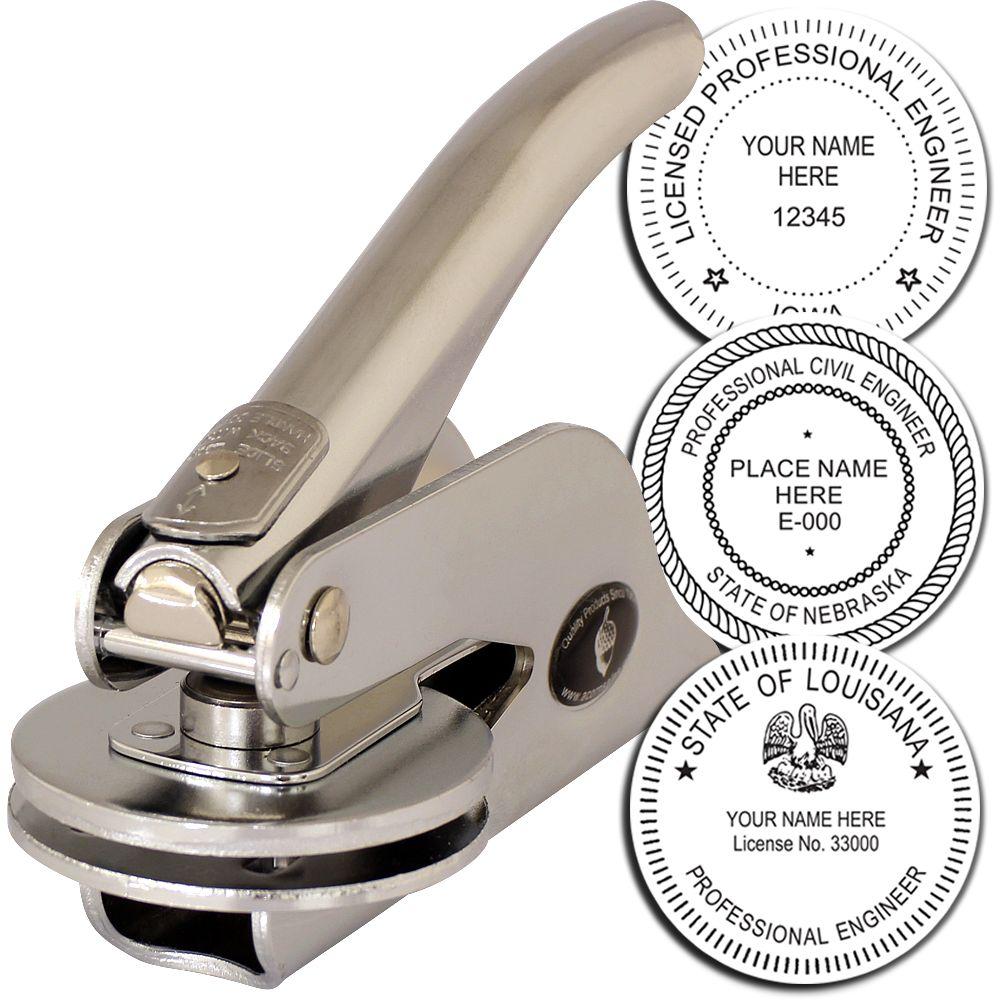
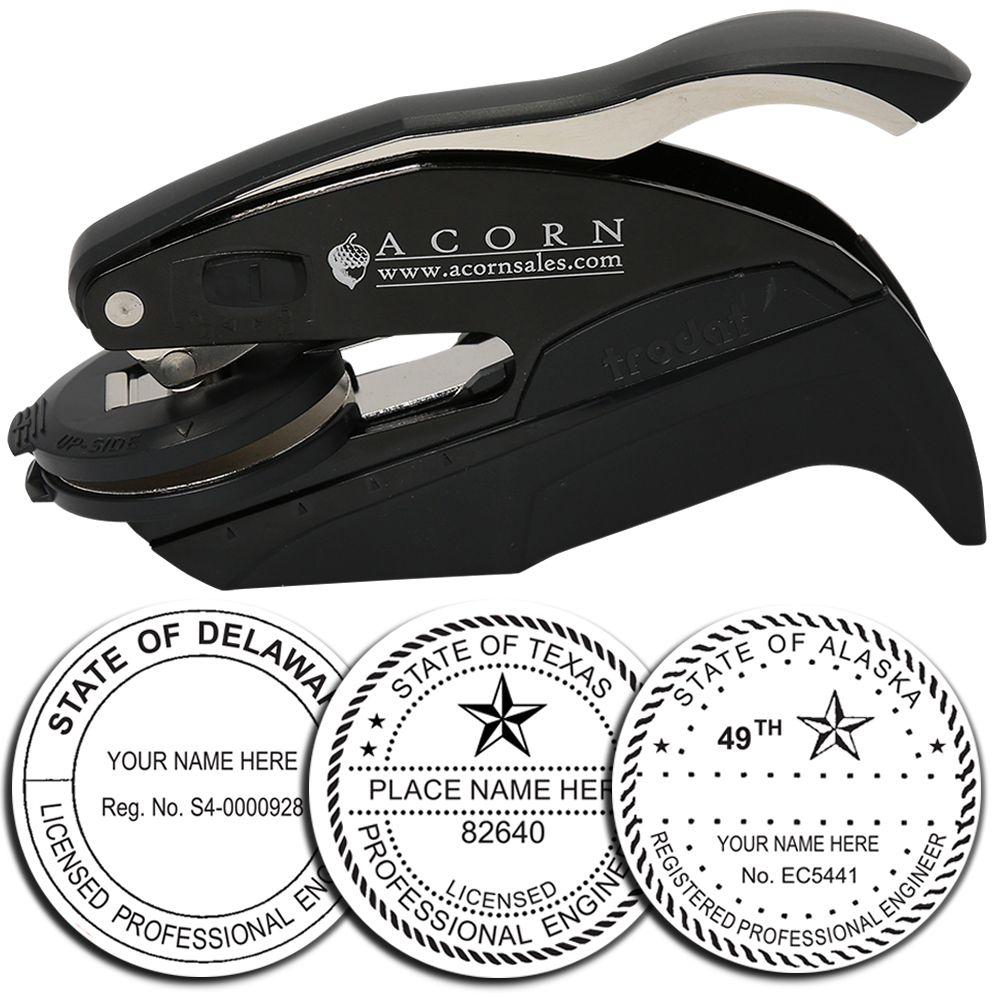
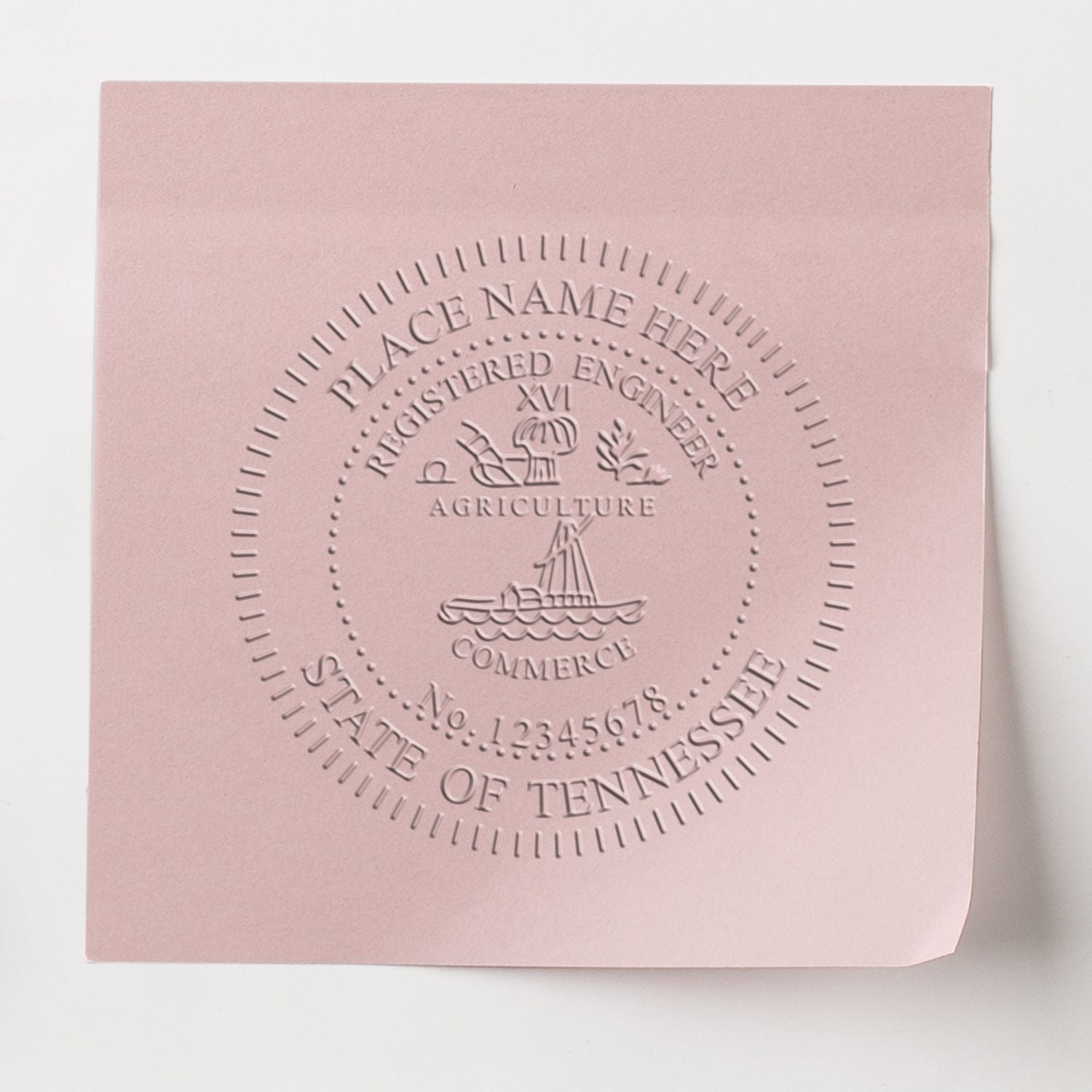
All three families are legal. Rule 2.6: “The seal may be a wet seal, embossed seal, or an electronic format.” Rule 2.7(a) repeats it for the act of sealing: “Manual or electronic forms of the seal and signature are acceptable.” The safe buy is a one and one-half inch round inked rubber or self-inking stamp carrying all four Rule 2.6 elements, with a matching electronic image file for permit sets. An embosser alone is a poor choice because Vermont submissions are routinely scanned and an embossed impression does not reproduce.
Signing and dating
Rule 2.7(a) defines the act: “Sealing means the application of the seal and the signature of the licensee.” Manual and electronic signatures are equally acceptable. No date is required. Neither 26 V.S.A. § 1188 nor Rules 2.6 and 2.7 requires a date next to the seal or signature, and a full-text search of the Board’s rules for a dating requirement tied to sealing returned nothing. Nothing requires the signature to run across the seal, and nothing forbids it. Because the date is not mandated, a Vermont stamp does not need a date line, though most licensees add one for record purposes.
Your Vermont seal must name your specialty discipline, and your sealed sets must be labeled
Vermont licenses engineers by specialty discipline under 26 V.S.A. §§ 1182a and 1182b, and Rule 2.5(a) states that “A professional engineer shall practice only within his or her licensed specialty discipline and area of competence.” Rule 2.6 then carries that onto the face of the seal: the discipline is one of the four required elements. A stamp ordered from a generic template reading name, number and “Licensed Professional Engineer” is short one required element, and an engineer who changes or adds a discipline needs a new device.
Which documents must be sealed
Instruments of service, defined at 26 V.S.A. § 1161(4) as “project deliverables, such as reports, specifications, drawings, plans, construction documents, or engineering surveys, that have been prepared under the licensee’s responsible charge.” Rule 2.7(b) states what the seal certifies, including conformance to applicable codes in effect at the time of submission. Rule 2.7(c) allows sealing work prepared by others outside the licensee’s responsible charge “only if the sealing licensee has performed a full and independent review and assumes full professional responsibility for the work.” Rule 2.7(d) exempts coordination working documents. Statutory exemptions sit at 26 V.S.A. § 1163; that section was not read here and is a named gap.


Electronic and digital seals
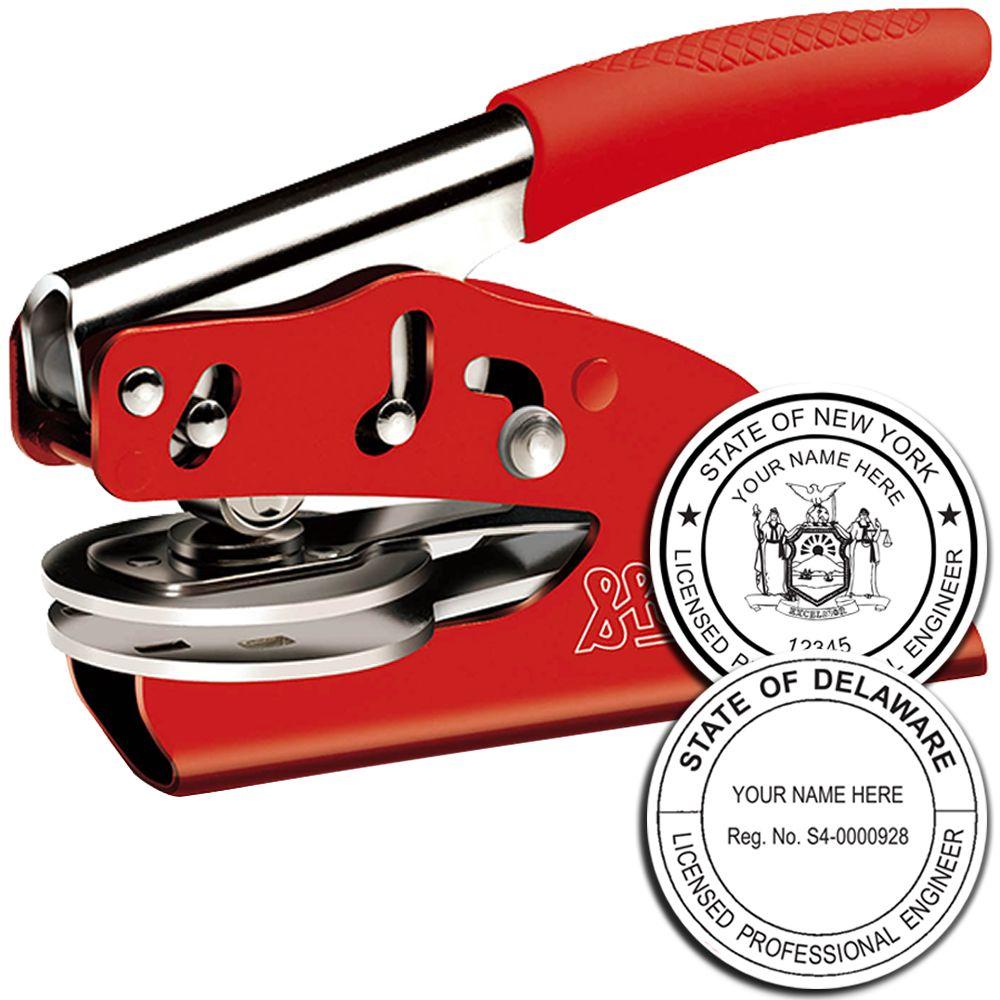
Electronic seals and signatures are allowed outright and no technology is named. Rule 2.6 permits “an electronic format” and closes with the duty that governs it: “Each licensee is responsible for managing the use and security of his or her seal and signature.” There is no digital certificate requirement, no named certificate authority, no tamper-evidence standard and no PDF signature specification. The security burden sits entirely on the licensee.
Renewal, lapse and retirement
Licenses run on a two-year cycle and “All licenses expire on July 31st of even years unless renewed,” with automatic expiration and possible penalties on reinstatement under 3 V.S.A. § 127(d) (Rule 2.1). Rule 2.4 requires a petitioner whose license has been expired two years or more to file a new application, meet current requirements, and show thirty professional development hours from the two years before filing. Not addressed: neither 26 V.S.A. chapter 20 nor the Board’s rules says the seal must be surrendered or destroyed on lapse, suspension or revocation, and neither says whether the license number changes on reinstatement. Checked 26 V.S.A. §§ 1183 and 1188 and Rules 2.1, 2.4 and 2.6.
Firm registration
Not applicable. 26 V.S.A. chapter 20 contains no firm registration or certificate of authorization section, and the Board’s administrative rules contain no rule on firms, corporations or partnerships. Nothing requires a firm number on a sealed document and no firm seal exists.
What to check before you order
Order a round device of approximately 1-1/2″ outside diameter carrying exactly four things: your name as licensed, your specialty discipline, your license number, and the title “Licensed Professional Engineer.” Do not substitute “Professional Engineer” or “Registered” for the prescribed title, and do not drop the discipline. Adding “Vermont” or “State of Vermont” is not required by Rule 2.6; the rule refers to a specimen format image that could not be read, so if you need a literal match to the Board's printed specimen, obtain the specimen from the Board. Wet, embossed and electronic devices are all permitted, and no date block is required. Vermont imposes no proof-of-licensure duty on whoever makes it, but § 1188(c) makes unauthorized use of a licensee's seal a criminal offense, so the order should be tied to you by name.
Browse professional engineer stamps and seals.
Frequently asked questions
Do I need a PE seal in Vermont?
Yes, by statute. 26 V.S.A. § 1188(a) directs that “Each licensee shall obtain a seal of a design approved by the Board by rule” and § 1188(b) that “Plans, specifications, reports, and other instruments of service issued by a licensee shall be signed and sealed by the licensee.” Board Rule 2.7(d) applies the duty to instruments of service “including those intended for submission to an authority having jurisdiction.”
What has to be on a Vermont PE seal?
Four things, per Rule 2.6: your name as licensed, your specialty discipline, your license number, and the title “Licensed Professional Engineer.” Do not substitute Professional Engineer or Registered for the prescribed title, and do not drop the discipline. Nothing in Rule 2.6 or 2.7 is expressly prohibited on the face of the seal.
Does my Vermont stamp have to say Vermont?
No. The word Vermont is not among the four elements Rule 2.6 requires. Adding it breaks no rule, but a supplier who tells you it is mandatory is stating something the rule does not say.
Why does my discipline have to be on the seal?
Because Vermont licenses engineers by specialty discipline. 26 V.S.A. §§ 1182a and 1182b set up the discipline structure and Rule 2.5(a) states that “A professional engineer shall practice only within his or her licensed specialty discipline and area of competence.” Rule 2.6 carries that onto the seal face as one of the four required elements.
What size is a Vermont PE seal?
Rule 2.6 says the seal “shall be approximately one-and-one-half inches in diameter.” The hedge is the rule’s own word: there is no stated tolerance and no minimum text height, and 26 V.S.A. § 1188 states no dimension at all. The rule’s specimen image could not be read, so the exact printed layout should come from the Board rather than from a reconstruction.
Does a Vermont seal need a date?
No. Rule 2.7(a) defines the act as “the application of the seal and the signature of the licensee” and says nothing about a date. Checked 26 V.S.A. § 1188 and Rules 2.6 and 2.7, plus a full text search of the Board’s rules for a dating requirement tied to sealing. Nothing requires the signature to run across the seal either, and nothing forbids it.
Is an embosser acceptable in Vermont?
Yes, but it is a poor sole device. Rule 2.6 permits a wet seal, an embossed seal or an electronic format, and Rule 2.7(a) repeats that “Manual or electronic forms of the seal and signature are acceptable.” Vermont submissions are routinely scanned, and an embossed impression does not reproduce, so an inked or self-inking stamp carrying all four Rule 2.6 elements is the safer primary purchase, with a matching electronic image file for permit sets.
Can I seal a preliminary drawing in Vermont?
Yes, and Vermont regulates the label rather than banning the practice. Rule 2.7(e): “Signed and sealed instruments of service shall be clearly labeled as to their purpose or intended use, for example: ‘Preliminary,’ ‘Final,’ ‘For Permitting,’ ‘Not for Construction,’ or ‘For Construction.’” That is a labeling duty, so a Vermont title block needs a purpose field next to the seal. Rule 2.7(d) separately carves out coordination material, stating that “exchanging working documents for the purposes of coordinating or developing the work is not considered an instrument of service and may not need to be signed and sealed.”
Which Vermont documents need the seal?
Instruments of service, defined at 26 V.S.A. § 1161(4) as “project deliverables, such as reports, specifications, drawings, plans, construction documents, or engineering surveys, that have been prepared under the licensee’s responsible charge.” Rule 2.7(b) states what the seal certifies, including conformance to applicable codes in effect at the time of submission. Rule 2.7(c) allows sealing work prepared by others outside your responsible charge “only if the sealing licensee has performed a full and independent review and assumes full professional responsibility for the work.” Statutory exemptions sit at 26 V.S.A. § 1163, which was not read here and is a named gap.
What does Vermont require for an electronic seal?
Nothing technical. Rule 2.6 permits “an electronic format” and closes with the duty that governs it: “Each licensee is responsible for managing the use and security of his or her seal and signature.” There is no digital certificate requirement, no named certificate authority, no tamper evidence standard and no PDF signature specification. The security burden sits entirely on the licensee.
Do I need a new seal when my Vermont license renews?
No. Licenses run on a two year cycle and “All licenses expire on July 31st of even years unless renewed,” per Rule 2.1, with automatic expiration and possible penalties on reinstatement under 3 V.S.A. § 127(d). Rule 2.4 requires a petitioner expired two years or more to file a new application, meet current requirements and show thirty professional development hours from the two years before filing. Whether the seal must be surrendered or destroyed on lapse, suspension or revocation is not addressed, and neither is whether the license number changes on reinstatement. Checked 26 V.S.A. §§ 1183 and 1188 and Rules 2.1, 2.4 and 2.6.
Does Vermont require a firm registration number on drawings?
No. 26 V.S.A. chapter 20 contains no firm registration or certificate of authorization section, and the Board’s administrative rules contain no rule on firms, corporations or partnerships. No firm seal exists and no firm number goes on a sealed document.
What happens if someone else uses my Vermont seal?
It is a criminal offense. 26 V.S.A. § 1188(c) makes affixing a licensee’s seal without authorization punishable by a fine up to $1,000.00 or 30 days in jail, or both. That is why a seal order should be tied to the named licensee.








