
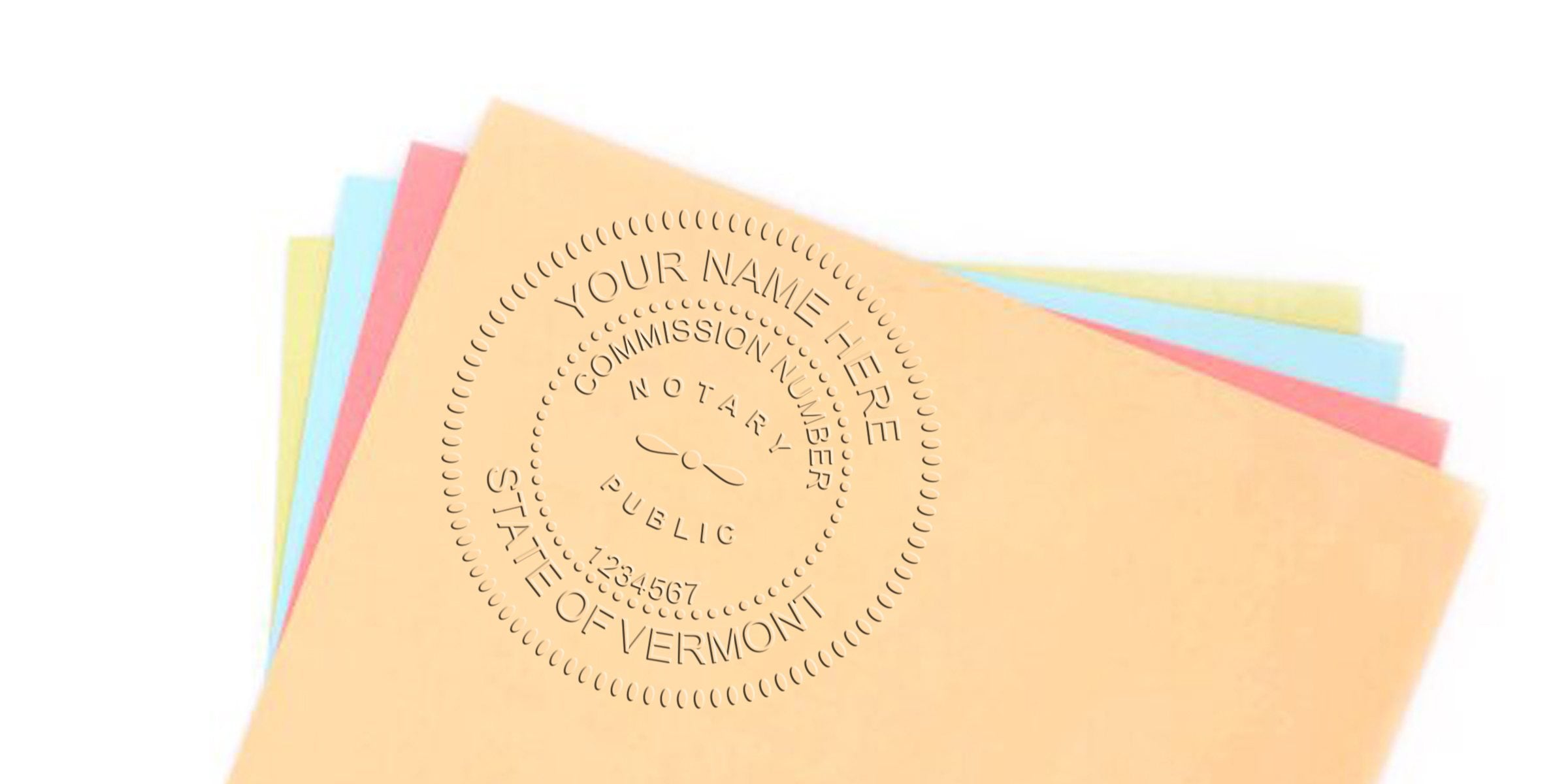
Natural light feels magical when it brightens a small apartment—and figuring out the right notary stamp can feel similarly illuminating when you’re a Vermont notary. If you’re feeling a little unsure about Vermont notary stamp requirements, you’re not alone. Many notaries just like you wonder if they’re fully prepared to meet their state’s guidelines. This article aims to cut through the confusion, highlight key steps, and help you make confident decisions every time you reach for your stamp. By the end, you’ll know exactly what’s required, how to shop smart, and where to turn for reliable support.
You’ll also discover practical tips on choosing between different types of notary stamps, why small details like ink color matter, and what you can do to avoid common pitfalls. Think of this as your friendly, all-in-one resource. Let’s dive in.
Clarify Vermont Notary Stamp Requirements
Understanding your exact obligations is the first step toward simpler, stress-free stamping. While each notary’s responsibilities involve verifying signatures and administering oaths, the specific rules surrounding the stamp vary by state. In Vermont, there are particular guidelines that keep your official acts valid and protect you from legal headaches. Here’s a closer look.
What Is Required By Law
Every state imposes its own regulations, and Vermont is no exception. The state expects your notary seal (another word for the imprint your stamp creates) to complete certain functions:
- Identify you as a commissioned notary.
- Indicate you’re authorized to perform notarial acts in Vermont.
- Provide details like your name and official title.
You can find more specifics in vermont notary seal requirements, although the core idea is that the stamping device you use must clearly display information required by law. If any of those details are missing or too faded to read, you risk invalidating the notarized document. So, double-check that your stamp includes your name, the words “Notary Public,” and the mention of Vermont, along with any other required data such as your commission expiration date.
Common Mistakes To Avoid
It’s surprisingly easy to overlook small details when you’re juggling paperwork. Here are a few traps to look out for:
- Using a worn-out stamp that creates blurry impressions.
- Forgetting to update your stamp when your commission is renewed.
- Over-inking the stamp pad to the point that details smear.
- Failing to include the proper text, such as “State of Vermont” or your full legal name.
Keep these points in mind, and your stamp—and all the documents you process—will remain completely above board.
Select The Right Notary Stamp
Your notary stamp isn’t just an accessory, it’s the primary tool that verifies your authority. With so many styles on the market, from heavy-duty desk stamps to portable models you can toss in your briefcase, it’s helpful to know the differences. You’ll also want to consider the type of impression you’re required to leave on official documents.
Pre-Inked vs Self-Inking vs Embosser
In Vermont, the law doesn’t dictate which type of device you must choose. Instead, it focuses primarily on what the impression clearly states about you and your commission. That said, knowing the pros and cons of each option can save you both hassle and money over time.
Pre-Inked Stamps
- Filled with ink inside the stamp itself, so no external pad needed.
- Usually last for thousands of impressions before running out of ink.
- Offer crisp, clear text or logos, making them ideal if you work with a lot of official documents daily.
If clutter-free paperwork matters to you, a pre-inked stamp might be the right call. They tend to create very sharp, smudge-free impressions, a huge plus when you’re notarizing multiple pages in quick succession.
Self-Inking Stamps
- Feature a built-in ink pad that re-inks itself after each use.
- Generally require light pressure, making them user-friendly.
- Ink pad can be replaced or re-inked, so the stamp body can last for years.
These are a popular choice for notaries who need a reliable, everyday device. You don’t have to fuss with an external pad, and you can typically expect several thousand impressions before you need a refill. If you’re into immediate convenience, vermont notary stamp self-inking options are widely available.
Handheld Embossers
- Do not use ink, instead they crimp or emboss the document.
- Recommended for those who want to add a tangible, raised seal impression.
- Some notaries pair an embosser with an ink stamp for clarity.
Embossers can look more traditional, and certain clients appreciate the tactile seal. While Vermont law does allow an embossed seal in many circumstances, you’ll want to confirm that recipients don’t require an inked or clearly visible seal.
Follow Commission Guidelines
Aside from using the correct stamp or seal, you have to follow the overarching guidelines that govern your Vermont notary commission. This includes renewing your commission on time, properly storing your stamp, and keeping accurate records. When it’s time for official updates, you’ll want to ensure you replace or refresh your stamp to reflect any new details.
Renewal And Maintenance
In Vermont, your notary commission typically needs to be renewed periodically, often after a fixed term. Once you’ve renewed, your stamp must align with your new expiration date. That means if your stamp read “Commission Expires 2025,” you’ll need to update it once you enter the next term. Missing this step can lead to confusion or even invalidated documents.
A good rule of thumb is to check whether your stamp matches your current commission details every few months—especially before you notarize important paperwork. For further clarity, you can explore vermont notary stamp renewal requirements to see the exact process for your next re-up.
Meet Mandatory Design Elements
In some states, a notary stamp is extremely minimalist, but in Vermont, you have to ensure you don’t omit key text. Though the precise regulations can shift, you’ll want to feature your name, the words “Notary Public,” and a mention of the state. If your commission expiration date or any relevant ID needs to be included, confirm that detail with the latest state guidelines.
Name, Commission Details, Expiration
You’ll probably start by adding your full legal name, exactly as it appears on your notary commission. For example, if your official name is “Patricia L. Smith” on your license, you wouldn’t want a stamp that just says “Pat Smith.” The more exact your stamp, the better it aligns with your Vermont notary records.
Then, confirm if the law requires your commission expiration date or a registration number. Double-check with vermont notary stamp law for any recent legislative changes, as small shifts can happen without widespread publicity. Notaries often realize they’ve missed something only when a county clerk or a legal department catches the error, so it’s worth staying proactive.
Shop Trusted Supplier Options
Now that you’re armed with knowledge about what belongs on your stamp, it’s time to shop. You’ll see countless online ads promising super-low prices or same-day shipping. While quick shipping can be fantastic, it’s equally important that you receive a high-quality product that won’t smudge or fade after just a few uses.
Why Choose Acorn Sales
For more than 60 years, Acorn Sales has specialized in helping notaries navigate all their supply needs. We’re proud to offer not just stamps and seals, but also a reputation for reliability. Our focus is on:
- Precision-engraved text that meets state guidelines.
- Quick turnaround on all orders.
- A State Board Guarantee, so you know your stamp meets Vermont’s legal requirements.
If you’re looking for a comprehensive vermont notary supply, you’ll find stand-alone stamps, embossers, and even kits that bundle all the essentials. We know the rules can be tricky, so we do our best to make it a one-stop experience.
Key Considerations For Online Orders
Before you click “Buy Now,” keep these tips in mind:
- Ensure the website asks for your name exactly as it appears on your commission. Not every platform does, which can lead to errors.
- Look for a preview of your stamp design if possible. This helps you catch any typos right away.
- Read the store’s return or replacement policy. Reliable providers stand behind their products.
- Confirm they provide official vermont notary stamp or official vermont notary stamp options specifically designed for the state.
If you want a kit that covers all your needs in one go, browse a vermont notary kit. You’ll typically receive a stamp, embosser, and maybe some extras like a record book or ink refill. It’s perfect if you’re brand-new to the notary world.
Consider The Importance Of Accuracy
It may sound obvious, but ensuring every detail on your stamp is correct is critical. Even one incorrect letter in your name can raise questions about a document’s validity. That’s why reputable vendors invest in quality control measures, verifying each line of text before shipping.
- Double-check your commission date to make sure it matches your official paperwork.
- Verify that the recommended phrase “Notary Public” is spelled correctly.
- Confirm “State of Vermont” (or any variation required) appears exactly as mandated by law.
Accuracy also extends to how legible your stamp appears on paper. If you have a self-inking stamp, press lightly on a piece of scrap paper to test clarity. Look for anything that’s off-center or missing. If it’s not crisp, you might need to replace the ink pad or get a new stamp entirely.
Avoid Common Pitfalls In Application
Even once you have the right notary stamp, a few mistakes can trip you up:
- Stamping over text or signatures. Always find a clear spot in the document.
- Allowing an ink smear by pressing too hard or stamping on glossy paper.
- Forgetting to sign your name near the stamp if required. The stamp alone often isn’t enough to validate a notarial certificate.
- Overlooking updated vermont notary seal rules. Regulations can change, so keep an eye out for legislative notices.
Most errors happen not because you’re careless but because you’re rushing. Give yourself a brief moment to position the stamp correctly and verify alignment before pressing down.
Explore Additional Vermont Notary Supplies
If you’re balancing a busy schedule, it might help to keep more than one notary tool in your bag. Maybe you need a smaller stamp for on-the-go signings and a heavier desk embosser for your main office. Additional vt notary supplies can also include things like:
- Replacement ink pads for self-inking stamps.
- Fancy gold seal stickers if you prefer to combine an inking stamp with an embossed impression.
- Carrying cases or covers that protect your stamps from damage or ink spills.
When you order from a single, trusted supplier like Acorn Sales, you can often bundle items to save on shipping and ensure everything matches your official data.
Combine Stamp And Seal (If Needed)
While you can fulfill your notarial duties with just an ink-based stamp in most situations, some clients or documents might prefer an embossed seal. In those cases, you can opt for a vermont notary stamp and seal or a vermont notary seal and stamp bundle. These pairs are specifically designed to complement each other, giving you a consistent, professional look and feel on every page.
If you decide to go the embossing route, confirm whether you need ink to make the raised impression more visible. In certain legal contexts, an embossed seal alone could be difficult to photocopy or verify, so adding an ink overlay might be a good idea.
Check State Requirements On Dimensions
One frequently overlooked detail is the size of your notary stamp. If the impression is too large, it might overlap essential parts of the document or look unprofessional. Conversely, a stamp that’s too small might be hard to read. Vermont statutes often specify recommended dimensions, though they may not be strict. Still, it’s good to find an option that fits comfortably next to signatures and text blocks.
For precise measurements, see vermont notary seal dimensions. That page can help you pick the perfect size so you never end up crowding crucial portions of the page.
Pay Attention To Expiration Dates
Your commission expiry might be mentioned in your stamp design, which helps the public see its validity. But you also need to be mindful of exactly when that date arrives. If your stamp lists an expiration date of June 30, 2026, for instance, you must stop using it the moment your commission officially ends, even if that means you’re still physically holding a working stamp in your hand.
When the date approaches, start thinking about ordering a new vt notary stamp or notary stamp for vermont. This ensures you’re not left waiting if your commission renewal takes longer than expected. Plus, you’ll minimize errors in real-world notarizations if your new stamp arrives well in advance.
Evaluate Ink Color Needs
It might seem like a small matter, but some states advise notaries to use black or blue ink so that the seal is easily readable on photocopies. While Vermont doesn’t necessarily specify a single mandated color for every scenario, black is widely accepted because it contrasts well on paper.
- Black ink: Crisp, easy to photocopy or scan, widely recognized as official.
- Blue ink: Can indicate an original signature or seal, but verify local preference.
- Other colors: Usually not recommended for official documents, unless specifically requested.
If you’re curious about format choices, check vermont notary stamp format sample to see examples of different layouts, colors, and styles so you can pick the best one for your workflow.
Protect Your Notary Stamp
Leaving your notary stamp out on your desk or loaning it to a coworker—no matter how trusted—risks misuse. If someone else uses your stamp to certify a document, you would still be held responsible. That’s one reason to keep it secure, whether in a locked drawer or a personal bag. Make security part of your routine.
Additionally, changes in humidity or extreme temperatures can hurt the quality of your stamp’s impression. Store your stamp in a moderate environment, away from direct sunlight, and keep an eye on the ink level if you’re using a self-inking device.
Renew Your Commission On Time
We touched on renewal earlier, but it’s worth repeating because it’s such a critical step. In Vermont, your notary commission typically runs a specific term length, after which you must reapply. Track your renewal date in your calendar, set a phone alert, or put a sticky note on your desk—do whatever it takes to remember. If your commission lapses, you can’t legally notarize anything, which puts you at risk of facing fines or other penalties.
Some folks find it helpful to keep a “Notary Renewal Checklist” that includes:
- Gathering all needed paperwork, including your criminal background check if required.
- Filling out the renewal application with accurate information on your name, address, and any changes.
- Ordering a new stamp that reflects your updated commission period, if needed.
- Checking with your professional network—fellow notaries or mentors—about any new requirements introduced since your last term.
You can find more insight about staying compliant on become a notary in vermont, even if you’ve already completed the initial steps. Keeping a handle on these details ensures you remain in good standing for the duration of your notarial career.
Pick The Right Kit For You
If you’re someone who prefers an all-in-one approach, consider investing in a notary kit for vermont starter. These packages are a lifesaver for newly commissioned notaries or even veterans looking to refresh old, worn tools. Kits often include:
- A notary stamp (self-inking, pre-inked, or embosser).
- A notary journal to track official acts.
- Additional accessories like refill ink, an impression guide, or even an educational handbook.
By getting everything together, you save time shopping around and reduce the risk of forgetting a key item. Plus, many reputable suppliers offer discounts for bundle purchases.
Order Online With Confidence
These days, ordering stamps online is both common and convenient. Whether you’re in a small town or a busy city, you can browse top-quality stamps at any time. That said, look for retailers who are transparent about pricing, shipping times, and product specs. If you want to buy vermont notary stamp or buy vermont notary seal quickly, make sure the site clearly states how many days until you can expect delivery.
Remember, a reliable vendor takes your commission information seriously. They’ll ask for your name as it appears in state records, your commission number if you have one, and your expiration date. Then they’ll adjust the stamp designs accordingly, ensuring no mistakes slip through.
Many providers, including Acorn Sales, offer fast turnaround times if your stamp breaks and you need a fresh one. Check with your chosen supplier’s policies. Because we have been a stamp and seal maker for 60+ years, we at Acorn Sales strive to fulfill replacements quickly to keep you on task and in compliance.
Wrap Up And Next Steps
Staying in line with Vermont notary stamp requirements can feel like a puzzle at first, but once you know the pieces—what goes on your stamp, why precision matters, and how to renew on time—it becomes a lot simpler. Plus, a high-quality stamp adds professionalism to your work and keeps you clear of legal pitfalls.
If you’re ready to streamline your notary practice, take a moment to review your current supplies. Confirm your expiration date, check whether your stamp impression is still crisp, and consider whether you need an embosser. When you’re set to order, remember that Acorn Sales is here to support you with quick turnaround and a State Board Guarantee, whether you need a single stamp, a vermont notary stamp format sample for reference, or a complete vermont notary kit.
Ultimately, you’ve got an important role in verifying and protecting legal documents. Having the right stamp in your toolkit will help you stay confident, efficient, and always ready to serve. If you have any questions or if it’s time to update your stamp, reach out to us at Acorn Sales or explore our online catalog for a seamless shopping experience. You’ll be all set to tackle that next notarization with total peace of mind.
Frequently Asked Questions
FAQ #1: Is A Notary Stamp Required For Every Document I Notarize?
In most cases, yes. Affixing your notary stamp or seal is part of validating the document. However, some documents might have alternative methods of verification. Always check the document instructions or consult an official guide like vermont notary public stamp requirements if you’re unsure.
FAQ #2: Can I Use A Stamp From Another State If I Move To Vermont?
No, you must use a stamp that aligns with Vermont’s rules once you become commissioned in this state. Even if your previous stamp had your name and “Notary Public” on it, your new commission details need to reflect Vermont’s specific guidelines. Look into vt notary seal or vt notary supplies to restock properly.
FAQ #3: What If My Personal Name Changes During My Commission?
Any time your legal name changes—say, after marriage or a court-ordered name change—you need to update your notary stamp accordingly. You may have to apply to the state for an amended commission before you can officially use a stamp bearing your new name. The vermont notary public seal guidelines often cover steps for adjusting your official information.








