
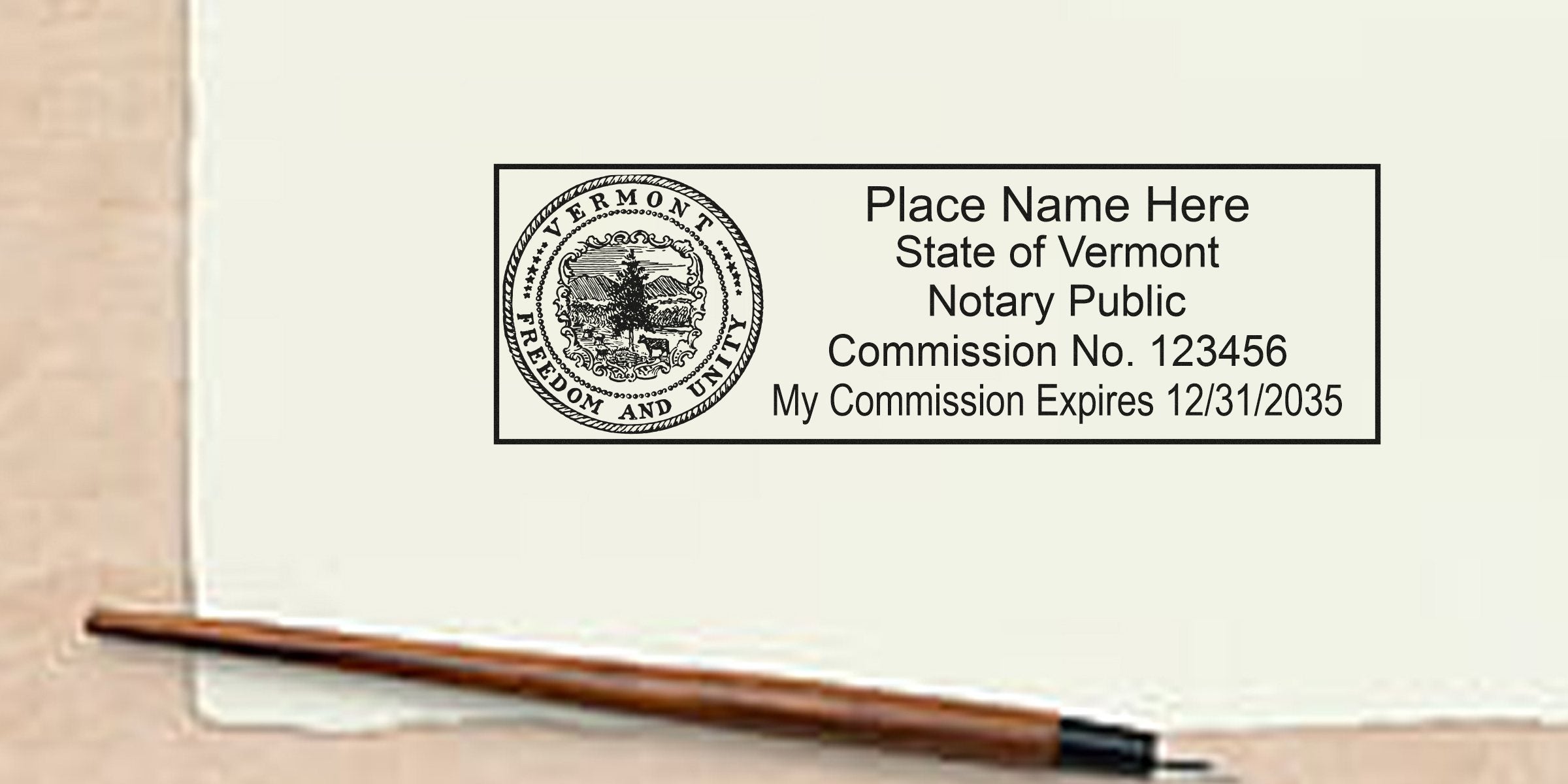
If you’re a notary in the Green Mountain State, having the right Vermont notary public supplies can make your everyday tasks feel simpler, more accurate, and well in line with local regulations. After all, nobody wants to scramble for a missing stamp or wonder if their seal meets state guidelines. Below, you’ll discover how to choose, use, and maintain the essential tools for a smooth notary experience.
Understand Why Supplies Matter
Legitimate and professional notarization isn’t just about stamping a document. It’s about trust, compliance, and efficiency. The right supplies help you:
- Stay within legal guidelines by using a stamp or seal that meets state standards.
- Save time during signings, avoiding confusion over missing or incorrect materials.
- Present a polished image to clients, which increases their confidence in your services.
Choose The Right Vermont Notary Stamp
Your notary stamp is a staple of your daily work. Whether you sign a handful of documents or hundreds every week, you want a stamp that’s crisp, clear, and durable.
Self-Inking vs. Pre-Inked
It can be tough to pick between these two styles. Here’s a quick look:
- Self-Inking: Has an internal ink pad, so you can make repeated impressions quickly. A popular choice for high-volume tasks. If you want a self-inking option that meets state guidelines, check the Vermont Notary Stamp Self-Inking.
- Pre-Inked: Offers crisp, detailed impressions that look extra sharp. Although you need to re-ink after a while, it’s long-lasting and great for a neat appearance.
No matter which style you choose, it’s essential to follow Vermont Notary Stamp Requirements to ensure your imprint stays valid and up-to-date.
Find A Quality Notary Seal
In Vermont, some documents may require an official seal for extra security. This seal can come in two main forms: an embosser (raised impression) or an inked seal.
Embossing vs. Inked Seals
- Embossers: Create a raised circular imprint that’s difficult to forge. They add a traditional touch for special documents but can be tricky to read if photocopied.
- Inked Seals: Produce a flat impression using ink. They’re easy to see on copies, so they’re practical for everyday use.
You can browse a range of seals that meet Vermont Notary Seal Requirements so you’re never left guessing whether yours is compliant.
Rely On Trusted Service
Finding high-quality stamps and seals doesn’t have to be complicated. Acorn Sales has been a stamp-and-seal maker for over 60 years, and they understand exactly what local notaries need:
- Quick turnaround, so you’re never left waiting for key items to arrive.
- State Board guarantee, meaning the product designs align with Vermont’s current notary regulations.
- A proven track record that gives you peace of mind, instead of worrying about replacing or reordering subpar supplies.
If you want to explore all-in-one solutions or specific items, you can check out a variety of Vermont Notary Supplies to suit your workflow.
Your stamp remains valid as long as your notary commission is active. If your commission expires or if your stamp wears out, you’ll need a replacement. Checking in once a year for any state updates is a smart practice.
Having reliable Vermont notary public supplies in your toolkit ensures every stamp or seal you apply is clear, compliant, and professional. By partnering with a trusted supplier like Acorn Sales, you’re positioned for a smooth notary experience from day one. Feel free to share your favorite stamping tips or experiences with fellow notaries—your insights might be just what another professional is looking for!
Frequently Asked Questions
Do I Need A Vermont Notary Stamp?
In Vermont, you’re required to use a notary stamp or seal to authenticate your documents. This allows officials and clients to verify that each notarization is legitimate and recognized by the state.
What Is The Turnaround Time?
With Acorn Sales, orders typically ship quickly, often within a few business days. If you have deadlines, you can request expedited options.
Which Ink Color Should I Choose?
Black ink is a standard choice because it’s typically easiest to read across various documents. However, some preferences or local office policies may allow other colors, such as blue. Always confirm your chosen color meets state guidelines.








