
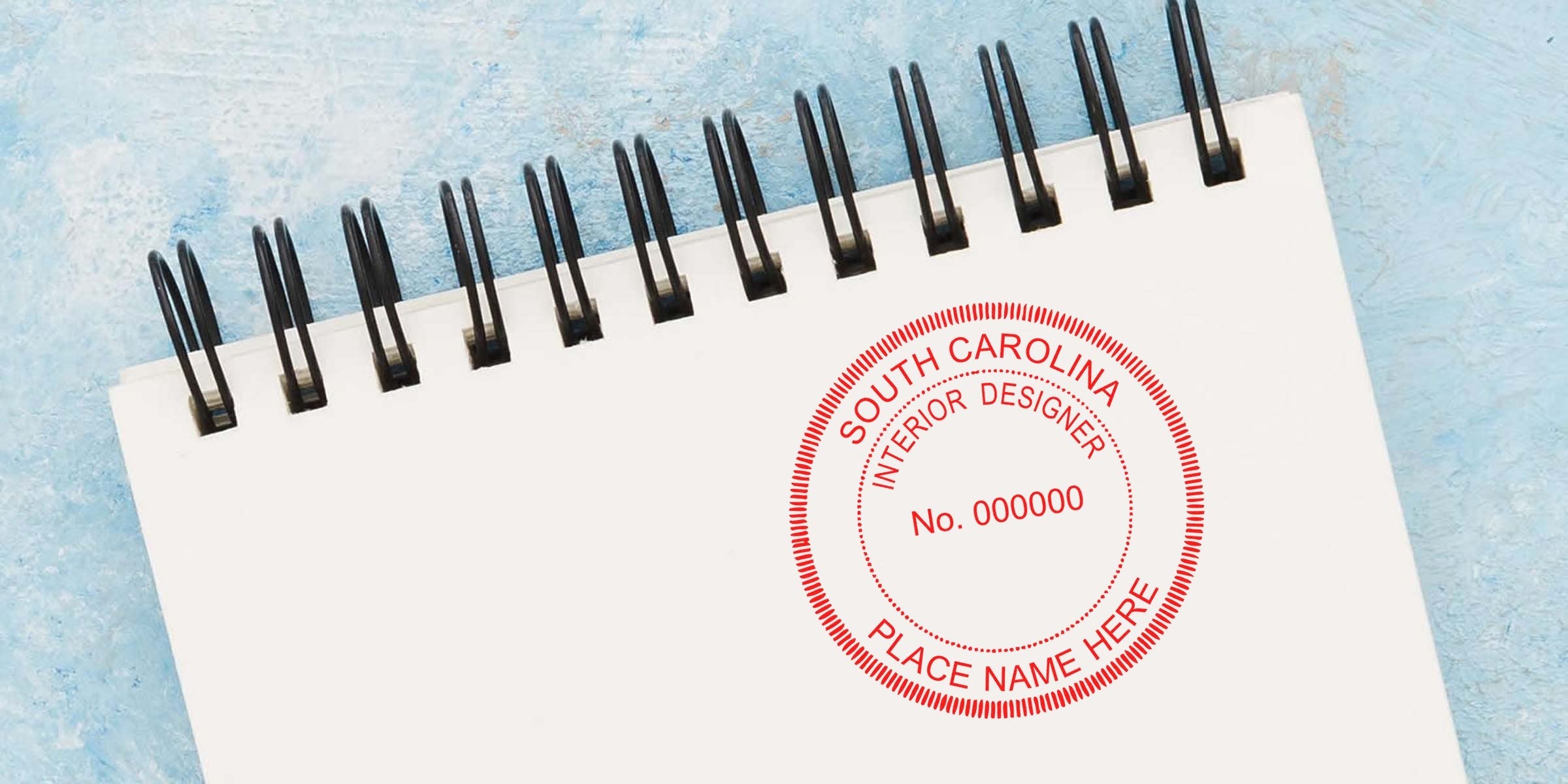
If you’ve been looking into South Carolina interior designer stamp laws, you’ve probably realized they can feel a bit confusing at first. What do you really need to know to stay compliant, keep your business running smoothly, and make sure your designs pass muster? Take a deep breath: you’re in the right place. In this post, we’ll walk through the essentials of obtaining and using a stamp and seal within South Carolina. We’ll also touch on some practical tips to help you avoid common pitfalls and keep your projects moving forward.
By the time you’re done reading, you’ll have a clear picture of what’s expected of you, where to get the right stamp, and how to keep everything above board. Ready? Let’s dive in.
Understand SC Stamp Laws
South Carolina’s regulations for interior designers can feel overwhelming because they include multiple guidelines and references to state boards, licensing bodies, and official documents. The big takeaway is that whenever you’re practicing as a licensed interior designer in the state, you may need a properly formatted stamp or seal to sign off on your work. This requirement is intended to ensure the public’s safety and maintain professional standards.
South Carolina interior designer stamp laws often reference official seals, which confirm your credentials and give clients, contractors, or code enforcement a clear sign that your plans meet statewide standards. If you’re thinking, “It’s just a stamp, right?” you’re partially correct. But it’s also a visible declaration that you adhere to the rules and follow professional guidelines. That makes it a significant step in your overall licensure and practice.
Because these requirements can change, it’s wise to consult the South Carolina Board of Architectural Examiners and any updated legislation that spells out what your stamp or seal must include. If you’re aiming for a deeper look at the specific design elements and sizing, you can browse South Carolina interior designer stamp requirements for more personalized insights.
Recognize Your Requirements
Each state has its own take on what licensure means for interior designers. In South Carolina, the licensure process generally involves:
- Earning a degree from an accredited program.
- Completing a set number of supervised work hours.
- Passing specific industry exams (often the NCIDQ).
- Registering with the state board.
Once you’ve cleared these hurdles, the next piece is showing proof in your documentation. This is where the stamp or seal comes into play. According to South Carolina’s guidelines, your seal should include:
- Your name as listed on your license.
- The words “Registered Interior Designer.”
- Your license number for easy verification.
You might wonder: “Will paper or digital plans need the same seal?” Typically, yes. In most cases, you’ll use an actual, physical stamp on printed materials and an electronic seal for digital PDFs or other file formats. That’s why it’s a good move to secure both a physical stamp and an electronic seal. This equips you to handle any format your projects require, so you never miss a beat when a client or building official requests your documents in a particular format.
Choose the Proper Stamp and Seal
Different tools serve slightly different purposes, so the choice of stamp can depend on the format of your work. A self-inking stamp, for example, is great for quickly stamping multiple documents—just press and go. A pre-inked stamp offers crisp, steady impressions for detailed designs. And then there’s the handheld embosser, which physically indents your paper for a classic, professional look.
You also want to secure a digital seal, especially if you frequently submit electronic plans. The digital seal should match your paper stamp header, but it’s applied to PDFs or other file formats before you send them off. This approach ensures uniformity and clarity, which helps to avoid confusion on the receiving end.
At Acorn Sales, we’ve been providing stamps and seals to professionals since 1964. We know the ins and outs of designing a stamp that aligns with South Carolina’s requirements—without any fancy extras you don’t need. Plus, you’ll get a free electronic seal with your order, making it a breeze to handle any digital projects that come your way.
Stay Compliant with the Board
Let’s be honest: rules can change. Licensing boards might decide a certain line of text needs to appear on your seal, or they could add new guidelines for electronic submissions. You don’t want to scramble at the last second to update your stamp if there’s a new requirement that takes effect next year. That’s why it’s important to keep a steady eye on the latest instructions from the South Carolina Board of Architectural Examiners.
It’s also smart to review design or plan submission requirements in different counties or municipalities across South Carolina. On rare occasions, local building departments might have unique processes for verifying your credentials, such as specific forms or additional proof of licensure. If you stay proactive with your research, you’re more likely to catch any new mandates before you face a project delay.
One simple hack? Make a habit of checking the board website or industry newsletters every few months. Many local and state professional organizations publish alerts whenever new rules come down. By staying informed, you’ll avoid hiccups and maintain a polished, professional reputation.
Avoid Common Mistakes
There are a few recurring slip-ups designers tend to make when they first navigate these rules. Recognizing them in advance saves you from frustration and potential penalties:
-
Not Renewing on Time
If your license lapses, your stamp or seal effectively becomes moot. That’s a risk you definitely want to avoid. Put a reminder in your calendar to renew your license a month before it’s due. You’ll thank yourself later. -
Using Personal Logos Instead of the Official Format
While personal branding is great, your official stamp must follow the board’s layout. Adding extra text or images can create confusion or, worse, violate the specifications you’re required to meet. -
Forgetting to Add Your Signature
Some boards require a signature (physical or digital) adjacent to your seal. Make sure you check whether your final plan set needs your signature in addition to the stamp. -
Overlooking Digital Security
If you’re sending digital documents, ensure your file is secure. An electronic signature or seal can be tampered with if you don’t lock down the PDF. Look into password protection or a secure file-sharing platform. -
Failing to Keep Records
You never know when you might need to confirm exactly how and when your documents were sealed. Keep organized records—both physical and digital—so you can backtrack if a project’s validity is ever questioned.
Order from Acorn Sales
So, you’re sold on the need for a proper stamp or seal. Now what? Ordering from a trusted supplier ensures you get a product that meets all local requirements and stands the test of time. That’s where Acorn Sales comes in. We’ve been serving professionals since 1964, and we’re committed to delivering top-quality stamps, seals, and embossers that align with South Carolina interior designer stamp laws.
When you place your order:
- You’ll gain peace of mind that your stamp or seal satisfies South Carolina’s specific guidelines.
- You’ll automatically get a free electronic seal, saving you the extra step of shopping around or designing one yourself.
- You’re tapping into decades of expertise, so if you have questions, we’re here to help.
Ordering is straightforward. Just decide on the style of stamp you want, provide the required details (your name, license number, etc.), and we’ll take care of the rest. If you need a sealed sample or have customization questions, a quick call or email to our team will clear things right up.
Summing It All Up
Getting your South Carolina interior designer stamp may feel like a small part of your business, but it’s actually a critical piece of the puzzle. It underscores your professional legitimacy, meets licensing requirements, and provides clients and officials with real proof that you’ve done everything by the book.
The best part? The process doesn’t have to be complicated. Once you know what the state board expects and why your stamp or seal matters, you’re on a straightforward path. Keep your licensure current, use a proper stamp with consistent formatting, and stay tuned to any adjustments in the regulations. That’s it. You’re set up for success, especially if you take advantage of the convenience and reliability offered by Acorn Sales.
Ready to get started? Reach out today to order the perfect stamp and get that free electronic seal. You’ll feel more confident stepping into any project, knowing your official credentials are in full compliance.
Feel free to reach out if you have more questions, or if you’re ready to place your order. Having the right stamp and seal not only keeps your projects legit but also saves you time and worry in the long run. Happy designing!
Frequently Asked Questions
Do I really need a stamp or seal to practice interior design in South Carolina?
Yes. While there may be some minor exceptions or certain projects that don’t require official documentation, you’ll typically need to stamp any plans submitted to permitting offices or clients. Staying compliant helps avoid legal hurdles down the road.
What requirements does the state board have for the text on my stamp or seal?
Generally, your stamp should include your name as it appears on your registration, your license number, and the words “Registered Interior Designer.” Double-check current guidelines to keep your stamp up to date with the latest rules.
How often should I renew my license?
License renewal is usually an annual or biennial process, but it’s best to confirm with the South Carolina Board of Architectural Examiners. Missing your renewal window could risk your ability to practice—and make your seal invalid.
Is there a difference between a physical stamp and an electronic seal?
Essentially, they serve the same purpose, just in different formats. A physical stamp or embosser is used on printed materials, while an electronic seal is added to digital files. It’s smart to have both on hand so you can easily cover any submission method.
Where should I order my seal?
A reputable supplier like Acorn Sales can provide a stamp fully compliant with South Carolina interior designer stamp laws. We’ve been in business since 1964 and offer a free electronic seal with every purchase, so you’ll be ready for any project format.








