
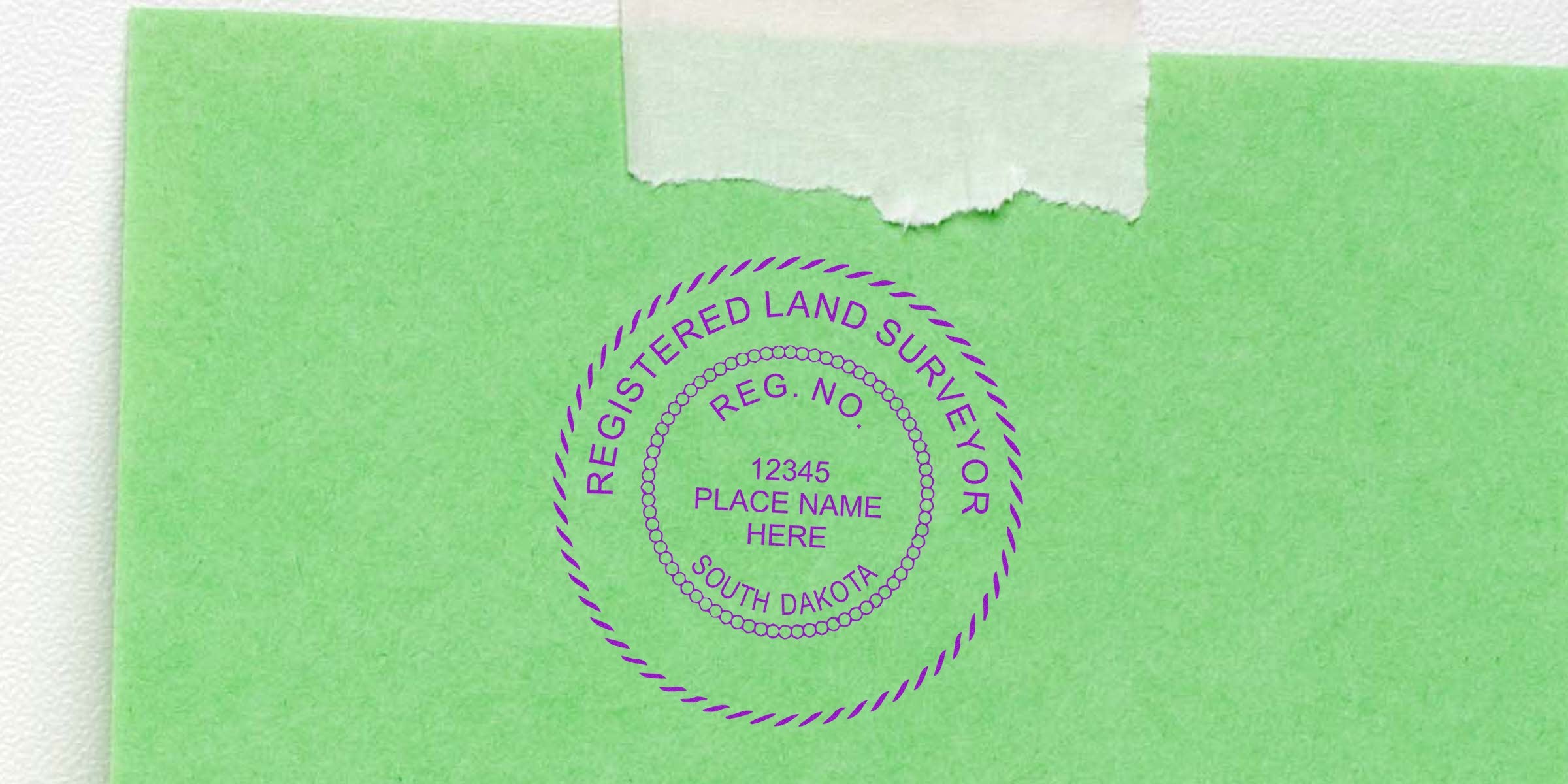
Are you looking for clear South Dakota land surveyor seal guidelines? You’ve come to the right place. If you find yourself scratching your head over the specifics—like what size your seal should be or when to actually apply it—take a deep breath. This guide walks you through each requirement, offers practical tips, and helps you avoid confusion. By the end, you’ll feel confident about meeting every rule and regulation that comes your way.
Whether you’re renewing your license or prepping for your first stamp, understanding these guidelines can save you from stressful compliance issues. You’ll also discover quick pointers on where to buy your official seal, along with tips on storing and applying it properly. Let’s dive in.
Understand the Regulatory Context
You might wonder who makes the rules for your land surveyor seal and stamp in South Dakota. Typically, the state’s licensure board sets regulations to ensure consistency and professionalism. These rules are put in place to protect clients and maintain industry integrity.
Before you do anything else, visit the official South Dakota board website or review any documents they’ve provided during your licensing process. They often publish updates or clarifications that you’ll want to keep on your radar. If you see mentions of specific laws, note them. They’ll come in handy if you ever need to double-check certain points.
Keep a running list of the key regulations. For instance, state boards often define the seal’s format, the type of information it must include, and when you’re allowed to use it. Jot these details down, especially if you’re working on a tight project timeline. You don’t want to realize halfway through a project that your seal format is outdated.
- Double-check your licensure documents for specific seal-related rules.
- Make sure you know whether electronic seals are allowed.
- Confirm any renewal steps so you’re never behind on compliance.
Ultimately, the regulatory aspect is more than bureaucratic red tape. It establishes trust between clients, public entities, and you, the professional. When you present a properly regulated seal, it’s like handing over your personal guarantee of quality work.
Check the Required Design Elements
Next up, you’ll need to figure out what your actual seal design should look like. Most states, including South Dakota, require a circular or rectangular format that displays your name and license number. The text “Professional Land Surveyor” or a recognizable abbreviation usually frames the border.
If you aren’t sure about the font or layout, you can often find examples through your board’s website. Alternatively, you might talk to colleagues or mentors who already own an official South Dakota land surveyor stamp or seal. Ask them if their format has ever run into trouble. Their personal experience could save you from costly do-overs.
One helpful step is to draft a mock-up. You can do this on paper or use online design tools. Double-check the sizing—your state might specify a minimum diameter for a circular seal or length for a rectangular one. The letters should also be legible at a standard reading distance.
- Include your full legal name, exactly as it appears on your license.
- Add your license number in a clear, readable format.
- Incorporate wording that clearly identifies you as a land surveyor.
For more information about specific design obligations, you can also check the official south dakota land surveyor stamp requirements. It’s all about making sure your seal is easy to interpret and meets professional standards.
Use Appropriate Materials
Once you’ve settled on a design, you need to pick the right materials. After all, a flimsy ink seal might fade or smudge, which isn’t exactly what you want on important legal documents. Most South Dakota surveyors rely on a high-quality rubber stamp or an embosser, but your choice depends on how you plan to use it.
Rubber stamps are often more convenient for quick applications. They leave a crisp imprint that is easy to scan or photocopy, which can be important if many departments need copies of your work. However, if you’re dealing with official or archival documents, an embosser might be the way to go. Embossed images provide a raised impression, making it clear if the document has been tampered with.
Some professionals prefer to have both. That way, they can stamp most documents with ink for everyday use, yet switch to an embosser when a client or office requests it. If you’re unsure which to pick, think about your workload and the usual demands of your clients.
- Consider the longevity of your chosen materials.
- Make sure the ink color meets state or client preferences.
- Keep extra ink pads or embosser plates on hand for emergencies.
Once you have your official seal, test it out on a scrap paper. Check that all text and numbers are clearly visible. If something’s off, contact your supplier right away for a fix. It’s better to correct an error now than after applying it to legal documents.
Follow Proper Application Protocols
Acquiring the right seal is only half the battle. Next, you need to know exactly where and how to apply it. In general, you’ll affix your seal near your signature on final drawings and important reports. Make sure the imprint doesn’t overlap any critical text or lines.
Many states require that the seal be accompanied by a signed and dated statement. This confirms that you, as the licensed land surveyor, take responsibility for the reliability of the information. South Dakota might also insist on a mandatory phrase or note when sealing certain types of documents. If that’s the case, keep a template handy so you don’t forget to include it.
Electronic sealing is another aspect to consider. Some boards now accept digitally signed and sealed documents, provided they follow strict security protocols. If you plan on sending your reports electronically, confirm that your seal meets encryption or digital certificate standards. Failure to comply can invalidate your submission.
- Always place your seal in a spot that doesn’t obscure details.
- Add the date of signing and sealing for legal clarity.
- Use consistent formatting across all documents for a professional look.
Think of your seal as a personal signature on steroids. Wherever you place it, you’re effectively claiming the work as your own. That’s why you should never let anyone else use or control your stamp, even if they’re your closest colleague.
Keep Your Seal Secure
Speaking of controlling your stamp, security can’t be an afterthought. Your seal isn’t just a fancy design—it represents your legal responsibility. If it lands in the wrong hands, someone could attach your name to documents you never created. That can lead to legal nightmares and damage your reputation.
Make a habit of locking your seal in a safe drawer or cabinet whenever you’re not using it. Many professionals also keep a simple usage log, especially if multiple people have access to the same workspace. Note the date and the document name each time you stamp something. This protects you from disputes, helping you prove you didn’t authorize a questionable document.
If you prefer digital seals, set strong passwords. Also, limit access to the software that generates your electronic seal. In some cases, state regulations explicitly outline digital security measures. Stay updated on any changes. Data breaches can happen to anyone, so it’s wise to treat your digital seal with the same caution you’d give to your physical one.
- Store physical stamps and embossers in a locked drawer or safe.
- Use passwords or encryption for digital seal applications.
- Consider backing up your usage log for added peace of mind.
Security might not be the most glamorous part of the job, but it’s definitely one of the most crucial. A few simple precautions can spare you mountains of stress later on.
Where To Buy Your Seal
Now that you’ve tackled design, materials, and application, you’re probably wondering, “Where do I actually get this thing?” That’s where a trusted supplier comes in. If you’d like a recommendation, check out Acorn Sales. We’ve been in business since 1964, and over the decades, we’ve helped countless professionals obtain reliable South Dakota land surveyor stamps and seals.
One of the nice things about working with a longstanding supplier is they usually know the ins and outs of your local regulations. At Acorn Sales, we also include a Free Digital Seal with your purchase. That’s a huge perk if you handle lots of electronic documents or work with geographically distant clients. Plus, we offer multiple stamp types—rubber, self-inking, and even embossers—so you can choose what fits your style of work best.
Whether you need a basic ink stamp or a more sophisticated embosser, it pays to invest in quality. Subpar tools wear out quickly, smudge your documents, or risk being deemed noncompliant. Worse yet, you might end up replacing them sooner than expected, doubling your costs. A reputable company ensures your investment holds up, so you can focus on surveying instead of reordering supplies.
If you legally change your name or if your license number updates for any reason, you’ll need a new seal. Double-check with the board on the exact process. They may request official proof of the name change, along with an updated license. After that, you can order a new stamp or embosser that reflects your current credentials.
In the end, navigating South Dakota land surveyor seal guidelines isn’t as overwhelming as it might seem at first. With the right supplier, a clear understanding of the rules, and a solid plan for using and storing your seal, you’ll run your surveying business smoothly. After all, your seal represents your professional reputation—so it’s worth doing it right the first time. If you have any lingering questions, don’t hesitate to seek out your state board or a trusted stamping company for extra peace of mind. Happy surveying!
Frequently Asked Questions
What Is The Official Dimension For A South Dakota Land Surveyor Seal?
South Dakota typically specifies a certain diameter for a circular seal and a set length for rectangular designs. Always reference the latest state board guidelines for exact measurements. If you’re even a fraction off, you could risk noncompliance, so measure carefully before finalizing your order.
Can I Use My Seal On Digital Documents?
Yes, but you must follow any digital security protocols required by the state. Many boards in the U.S. permit e-signatures and e-seals, but they often require encrypted files or approved document-sharing platforms. Make sure your software can apply and protect your seal properly.
Do I Need To Keep A Record Of All Stamped Documents?
It’s a good idea to maintain a log, even if it’s not explicitly mandatory in every scenario. Keeping track of each stamped or sealed document can protect you if there’s ever a doubt about whether you approved a project. It serves as your personal proof of work.
How Soon Can I Get My Official Seal?
Shipping times vary by supplier, but established companies often offer quick turnaround. Some vendors even provide expedited services if you’re in a rush. Once you receive your seal, give it a test run on scrap paper or a dummy document to confirm the quality before using it on client deliverables.








