
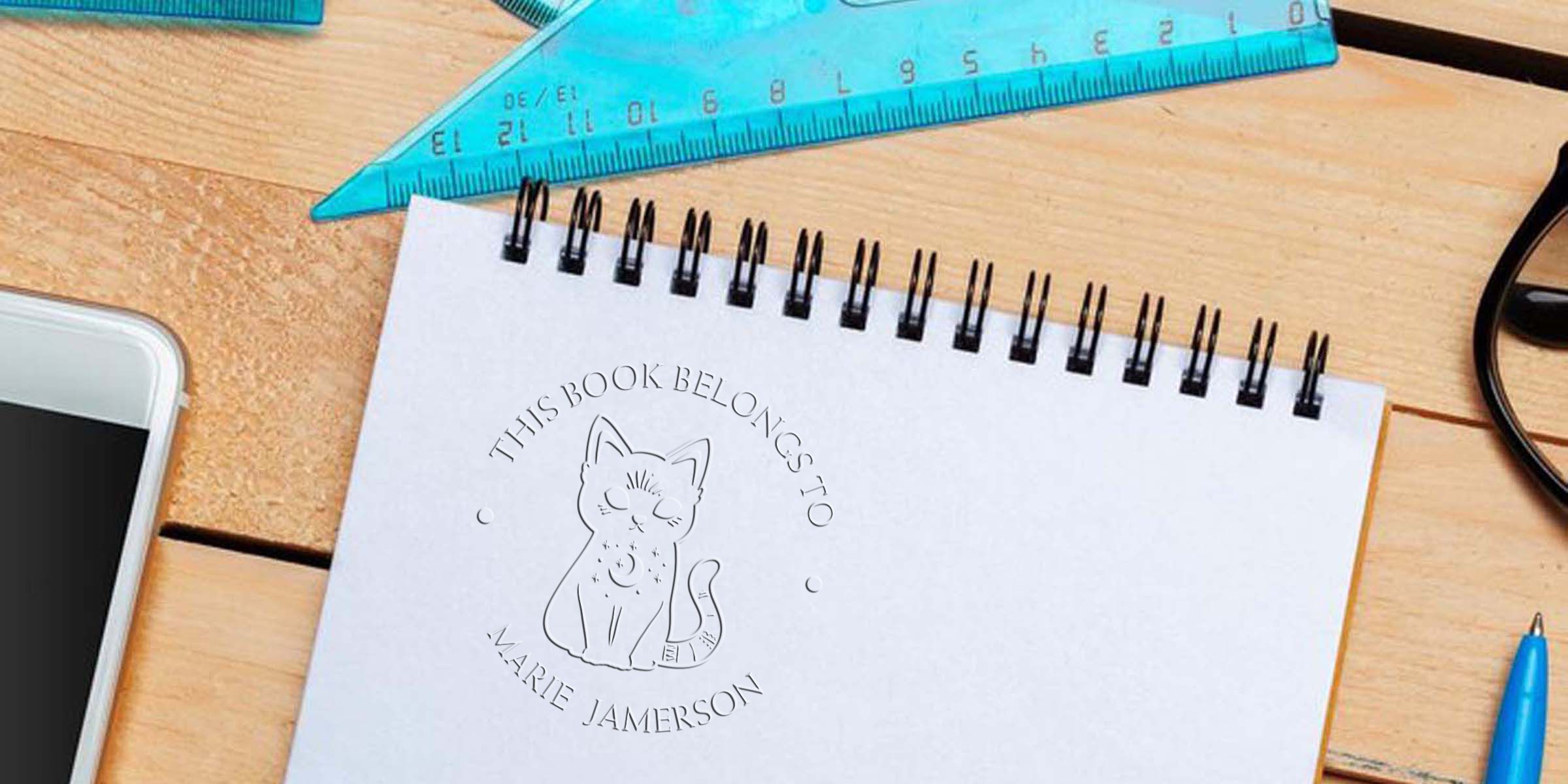
Have you ever wanted a subtle yet unmistakable way to show that a certain book on your shelf is truly yours? Maybe you’ve handwritten your name on the book’s inside cover, but you’re looking for something that pops a little more. If so, a custom embosser for books might be exactly what you need. There’s something downright magical about flipping open a favorite novel and seeing your personal seal pressed into the first page. Not only do you get to keep track of your belongings, but you also give each book you own a distinct identity.
Imagine you’re one of those folks who can spend hours wandering through a bookstore, always on the lookout for another literary gem. With a neatly placed embossed seal, you’re essentially telling everyone, “This is my story, my passion, and my collection.” At Acorn Sales, we’ve spent decades perfecting the art of personalizing embossers. In fact, we’ve been helping readers, authors, teachers, and collectors celebrate their love of books since 1964. Over the years, we’ve built a reputation not just for our high-quality stamps and seals, but also for quick turnaround and stellar customer service.
You’re here because you want something that feels truly yours. In this article, we’ll walk through how a book embosser works, which features to consider, and why it’s such a powerful statement piece for your library. We’ll explore different types of embossers (from handheld to desktop) and highlight design tips to help you create the perfect look. You’ll also find out how to care for your new tool so it lasts for years. Ready to dive in?
Understand Why You Need One
Books are more than paper and binding; they’re filled with stories and ideas that inspire, challenge, and entertain you. When you add a custom seal, it’s like giving each book a little handshake that says, “Welcome to my personal library.” But beyond the sheer fun of personalization, there are some practical reasons you might want your own embosser.
Create a Cohesive Collection
Whether you have a small shelf in your apartment or a sprawling home library, consistency creates a sense of unity. A custom embosser for books helps bring your entire collection together under a single style. Slip open your thriller or weigh down your nature guide, and there’s your graceful seal, reminding you of just how special each volume is.
- Emboss multiple genres, from classic literature to your favorite cookbooks.
- Keep a consistent design approach that matches your personal vibe.
- Use your embossed seal as a finishing touch before lending a book to a friend or classmate.
Protect Your Investment
If you frequently lend books or you’re part of a local reading club, you might find yourself wondering, “Will I ever get that book back?” A personalized seal goes a long way toward ensuring it finds its way home. Embossed pages make it crystal clear that this particular copy is yours.
- Ensure easy identification during book swaps or club meetings.
- Reinforce a sense of ownership, helpful for thick anthologies or pricey coffee table books.
- Deter casual borrowers from forgetting they ever got it from you.
Boost Sentimental Value
Reading isn’t just a hobby, it’s an experience—and that experience is often quite personal. Embossing underlines this sentiment. Every time you open the cover, you’re reminded that there’s a reason you picked that book in the first place.
- Give special meaning to rare editions or inherited volumes.
- Celebrate life events, like using a wedding gift book embosser on a volume you give to newlyweds.
- Create a lasting memory for the next generation of readers in your family.
Embossing goes beyond labeling. It’s about deepening the relationship you share with your favorite reads, while also fostering a sense of identity around your collection. Whether you’re a book club regular, a teacher establishing a classroom set, or a casual hobbyist, a neat, personal accent can elevate your books into something that feels altogether unique.
Discover How It Works
You might be wondering how a custom embosser for books actually works in practice. Embossing isn’t just stamping ink on a page—it involves pressing a specific design into the paper so that it’s physically raised or indented. The design can be as ornate as a classic monogram or as straightforward as your name and a date.
The Basics of Embossing
An embosser typically features two metal plates that clamp together, forming your chosen design. When you press them around the paper, they create a raised imprint. Here’s what normally happens step by step:
- You place the page or cover between the plates.
- You grip the embosser’s handle (or press the lever, depending on the style).
- The plates tighten around the paper, leaving a crisp impression that’s usually best read from one side.
- You’re left with a clean, oil-free, and ink-free mark of ownership.
It’s a surprisingly simple process, yet the results look refined—almost as if you hired a professional printing studio. Because there’s no ink, the impression won’t fade or smudge, which keeps your reading experience neat and tidy.
Key Elements to Consider
- Depth of impression: Different paper stocks respond differently to embossing. Thicker paper typically absorbs deeper impressions better. If you’re dealing with especially thick paper stock, a deep impression embosser for thick paper might be your go-to.
- Pressure mechanics: Handheld models rely on you to provide enough force, while desktop ones let you press a lever more easily. If you have a large number of volumes or prefer minimal effort, a desktop book embosser for high-volume use is a strong option.
- Design clarity: The complexity of your chosen design can influence how crisp the final impression looks. Simple line art often translates best, but that doesn’t mean you can’t get creative.
Enjoy a No-Mess Book Mark
Sometimes you want to mark your books without fussing with ink pads, stickers, or markers. That’s the biggest appeal of an embosser. It’s quiet, straightforward, and there’s virtually no cleanup. If you value keeping pristine pages, you’ll likely appreciate this sleek approach to personalizing your collection.
Pick Your Ideal Design
Designing your embosser is where things get really fun. This is your chance to let your personality shine, or reflect the tone of your overall library. Some designs are stately and vintage, featuring ornate borders and flowing script. Others are minimalistic—just your name encircled by a simple shape that complements modern aesthetics.
Consider Your Style and Purpose
Ask yourself: what vibe do you want to convey each time you open a book? If you’re going for a clean, contemporary feel, consider a typography-focused design. If you want something more whimsical—maybe for a kids’ library or classroom environment—look for playful shapes and fun fonts.
- A classic style might incorporate swirling typography with “Ex Libris” in front.
- A family reading nook might inspire a family library embosser carrying your last name.
- If the embosser is a gift, you could design a unique monogram with the recipient’s initials.
Don’t Forget Practical Details
While style is your main focus, consider the functional aspects as well. Some designs might have a lot of detail crammed into a small disc, which could reduce clarity. If you’re sharing with younger readers, you might choose bold lettering that’s easy to see and read.
- Ensure the text is legible, usually at least 10- to 12-point font if possible.
- Keep lines simple to avoid clutter, especially if you’re including a monogram plus text.
- Account for potential expansions, like if you plan to pass down your library or add new family members’ names.
Team Up With Acorn Sales
At Acorn Sales, we have a wide variety of embossing seal stamps you can choose from. We’ve been in business since 1964, so rest assured, we’ve gotten pretty good at matching designs to personal style. If you want something truly one-of-a-kind, we also offer a custom ex libris embosser with monogram and name. Our team is always ready to guide you through the process, be it picking fonts, deciding on shapes, or finalizing your brand-new emblem.
Explore Different Embosser Types
Not all embossers are created equal. Different setups cater to distinct needs, so it’s worth choosing one that aligns with your usage style. Let’s take a look at the main types on the market.
Key Embosser Categories
Below is a quick table outlining a few popular categories.
| Embosser Type | Best For | Notable Feature |
|---|---|---|
| Handheld Embosser | Occasional light use | Compact, requires manual pressure |
| Desktop Book Embosser for High-Volume Use | Large personal or school libraries | Lever-operated for minimal effort |
| Lightweight Portable Book Embosser for Travel | Traveling educators or authors | Easy to carry in a bag or briefcase |
| Interchangeable Design Plates Book Embosser | Multiple looks or seasonal designs | Swap out plates for varied impressions |
Each style has its perks. Handheld versions cost less than their heavier counterparts, so they’re a good entry point. On the other hand, a lever-based desktop model reduces the strain on your hands if you’re customizing a hefty library. If you’re someone who loves changing up designs, an interchangeable design plates book embosser can keep things fresh. And for folks who prefer to keep reading materials with them on trips or at work, a lightweight portable book embosser for travel is a great companion.
Specialized Features to Note
- Ergonomic handle: If you have grip concerns or plan to emboss many books, an ergonomic handle book embosser for comfort can make the process smoother.
- Delicate impression: Certain pages—like thin, vintage ones—require a gentler touch, so consider a delicate impression embosser for thin pages.
- No-ink approach: Many love the fact that they can mark up a book without risking ink smears. If you’re specifically searching for such a device, a no-ink book embosser is likely the right fit.
If you’re still not sure which style to pick, think about how many books you usually go through, how thick their pages are, and whether you need to take your embosser outside your home. That mental checklist should steer you in the right direction.
Learn How to Order
Designing and selecting an embosser can feel a bit daunting if you’ve never done this before. Fortunately, the ordering process is straightforward, especially when you’re working with a trusted supplier like Acorn Sales. We place a premium on quick turnaround—because who wants to wait weeks to start customizing their favorites?
Step 1: Gather Your Details
First, nail down exactly what you want to see on your seal. That includes your name, initials, or maybe a short phrase like “From the Library of.” If you’re creating an item for a classroom, you might want something like teacher library embosser. If it’s a gift for a fellow bookworm, consider something along the lines of gift for book lovers embosser.
- Decide on your final text, including any middle initials or monogram style.
- Know how you’d like the text laid out: curved, horizontal, or within a border.
- Think about whether you want to incorporate a small image, like a book icon or a classic flourish.
Step 2: Choose the Device
By now, you’ve likely decided which embosser type suits you best. Handheld? Desktop? Something with an ergonomic handle or an interchangeable plate? Each approach aligns with a different set of needs, so trust your gut and the advice you might receive from our customer service.
Step 3: Approve a Proof
Once your order is placed, you’ll typically receive a proof to ensure everything matches your vision. If you’re feeling uncertain, you might relate to those who get a proof approval book embosser. Reviewing the layout can spare you from surprises down the line.
- Check for typos or spacing issues.
- Verify font choice, overall layout, and ornamental elements.
- Confirm the design’s scale, so it doesn’t cover too large or too small an area on your page.
Step 4: Wait for Delivery
After you’ve approved the proof, your embosser should be on its way soon. Acorn Sales takes pride in offering fast production times—because we know you want to start labeling your library ASAP. Before you know it, you’ll be pressing that handle and customizing zero-ink impressions all over the place.
Maintain and Store Your Embosser
A quality embosser can last for years—if not decades—when cared for properly. Though embossers are relatively simple tools, taking a few precautionary steps ensures crisp impressions and a smooth experience each time.
Keep It Clean
Dust and debris can accumulate inside the metal plates, resulting in faint or uneven impressions. Regular, gentle wiping is usually enough.
- Use a soft cloth to remove any buildup or paper fibers.
- Avoid harsh chemicals that could damage the metal or the design.
- If you notice a sticky residue (perhaps from adhesives or tape on the paper), use a mild cleaner on a cloth, not directly on the plates.
Store It Safely
You don’t want your embosser rattling around in a drawer, getting bumped by heavy scissors or staplers.
- Keep it in a dedicated box or pouch, especially if you have a gift-ready book embosser with storage case.
- If you have an interchangeable design plates model, store extra plates in separate padded envelopes or compartments to prevent scratches.
- For prolonged storage, consider wrapping the embosser in a soft cloth so it stays dust-free.
Check Periodically for Alignment
If you’re using a handle-based model, the plates might shift or wear down slightly over time, potentially causing off-center impressions. Keep an eye on alignment.
- Emboss a scrap piece of paper every few months to test the impression.
- Watch for any warping or signs of uneven pressure.
- Contact your supplier (like us at Acorn Sales) for guidance if you notice a shift.
By following these simple tips, you’ll preserve the integrity of your embosser’s metal plates and ensure that every impression stays as crisp as the day you bought it.
Final Thoughts on Investing in an Embosser
A custom embosser for books isn’t just a novelty item—it’s a celebration of your personal reading journey. Whether you’re labeling your entire home library or gifting a unique creation to a fellow bibliophile, there’s a sense of pride in that embossed imprint. It’s practical, adding a layer of protection and ownership, but it’s also deeply personal, reflecting your taste in design.
Beyond practicality, each embossed page brings a subtle smile. Think of it this way: the moment you flip through the pages of a newly purchased novel, you can seal it with your signature mark. You’re forging a small connection with the literature you choose to keep.
Meanwhile, you’re joining a tradition that spans centuries, harking back to times when librarians meticulously labeled their collections and authors took special care to mark their manuscripts. The technology might be simpler now, but the essence remains: you’re adding a sense of tradition to your books. If you ever plan on passing down your collection or keeping it in tip-top shape for posterity, an embosser can enhance that long-term sentiment.
And remember, if you need help picking the perfect design, or you have questions about the best style for your paper stock, Acorn Sales will be there for you. We’ve spent more than 60 years refining our seals and stamps, fine-tuning the process so you can have an embosser that fits like a glove.
With proper handling and storage, a well-made embosser can last for many years. The metal plates are durable, so they don’t degrade easily, especially if you clean out any debris and avoid rough handling.
That’s it—your journey to a neat, personalized library starts now. Whether you’re a passionate reader or you simply like to keep your favorites in order, a custom embosser transforms any book into something distinctly yours. If you have more questions or need design inspiration, feel free to check out our selection at Acorn Sales. Happy embossing!
Frequently Asked Questions
Can I Use My Embosser on Different Paper Weights?
Yes. However, the impression may vary by paper thickness. If you have extremely thick pages, look into a deep impression embosser for thick paper. For thinner pages, go with a design that won’t tear or wrinkle the sheets, such as a delicate impression embosser for thin pages.
Will My Embosser Work on Hardcover Book Covers?
That depends on the cover’s material and thickness. Most embossers are primarily meant for interior pages. If you try to emboss an extremely thick hardcover, you might not get as crisp of an impression.
What If I Want to Personalize Multiple Libraries or Collections?
An interchangeable design plates book embosser might be your best friend here. You can swap out plates for different family members or even for a separate collection, such as your cookbooks vs. your classic fiction.
Is It Better to Emboss the Title Page or a Random Page?
It’s completely up to you, but most people emboss the title page or the first page after the cover for maximum visibility. Some folks also place their embossed mark near the end of a book as a fun surprise for anyone who reads all the way through.
Do I Need to Maintain My Embosser Regularly?
Regular care is brief but makes a huge difference. Wipe it down periodically, store it in a safe place, and test the alignment from time to time. This basic upkeep ensures consistently clear impressions.








