
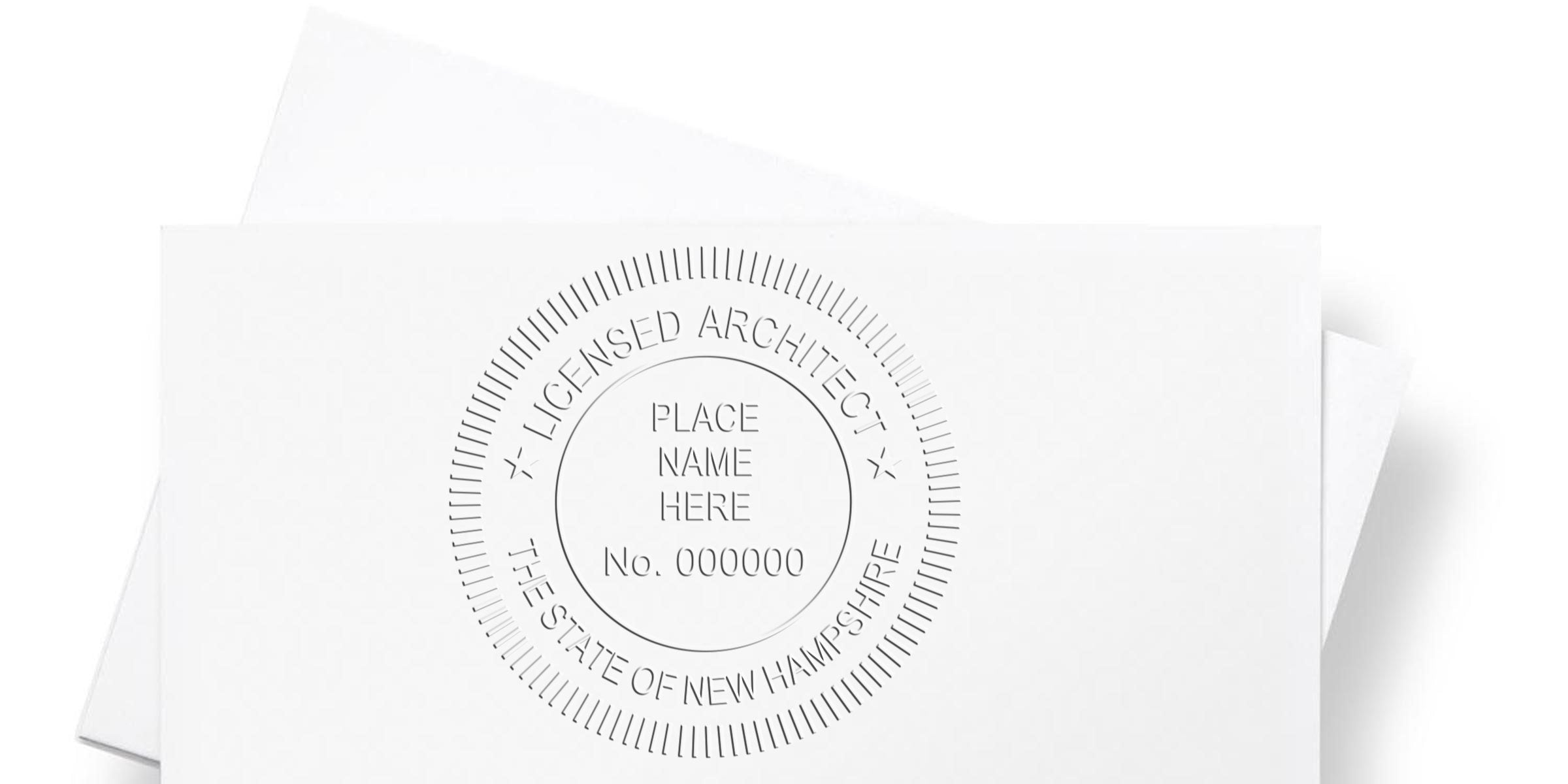
Natural light and clever lighting design can absolutely transform a space—but what about the clarity of your professional credentials? If you’re licensed as an architect in the Granite State, you already know: New Hampshire Architect Seal Regulations are essential to follow. In this article, we’ll walk through what you need to know and how to stay compliant every step of the way.
Understand New Hampshire Architect Seal Regulations
State regulations set the tone for how your official seal should look, when it should be used, and the paperwork required. If you miss a detail, you could face an administrative headache and potentially risk your license.
Follow the Official Guidelines
- Design Requirements. The New Hampshire Board of Architects provides specifications on size, wording, and layout.
- Proper Usage. Always place your seal on finalized drawings, reports, or documents you prepare or supervise.
- Consistency Matters. If you’re using a digital seal, ensure it matches the approved layout and remains readable on all file formats.
Not sure about specific design elements? Check out our handy resource on New Hampshire Architect Stamp Requirements for more details.
Acquire a Reliable Stamp or Seal
Since you’re working in a highly regulated field, you want to invest in a state-compliant seal. At Acorn Sales, we’ve specialized in providing New Hampshire Architect Stamps and Seals for over 60 years. Our stamps come in physical and digital formats, ensuring you’re prepared for any project.
Why Choose Acorn Sales?
- Trusted Supplier. We’ve been making professional stamps and seals for six decades, giving us a wealth of experience to back our products.
- Quick Turnaround. We know you’re busy, so we aim to ship your order fast while guaranteeing professional quality.
- Compliance Guaranteed. Our stamps and seals consistently meet or exceed state standards, so you can breathe easy about passing any audits.
Maintain Long-Term Compliance
Once you have your seal, you’ll want to keep everything up to date. Laws can change, and your seal design or usage rules might shift over time.
Stay Aware of Potential Changes
- Periodic Board Updates. The New Hampshire Board of Architects occasionally revises guidelines, so stay plugged in to official announcements.
- Document Everything. Make sure you track when you seal or stamp your documents and keep copies on file.
- Renew on Schedule. Ensure your license, stamp, and any digital certificates are always renewed by the deadlines.
We hope this overview has cleared up the main questions around New Hampshire Architect Seal Regulations. If you have further concerns, the best next step is to review state guidelines in detail or reach out to the New Hampshire Board of Architects for clarification. Remember, a compliant seal helps protect your professional reputation, so it’s well worth the small effort to get it right. And whenever you’re ready to order or update your own stamp, Acorn Sales is here to help.
Frequently Asked Questions
Do I need both a physical and digital seal?
You typically need at least one physical seal. Digital seals are handy for online submissions, but confirm with the Board if electronic formats are fully accepted for your scope of work.
Can I stamp preliminary plans?
Preliminary or draft documents generally should not bear an official stamp, as sealed documents imply finality. Check your Board’s guidelines for exact rules on intermediate drawings.
What if my seal design changes?
If you revise your seal design—say, updating your license number—be sure it still meets the Board’s layout standards. Retire your old seal to avoid confusion.
Do I need to store a record of documents I seal?
Yes, it’s wise to keep a digital or physical archive of sealed materials, at least for the duration recommended by the Board.
Are self-inking stamps valid?
Yes, as long as the imprint meets state regulations. Self-inking stamps can save time and produce consistently clear impressions.
How do I handle lost or stolen seals?
Notify the Board immediately if your seal is compromised. Consider replacing it to maintain strict control over its use.








