
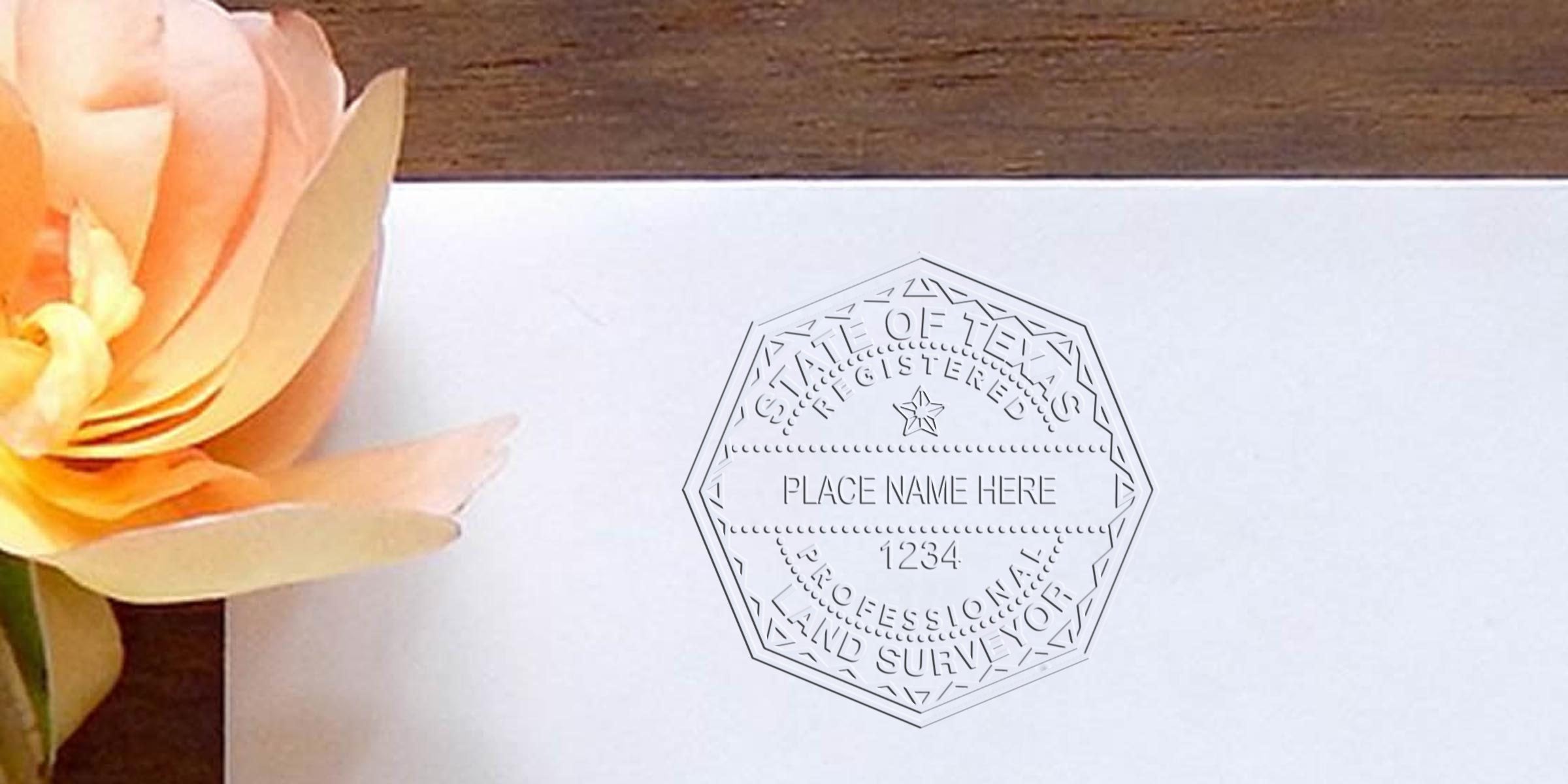
Whether you’re just starting out in your surveying career or looking to refresh your knowledge, Texas land surveyor seal guidelines can feel a little daunting at first glance. After all, these rules define how you authenticate your professional documents, drawings, and property boundaries. But the good news is, they’re easier to follow than you might think. In this post, you’ll learn exactly what’s involved with obtaining and using a Texas land surveyor seal, including the essential do’s and don’ts. Together, we’ll walk through requirements, how to avoid common pitfalls, and ways to keep your stamp or seal fully compliant.
By the time you’re finished reading, you’ll know the practical steps to secure your seal, maintain compliance, and tackle official surveying documents with confidence. Think of it as your simplified roadmap to staying in line with state regulations, so you can focus on doing what you do best: delivering reliable land surveys that clients trust.
Understand the Basic Requirements
You might be wondering why guidelines for your seal matter in the first place. The state of Texas sets these standards to ensure the authenticity and reliability of professional land surveys. When you adhere to these requirements, you’re not only following the law, but you’re also reinforcing the trust that clients place in your work.
Why These Guidelines Exist
- They safeguard public interest by confirming that a licensed surveyor is responsible for the survey.
- They establish uniformity across the profession, minimizing confusion on official documents.
- They promote quality control, since stamps and seals aren’t valid unless they match specific rules.
If you’re curious about more details regarding legal frameworks and specifications, you can also refer to the texas land surveyor stamp requirements for added clarity. These resources help you understand the difference between a seal and a stamp, and how each factor plays into the overall process.
Know the Stamp vs. Seal Distinction
It’s easy to use the terms “stamp” and “seal” interchangeably, but they can have slightly different implications. In many cases, a “seal” refers to the raised impression created by an embosser, while a “stamp” usually involves an ink-based or self-inking device that leaves a marked impression. You may use one or both depending on your preference and obligation, as long as you comply with official guidelines.
Key Elements of Your Seal or Stamp
Your Name and License Number
Make sure your legal name appears exactly as it does on your surveying license, along with the current, valid license number.The Words “Registered Professional Land Surveyor”
This phrase confirms you’re a licensed professional and not a trainee or unlicensed worker.State Identifiers
The seal should include a clear designation that it’s meant for use in Texas.
If any of these items are missing, your seal could be considered invalid, which nobody wants. A little attention here goes a long way toward maintaining compliance.
Follow Placement and Usage Rules
Where exactly do you place your seal or stamp? Typically, it needs to appear on every page or sheet of a final survey document. Some guidelines lean toward either an embossed seal or a rubber stamp on all plan sheets, but always double-check the Texas rules at the time you’re finalizing your project. You might also find that some documents require both an original signature and date near the seal. While it may feel like extra effort, it’s a critical step to maintain the legal standing of your surveys.
Common Pitfalls to Avoid
- Forgetting to re-seal every separate sheet.
- Missing a signature or date next to the seal.
- Using outdated stamps, like those printed with an expired license number.
Take a moment to review each sheet before sending out documents. Catching these details early can save you from big headaches later.
Explore the Benefits of Acorn Sales
When it comes to ordering your Texas land surveyor seal or stamp, consider a trusted supplier with a longstanding reputation. At Acorn Sales, we’ve spent over 60 years crafting high-quality stamps, seals, and embossers for professionals nationwide. Not only that, but we also include a free digital seal with your purchase, so you can keep a copy on hand for quick electronic document submissions.
Why Choose Acorn Sales
- More than 60 years in business means you benefit from deep expertise.
- Free digital seal with your order simplifies your electronic filing.
- High-quality materials ensure your stamp or embosser will last.
Your surveying work demands precision. By partnering with a company that understands industry requirements, you’ll have one less thing to worry about while you focus on serving clients.
Acquire Your Seal Step by Step
Feeling ready to take action? Here’s a straightforward approach to getting your stamp or embosser and making sure it aligns with all required Texas land surveyor seal guidelines.
Confirm Your License Is Active
Before doing anything else, double-check your license status. If your license has lapsed or is due for renewal, you’ll want to address that first.Select the Right Type of Device
Decide whether you prefer a rubber stamp, self-inking stamp, or embosser. Some surveyors like to have both, especially if they need physical impressions on larger plan sheets and a quick stamp for smaller documents.Customize With Accurate Information
Provide the exact name and license number that appear on state records. This step is crucial for meeting the official requirements.Incorporate “Texas” and Required Wording
Include the phrase “Registered Professional Land Surveyor” along with any mandatory text or symbols. If you’re unsure whether something belongs, check your local regulations or contact your supplier for guidance.Order From a Reliable Vendor
Look for suppliers like Acorn Sales, who not only understand the legal guidelines but also provide durable products and a digital file for online submissions.Test Your Seal on a Draft Document
Give it a quick try on a spare page. Make sure the impression is crisp, clear, and includes all necessary text. If needed, adjust the pressure or ink.Sign and Date Where Required
For final documents, remember to include your signature and the date near or across the seal, depending on the specific legal requirements.
By following these steps, you’ll be ready to stamp or emboss with confidence.
Maintain Compliance Over Time
It’s not enough to get a proper seal once, then forget about it. Regulations can change, and licensing boards may update certain requirements periodically. Staying on top of these changes is incredibly important.
Ongoing Best Practices
- Keep tabs on your license expiration date, and renew before it lapses.
- Check for regulation updates from the Texas licensing authority at least once a year.
- Inspect your seal or stamp for wear and tear, replacing it when impressions fade or become illegible.
- Make sure any digital files are current, as your license number or expiration date might need revisions.
Remember, your stamp and seal are essential for ensuring that your work meets professional standards, so keep them in top shape and aligned with the latest guidelines.
Tips for Digital Seals
You might be asked to submit digital documents for building proposals or property transactions. A digital seal can streamline this process. With a digital seal, you can quickly apply your credentials to electronic files without sacrificing official authenticity.
Digital Seal Essentials
- Use a high-resolution graphic so your text remains legible.
- Crop it precisely to avoid accidental borders or pixelation.
- Store it securely, preferably in a password-protected folder.
When you order from Acorn Sales, you get that digital seal free, saving you effort on re-creating or scanning images repeatedly.
Keep an Eye on Documentation Formats
Texas land surveyor seal guidelines sometimes specify the size of the seal or require certain line weights and circular shapes. Paper sizes can also vary, so ensure your seal doesn’t end up partially off the page (or printed too small). If you’re compiling large sets of drawings or dealing with specialized formats, always review the final printed version before sending it off.
Layout Considerations
- Place your seal in a consistent corner of each sheet so it’s easily spotted.
- Leave enough white space around the seal for a clear impression and signature.
- Avoid overlapping text, symbols, or shading that might obscure part of your seal.
A small detail in your layout could make a big difference in how clearly the seal appears, ultimately preventing confusion for anyone reviewing your documents.
Common Misconceptions
In your day-to-day work, you might hear conflicting tips on how to handle your seal. Let’s clear up a few recurring misconceptions:
“Any stamp is acceptable if it says ‘Texas Land Surveyor.’”
False. The official text needs to be accurate, including your exact name and license number.“Digital seals don’t need to follow the same guidelines.”
Incorrect. Even if your seal is digital, it must display the same mandatory information as a physical stamp or embosser.“You only need to seal the cover page.”
Typically, each sheet that contains survey-related data demands its own seal, unless your local authority provides an explicit exception.
Understanding these points puts you on the right path and prevents inadvertent slip-ups.
Submit Final Documents Correctly
You’ve set up your seal, checked each sheet, and you’re ready for submission. Before you finalize the process, remember these last-minute checks:
- Is the seal crisp on every page or sheet?
- Did you sign and date properly?
- Is your license number fully readable, no smudges?
- Have you met any county or local requirements beyond the state rules?
A strong final review rounds out your work. It might seem repetitive, but you’ll thank yourself when you avoid revision requests or rejections.
Review and Refresh Periodically
Surveying demands meticulous detail, and your seal is no exception. If you ever find yourself unsure about a requirement, it’s wise to confirm with the most recent releases from the Texas Board of Professional Land Surveying (or the current regulatory body). Rules can evolve when new legislation passes, technology improves, or professional standards shift.
Continuing Education
Because state updates aren’t always front page news, keep an eye on professional newsletters, workshops, or official bulletins. These are excellent ways to catch changes early and ensure your seal remains valid.
Quick Summary and Next Steps
By now, you should feel confident about the ins and outs of Texas land surveyor seal guidelines. From understanding what text is required, to choosing a reliable supplier, to making sure your license details are always accurate, each component contributes to your professional standing. Don’t forget to take advantage of supplier benefits at Acorn Sales, where you can snag a free digital seal with your order, ensuring you stay modern and fully compliant.
If you’d like more specific details, check out texas land surveyor stamp requirements for a deeper dive into device options and official wording. You’ve worked hard to become a registered professional land surveyor, so make sure that your seal reflects that dedication.
Whether you’re sealing your very first plan or your thousandth, these guidelines help keep your work credible, consistent, and above all, trusted by those who rely on your expertise. So go ahead, put your stamp of approval on those documents with peace of mind that you’re covered on all fronts. Good luck, and happy surveying!
Frequently Asked Questions
Do I really need both a stamp and an embosser?
It depends on the type of documents you file. Many surveyors use a rubber stamp for quick imprinting and an embosser for official, raised impressions. The choice is yours, as long as the seal follows Texas requirements.
What happens if my license number changes?
You’ll need to update your stamp or seal right away. An outdated license number makes the seal invalid. Ordering a new device or requesting revised artwork for a digital seal is often the simplest fix.
Can I lend my seal to an assistant to speed up paperwork?
Generally, no. Your seal is personal to your license, which means only you should apply it. Allowing anyone else to use it can raise serious legal and ethical questions.
How often should I replace my seal?
Replace it as soon as it shows signs of fading or damage, and check it regularly for wear. You want a clear imprint every time. Some surveyors keep a spare stamp on hand, just in case.








