

Written by Acorn Sales Company, manufacturing stamps and seals since 1964 · Reviewed by Holly R, VP of Sales and Marketing at Acorn Sales, against the Texas Board of Professional Engineers and Land Surveyors and Tex. Occ. Code § 1001.401 on 21 September 2026 · Updated 21 September 2026
Texas publishes a maximum seal size, not a minimum. The Board’s vendor instructions quote 22 Tex. Admin. Code § 137.31 as requiring that physical and electronic seals “shall be of the Board-authorized design illustrated in this section and shall be no larger than two inches in diameter.” Nearly every other state gives you a floor and lets you go bigger. Texas gives you a ceiling, and the Board’s enforcement guidance adds that a computer generated seal “may be of a reduced size provided that the engineer’s name and number are clearly legible.” Shrinking a Texas seal is expressly allowed. Enlarging it is the mistake.
The seal by itself does not make a Texas sheet conforming. Sections 137.33(n) and 137.77(h) require the engineering firm name and its Texas registration number, formatted F-xxxxx, on engineering work the firm releases, and the Board’s firm FAQ says a cover sheet is not enough because each engineering sheet has to identify the firm. Sole proprietorships are business entities under Occupations Code § 1001.405(a), so a one person practice is a registerable firm with its own F number and not merely a licensed individual.
Then there is the pen. Board guidance tells license holders to “sign their name either above or below the seal so that the signature does not obscure the license holder’s name and license number.” That is the reverse of the sign-across-the-stamp habit engineers bring from other states, and it changes where the seal should sit in a title block.
Texas PE seal requirements at a glance
| Requirement | Texas rule | Source |
|---|---|---|
| Seal required | Conditional | Tex. Occ. Code § 1001.401 |
| Required elements | Your name as currently listed with the Board; Your Texas license number; The legend Licensed Professional Engineer or Registered Professional Engineer; The Board authorized seal artwork surrounding those fields | Tex. Occ. Code § 1001.401(a) |
| Size and shape | No larger than two inches in diameter. | 22 Tex. Admin. Code § 137.31, as published in the Board’s Seal Instructions for P.E. Seal Vendors and the Board’s enforcement FAQ |
| Device allowed | All three forms are legal and the Board says so in plain words in its vendor instructions: “Rubber stamps, impression seals, and electronic seals are all acceptable under Texas Law.” A physical seal must be “capable of leaving a permanent ink image or permanent impression of the seal attached to the engineering work.” The Board separately confirms that a computer generated seal is acceptable. | 22 Tex. Admin. Code § 137.31, as published in the Board’s Seal Instructions for P.E. Seal Vendors |
| Signature and date | Seal, signature and date travel together, and Texas tells you where to put the signature. | 22 Tex. Admin. Code § 137.33(f) |
| What must be sealed | The duty attaches to the final version of engineering work released from the engineer’s control, and to plans, specifications, plats and reports issued for a project to be constructed or used in Texas. | Tex. Occ. Code § 1001.401(b), (d), (e) |
| Electronic seal | Texas has a dedicated rule, 22 Texas Administrative Code section 137.35, titled Electronic Seals and Electronic Signatures. | 22 Tex. Admin. Code §§ 137.33(l), 137.35 |
| Renewal and lapse | The seal dies with the license. | Tex. Occ. Code §§ 1001.401(c), 1001.405(d) |
| Firm number on documents | Yes, and this is the requirement Texas buyers miss. | Tex. Occ. Code § 1001.405 |
| Licensing board | The Texas Board of Professional Engineers and Land Surveyors | Tex. Occ. Code §§ 1001.401, 1001.405; 22 Tex. Admin. Code ch. 137, subch. B (§§ 137.31, 137.33, 137.35, 137.37) |
Rules for other states are on PE stamp requirements by state.
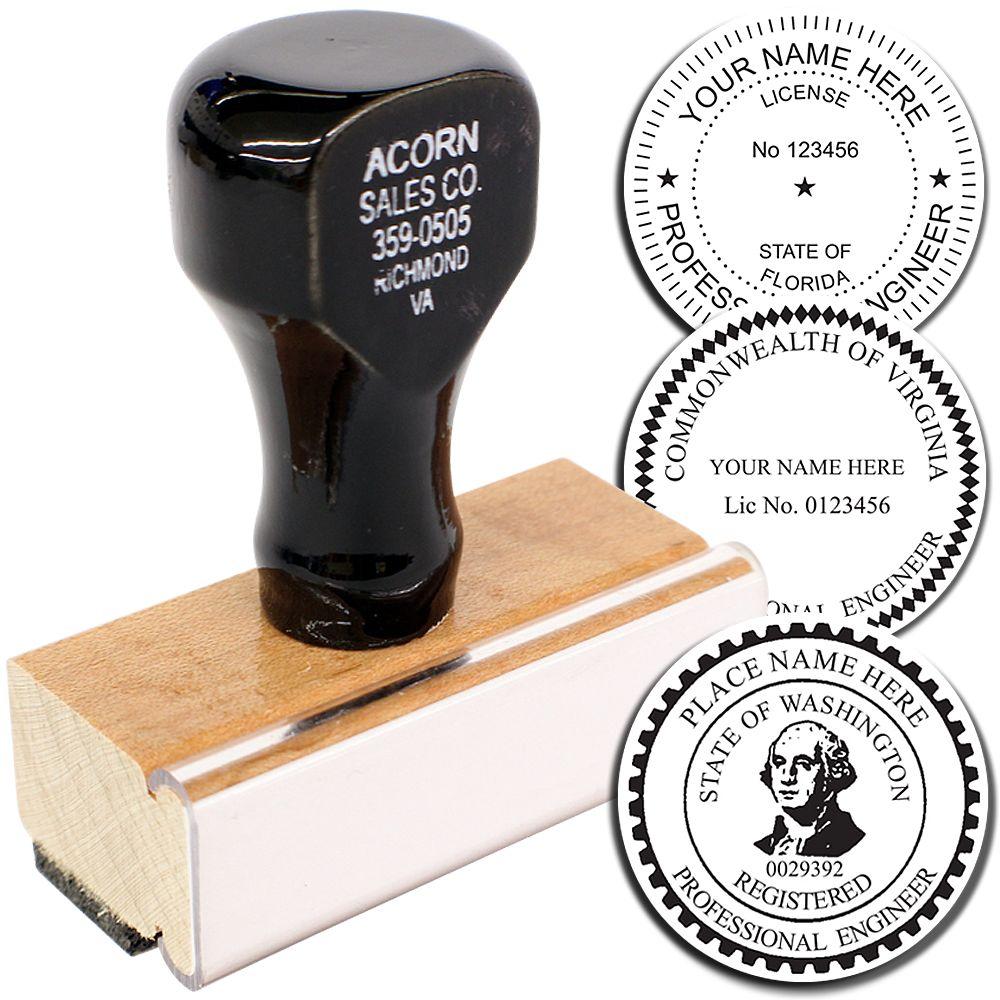

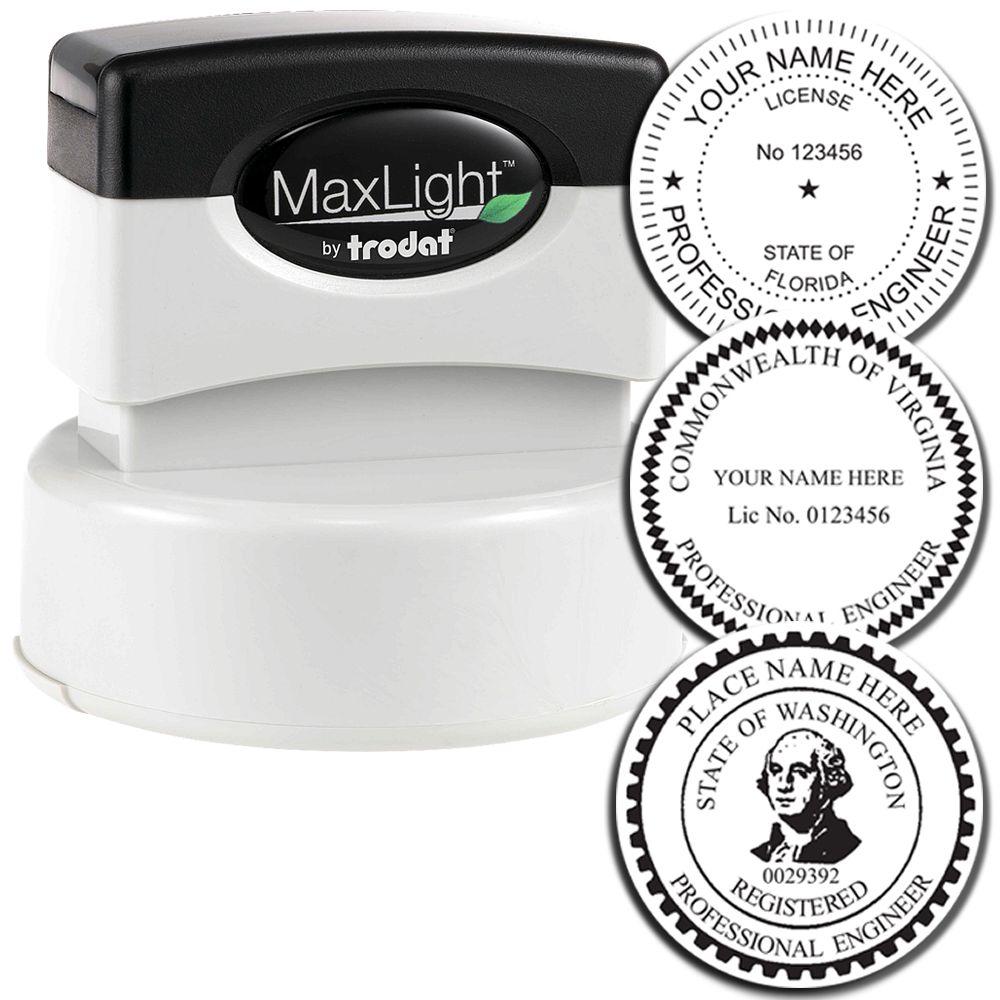



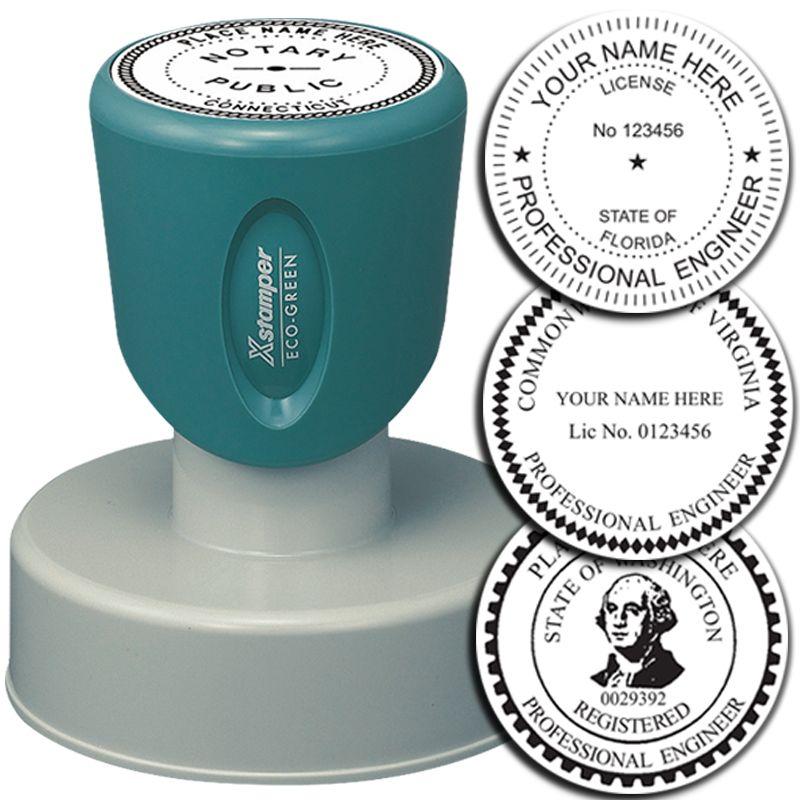

Is a seal required in Texas?
Texas requires a seal Texas requires a seal, but the statutory trigger is geographic. Occupations Code section 1001.401(a) requires every license holder on receiving a license to obtain a seal in a design authorized by the board. Section 1001.401(b) then supplies the document duty: “A plan, specification, plat, or report issued by a license holder for a project to be constructed or used in this state must include the license holder’s seal placed on the document. A license holder is not required to use a seal required by this section if the project is to be constructed or used in another state or country.” Section 1001.401(d) carves out work covered by a Subchapter B exemption. Board rule 22 Texas Administrative Code section 137.33(k) repeats the in state trigger, and section 137.33(f) supplies the mechanics: “license holders shall affix their seal and original signature or electronic seal and signature with the date on the final version of their engineering work before such work is released from their control.”.
What must appear on the seal
- Your name as currently listed with the Board
- Your Texas license number
- The legend Licensed Professional Engineer or Registered Professional Engineer
- The Board authorized seal artwork surrounding those fields
Texas is a copy the artwork state, not a compose your own state. The Board publishes blank seal artwork and a vendor instruction sheet, and section 137.31 requires that “physical and electronic seals shall be of the Board-authorized design illustrated in this section.” The name on the seal must be any given name, a commonly accepted variation of the given name, or an initial combination, always with the surname as currently listed with the Board. A nickname may not stand in for the given name. Titles are prohibited on the seal face: the Board’s vendor instructions state that DR., COL. and even P.E. do not belong on the seal, although P.E. may be used when signing the work. Preprinting blank forms with an engineer’s seal, and the use of a decal or other seal replica, are prohibited. A legal name change obliges the engineer to replace the seal.
Size and shape
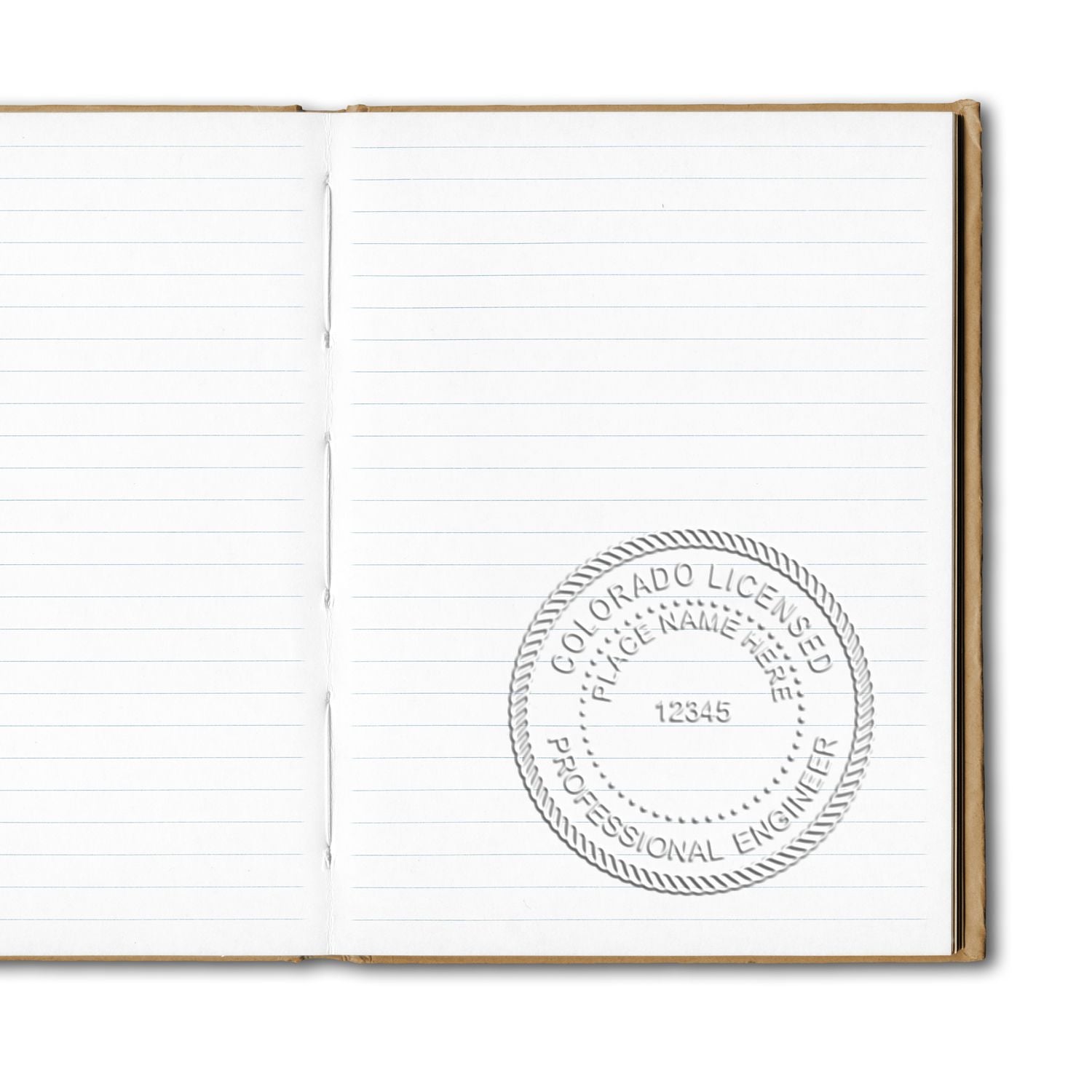
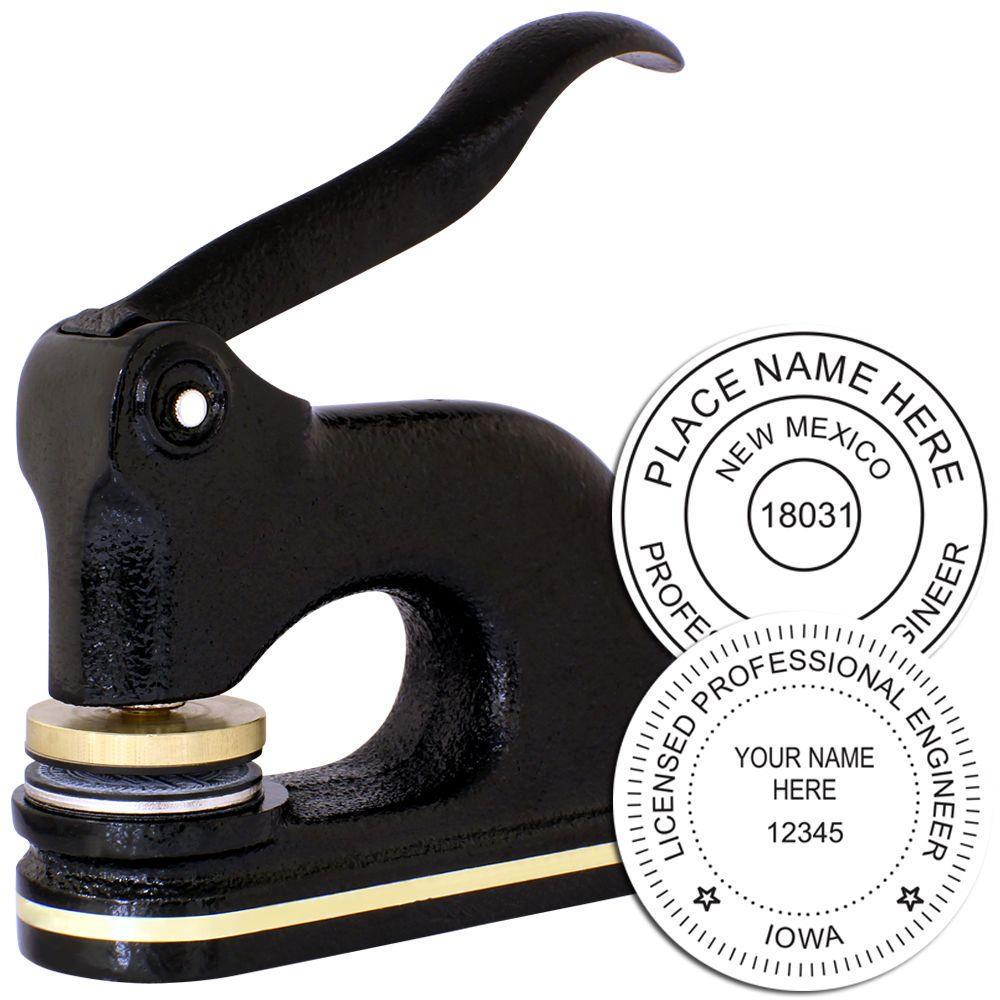
No larger than two inches in diameter. Texas states a maximum, not a minimum, which is the reverse of most states. The Board’s vendor instructions quote section 137.31 as requiring that physical and electronic seals “shall be of the Board-authorized design illustrated in this section and shall be no larger than two inches in diameter.” The Board’s enforcement guidance adds that a computer generated seal “may be of a reduced size provided that the engineer’s name and number are clearly legible,” so a scaled down digital seal is expressly fine while an oversized die is not.





Embosser, rubber stamp or digital
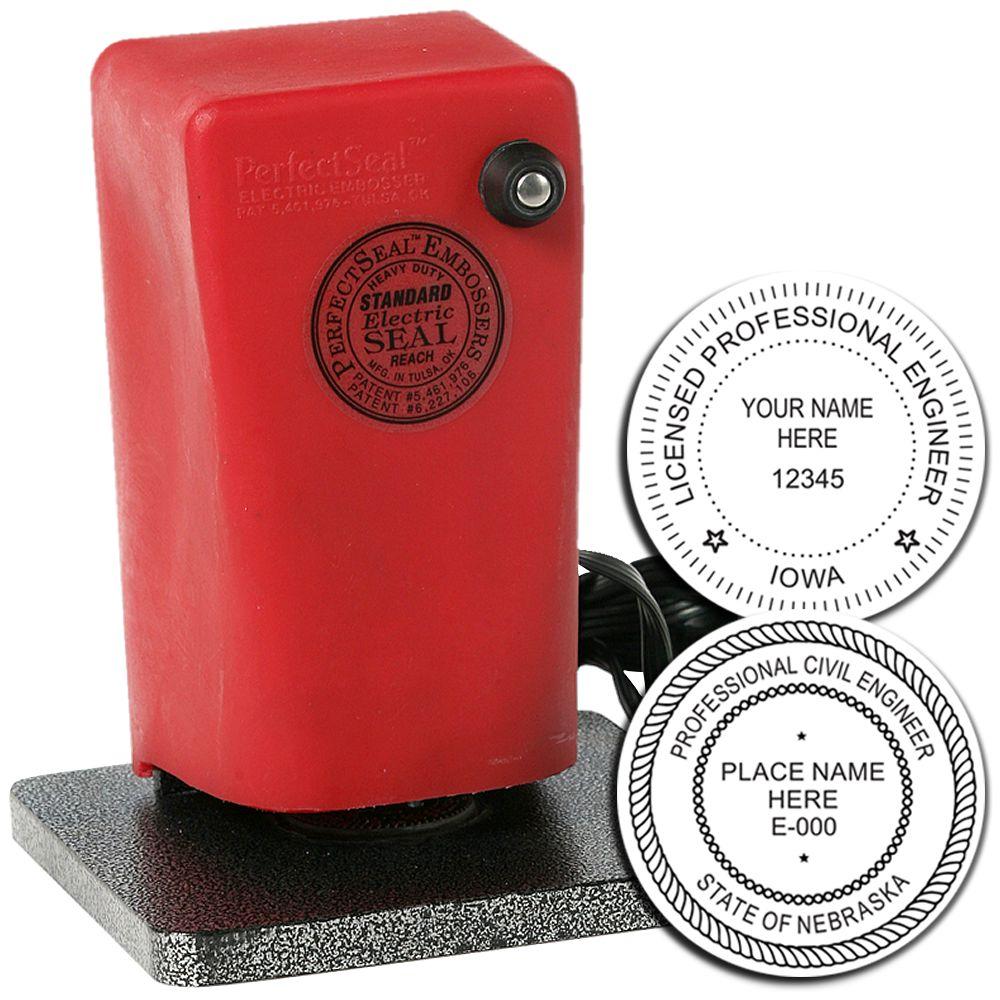
All three forms are legal and the Board says so in plain words in its vendor instructions: “Rubber stamps, impression seals, and electronic seals are all acceptable under Texas Law.” A physical seal must be “capable of leaving a permanent ink image or permanent impression of the seal attached to the engineering work.” The Board separately confirms that a computer generated seal is acceptable. The safe buy is a rubber or self inking stamp built from the Board artwork, because the same artwork then scales down cleanly for the electronic version.
Signing and dating
Seal, signature and date travel together, and Texas tells you where to put the signature. Section 137.33(f) requires the license holder to affix “their seal and original signature or electronic seal and signature with the date on the final version of their engineering work before such work is released from their control.” The Board’s enforcement guidance answers the placement question directly: “License holders should sign their name either above or below the seal so that the signature does not obscure the license holder’s name and license number.” The date is the date of execution, not the license expiration date. An electronic signature is permitted in place of the wet original where the seal is also electronic.
The F number has to be on the sheet, and the signature has to be off the seal
Two Texas rules trip up buyers who assume a seal is a self contained object. The first is the firm registration number. Sections 137.33(n) and 137.77(h) require the firm name and the F-xxxxx registration number on engineering work, and the Board’s own FAQ says a cover sheet is not sufficient because each engineering sheet has to identify the firm. That obligation sits on the firm, not on the seal, so no amount of care with the engineer’s stamp satisfies it. Many firms handle it by adding the F number to the title block, and some order a second small stamp that carries the firm name and number.
Which documents must be sealed
The duty attaches to the final version of engineering work released from the engineer’s control, and to plans, specifications, plats and reports issued for a project to be constructed or used in Texas. The Board’s enforcement guidance states that license holders “should affix their engineer seal, signature, and date of execution to all documents containing the final version of any engineering work.” Carve-outs are real and heavily used in Texas. Work for a project constructed or used outside Texas needs no Texas seal under section 1001.401(b). Work covered by a Subchapter B exemption, which includes the industrial exemption, needs no seal under section 1001.401(d). Preliminary work is handled by a caveat rather than a seal: section 137.33(e) governs the preliminary document caveat on bound reports and plans. Section 1001.401(e) adds that no additional certification beyond the license may be demanded before an engineer may seal.





Electronic and digital seals
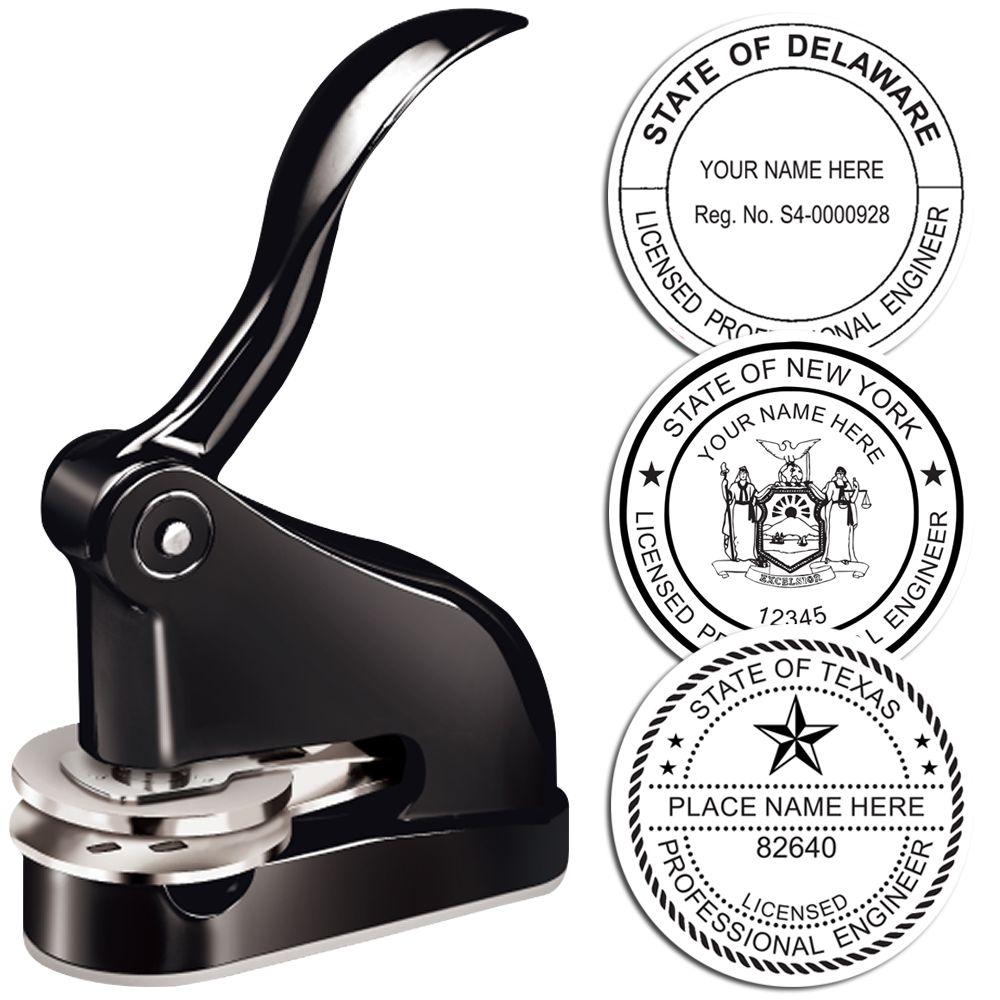
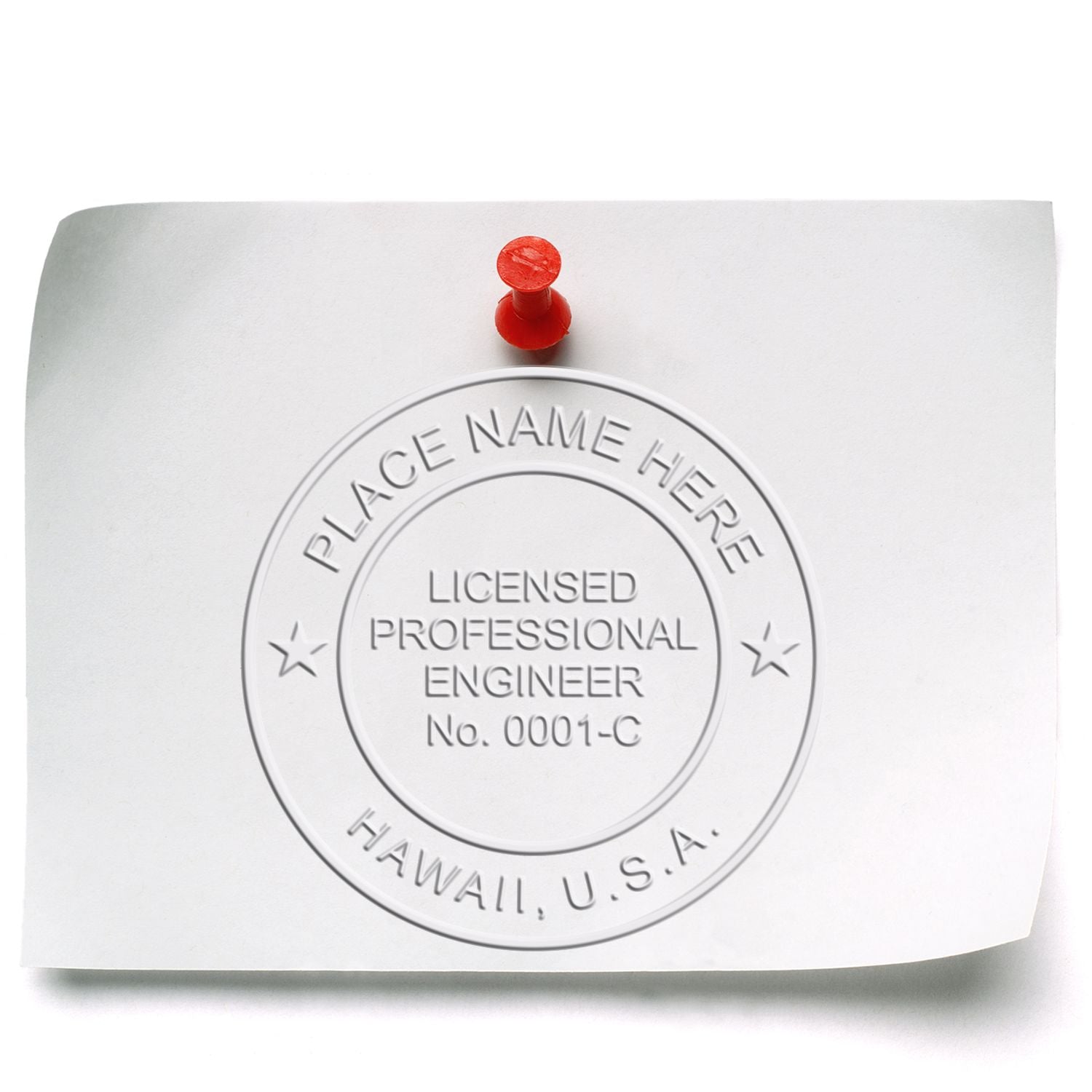
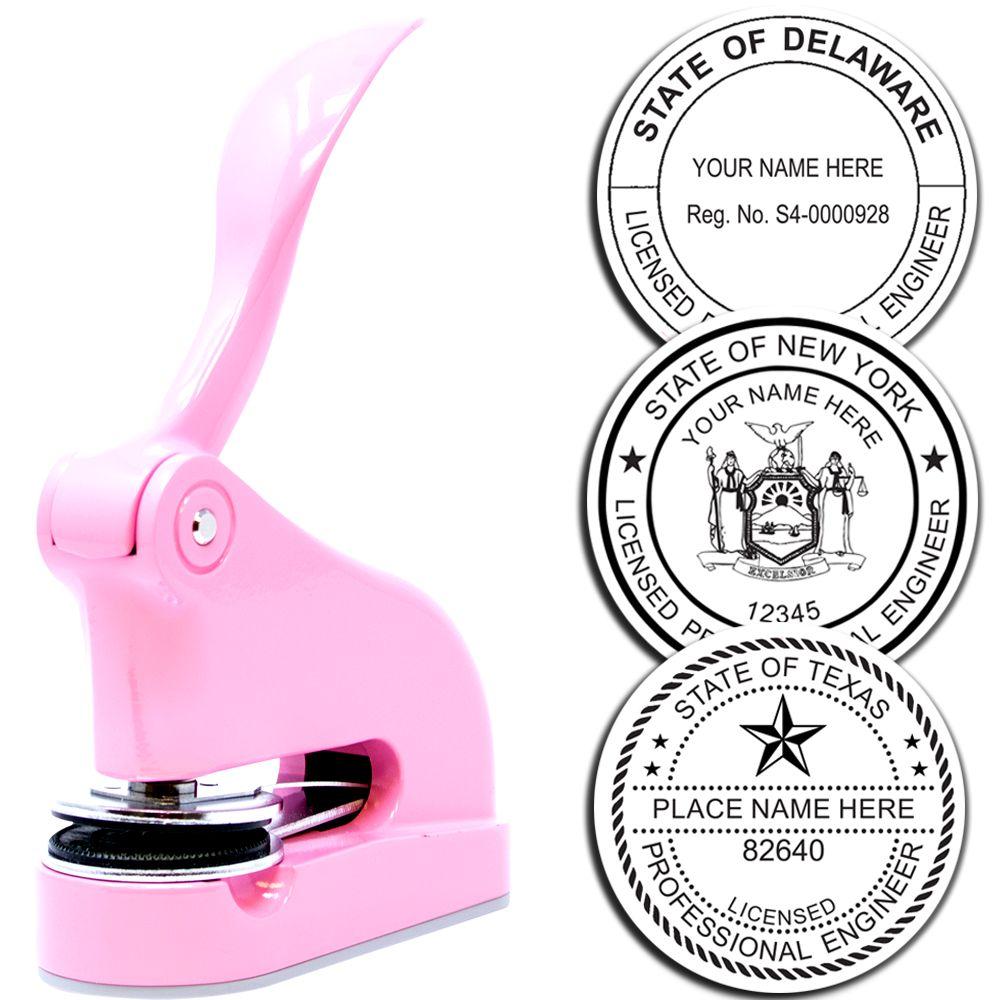
Texas has a dedicated rule, 22 Texas Administrative Code section 137.35, titled Electronic Seals and Electronic Signatures. The full text of that section could not be read from a primary source at the time of writing, so the specification below rests on the Board’s own published guidance rather than on the rule text. The Board states that “An electronic signature is a digital representation of an engineer’s signature. It may be affixed to an electronic file and the engineering work may then be submitted electronically or printed and submitted with the printed version of the electronic signature,” and that the engineer must maintain security consistent with protecting the physical seal. Policy Advisory Opinion 45 confirms the equivalence principle: “All of the rules, expectations, and security that apply to a paper and ink version of an engineering document are also applied to electronic engineering documents,” and identifies section 137.33(l) as permitting secure electronic transmission of final engineering work. Policy Advisory Opinion 50 treats digital model based systems as an acceptable method to transmit engineering work and supplies performance standards for sealing a large modifiable file. No specific certificate authority, cryptographic algorithm or software product is named in any of that guidance. Not verified: whether section 137.35 itself names a technology.
Renewal, lapse and retirement
The seal dies with the license. Occupations Code section 1001.401(c) provides that “A person may not place a seal on a document if the license of the license holder named on the seal has expired or has been suspended or revoked.” Because the required seal elements are the name, the license number and the legend, and not an expiration date, renewal does not oblige an engineer to buy a new seal. A legal name change does, because the name on the seal must match the name currently listed with the Board. Firm registration is a separate clock: section 1001.405(d) provides that a business entity registration “expires on the first anniversary of the date the registration is issued,” so the F number on a title block goes stale annually unless renewed. Not addressed: whether a lapsed or revoked licensee must surrender or destroy the seal device.
Firm registration
Yes, and this is the requirement Texas buyers miss. Occupations Code section 1001.405(b) bars a business entity, including a sole proprietorship, from practicing engineering in Texas unless it is registered with the Board. Board rules 22 Texas Administrative Code sections 137.33(n) and 137.77(h) then require the engineering firm name and its Texas registration number, formatted F-xxxxx, to appear on engineering work the firm releases or submits, preliminary documents included. The Board’s firm seal FAQ states the number may sit in the title block, be stamped on, be typed at the bottom of a report, be written legibly, or be added through CAD, and that each engineering sheet must identify the firm involved because a cover sheet alone is not enough. Where two engineers from different firms appear on one project, the documents must make clear which firm goes with which engineer. Governmental entities list the agency name only and carry no registration number. The requirement has been in force since December 21, 2008, with a compliance grace period that ended January 1, 2010.
What to check before you order
The Board publishes blank seal artwork and a document titled Seal Instructions for P.E. Seal Vendors, so have your die cut from that artwork rather than a house template, and keep it at or under two inches. Use your name exactly as the Board currently lists it, meaning a given name, an accepted variation or an initial combination, always with the correct surname and never a nickname, and leave DR., COL. and P.E. off the seal face. Your device has to be capable of a permanent ink image or a permanent impression, and seal decals, seal replicas and forms preprinted with a seal are not allowed. No Board publication reviewed here asks you to show proof of licensure. A separate firm name and F number stamp is a legitimate companion device because of sections 137.33(n) and 137.77(h).
Browse professional engineer stamps and seals.
- Professional Engineer Stamp Requirements You Can’t Ignore
- Practicing Across State Lines: Comity, Reciprocity and the Seal You Need
- How to Choose the Right Texas PE Stamp Online for You
Frequently asked questions
Do I need a PE seal in Texas?
Yes on receipt of the license, but whether you have to use it depends on where the project is. Occupations Code § 1001.401(a) requires every license holder to obtain a seal of a Board authorized design. Section 1001.401(b) then supplies the document duty: “A plan, specification, plat, or report issued by a license holder for a project to be constructed or used in this state must include the license holder’s seal placed on the document. A license holder is not required to use a seal required by this section if the project is to be constructed or used in another state or country.” Section 1001.401(d) also carves out work covered by a Subchapter B exemption, which includes the industrial exemption.
How big can a Texas PE stamp be?
No larger than two inches in diameter. Section 137.31 states the two inch figure as an upper limit rather than a required dimension, and no minimum appears. A computer generated seal may be reduced below that as long as the engineer’s name and number stay clearly legible, per the Board’s enforcement guidance. If a supplier tells you a Texas seal must be two inches, they have read the ceiling as a floor.
What has to appear on a Texas PE seal?
Your name as currently listed with the Board, your Texas license number, the legend Licensed Professional Engineer or Registered Professional Engineer, and the Board authorized artwork around those fields. Texas is a copy-the-artwork state: § 137.31 requires that physical and electronic seals “shall be of the Board-authorized design illustrated in this section,” and the Board publishes both blank artwork and a document titled Seal Instructions for P.E. Seal Vendors. A house template is not a substitute for that artwork.
Can I put P.E. or a title like Dr. on my Texas seal?
No. The Board’s vendor instructions state that DR., COL. and even P.E. do not belong on the seal face, although P.E. may be used when signing the work. The name must be a given name, a commonly accepted variation of it, or an initial combination, always with the surname as currently listed with the Board. A nickname may not stand in for the given name.
Where do I sign on a Texas sealed document?
Above or below the seal, not across it. The Board’s enforcement guidance is direct: license holders “should sign their name either above or below the seal so that the signature does not obscure the license holder’s name and license number.” Section 137.33(f) requires the seal, an original signature or an electronic seal and signature, and the date on the final version of the work before it leaves your control. The date is the date of execution, not a license expiration date.
Is a rubber stamp, an embosser or an electronic seal acceptable in Texas?
All three. The Board’s vendor instructions say so in plain words: “Rubber stamps, impression seals, and electronic seals are all acceptable under Texas Law.” A physical seal must be “capable of leaving a permanent ink image or permanent impression of the seal attached to the engineering work.” Building the rubber or self-inking stamp from the Board artwork is the practical choice, because the same artwork then scales down cleanly for the electronic version, which Texas expressly allows.
Does my firm registration number have to be on the drawings?
Yes, and this is the Texas requirement buyers most often miss. Sections 137.33(n) and 137.77(h) require the engineering firm name and its Texas registration number, formatted F-xxxxx, on engineering work the firm releases or submits, preliminary documents included. The Board’s firm seal FAQ says the number may sit in the title block, be stamped on, be typed at the bottom of a report, be written legibly, or be added through CAD, and that each engineering sheet must identify the firm because a cover sheet alone is not enough. Where two engineers from different firms appear on one project, the documents must make clear which firm goes with which engineer. Governmental entities list the agency name only and carry no registration number.
I practice alone. Do I still need an F number?
Yes. Occupations Code § 1001.405(a) defines business entity to include a sole proprietorship, and § 1001.405(b) bars a business entity from practicing engineering in Texas unless registered with the Board. A one person practice offering engineering services in Texas is a registerable firm with its own F number. Note that firm registration runs on its own clock: § 1001.405(d) provides that the registration “expires on the first anniversary of the date the registration is issued,” so an F number printed in a title block goes stale annually unless renewed.
Which Texas documents have to be sealed?
The final version of engineering work released from your control, and plans, specifications, plats and reports issued for a project to be constructed or used in Texas. The Board’s guidance says license holders “should affix their engineer seal, signature, and date of execution to all documents containing the final version of any engineering work.” Preliminary work is handled by a caveat rather than a seal, under § 137.33(e), which governs the preliminary document caveat on bound reports and plans. Section 1001.401(e) adds that no certification beyond the license may be demanded of you before you seal.
Do I need a new Texas seal when I renew my license?
No. The required elements are the name, the license number and the legend, and no expiration date appears on the face, so renewal does not oblige you to buy a new device. A legal name change does, because the name on the seal must match the name currently listed with the Board. Section 1001.401(c) provides that “A person may not place a seal on a document if the license of the license holder named on the seal has expired or has been suspended or revoked.” Whether a lapsed or revoked licensee must surrender or destroy the device is not addressed in the sections reviewed here.
Can I use a seal decal or preprint my seal on blank forms?
No. The Board’s vendor instructions prohibit preprinting blank forms with an engineer’s seal and prohibit the use of a decal or other seal replica. The seal is applied to the finished work, not built into the stationery.
What does Texas say about electronic seals and signatures?
Electronic sealing is allowed and no technology is named. The Board states that “An electronic signature is a digital representation of an engineer’s signature. It may be affixed to an electronic file and the engineering work may then be submitted electronically or printed and submitted with the printed version of the electronic signature,” and requires security consistent with protecting the physical seal. Policy Advisory Opinion 45 states the equivalence principle: “All of the rules, expectations, and security that apply to a paper and ink version of an engineering document are also applied to electronic engineering documents.” No certificate authority, cryptographic algorithm or software product is named in that guidance. Texas has a dedicated rule at § 137.35, whose full text we could not read from a primary source, so whether the rule itself names a technology is a gap.








