
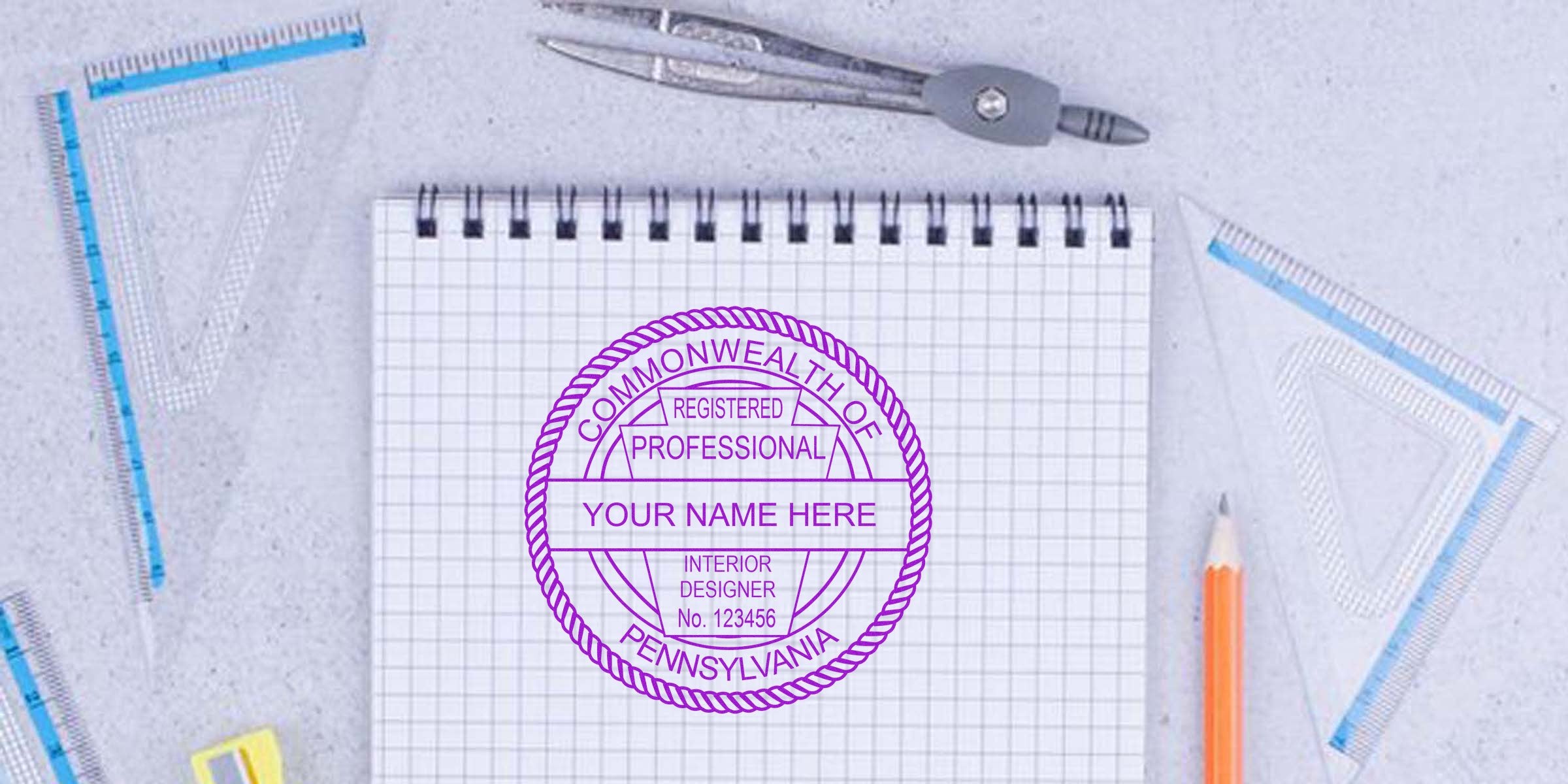
You might already know that Pennsylvania’s rules for interior design can feel a bit daunting. But here’s the bright side: having an interior designer stamp for Pennsylvania professionals makes regulatory hurdles less intimidating. It also shows future clients that you take your work and their projects seriously. In this article, you’ll discover why a stamp matters, how it can help you stand out, and what to consider when choosing a stamp provider. We’ll also cover key tips for safeguarding your stamp and wrap up with answers to frequently asked questions. Let’s dive in.
Discover The Purpose Of An Interior Designer Stamp
You’ve probably invested years in honing your design skills, studying color theory, taking advanced courses, and polishing your portfolio. But have you ever wondered what an official interior designer stamp actually does for you in Pennsylvania?
In a nutshell, it’s much more than a fancy ink mark. A state-approved stamp signals that you meet Pennsylvania’s professional standards, giving you a vital credential. Clients and municipal agencies will see that your work follows the right regulations, which means fewer headaches for you and more trust from everyone involved. Think of it like having a valid driver’s license: you wouldn’t get on the road without it, and the same idea applies to legally stamping your design documents.
The Basic Role Of A Stamp
- Authenticates your drawings, plans, or project documents.
- Demonstrates you hold relevant qualifications.
- Confirms compliance with Pennsylvania’s codes.
- Supports your credibility with clients, contractors, and local officials.
Why Pennsylvania Is Unique
Every state has slight variations in design requirements. Some states blend architecture and interior design into a single license, whereas others keep them siloed. In Pennsylvania, you’re dealing with specific directives that keep your projects safe and your credentials valid. That’s where the stamp comes in. Whether you’re working on a residential upgrade or a commercial renovation, the right mark can be the difference between smooth sailing and getting tied up in red tape.
Comply With Pennsylvania Regulations
If you love a good blueprint, you might appreciate the structured nature of Pennsylvania’s design regulations. They’re intricate, but they aim to ensure every building space in the state meets safety and functional standards. Your interior designer stamp helps verify that you, personally, align with those standards.
Before you order a physical seal, take a closer look at the official Pennsylvania interior designer stamp requirements. This resource clarifies what the layout should look like, from the font size to the exact wording. If you skip these details, your stamp might not be accepted by local municipalities, which can slow your projects and risk your professional standing.
Where The Stamp Is Required
While guidelines vary depending on your project scope, you typically need to affix your stamp to:
- Renovation or remodeling plans
- Permit applications
- Official drawings for commercial designs
- Any documentation where an official Pennsylvania building authority requires professional sign-off
Consequences Of Non-Compliance
Wondering what happens if you skip the stamp or use one that pretends to be official but isn’t? You could face:
- Rejected permit applications
- Potential fines or disciplinary action
- Extra time dealing with administrative back-and-forth
- Damage to your professional reputation
In short, you’ll save yourself a lot of stress by following the regulations right from the start.
Benefits For Your Professional Journey
When you meet Pennsylvania’s requirements and place your professional stamp on design documents, you open doors to new opportunities. Sure, it can feel like another task on your checklist, but think of it as an essential investment in your career growth. Below are some key advantages.
1. Enhances Team Collaboration
Have you ever found yourself in a project meeting where multiple people are exchanging ideas, from architects to contractors? A legitimate interior designer stamp helps everyone confirm who’s responsible for the interior layout. Your stamp can clue others into your scope of influence, encouraging them to bounce ideas off you that align with Pennsylvania’s guidelines.
2. Boosts Client Confidence
Wouldn’t it be nice if every prospective client walked in already trusting your instincts and design experience? While that might be a fantasy, your official stamp plays a big role in easing client skepticism. People tend to place more faith in design documents that show all the right credentials. By presenting a stamped plan, you’re signaling, “Yes, I’m trained, I’m legit, and I’m following the law.” That carry-over effect can help you foster stronger, longer-lasting client relationships.
3. Streamlines Approval Processes
From building inspectors to local zoning boards, officials usually want to see that each plan meets municipality guidelines. Stamping your documents expedites those reviews. Once they spot the seal, they know you’re aligned with the state’s professional rules. Any step that shortens approval timelines is a big advantage, especially when it saves you from repeated phone calls or trips to various offices.
4. Protects Your Work
Designers put passion and creativity into each project, so you don’t want others stealing or misrepresenting your ideas. Official stamping can serve a protective function. Your stamped documents are evidence of your design authorship. They confirm the design content belongs to you, ensuring that any unauthorized changes or copies stand out as improper alterations.
5. Expands Business Opportunities
Maybe you’re eyeing large-scale commercial designs or thinking of partnering with an architectural firm. That level of project usually demands official sign-offs. Your stamp pushes you into that league. It not only proves you’re qualified, it also allows you to bid on or accept more specialized contracts. Essentially, each time you place your seal on a set of plans, you’re showing you’ve hit a certain level of professional maturity.
Choose The Right Stamp Supplier
Now that you know how crucial your stamp is, the next question is where to get it. It might be tempting to go with a low-price online option, or maybe you’re thinking of dusting off a generic seal from years ago. But keep in mind, the right stamp is a long-term investment. You’ll want clarity, durability, and a design that meets Pennsylvania’s official requirements.
Why Quality Matters
Some stamps fade quickly or produce a fuzzy imprint. Others don’t align with the official graphic layout guidelines. If you’re serious about your interior design career, you’ll want a product that:
- Leaves crisp, legible marks
- Matches size and text specs required by Pennsylvania
- Lasts a long time without breaking or wearing out
Meet Acorn Sales
Since 1964, Acorn Sales has specialized in providing professional stamps and seals for design and technical fields. They’ve become a trusted supplier for Pennsylvania interior designers who can’t afford to guess whether their stamp meets state rules. With Acorn Sales, you also benefit from:
- Free electronic seal for a digital version of your official mark
- Over five decades of experience with state regulations
- Expert tips on stamp upkeep and usage
Think about it this way: if you’re going to invest in a stamp that validates all your hard work, you want to trust the team that’s been at it for decades.
What To Look For In A Provider
- Clear guidelines against your state’s specs
- Option for a free or discounted electronic seal
- Customer service that answers design-related questions
- History of providing reliable products
Compare your options, but if you ask me, having a one-stop shop that satisfies all these points is a huge time-saver. That means you have more time for your actual work, like selecting mood boards or presenting color palettes.
Maintain Your Stamp’s Security
You might be used to locking up expensive design software or saving your project files behind secure passwords. In the same vein, your physical interior designer stamp demands its own measures of protection. After all, once you add your stamp and professional signature to a plan, you’re essentially giving it your official endorsement.
Why Security Matters
- Protects you from liability if someone misuses your stamp
- Keeps your professional standing intact
- Prevents unauthorized individuals from using your seal on questionable projects
It’s a bit like your credit card or personal ID. You wouldn’t want just anyone grabbing it and pretending to be you. The stamp is an extension of your professional identity.
Practical Security Tips
- Store your stamp in a locked drawer or cabinet when not in use.
- Avoid leaving the stamp near communal office equipment.
- Keep track of who uses it if you operate in an office with shared resources.
- Consider adding a tag or label indicating your name for easy identification.
Digital Seal Precautions
If you also have an electronic seal, you need a secure way to store the digital file. That means using a strong password and limiting who has access. You might encrypt the file or store it in a dedicated section of your cloud drive that’s only accessible to you. Remember, digital content can be copied effortlessly, so you want an extra layer of protection.
A well-kept stamp and seal routine may feel like just another administrative task, but it plays a central role in your everyday practice. When you invest the time and care to meet Pennsylvania’s interior designer stamp regulations properly, you’re doing more than affixing an image on documents. You’re strengthening your reputation, streamlining official approvals, and letting clients know you’re serious about professional standards.
Remember, your design work is about crafting inviting, functional spaces that people love. By taking care of the legal and logistical aspects up front, you give yourself more energy to do what you do best: create amazing interiors. If you’re considering a new stamp or have questions about compliance, trust companies like Acorn Sales, in business since 1964 and offering free electronic seals to ensure you stay on track.
After reading through these guidelines, have you decided to update your stamp or get one for the first time? If so, you’ll be that much closer to simplifying your process, pleasing your clients, and staying on top of Pennsylvania’s professional requirements. Good luck, and happy designing!
Frequently Asked Questions
Do I Need A New Stamp If I Move From Another State To Pennsylvania?
Yes. Each state typically has its own formatting and wording requirements for professional stamps. If you’re relocating from another state, you’ll want a Pennsylvania-compliant stamp to keep everything above board.
How Often Do I Have To Update My Stamp?
You usually keep the same stamp design for as long as your professional license remains valid. If Pennsylvania updates its regulations, or if your name or license number changes, you might need a refreshing. Check the pennsylvania interior designer stamp requirements post for any recent changes that could influence your stamp format.
Can I Use A Digital Version Of My Stamp Instead Of A Physical One?
It depends on the rules of your local jurisdictions and the specifics of your project. Some agencies welcome digital documents if they’re digitally signed and sealed. But other offices still require in-person submissions with a physical imprint. A good approach is to secure both forms and use whichever is requested.
Where Should I Store My Stamp When Not In Use?
It’s best to keep it in a locked drawer, safe, or a cabinet where coworkers or visitors don’t have access. If you have an electronic seal, store the digital file in a protected folder with password access. Proper storage not only prevents misuse, it also ensures you won’t have to scramble to find it when you’re in the middle of prepping permit documents.








