
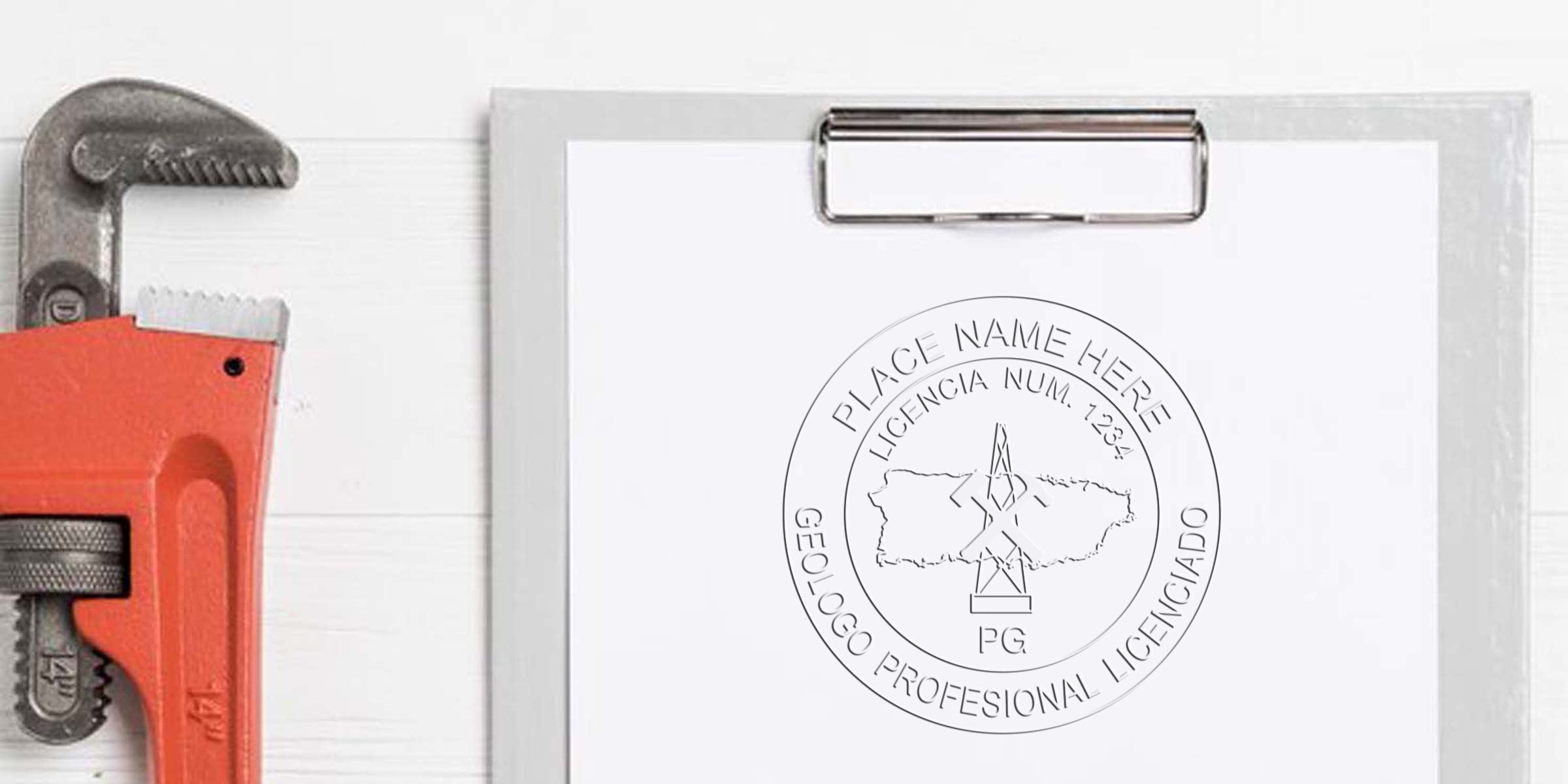
Geologists just starting out and those with years in the field alike find that choosing the best geologist seals can be surprisingly confusing. You likely know you need a proper stamp or seal for official documents in Puerto Rico, but you might not realize how many options exist or which features actually matter. In this guide, we’ll break down what you need to know about Puerto Rico Geologist stamps and seals, plus tips for choosing the right one for your work.
Before we begin, here’s our plan: we’ll look at the rules and requirements, explore the different seal types, and share pointers on purchasing, maintaining, and using your seal. Stick around for key FAQs at the end that tackle the most common concerns. Let’s get started.
Understand Puerto Rico Rules
If you plan to sign off on geological reports in Puerto Rico, you’ll need an official seal that meets the territory’s licensing and regulatory guidelines. The Puerto Rico Board of Examiners typically requires geologists to authenticate certain documents, like site assessments or resource evaluations, with a personalized stamp or embosser. That’s why the Puerto Rico Geologist Stamp and Puerto Rico Geologist Seal are so important.
When you submit reports or proposals, your stamp serves as your professional signature. It signifies that you stand behind the accuracy of the document and it provides traceability for colleagues, clients, and state agencies. In other words, you’re letting everyone know you follow the local standards and that you’re fully qualified to do the work.
Specifics You Should Know
- Your seal design usually must include your name, license number, and appropriate wording (like “Licensed Professional Geologist”).
- It’s wise to stay updated on any rule changes from the licensing board. If something shifts in the legal requirements, you’ll want a new or modified seal.
- The territory typically views the seal as your formal signature. A stamped document remains official, which is why clarity and durability matter so much.
These rules might sound strict, but they’re ultimately about safeguarding the integrity of the profession and protecting the public. Once your seal meets these guidelines, you’re in good shape to stamp any required documents with confidence.



Types Of Geologist Seals
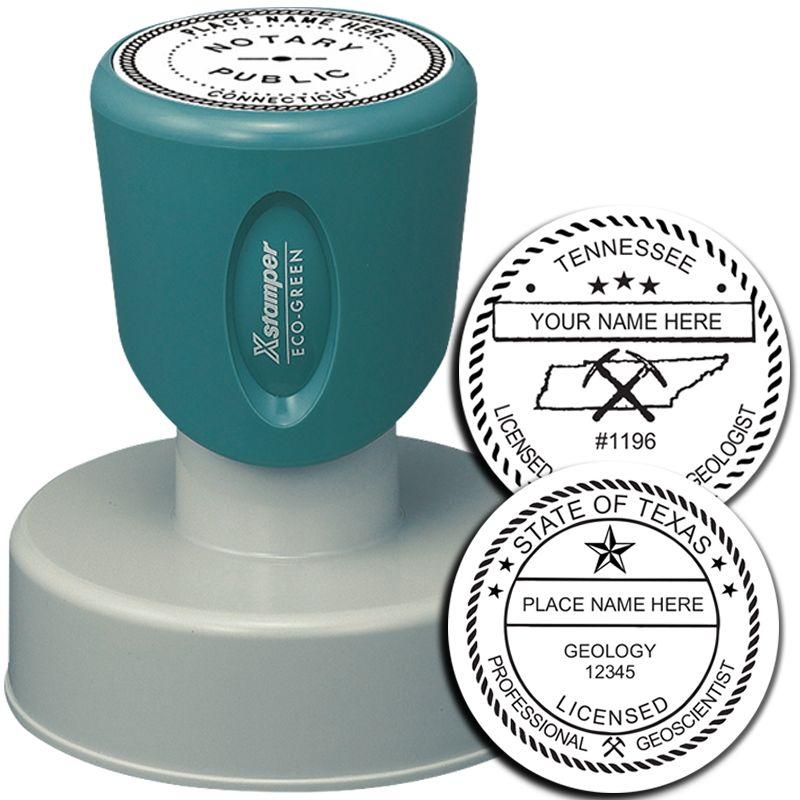
Not all seals are created equal. You’ll find a range of options, from traditional rubber stamps to modern self-inking devices, and even digital seals for online documentation. Each type has its pros and cons, so the best fit often comes down to how frequently you plan to use the seal, whether you’re on the go, and your personal preference for design.
Classic Rubber Stamp
A rubber stamp requires a separate ink pad, but it’s often the most cost-effective choice. You press the stamp onto the pad, then onto your document for a crisp impression. Because you can choose custom ink colors, rubber stamps remain a versatile option. The downside is that things can get messy if you’re not careful, and you might need multiple pads if you like variety in ink.
Self-Inking Stamp
If you hate lugging around an ink pad, a self-inking stamp can be a great time-saver. The ink pad is already built into the stamp body, which makes quick, repeated stamping more convenient. You get a uniform mark each time, as the device automatically coats the stamp’s surface before each impression.
Embossing Seal
An embosser creates a raised impression by pressing two metal plates together. If you want a professional, historic, and hard-to-fake look, an embosser might be your favorite. You’ll often see embosser usage for official certificates or final reports when you want a distinct, tactile confirmation of authenticity. Keep in mind that embossers can be bulkier than stamps, so they might not be the easiest to carry around in your field bag.
Digital Seal
With more documents shifting online, a digital seal can help you sign and verify PDFs or electronic forms. Branded software often comes with security features that make your e-seal verifiable and tamper-resistant. Puerto Rico regulations may allow electronic sealing in certain contexts, but be sure to confirm if your local board is on board with purely digital verification.


Choose The Right Seal
Now that you know the types, it’s time to narrow down which seal or stamp is right for you. It depends on how you perform much of your daily work and what your documentation demands look like. Think about the following factors before you place your order:
-
Frequency Of Use
- If you stamp dozens of documents daily, self-inking might save you time and hassle.
- If you stamp only a few documents a month, a rubber stamp or embosser is more than enough.
-
Design Requirements
- Puerto Rico typically wants your full name, license number, and relevant wording. Verify these details before finalizing your seal.
- Keep your text layout tidy for a clean, legible impression.
-
Portability
- A small self-inking stamp fits easily in a briefcase.
- An embosser might be heavier, but it gives a unique raised impression.
-
Budget
- Basic rubber stamps are the most budget-friendly. You can upgrade to a self-inking style if you prefer added convenience.
- Keep an eye on replacement ink costs over time.
-
Compliance
- Ensure the item you choose aligns with the official specifications set by Puerto Rico’s licensing board.
- Always include your license details exactly as mandated.
When you take these factors into account, you’ll land on the perfectly balanced seal, something that suits your daily workflow and meets the territory’s requirements. If you’re also interested in other collectible or historical markings, you might explore rare Puerto Rico stamps for a fascinating look at another variety of Puerto Rican stamping practices.
Tips For Proper Use
Once you’ve secured your geologist seal, using it effectively is just as important as picking the right model. After all, a blotchy or faint impression can raise questions about the authenticity of your paperwork. Below are some practical tricks to make sure every stamp you produce looks clean and professional.


- Practice On Scrap Paper: Especially if you’re new to using stamps, get a feel for the right amount of pressure. Too little force can result in a partial mark, while too much might lead to smudging.
- Keep Everything Clean: A dusty or dirty stamp surface can produce muddled results. Wipe gently with a soft cloth to clear away ink or debris.
- Align Carefully: Double-check that your license details and design are exactly where you want them on the page. A crooked impression makes your documents look unprofessional.
- Store Correctly: Keep your stamp or embosser in a protected case or drawer. Avoid direct sunlight or extreme temperatures that could warp the device or dry out the ink.
Consider building a simple routine into your workflow. For instance, whenever you file a completed report, take a moment to inspect your seal for ink levels, cleanliness, and alignment. These little habits ensure you never encounter last-minute seal problems when you’re rushing to meet a deadline.
Acorn Sales Guarantee
For buying Puerto Rico Geologist stamps or seals, you want a supplier that’s reliable, knowledgeable, and ready to help. That’s where Acorn Sales comes in. We’ve been in the business since 1964, and our longstanding mission is to remove stress from the seal-buying process. If you’re looking for professional gear that stands the test of time, you’re in good company.
One of our biggest perks is the Free Digital Seal option we provide with most purchases. That means you’ll have both a physical and an electronic way to validate your documents. Whether you prefer the tactile feel of an embosser or the quick efficiency of a self-inking stamp, you can count on Acorn Sales for a sharp, compliant design that matches Puerto Rico’s rules.
Beyond the products themselves, we also offer friendly customer support to walk you through the ordering process. If you ever have questions about how to phrase or arrange your seal text, our experienced team is just a quick message away. We get that your time is precious, so we’ve set up an easy online ordering system that simplifies everything from layout design to shipping details.
Acorn Sales is ready to help you get a new seal fast. We understand that time is of the essence when you’re managing multiple geological projects. Our expedited production and shipping options can have a replacement in your hands sooner than you think. Moreover, if your design is already on file with us, reordering typically goes even faster.
Conclusion And Next Steps
Getting your Puerto Rico Geologist Stamp or Seal doesn’t have to be a headache. If you focus on compliance, pick the type of seal that fits your workflow, and look after it correctly, you’ll have one less thing to worry about as you prepare those all-important geological documents. Feel free to try out a new self-inking model if you’re looking for convenience, or stick to a classic rubber stamp if you like a straightforward, budget-friendly option.
While you’re exploring the ins and outs of geological documentation, you might also want to check out rare Puerto Rico stamps for a glimpse into another fascinating corner of stamping traditions. By understanding the variety of Puerto Rican stamps, whether for collecting or professional use, you can appreciate the creativity, history, and precision that go into each impression.
Finally, never hesitate to reach out to Acorn Sales with any questions on design, compliance, or adding a digital seal to your order. We’ve been delivering quality stamps and seals since 1964, and we’re here to ensure you feel confident about every impression you make. Now that you have a handle on the best stamp and seal practices, you’re ready to stamp everything with clarity and authority. Good luck with all your geological work, and happy stamping!
Frequently Asked Questions
Do I Need A Physical Seal Or A Digital Seal?
This depends on how you typically submit your geological documents. If you tend to file printed reports and official forms, a physical seal (rubber, self-inking, or embosser) is essential. If you primarily handle digital documents, a secure e-seal can work, assuming your local board permits electronic authentication. Many professionals find it useful to have both, which is why Acorn Sales provides free digital versions alongside many of our physical options.
How Often Should I Update My Seal?
You typically only need to update your seal if your licensing board changes its requirements or if your personal details change (like a name change). However, seals can wear out over time, so keep an eye on the quality of the impression. If your stamp starts to fade or your embosser gets misaligned, it’s time for a replacement to maintain a crisp, professional appearance.
Are Puerto Rico Seals Accepted In Other States Or Countries?
Generally, a seal from Puerto Rico is valid only within the territory for official documentation. If you plan to work as a geologist in another state or country, you’ll probably need to apply for a new license according to that location’s regulations. Some states or professional organizations may have reciprocity agreements, but you should confirm with the relevant licensing board to avoid any compliance issues.
What If My Seal Impression Is Faded?
If you’re dealing with a rubber or self-inking stamp, it might just be a matter of refreshing the ink or cleaning off residue. For embossers, you can sometimes realign and tighten the plates if they’ve grown loose. If neither approach brings back a clean imprint, you’ll likely want a new seal. A blurred or barely visible impression can cast doubt on whether your documents meet professional standards.








