
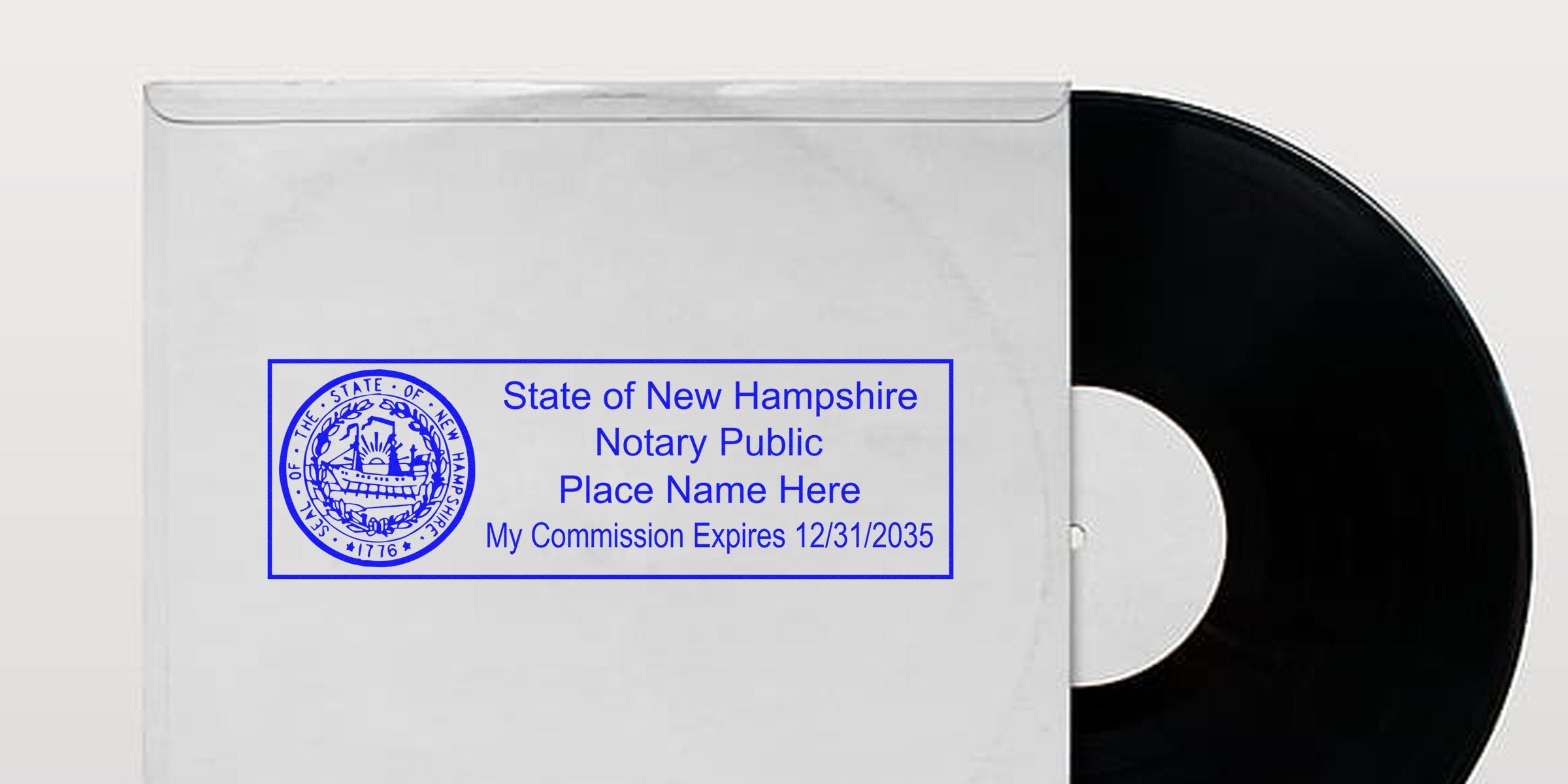
If you’re planning to become a notary public in the Granite State or you already have your commission, you might be wondering about New Hampshire notary stamp requirements. It’s easy to assume a notary stamp is just a quick signature replacement, but it’s actually a cornerstone of your credential. Think of your stamp as an official hallmark, a small yet pivotal mark that verifies a document’s authenticity and your authority as a notary.
Having the right stamp meets the state’s guidelines, ensures that your notarized documents hold up in court, and helps keep your paperwork organized. Below, we’ll explore the ins and outs of meeting the legal requirements, choosing a stamp style, and keeping it in good condition. By the end of this guide, you’ll know exactly how to handle your New Hampshire notary seal or stamp from start to finish.
Understanding New Hampshire Notary Stamp Requirements
Notaries in New Hampshire have specific rules they must follow regarding stamps or seals. Yes, there’s a bit of fine print, but once you grasp the basics, it feels less like legal jargon and more like a logical checklist. So, let’s break down the essentials.
Why These Requirements Matter
A notary stamp or seal does more than leave an ink imprint. It’s the state’s way of identifying you as a legitimate notary who’s authorized to validate documents. If you don’t stamp properly or use the right design, you could unintentionally invalidate important paperwork.
- Proof of Identity: The stamp shows anyone reading the notarized document that the signature and the endorsement are genuine.
- Preventing Fraud: A uniform stamp design helps catch forgeries. If your stamp is missing certain elements (like your name and commission details), that’s a red flag to someone verifying the document later on.
- Professional Credibility: Following the official guidelines showcases your professionalism. It’s a small detail that reinforces trust in the notary process.
Common Elements You Need
While specific design rules can vary slightly depending on the source you reference, most official guidelines call for these must-haves:
- Your Name: Exactly as it appears on your notary commission.
- The Words “Notary Public”: This signals your role clearly and prevents confusion with other types of stamps.
- The State Name: In this case, “New Hampshire” must appear to specify your jurisdiction.
- Optional Extras: Some stamps include the expiration date of your commission, but New Hampshire does not necessarily require it. It’s still a good idea to include so your stamp remains easy for others to reference.
Double-check your state handbook or the county’s official resources for the exact required elements. If you spot a difference in official rules, always go with the most current version from the state’s governing office.
Ensuring Stamp Compliance
Once you know the basic elements that belong on your stamp, it’s time to make sure it complies with state guidelines. After all, failing to meet New Hampshire notary stamp requirements can have real consequences, from rejected documents to potential legal challenges.
Legal Guidelines You Must Follow
Each state handles notary regulations a bit differently, and New Hampshire is no exception. Here are the critical points to keep in mind:
- Legibility: The stamp must produce a clear impression. Blurry or partially readable impressions can cause your notarized documents to be rejected.
- Size Specifications: While New Hampshire does not mandate an exact width or length for your stamp, avoid designs that are so large they crowd the page or so small the details become microscopic. Aim for a standard rectangular or circular design that is easy to recognize.
- Ink Color: Many experts recommend using a dark ink, such as black or blue, for maximum contrast. The law may not strictly prohibit other colors, but in practice, you want something that’s easily photocopied and scanned.
It’s also wise to carefully read your notary commission documentation. If you have trouble finding the current guidelines, you can typically check the New Hampshire Secretary of State’s website for the latest updates.
How To Avoid Common Mistakes
Mistakes happen when people rush or don’t fully recognize the significance of their notary stamp. Here are some pointers to ensure you stay on the safe side:
- Check the Spelling: Verify more than once that your name on the stamp exactly matches your commissioned name. Even an added initial can cause confusion.
- Keep It Simple: Resist fancy fonts that might be hard to read. A clear, standard font goes a long way in meeting regulatory requirements.
- Test It Out: Practice stamping a few test sheets and check for a crisp outline. If it’s smudged or missing segments, adjust the pressure or re-ink if needed.
If you ever find your stamp producing inconsistent impressions, consider purchasing a new one right away. Using a worn-out or improperly re-inked stamp can invalidate the notarization.
Choosing The Right Stamp Provider
Now that you understand the basics, you might be asking, “Where do I actually get one of these stamps?” You have plenty of options—stationery shops, online retailers, or specialty notary supply companies—but not all providers are equal in quality.
Material And Design Options
Stamps and seals come in various materials:
- Self-Inking Stamps: These are convenient because they have an ink pad built in. You can get multiple clear impressions without re-inking every single time.
- Pre-Inked Stamps: Similar to self-inking, but often produce sharper images. They’re usually a bit pricier.
- Traditional Rubber Stamps: You’ll need a separate ink pad. They’re a classic choice, budget-friendly, and can be re-inked easily.
- Embossing Seal: Although an ink stamp is commonly used, some notaries also opt for an embosser to place a raised imprint on a document. Embossers are more traditional but may be harder to photocopy.
If you’re looking for a one-stop place to choose from a variety of notary materials, check out new hampshire notary supplies. Here, you can often find self-inking stamps, embossed seals, refillable ink pads, and more.
Recommended Purchasing Steps
Before you put your money down:
- Confirm Requirements: Double-check your personal name spelling, your notary’s commission number if needed, and the state’s must-have elements.
- Research Providers: Read reviews or ask your notary network for provider recommendations. Consistency and clarity in the final impression are key.
- Look For Quality Materials: High-grade rubber, sturdy plastic casings, or metal embossing plates last longer and give crisp imprints.
- Ask About Guarantees: A good provider should offer a warranty or guarantee, so if your stamp arrives damaged, you can get a replacement quickly.
No matter which supplier you choose, remember that your stamp is an investment in your notary practice. Spending a bit more for reliability can save you headaches down the line.
Maintaining And Replacing Your Stamp
While the rules for how to use your stamp are spelled out in legal requirements, there isn’t always formal guidance on caring for it. Yet day-to-day maintenance is crucial if you want every stamp to look consistent and professional.
Proper Care And Storage
Like any tool of your trade, a notary stamp needs some TLC. Here’s how to keep it in prime shape:
- Store It Upright: If you have a self-inking stamp, store it standing up so the ink distributes evenly.
- Avoid Extremes: Keep your stamp away from direct heat sources or freezing temperatures. This prevents the rubber from drying out or cracking.
- Clean Gently: If ink builds up on the surface, lightly wipe it with a damp cloth or a specialized rubber stamp cleaner. Avoid harsh chemicals that could deteriorate the rubber.
- Cap It or Lock It: Many modern stamps come with a protective cover or locking mechanism to safeguard the surface. Use these features to prevent accidental impressions or damage.
When It’s Time For A Replacement
Nothing lasts forever, and that includes your stamp or seal. Here’s how to recognize a stamp that’s well past its prime:
- Faded Imprint: If you’re getting patchy or incomplete images, even after re-inking, the rubber might be worn out.
- Cracked or Split Rubber: Visible damage often means the mark may not be accurate, and that’s a clear sign to replace it.
- Commission Update: If your name changes or your commission renews and you need updated information, you’ll need a brand-new stamp reflecting those changes.
When in doubt, get a replacement sooner rather than later. It’s much better to invest in a new stamp than to risk invalidating your notarial acts due to a faulty impression.
Differences Between Stamps And Seals
New Hampshire law allows you to use either a rubber stamp or an embosser-type seal. So which one should you choose? Each option has its perks, and ultimately, it comes down to personal preference and the nature of your notary work.
- Ink Stamps: Quick and easy, with consistently readable impressions for official documents and photocopies. They can be self-inking or require a separate pad.
- Embossing Seals: Create a raised imprint, which feels more traditional. However, if a document is scanned, the raised seal may not be as easily seen unless you also apply an ink overlay.
- Combination Approaches: Some notaries use both. They apply the ink stamp for clarity, then place an embossed seal to add extra security or a more formal touch.
In practical terms, many notaries opt for a self-inking or pre-inked stamp these days. At the same time, an embosser can add prestige if that’s what your clients expect. If you handle sensitive or ceremonial documents, you might prefer the extra flourish.
Common Notary Pitfalls To Avoid
Even seasoned notaries can slip up if they’re not vigilant. Below are a few pitfalls you should be aware of when dealing with notary tasks in New Hampshire:
- Failing To Check ID Properly: A notary’s job is to verify identities, so always ensure you’re following proper protocols.
- Using An Expired Commission: Timelines can sneak up on you. Keep track of your commission dates so you never risk stamping an important document with an expired credential.
- Contradicting Notary Law: Some folks accidentally provide legal advice. Stick to verifying identities and signatures, and let attorneys handle complex legal matters.
- Neglecting A Professional Log: Having a record of every notarial act helps protect you if questions come up later. This is especially important if your stamping is challenged in court.
Staying compliant means paying attention to every stage of the notarization process, from verifying an ID to affixing your stamp. With the right habits, though, you’ll build a reputation for reliability and accuracy.
Handling Special Notarization Situations
You might occasionally encounter unique scenarios, such as out-of-state documents, foreign-language paperwork, or people with physical limitations. When that happens, clarity is your friend.
- Out-of-State Documents: As long as you’re notarizing within New Hampshire and the signers are present, you can typically use your standard New Hampshire stamp. Check the receiving jurisdiction’s rules if you’re unsure.
- Foreign-Language Content: You can notarize a document written in another language if you and the signer can communicate effectively. However, consult with the Secretary of State if the situation gets complicated.
- Signers With Physical Disabilities: Some signers may not be able to hold a pen; they might sign with a mark, and you’ll need witnesses. In such cases, your role in verifying identity remains the same.
Always consult official New Hampshire guidelines when an unusual notarization request lands on your desk. If no clear rule exists, seeking legal advice or contacting the state’s notary division may be a wise move.
Cost And Budget Considerations
Notary stamps aren’t generally expensive, but costs can vary. Here’s how to budget:
| Expense Category | Approximate Range | Notes |
|---|---|---|
| Basic Self-Inking Stamp | $15–$25 | Includes a built-in ink pad. May wear out faster if cheaply made. |
| Pre-Inked Stamp | $20–$40 | Produces crisp details. Refills might cost more, but the stamp tends to last longer. |
| Embossing Seal | $25–$50 | Often made of metal. Ideal for specialized or formal documents. |
| Refill Ink or Ink Pads | $5–$10 | Needed periodically if you use a self-inking or pre-inked stamp. |
Prices can vary by retailer, material quality, and any custom design you choose. You might see packages that bundle a stamp, notary journal, and other essentials at a discounted rate. Always confirm that the package meets New Hampshire’s requirements before buying.
Key Takeaways And Next Steps
- Always verify that your stamp meets all the essential New Hampshire notary stamp requirements, including name, role, and state.
- Choose a reliable stamp style—self-inking, pre-inked, or even an embosser—based on your work volume and personal preference.
- Make sure your impressions are clear, legible, and placed consistently. Smudged or faded images can cause legal headaches.
- Inspect your stamp regularly. If it’s damaged or outdated, replace it promptly so you don’t risk invalidating documents.
- Keep your stamp secure when not in use. It’s your legal signature, so treat it like a valuable tool.
If you’re in the market for a new or replacement stamp, take a look at new hampshire notary supplies for a range of options that comply with local guidelines. By choosing the right stamp and following best practices, you’ll serve your clients more efficiently and protect yourself from potential liability.
Now that you’ve got a handle on the requirements, why not review your current stamp (if you have one)? Double-check its clarity and correctness. If something seems off, don’t hesitate to get a new one that meets the standards. You’ll thank yourself later when every document you notarize passes muster without a hitch. Feel free to share your favorite notary stamp tips with fellow notaries—you never know who might need that extra pointer. Happy stamping!
Frequently Asked Questions
Do I have to include my commission expiration date on the stamp?
- While some states require it, New Hampshire’s law doesn’t strictly mandate that your stamp contain the commission expiration date. Including it is helpful for clarity, but it’s not a deal-breaker if it’s missing.
Can I use a decorative border on my stamp?
- Generally, you can, but any design element must not obscure the required text. Keep decorative adornments minimal so that the essential information is clear and readable.
What happens if I change my name during my commission term?
- You’ll need to notify the appropriate office, and you might be required to obtain a new stamp reflecting your updated name. Until you have that in hand, keep notarizing under the name currently on your commission.
Can I share my stamp with other notaries in the office?
- No. Each notary stamp is unique to the individual notary. Sharing a stamp is illegal and can put you in legal hot water if a notarized document is ever contested.
How do I properly destroy an outdated or worn-out stamp?
- Most authorities recommend removing or shredding the rubber portion so it’s not reusable. Some notaries burn the rubber portion or cut it into small pieces before discarding it.
Do I need a backup stamp?
- Not officially. However, some notaries keep a spare, especially if their main stamp is self-inking and might run out of ink. If you do have a backup, store it securely.








