
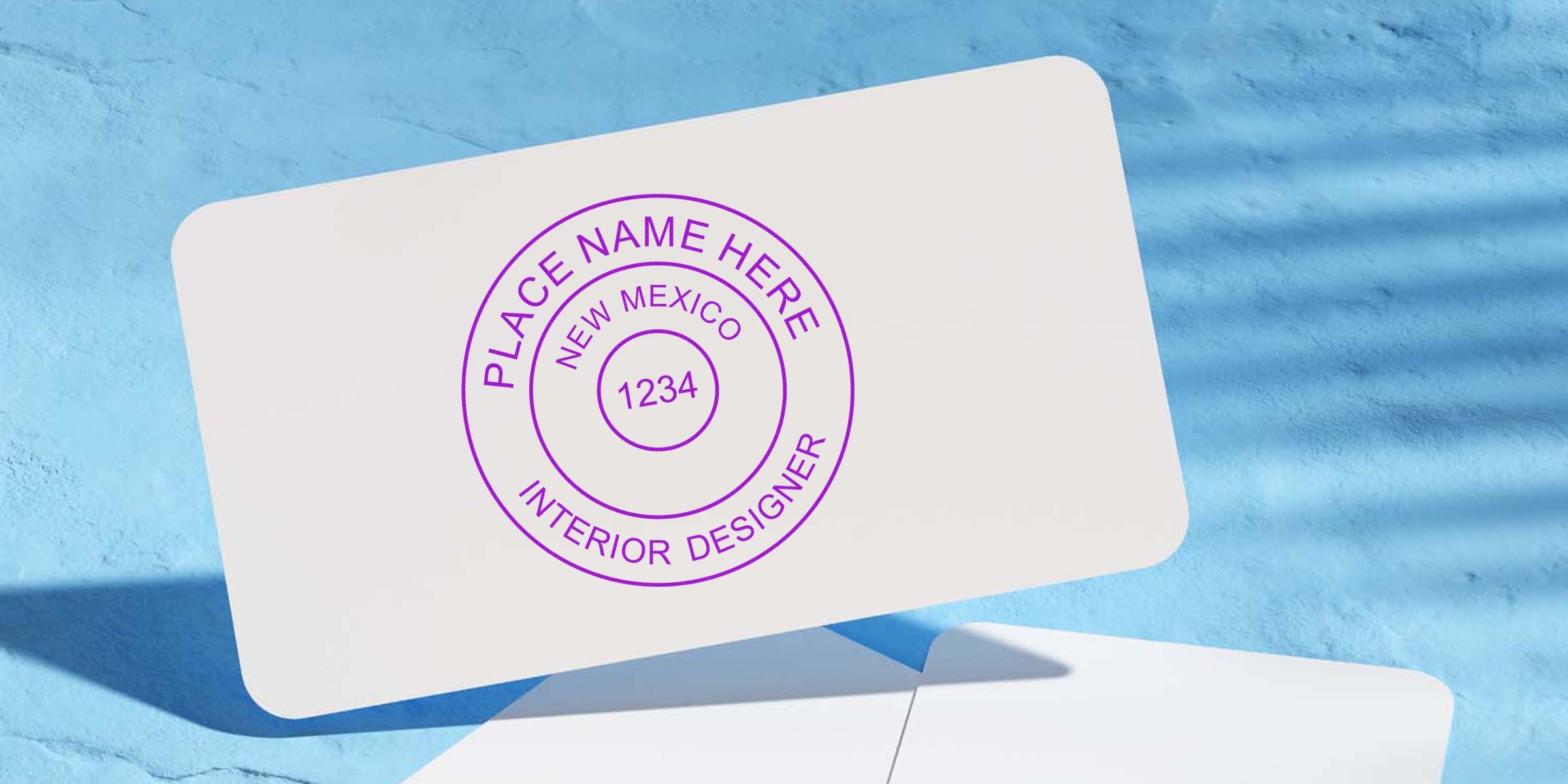
If you’re an interior designer in the Land of Enchantment, chances are you’ve heard about the New Mexico Interior Designer Seal. This official seal can feel like one of those behind-the-scenes details that you only worry about once your projects are underway, but it actually plays a major role in your professional practice. It’s not just about stamping a piece of paper—when used correctly, the seal shows that you meet New Mexico’s requirements, follow state regulations, and add a layer of trust to your work. In the same way you’d focus on creating a welcoming entrance or crafting the perfect color palette, you also want to ensure your paperwork is just as buttoned-up.
So let’s dive right in. You’ll learn why the seal matters, what rules you should keep in mind, and how to apply or renew your stamp like a pro. By the end, you’ll have a clearer sense of how a simple impression on your documents can reflect your commitment to quality and compliance. Whether you’re finalizing a residential renovation or heading up a brand-new commercial build, your seal proves you’re ready to tackle any interior design challenge New Mexico sends your way.
Discover The Significance Of A New Mexico Interior Designer Seal
Why Official Seals Matter
When you display an official seal on your design documents, you’re basically telling regulators, clients, and collaborators that you follow the right standards. The seal usually includes your name or license number and references your credential as an interior designer. By the look of that imprint, people know you’ve done the legwork—often including state board reviews, educational qualifications, and professional exams.
In many states, including New Mexico, the purpose behind requiring a seal (or stamp) is ensuring design accountability. Rules may vary depending on the type of project you’re taking on, but using your seal means you’re taking responsibility for the integrity, safety, and compliance of your design plans. Think of it as your signature expanded. Once your seal goes on a plan, you’re confirming that everything inside those pages aligns with code, ethics, and the best practices in your industry.
Key Elements Of The New Mexico Seal
By the time you’re ready to order your official New Mexico Interior Designer Seal, you’ll notice several elements on it:
- Name and License Number
- “State of New Mexico” or other relevant wording to indicate jurisdiction
- Possibly an indication of your professional title, such as “Interior Designer”
Each of these details is important to the authentication process. You might also find minor variations in size or layout, but the main points are consistent. If you’re not sure what should be on your seal, check with state guidelines or consult a trusted supplier like Acorn Sales, which has been making professional stamps and seals for over 60 years.
Fulfill State Requirements
Understanding Board Regulations
Before you run out and buy a seal, it helps to know if (and when) you’re actually required by law to use one. In New Mexico, interior designers typically follow regulations established by professional boards or state statutes. These rules outline:
- Which types of documents need to be sealed
- The correct format and size of your seal
- When to renew your credentials and update your seal
Always confirm you have the most recent guidelines, possibly by visiting the board’s website or contacting them directly. Requirements can shift over time, so do a quick check every year to see if something new popped up.
When Are Seals Needed?
You’ll generally place your New Mexico Interior Designer Seal on project documents that require an official sign-off, such as construction drawings or detailed design specifications. Often, officials ask for your seal during permitting or final approval stages. By sealing and signing these documents, you’re affirming that your plans address relevant safety codes, design laws, and even accessibility standards.
If your project is small—maybe just a quick room makeover—nobody might ask for your seal. But for larger-scale projects, especially those involving building permits or structural elements, expect to use the seal. The clarity it provides can smooth out communication with zoning committees, inspectors, and other decision-makers.
Acquire Your Official Seal
Selecting The Right Type
You’ll usually have a range of seal styles, from self-inking stamps to embossed seals or pre-inked varieties. Each has its own perks:
- Self-Inking Stamp: Ideal when you need to stamp multiple documents in quick succession.
- Embossing Seal: Offers a raised impression that looks professional and is tamper-resistant.
- Pre-Inked Stamp: Delivers crisp imprints and lasts through thousands of uses.
Choosing one often comes down to frequency of use and personal preference. An embossed seal can offer a classic look, while a self-inking stamp might feel more convenient if you need to seal a dozen documents in one sitting.
Why Choose Acorn Sales
If you ask fellow interior designers around New Mexico, they’ll likely mention Acorn Sales. For over six decades, Acorn Sales has crafted not only robust, reliable seals and stamps, but also the trusted service that backs them up. You can count on:
- Accurate details that comply with state guidelines
- Long-lasting materials that withstand daily stamping
- A free electronic seal included with your order
- Personalized customer support that’s quick and straightforward
Choosing the right partner matters here, because you don’t want to reorder your stamp every year or worry about inaccurate text. When your professional integrity rests on each design, it’s comforting to know your seal is done right from the start.
Put Your Seal Into Practice
Documents And Projects That Need Stamping
You might be curious if every interior design document under the sun needs your seal. The short answer is no. Instead, focus on the fully detailed or technical sets that go to local building authorities or to a construction team. Typical examples could be:
- Structural layout drawings for an upscale restaurant
- Detailed floor plans for a major residential renovation
- Electrical and lighting schemes where code compliance is critical
- Accessibility guidelines for public spaces
Sometimes, these plan sets come in thick packages, ranging from conceptual sketches to highly technical sheets. You’ll want to stamp the final or “official” pages that require your sign-off. Keep track of which page versions you seal, so there’s zero confusion if regulators ask for references.
Tips For Effective Presentation
When you place your New Mexico Interior Designer Seal, you want the imprint to look sharp and easy to read. Smudged or off-centered impressions can make your documents appear messy. Try the following:
- Test your seal on scrap paper first. Make sure the ink is crisp.
- Position your seal in a consistent spot, such as the lower corner of each sheet.
- Double-check your license number and name for accuracy.
By consistently stamping in the same general location, you help agencies identify your information right away. It can even reduce client questions, because everything from your credentials to your contact details is easy to find.
Maintain Long-Term Compliance
Renewals And Updates
Your state license as an interior designer is not a set-it-and-forget-it credential. As you renew your license, you may also need to confirm your seal remains valid. A typical cycle might involve renewing every two or three years, often with evidence of continuing education. If at any point your license status changes—maybe you earned an advanced certification, changed your company name, or legally updated your personal name—you may need a new seal too.
Keep in mind, some states have grace periods, but fees or late penalties might apply if you wait too long. Plan ahead. Try setting a simple calendar reminder so you’re aware of renewal deadlines. If you do need a brand-new seal, consider linking up with a supplier you trust, such as Acorn Sales, which can guide you through reordering or redesigning your stamp.
Digital Tools And Free Electronic Seal
Working in a mostly digital world, you may also wonder if an electronic seal is acceptable. Many jurisdictions, New Mexico included, recognize an official digital seal or signature as long as it meets security requirements. This can save you from printing, stamping, and rescanning documents each time you tweak a design. Plus, electronic seals help maintain that professional look even in PDF or online submissions.
A big bonus to highlight: when you order your physical stamp from Acorn Sales, you also get a free electronic seal. That means you’re equipped whether you’re printing out your designs or sending them straight to your client’s inbox. In a pinch, it’s a lifesaver, especially if you’re updating a design last minute before a deadline.
Your Next Steps
Making sure you have the right New Mexico Interior Designer Seal might feel like a small detail, but it can have a big impact on your professional image and legal standing. With your seal in hand (and on paper), you’ll be ready to submit design documents confidently, showing both clients and authorities that you take your role seriously.
If you haven’t already, schedule a moment on your calendar to verify your license status with the relevant New Mexico authorities. Then, decide on the type of seal that best suits your workflow. Whether you prefer an embossed seal that leaves a raised mark on every page or a user-friendly self-inking stamp, you can’t go wrong with a trusted provider like Acorn Sales—especially since it comes with a free electronic seal too.
You’ve got important design work to do, and stamping your official documents shouldn’t slow you down. Instead, view it as a sign of your professionalism and client commitment. Once you start incorporating your seal into your daily routines, you’ll wonder how you managed without it. Best of luck with your future projects, and go show New Mexico all the imaginative interior solutions you can deliver!
Frequently Asked Questions
What’s The Difference Between A Stamp And A Seal?
In many cases, the words “stamp” and “seal” are used interchangeably. A “stamp” often refers to an inked device that leaves a predetermined impression, while a “seal” may technically refer to an embossed imprint or even a digital graphic. Both serve the same purpose: to authenticate and validate your documents. If you’d like to see your stamping options, check out the New Mexico Interior Designer Stamp page for specifics.
Do I Need A New Mexico Interior Designer Seal For Every Project?
It depends on the project scope. Interior design work submitted to building officials or for permitting usually needs your seal. However, smaller jobs without any structural changes or code implications typically do not. When in doubt, consult local regulations or ask your client if any official sign-off is required.
Can I Reuse My Stamp If I Move To A Different Firm?
If your license number and name remain unchanged, you can continue using the same stamp. Just make sure you update any accompanying details like company name or address in your official documentation. If you change your legal name or if your license status changes, you’ll likely need to order a new stamp to reflect that information accurately.
What If My Seal Doesn’t Match The State’s Requirements?
In rare cases, you might find you ordered the wrong style or your seal’s layout doesn’t match current rules. Reach out to a reputable supplier, like Acorn Sales, as soon as possible for a replacement that meets the correct specifications. You don’t want to risk having your documents rejected by officials.








