
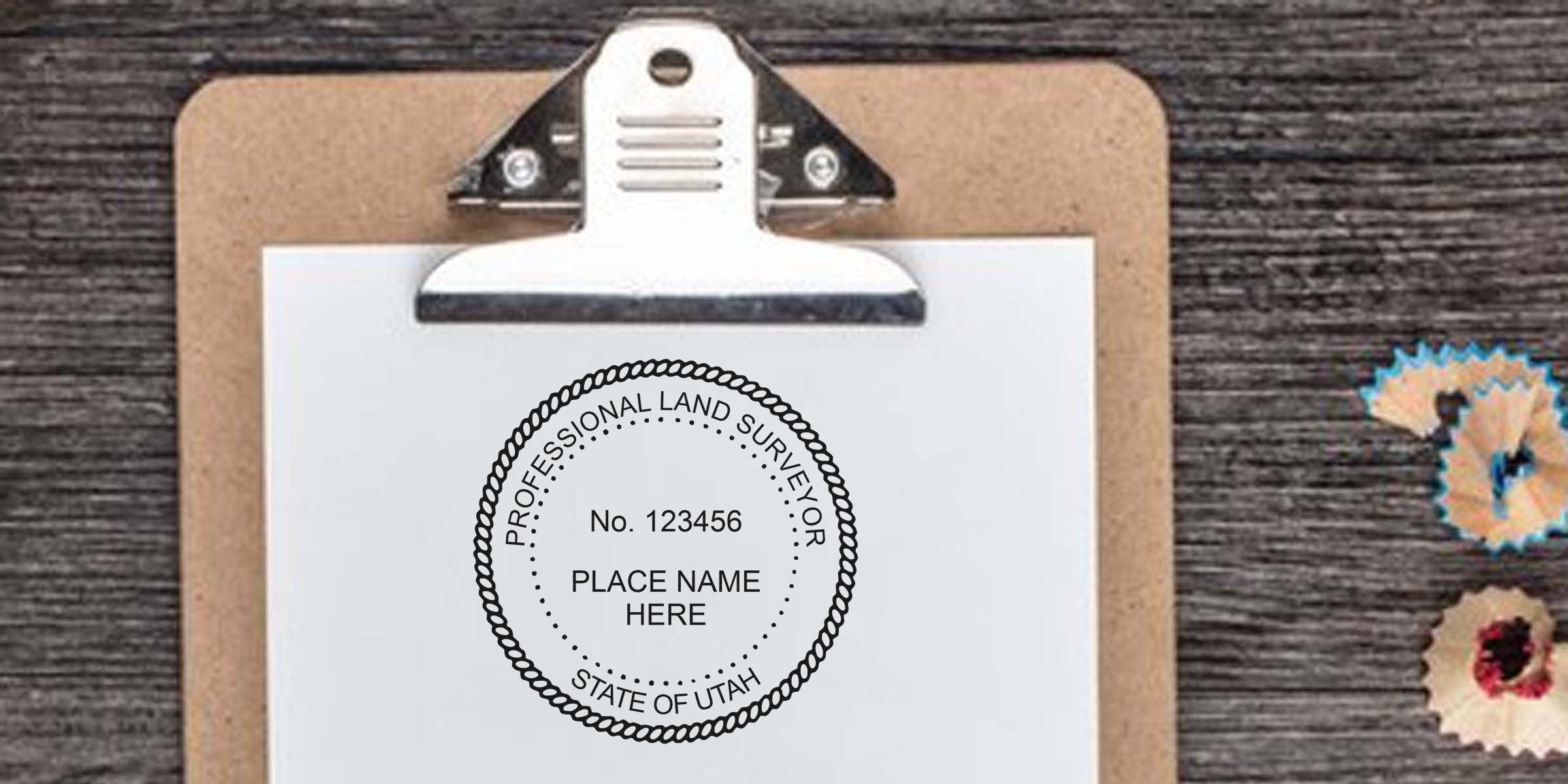
Explore The Basics
If you’re working toward a Utah Professional Land Surveyor Seal, you’ve likely got plenty of questions about how it all works. Maybe you’re double-checking the latest requirements, or you’re simply curious about which type of seal you need. Whatever the case, understanding the basics can save you time and ensure your projects meet every Utah regulation.
Why The Seal Matters
Think of your seal as a signature that represents your expertise, credibility, and adherence to state standards. In Utah, land surveyors must maintain a consistent, professional approach to stamping or sealing documents. This helps protect clients and ensures that official records, maps, or boundary assessments are both accurate and verifiable. In other words, a properly applied seal can set you apart as someone who’s committed to doing the job right.
Having a seal isn’t just about following the law. It’s also about fostering trust. When clients see your official Utah seal on their documentation, they feel more confident in your work. Plus, it shows you’re staying current with industry requirements—something that can give you a leg up on competitors who haven’t taken the time to keep all their credentials in check.
Understanding Utah Regulations
Utah sets specific guidelines for how your stamp or seal should look, how you should use it, and when you need to apply it. You’ll often find references to the name, license number, and relevant wording that must appear within its border. Because regulations can change, it’s smart to keep an eye on any updates posted by the Utah Division of Occupational and Professional Licensing (DOPL). That way, you won’t fall behind if new design or placement rules appear.
If you’re not sure exactly which elements must be on your seal, start by reviewing the utah land surveyor stamp requirements. You’ll see the size specifications, required text, and how your name and license number should be formatted. It’s easy to overlook a small detail, so do yourself a favor and double-check each requirement before you place an order or apply your seal to finished documents.
Secure The Required Stamp
When you decide it’s time to get your physical seal or stamp, you’ll spot a few different varieties. Some surveyors prefer a traditional hand stamp, while others favor a self-inking or pre-inked option. Regardless of which type you choose, you’ll need to ensure it meets the official style guidelines set by the state.
Differences Between Stamps And Seals
The terms “stamp” and “seal” can be used interchangeably, but they sometimes refer to slightly different formats. A “stamp” usually implies an ink-based tool that you press onto the page, whereas a “seal” can be an embosser that leaves a raised impression. Both are valid options, and both should be clearly legible so any reviewing authority can confirm the authenticity of your documents.
You might find that certain local agencies still prefer embossed seals because they’re harder to photocopy or tamper with. Others are just as happy with an inked stamp as long as the impression is dark, crisp, and fully readable. Take a moment to consider your typical workflow. Need to seal lots of documents quickly? A self-inking stamp could be a genuine time-saver. Want a more traditional feel? An embosser might be the way to go.
Design And Format Considerations
Along with the mechanical differences between stamps, you’ll want to confirm that the design meets Utah’s legal guidelines. The language typically includes the words “Licensed Professional Land Surveyor” (or some variation), plus your name and license number. Because the specific font size and shape of the seal can matter, you’ll often see providers offering standard templates built around your custom information.
When looking for a provider, ask about the design proofs. You want a preview of exactly how your name and license number will be placed. Confirm the seal’s outer ring diameter lines up with Utah requirements, and try to keep your text from crowding the edge. If it’s too cramped, the final mark might be unreadable.
Follow Proper Usage Guidelines
Knowing how to apply your seal is just as important as knowing which seal to order. Utah’s regulations specify when you must affix your seal—like on official maps or survey documents—but also how you should apply your signature or date each entry.
Where Your Seal Goes
Not every piece of paper that leaves your desk needs an official seal. Typically, you’ll stamp or emboss project drawings, boundary lines, topographic maps, or other documents that require verification by a licensed professional. The exact spots might be determined by your client’s needs or your local jurisdiction’s preferences. Some agencies want the seal on every page with technical details, while others are fine with a single seal on the cover sheet.
Always check the final instructions from your client or your approving authority. If they haven’t specified, err on the side of clarity. Put your seal in a spot that’s easy to see, usually near the bottom or in a corner. And if you run into any confusion about whether to seal a particular page, consider picking up the phone and asking your local department for confirmation.
Recordkeeping For Your Projects
Once you’ve sealed and signed a document, keep documentation for your own records. That might mean a digital file with a timestamp or even a physical copy in a well-labeled folder. This is handy if questions arise later—perhaps someone challenges the boundary lines or wants to verify your professional credentials. If you’ve got everything organized, it’s simple to show you followed the right steps from the start.
It’s also a good idea to store copies of your seal design, any proof that it meets Utah’s standards, and your license or renewal paperwork in a secure place. That way, if you need to reorder (or if you notice any potential discrepancy in how something was printed), you have a reference ready to go.
Choose A Trusted Supplier
Once you know what you need, the next step is to find a reliable place to buy your stamp or seal. You’ll see online shops and local office-supply spots, each with different production timelines and quality. But consider that not all products are created equal. You want crisp edges, correct text, and professional design that aligns with Utah’s guidelines.
Why Acorn Sales Stands Out
At Acorn Sales, we’ve been providing professional stamps and seals for land surveyors nationwide since 1964. Our decades-long track record means you can trust us to get every last detail right. Plus, we know that convenience and speed matter. That’s why we offer a free digital seal included with your purchase, allowing you to start using an electronic version of your seal even before your physical product arrives.
We designed our ordering process to be straightforward. You just send us your licensing details, and we’ll handle the rest. We’re used to working within Utah’s official guidelines, so you can skip the guesswork and cut right to the final, properly formatted design.
How To Order Seamlessly
Embarking on the ordering process for your seal? Keep it simple. Gather your contact information, license details, and double-check that you have the correct name spelling—your name on the seal must match how Utah recognizes you as a licensed surveyor. When you reach out to Acorn Sales, let us know if you prefer a traditional hand stamp, self-inking, or an embosser.
We’ll also provide a design proof so you can give the final thumbs-up. Once you’re satisfied, we’ll start production. Shipping timelines can vary, but we strive to get your seal in your hands quickly. If you need to expedite, just let us know—we’re flexible and happy to help.
Expand Your Professional Reputation
Your Utah seal is more than a legal formality. It’s an emblem of your proficiency and a signal to clients that they’re working with someone who values precision. By staying up to date with the requirements, using a high-quality seal tool, and applying it correctly, you show you’re dedicated to maintaining professional standards.
Going Beyond Minimal Compliance
It’s easy to think of your seal as yet another box to check before you submit a project. But it can also become a marketing tool. Imagine a client looking at a portfolio of completed assignments. Seeing an official seal stamped neatly on your final maps and documents demonstrates attention to detail. It sets people’s minds at ease about the legitimacy of your service and the thoroughness of your approach.
Beyond that, consider writing a short overview of your process and including it in client proposals. Let them know that you deliver sealed documents according to state standards and that you can explain why each detail matters. By positioning your practice this way, you highlight that you’re not just fulfilling the bare minimum. You’re adding a layer of professionalism that resonates with clients who want quality and reliability.
Maintaining Consistency And Accuracy
Once you’ve sourced the right seal and established your usage habits, try to keep everything consistent. Use the same style, size, and method each time you apply your seal. That means no “mixing and matching” stamps or changing the design from one project to the next. Consistency can help protect you from questions about authenticity while ensuring that anyone reviewing your documents clearly recognizes your official mark.
Accuracy doesn’t end with the placement of your seal. If any of your personal or licensing details change—such as a new license number or a name change—make sure you order a revised seal. While it might be tempting to keep using the old one, that can lead to confusion or even disciplinary action, depending on the circumstances.
No. Whenever critical details like your license number change, you need a new seal. Utah requires your seal to reflect accurate, up-to-date information. Using a seal with outdated details can raise red flags and might not hold up if your documents come under scrutiny. Ordering a fresh seal not only keeps you compliant but also reassures your clients that you’re following best practices.
Hopefully, this clarifies how to navigate the requirements for the Utah Professional Land Surveyor Seal. From choosing the right stamp type to finding the best supplier, every step you take can boost your credibility. Stick to the guidelines, ask questions when you’re unsure, and remember that your seal is a powerful way to showcase your professional commitment. If you’re shopping around for a new seal or simply have more questions, feel free to reach out to Acorn Sales—we’re here to help you make each stamp count.
Frequently Asked Questions
Do I Need A Physical Seal If I Have A Digital One?
In many cases, you do. A digital seal is excellent for electronic submissions or quick sharing, but certain agencies and local offices can still require a traditional ink or embossed stamp on official documents. Always verify with the receiving agency so you can be sure you’re submitting your documents correctly. It never hurts to have both options on hand to cover all bases.
How Often Do Utah Regulations Change?
Utah regulations for land surveyors don’t shift constantly, but minor adjustments can pop up now and then. You’ll want to check in with the Utah Division of Occupational and Professional Licensing each year or any time you renew your license. Small changes may concern the seal’s dimensions, text, or usage guidelines, so stay on top of announcements to avoid falling behind.
What Is The Turnaround Time For Getting My Seal?
Production time can vary, particularly if your seal or stamp involves special customization. Most suppliers, including Acorn Sales, offer a proof for your approval before they manufacture the final product. Typically, you can expect to receive your physical seal within a week or two after approving the design. If you need it to arrive sooner, expedited shipping might be available.
Are Embossed Seals More Official Than Inked Stamps?
Neither option is inherently “more official,” as long as they meet Utah’s guidelines. It usually comes down to personal preference and your typical workflow. Some professionals love the raised impression from an embosser, while others prefer the no-mess convenience of a self-inking stamp. Both are acceptable forms of marking official land surveying documents in Utah.








