
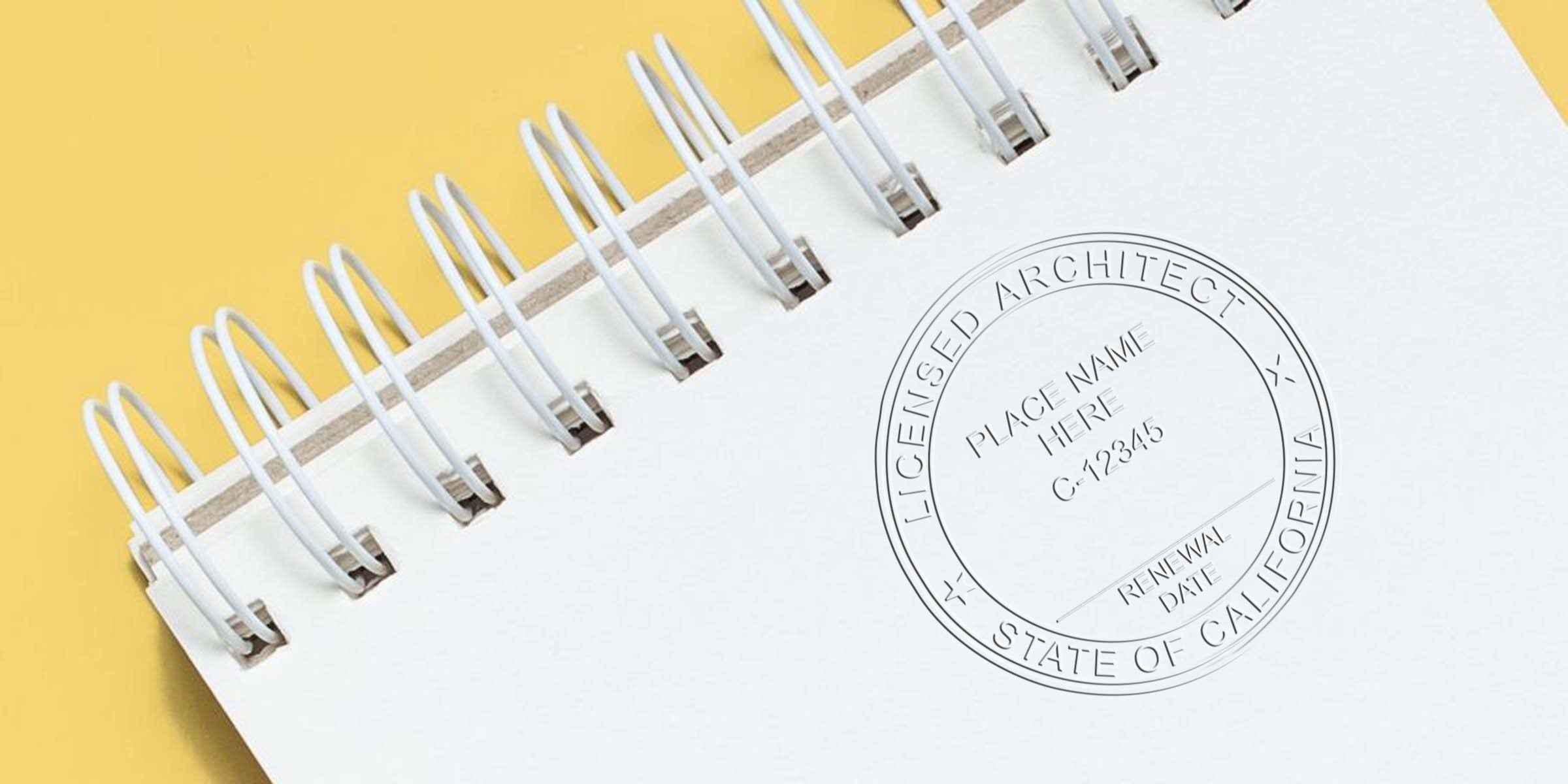
If you’re an architect working in California, you already know how vital it is to have the correct california architect stamp for building plans. It’s not just about compliance, but also about lending legitimacy and clarity to your blueprints. Below, you’ll find everything you need to feel confident about your stamp usage, from design specifics to choosing a reliable supplier.
Understand The Basics
A California Architect Stamp confirms your license credentials and adds a professional seal to your building plans. Think of it as your way of saying, “Yes, I’m licensed to design this structure.” Clients, contractors, and local agencies often look for this stamp on any architectural documents you produce.
Why A Stamp Matters
- Signals official license verification to governing bodies.
- Provides a clear document trail for legal and contractual purposes.
- Shows contractors and clients you’re following state regulations.
Meet Official Requirements
Each stamp has to follow specific guidelines, such as proper size, shape, and information placement. You don’t want to guess here, because local authorities can reject plans that use a non-compliant seal.
When you’re ready for a deeper dive into the specifics, check out California Architect Stamp Requirements. You’ll find details on format, spacing, and the mandated language to include.
Pick The Right Supplier
Not all stamp makers are created equal. Some might offer quick service, but their seals may not stand up to California’s strict regulations. That’s where Acorn Sales can step in. We’ve been in the stamp and seal business for over 60 years, and we’re proud to offer:
- State-Compliant Seals that meet California regulations.
- Quick Turnaround so you can move projects forward faster.
- Digital Architect Stamps if you need an electronic version ready to drop into digital files.
Pro Tips For Your Stamp
Even the best stamp will fall flat if you don’t use it properly. Here are some pointers to keep your seal crisp, clear, and compliant.
Ensuring Legibility
- Keep your ink pad fresh so your stamp impression is bold.
- Store your stamp in a cool, dry place to prevent warping or damage.
- Replace worn rubber or embossing plates when details start to fade.
Using Digital Stamps
- Make sure each digital seal is password-protected to prevent unauthorized use.
- Insert the stamp at the same resolution as your plan documents to maintain clarity.
- Save a backup in a secure location so you can easily update projects or transfer documents.
Wrap It Up
Your California Architect Stamp is a cornerstone of your professional toolkit. Taking time to understand its rules, meet official requirements, and partner with a reputable supplier sets you up for success. Whether you’re working on residential blueprints or commercial drawings, a clear and compliant seal ensures everyone involved trusts your expertise.
Feel free to reach out if you have more questions. Remember, a compliant stamp saves you time and hassle in the long run. By choosing a reputable source and staying aware of state requirements, you’ll be on the right track for every set of plans you produce.
Frequently Asked Questions
Do I need a separate stamp for each project?
You don’t need a unique stamp per project, but you do need to ensure it shows your active license and updated information. One stamp can cover all your projects as long as it stays compliant.
Can I design my own stamp layout?
While creativity is fun, California has strict guidelines. You can work with an approved stamp maker to incorporate your license details into a design that meets regulatory standards.
Does the stamp have to be a certain size?
Yes. California typically specifies a diameter or dimension range. If you’re unsure, it’s best to reference official guidelines or consult a trusted supplier like Acorn Sales.
Are digital stamps universally accepted?
In most cases, yes. However, some local jurisdictions still require embossed or wet-ink seals. Check county or city regulations before relying solely on digital.
How often should I replace my stamp?
Replace it whenever the impression fades or becomes illegible. Regular maintenance helps extend its life—just keep your stamp pad fresh and store it properly.








