
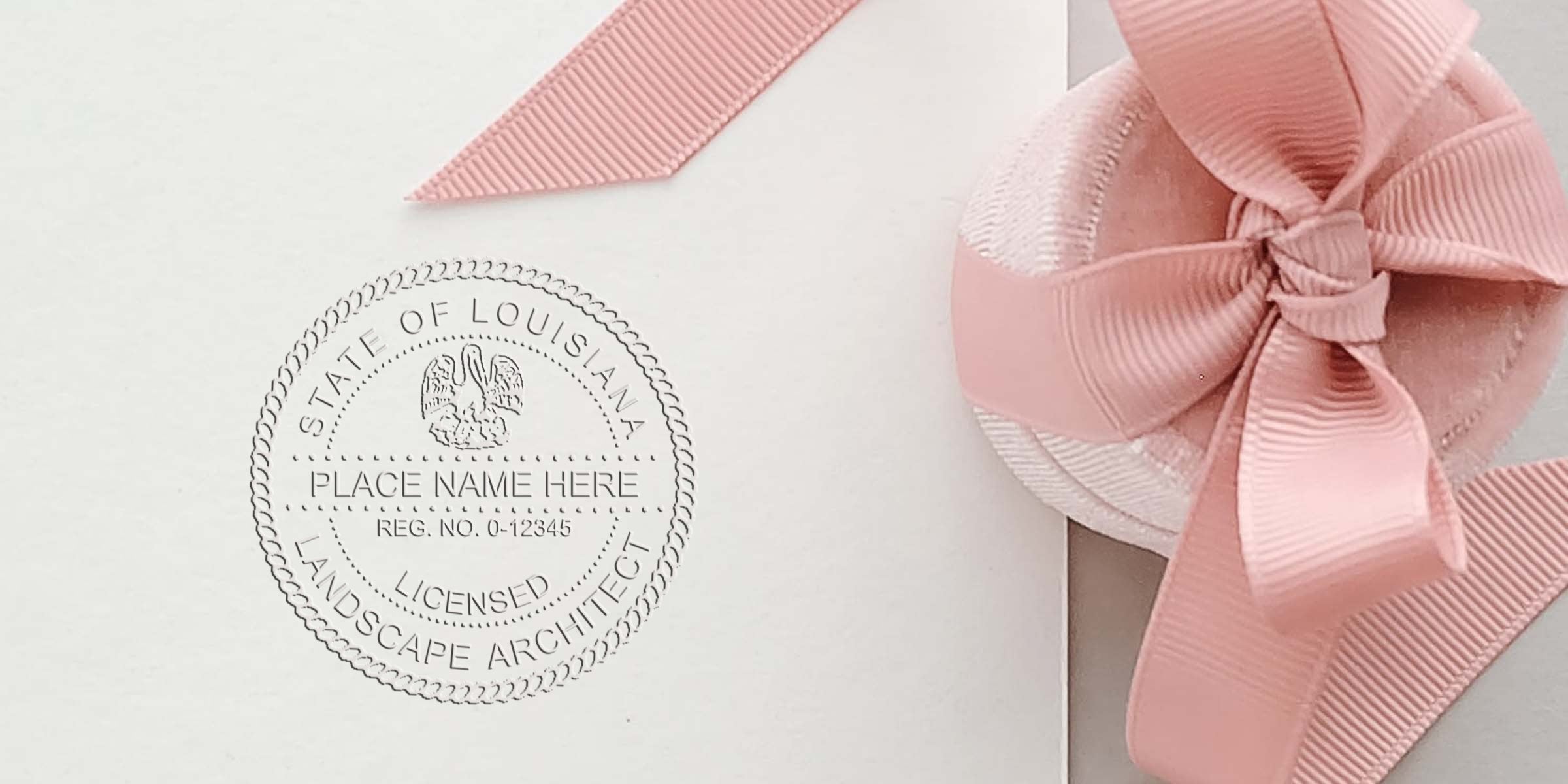
Selecting the right louisiana landscape architect seal official for your professional needs can sometimes feel like a puzzle, especially when you’re navigating license requirements for the first time. But don’t worry, you’re in good hands. In this guide, we’ll walk through everything you need to know about securing, using, and caring for your official seal. Whether you’re preparing for licensure or you’ve been established for years, it never hurts to refresh your knowledge. Let’s dive in and make the entire process feel more straightforward, one step at a time.
Recognize the Importance
The Louisiana Landscape Architect Seal isn’t just a fancy stamp. It’s the official mark confirming that you’re authorized to practice landscape architecture within the state. When you affix this seal to your documents, you demonstrate that your design meets Louisiana’s professional standards and legal guidelines. That’s a pretty big deal.
Why does it matter so much? Imagine you’re recruiting a professional for an important home or commercial landscaping project. You’d want to be sure your chosen expert met every state regulation before they transformed your space. Your clients share that same expectation. In short, using your seal earns trust and adds weight to your credentials. It also helps prevent legal snags down the line if any project details come under scrutiny.
Meet State Requirements
Louisiana, like most states, has a specific set of rules for landscape architects. The moment you’re granted a license, you also take on the responsibility of stamping or sealing your submitted work. In fact, the state board requires a clearly visible seal on official drawings, plans, and other relevant documents. If you’re not sure which projects demand that seal, it’s best to check specifics with your licensing board to avoid any hiccups.
Getting your seal isn’t just about ordering a neat design. It often involves verifying your license details, ensuring your seal matches official guidelines, and then keeping it updated. Neglecting even one piece of the puzzle can result in delays or potential penalties. Don’t let something as simple as a forgotten detail stand between you and a successful project.
Explore Key Design Elements
Every Louisiana landscape architect seal has certain design elements that help identify you, confirm your license, and highlight the state. At minimum, the seal should include your full name, your license number, and a clear reference to Louisiana as the issuing jurisdiction. You’ll notice a circular or sometimes oval shape, though exact layouts can vary based on personal preference and vendor options.
A small detail, like the orientation of the state outline or the exact positioning of your license number, could mean the difference between acceptance and rejection. Make sure to cross-check official samples or guidelines provided by the licensing board. If your seal isn’t up to spec, you may need a replacement, which can stall projects and create more expense.
Find Trusted Providers
Once you’ve reviewed the official design requirements, the next step is to order the seal itself. You might be asking, “Where do I start?” One reliable option is Acorn Sales. Since 1964, this family-owned company has provided stamps and seals to professionals across multiple industries, including architecture, engineering, and of course, landscape architecture. With decades of experience under their belt, they understand the nuances of state-specific regulations and can ensure your seal aligns perfectly with Louisiana’s standards.
Acorn Sales also offers a free digital seal with every physical product you purchase. Why is that handy? Because digital seals can save you when you need to submit urgent documents online. Instead of waiting for snail mail or scanning a physical impression, you can pull up your official digital file in seconds. Plus, by working with a seasoned vendor, you lower the chances of design or accuracy errors, helping you focus on what matters most: your actual project planning and design work.
Use Your Seal Correctly
Securing the right seal is step one. Next, you’ll want to use it the right way. Typically, you’ll affix your seal to final drawings, plans, or any official paperwork that goes to a client or regulatory body. Before stamping, review your documents thoroughly. One overlooked error can lead to a headache later if a third party questions something that your seal essentially endorses.
Also, remember to keep track of the ink color you’re using, as certain boards may prefer black ink over others. For digital submissions, confirm the file format required. Most boards accept PDF or JPEG images of your seal, but it’s wise to confirm. Keep your seal crisp and unaltered in these digital versions, because blurred or distorted seals can raise authenticity concerns.
Consider Digital Options
There’s no doubt that technology has changed how we share and sign documents. Digital seals are quickly becoming the norm in many fields, including landscape architecture. With a digital seal, you can insert your credentials right into a PDF or other electronic file. That means no bulky printers, no scanning stamps, and far fewer trips to the post office.
Of course, you’ll still want a physical seal for more traditional processes or when jurisdictions haven’t fully embraced e-signatures. But a digital seal can be a lifesaver if you’re working remotely or if your client expects instant updates. And remember, when you buy from Acorn Sales, you get one free digital seal included. It’s a must-have addition to your toolkit, especially if speed or convenience is a top priority.
Avoid Common Mistakes
One common pitfall is forgetting to renew your license. If your license lapses, your seal becomes invalid, and that’s a recipe for legal complications. Mark license renewal dates on your calendar, and don’t wait until the last possible moment. Another frequent error is lending your seal or letting someone else stamp documents on your behalf. Your seal is, in essence, your professional signature—so keep it secure.
Misuse of the seal can include stamping unverified drawings or applying it on documents outside your area of expertise. Stay within your professional boundaries. Seals are official authorizations, so using them in any capacity that conflicts with board regulations can put your career at risk. Double-check that your printer settings are correct or your digital file is high-resolution. A faint or barely legible stamp could lead to questions about authenticity.
Summary and Next Steps
Navigating the world of Louisiana Landscape Architect Seals may feel a bit bureaucratic at first, but each step has a purpose. From ensuring every licensed professional works within approved guidelines to helping clients recognize valid expertise, these seals protect everyone involved. By following the requirements, you maintain your good standing and shield yourself from potential legal tangles.
So what’s next on your to-do list? First, confirm your license status. Next, choose a trustworthy vendor like Acorn Sales and make sure your official seal meets all of Louisiana’s rules. Then, familiarize yourself with local stamping guidelines, plus any digital submission processes you’ll need. If you’d like to compare physical and digital seal styles, feel free to check out our louisiana landscape architect stamp. Keep your stamp or seal secure, use it properly, and step into your projects with confidence.
Reliable vendors like Acorn Sales specialize in Louisiana-approved seals and stamps. You can also purchase them from other reputable providers, but always verify that they follow the state’s official guidelines. Acorn Sales includes a free digital seal with every order and has been trusted by professionals since 1964.
By keeping these tips in mind and staying consistent with state regulations, you’ll streamline the licensing process and strengthen the impact of your professional work. It’s worth the extra effort to ensure you have an accurate, properly used seal that reflects your expertise. Take the next step today by exploring your options, gathering the right tools, and proudly showing off your professional credentials on every project.
Frequently Asked Questions
Do I Really Need Both a Physical and a Digital Seal?
It usually depends on your workflow. Some jurisdictions support paper-free designs, while others require a physical mark on official prints. Having both ensures you cover your bases. It also gives you flexibility when switching between e-submissions and physical drawings.
How Often Does My Seal Need Updates?
Your seal generally stays valid as long as your license is active. If you renew your license or if the board changes design specifications, you may need to update your seal. Keeping current with board announcements helps you avoid issues.
Can I Reuse the Same Seal if I Move to Another State?
Each state has unique rules, so you’ll need a separate seal for any new state license. Even if they let you adapt an existing design, you’ll still have to include the correct state name and license details. Check relevant guidelines before using any out-of-state seal.
What Happens if I Forgot to Stamp Certain Pages?
In many cases, unsealed pages in final submissions are considered incomplete. That could delay project approval or hurt your professional credibility. Review final documents to ensure each required page bears your seal.








