
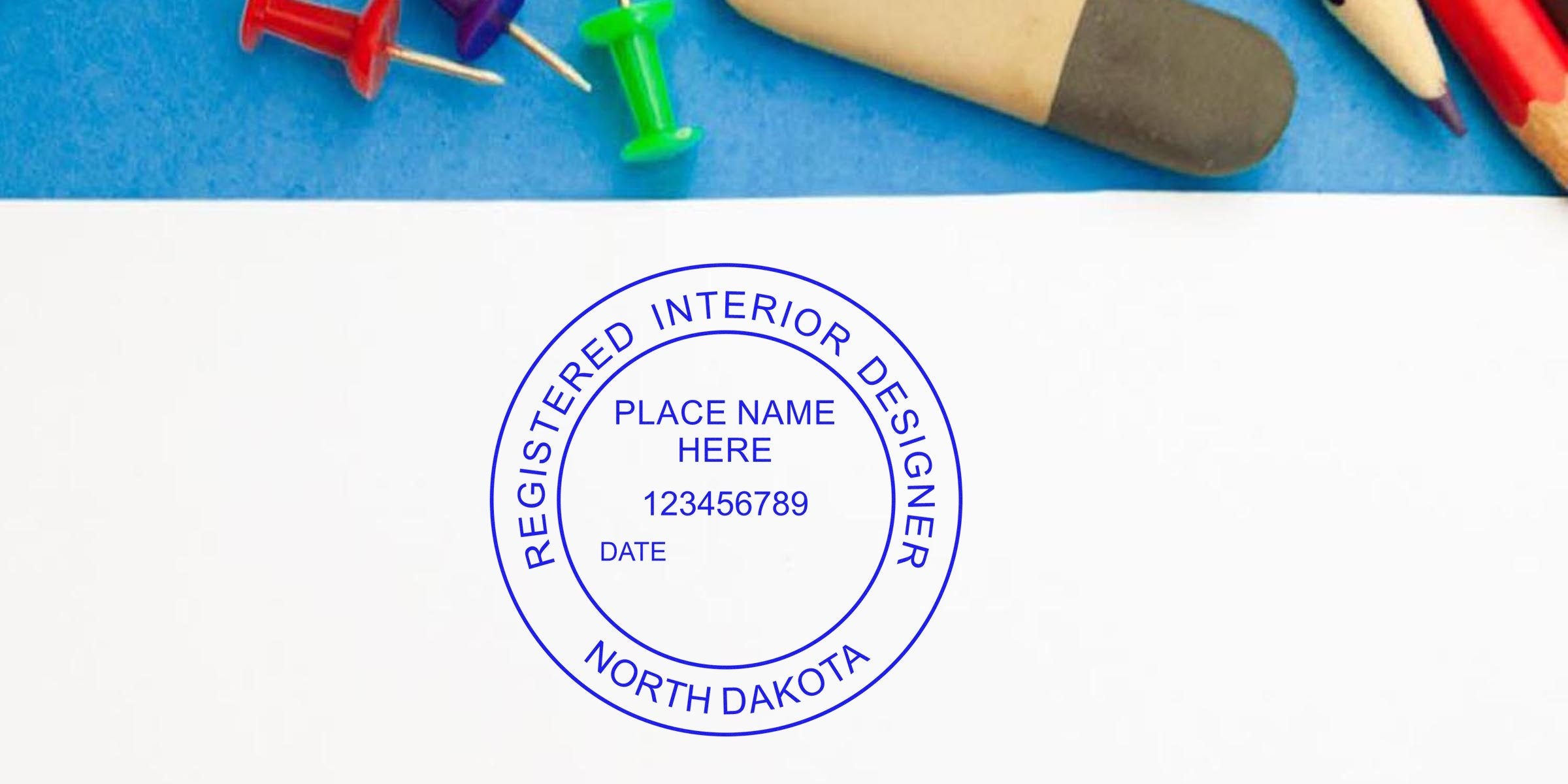
As a design professional, you know how important it is to have a North Dakota interior designer seal embosser that meets state requirements. This essential tool does more than leave a raised impression on paperwork. It confirms your credibility, shows that you follow local regulations, and ultimately protects both you and your clients. In the sections below, you’ll find practical tips on choosing, using, and maintaining your embosser, along with insights into working with a trusted supplier like Acorn Sales.
Explore Key Requirements
Before you invest in an embosser, it’s a good idea to understand what the state of North Dakota actually needs from interior designers. Keeping track of these guidelines helps ensure your seal meets official expectations and avoids any compliance headaches.
North Dakota’s Interior Designer Rules
North Dakota’s regulations typically revolve around verifying that your designs meet local building codes and safety standards. When you seal a plan, you’re taking responsibility for its accuracy, safety, and functionality. This seal isn’t just a rubber stamp, but rather a statement of professional accountability.
- You must use a seal that includes your name and relevant credentials.
- The seal impression should be consistent and legible on all official documents.
- Some documents may also require your signature alongside the seal impression.
Because requirements can occasionally change, it’s wise to double-check with the appropriate North Dakota board or licensing authority. That way, you’ll stay up to date on any adjustments in the rules or design specifications for the seal text.
Why the Seal Embosser Matters
So, why invest in an embosser rather than just a simple stamp? An embosser creates a raised impression that is harder to copy or tamper with. For legal documents, that extra layer of authenticity can be a game-changer. Plus, the tactile aspect of an embossed seal adds a sense of formality and professionalism to your submitted documents.
Choose Your Embosser
When it’s time to select your embosser, the style and build make a difference. You want a model that’s both comfortable to use and durable enough to last over time. Consider whether you’ll be embossing documents on the go or mostly working from a stationary desk. Your personal workflow often guides the best choice.
Embosser Styles
Two main styles dominate the market for interior designers:
-
Handheld Embosser
- Compact, portable design
- Ideal if you frequently visit client sites
- Generally covers fewer sheets at once
-
Desk Embosser
- Sturdier build, suitable for heavier volumes of paperwork
- Provides a consistent impression due to stable leverage
- Typically larger and less travel-friendly
Both styles can meet North Dakota requirements, though your personal work habits might push you toward one option over the other. Handheld models slip easily into a bag, but desk embossers often offer stronger pressure and crisper impressions.
Seal Format and Content
The specific layout of your seal is usually dictated by state licensing boards. While full details can vary, you’ll commonly need:
- Your full legal name
- Your license or registration number
- The words “Registered Interior Designer”
- “State of North Dakota” or a similar identifier
At times, you might also need a North Dakota interior designer stamp for certain digital or ink-based submissions. If so, having both a stamp and a seal embosser ensures you can cover different documentation needs seamlessly.
Use and Maintain Your Embosser
Let’s be honest, buying the best embosser is only half the story. You also need to know the right technique for creating a clear impression, along with some maintenance basics to keep it running smoothly.
Step-by-Step Embossing
- Position Your Paper
Make sure the page is well-aligned in the embosser’s opening, so the desired placement of the raised seal lines up exactly where you want it. - Apply Steady Pressure
Squeeze the embosser handles or press the lever in one smooth motion. A quick, jerky press can result in a patchy or uneven marking. - Inspect the Impression
Look at the embossed area in good light. If any part is unclear, double-check position and pressure, then redo the seal on a fresh spot if necessary. - Add Your Signature
Depending on local rules, you may need to sign and date near the embossed seal. This step completes the official status of your document.
Storage and Care Tips
- Store your embosser in a cool, dry place. Moisture or extremely high temperatures can warp the metal.
- Keep the surface clean. Dust or debris in the die-cut area can result in blurred or partial marks.
- Periodically test the tension or pressure if your unit allows for adjustments. Over time, springs can loosen and lead to faint impressions.
When you handle your embosser with care, you’ll prolong its life and preserve that crisp, professional finish on every page.
Depend on Acorn Sales
Because your professional seal is such an important component of your interior design practice, it pays to invest in a reliable supplier. That’s where Acorn Sales steps in. We’ve been in business since 1964, proudly serving interior designers throughout the country with high-quality stamps, seals, and embossers.
A Trusted Supplier
Acorn Sales focuses on providing you with:
- Durable, high-grade embossers built for frequent use
- Fast turnaround times, so you don’t wait forever to receive your seal
- Responsive customer support to answer any questions about state requirements
Our longevity in the industry has given us the know-how to deliver solutions for North Dakota interior designers who need peace of mind on every official plan or document they sign.
Free Electronic Seal
When you purchase from Acorn Sales, you also receive a free electronic seal. This digital version complements your physical embosser, letting you quickly “stamp” online documents and drawings. Whether you’re sharing final plans with a contractor or emailing a schematic to a client for review, the electronic seal speeds up the process.
- Simple integration: Download your seal and insert it into PDFs or design software
- Saves paper: No need to print and physically emboss every single sheet
- Consistent look: Maintains visual brand identity across digital platforms
That consistency ensures your professional brand truly shines, whether on paper or in the digital realm.
Feel free to reach out if you have any more questions about compliance or the ordering process. Investing in the right North Dakota interior designer seal embosser is about more than just following the rules. It lets you stand behind your work with confidence, showing clients and authorities alike that your designs meet the highest standards of quality and safety.
Ready to elevate your professional image even further? Visit Acorn Sales for dependable embossers, along with the convenient free electronic seal included with each purchase. You’ll be poised to handle every document with clarity, efficiency, and a personal stamp of excellence.
Frequently Asked Questions
Do I Need a North Dakota Interior Designer Seal to Practice?
Yes. State regulations typically require interior designers to place a seal on any project documents that must be filed or submitted legally. This requirement helps confirm the qualifications of the professional responsible for the design.
What Is the Difference Between a Stamp and an Embosser?
A stamp uses ink to create a flat marking, while an embosser forms a raised impression without relying on ink. Both methods authenticate your documents, but an embossed seal adds a bit more security and a tactile, professional touch.
Where Can I Get a Free Electronic Seal?
When you purchase an embosser from Acorn Sales, you’ll automatically receive a free electronic seal. This digital seal is easy to install on your computer and works perfectly for your PDF or word-processed documents.
How Often Should I Replace My Embosser?
It depends on usage and how well you maintain it. Many designers use the same embosser for years without any issues. If the impression starts to fade, or the die-cut itself looks worn, consider adjusting the tension or upgrading your embosser.








