
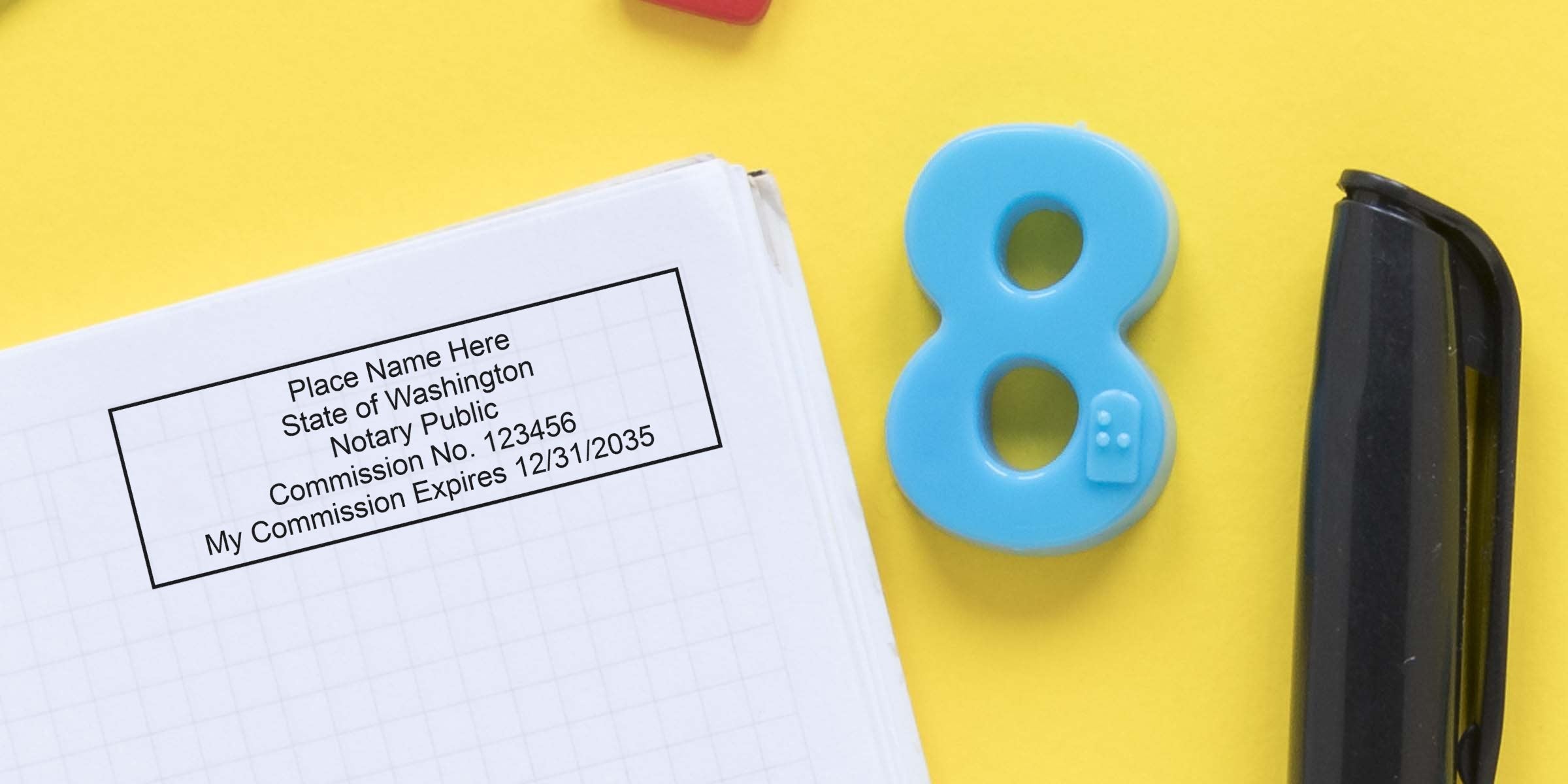
Whether you’re just getting started or renewing your commission, a District of Columbia notary seal stamp is an essential tool for your daily responsibilities. After all, each impression you make affirms the authenticity of the documents you notarize. But how do you ensure your seal stamp meets legal requirements while still fitting your personal preferences? Let’s walk through the basics so you feel fully prepared.
Understand The Purpose
Your notary seal stamp proves that you’re officially authorized to confirm signatures. It also helps prevent fraud by making each notarized document trackable to you. In Washington DC, your seal must clearly display details like your name and the words “Notary Public.” When you press the seal onto a certificate or record, you’re backing the integrity of that transaction.
Explore Design Requirements
In the District of Columbia, you need a notary seal that’s easy to read and meets the local guidelines. The size, shape, and wording are all important. Some notaries prefer a round stamp, while others like rectangular designs for a sharper look. Either way, make sure to include your commission name and any other required text. If you’re checking other items off your notary shopping list, you might also explore district of columbia notary supplies for a complete set of must-haves.
Purchase With Confidence
Choosing the right supplier is your next step. Acorn Sales has been making high-quality stamps and seals for over 60 years. With fast turnaround times and a state board guarantee, you can trust that every product meets District of Columbia standards. Plus, we know that your reputation depends on the clarity of your seal impressions—so we pay extra attention to materials and design features that yield crisp results.
Maintain Your Seal Stamp
You’ll get more mileage from your notary seal if you keep it clean and in good working order. Store it in a dry, secure spot so the rubber and ink don’t degrade. A quick wipe with a soft, damp cloth every now and then removes dust that can mess up your imprint. If you do notice faint or blotchy impressions, consider re-inking or replacing the pad. Timely care saves you the hassle of last-minute repairs and ensures every notarized document is completely valid.
When you’re ready to make your purchase, consider products that align with your professional style and official regulations. A reliable seal stamp simplifies your work and reflects your commitment to accurate notarization. With trusted suppliers like Acorn Sales, you can check this important item off your list and focus on providing top-notch service to your clients.
Frequently Asked Questions
Do I Need Both A Stamp And An Embosser?
You can typically use either a stamp or an embosser, as long as it meets District of Columbia guidelines. Many notaries keep both for added flexibility and a professional look.
How Often Should I Replace My Ink Pad?
It depends on usage. You might change it once a year if you work on many documents daily. Watch for fading, which is your sign that fresh ink or a new pad is necessary.
Does My Name On The Stamp Have To Match My Commission Name Exactly?
Yes. The name on your seal must precisely match the name on your notary commission. Any deviation could raise questions about authenticity.








