
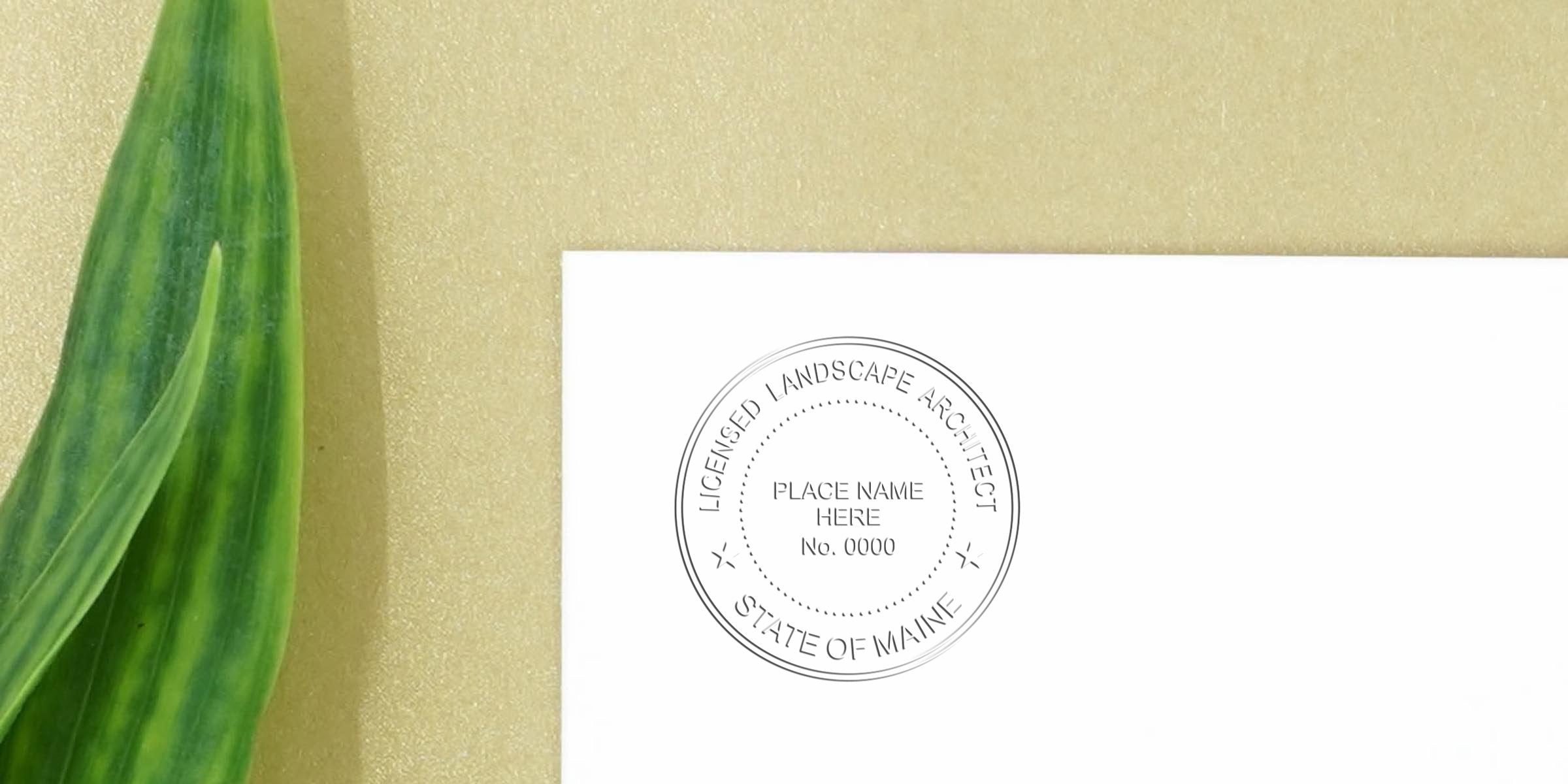
You’re probably wondering how to handle the landscape architect stamp for Maine. After all, getting the correct seal is a must if you’re practicing landscape architecture in the Pine Tree State. Whether you’re new to the field or a seasoned pro, understanding the rules can save you time, headaches, and any potential compliance issues. In this guide, you’ll learn what the Maine rules demand, why the right stamp matters, and how to keep your documents above board. Let’s dive in so you can get your stamp in hand quickly and confidently.
Understand Maine Requirements
Before you shop for your Maine Landscape Architect Stamp, it helps to know what the state specifically expects from you. The Bureau of Professional and Financial Regulation in Maine oversees these rules for many design and architecture professions, including landscape architects. Here’s the thing: each state typically has its own set of guidelines regarding what your stamp should look like, what text you need on it, and how you need to use it.
Overview of Licensing
Maine requires every practicing landscape architect to hold a valid license. That license number must appear somewhere on your seal or stamp. This is so regulators and clients can easily identify you as an officially recognized professional. The license ensures you have the necessary education and training to work within the state’s standards for public safety and design integrity.
Sealing Requirements
In many cases, you must stamp all official drawings, site plans, or any document you submit to public agencies. Stamping a document in Maine generally signifies that the design meets local regulations, zoning mandates, and safety standards, and that you stand behind your professional work. If you neglect to use the proper stamp, your documents may be rejected by clients, public officials, or state reviewers. And let’s be honest, you want to avoid the hassle of redoing submittals because your work lacked the proper seal.
Why Rules Matter
State requirements aren’t just red tape. They ensure the public’s trust in your professional expertise. When you comply with Maine’s guidelines, you’re proving you’ve taken the time to meet or exceed recognized benchmarks for landscape architecture. In short, having a correct stamp shows you take your responsibility seriously and that you value client safety and design excellence.
Value of an Official Stamp
Why does the official stamp even matter? Think of it like your professional signature with extra legal weight. It’s a quick way to confirm that you, a licensed landscape architect, have approved and reviewed the documentation at hand.
Professional Credibility
Stamping your work tells your clients and regulators you’re a credible authority. It signals you have the required license, expertise, and accountability. When you provide stamped drawings or reports, you show that you stand behind every detail. That reassurance can make the difference when you’re bidding for new projects or competing with other firms.
Legal Protection
If a question or dispute arises, your seal and signature show that you took responsibility for the work on a specific date. Having a well-documented set of stamped plans can help resolve claims more smoothly. In essence, it’s a layer of legal protection for you and your practice. Obviously, it doesn’t guarantee protection from all claims, but it shows you worked legally and ethically according to state mandates.
A Mark of Quality
Clients may not always know the ins and outs of your license, but they’ll notice your stamp. It adds a level of professionalism and quality. When people see it on a contract or design document, they recognize it’s not just a random blueprint. It’s a piece of authorized work from a fully qualified landscape architect.
Design Elements to Follow
Now that you know why you need a Maine-compliant seal, let’s talk about the specific design elements. Each part of your stamp is there for a reason. It communicates everything from your profession to your official standing in the state.
Required Wording
Maine law specifies what words must appear on your stamp. Typically, you’ll see text like “State of Maine” and “Licensed Landscape Architect.” Before you finalize the design, check the current requirements so you don’t miss a crucial phrase. You also want to include your exact license number. Make sure you confirm the correct wording each time you order a new stamp or seal, in case regulatory language has changed.
Size and Format
Some states give strict guidelines on stamp size, while others provide a bit more flexibility. Maine typically outlines a minimum and maximum size for your seal. It needs to be readable and clear on the documents you sign or submit. Generally, a two-inch diameter is common, though you might see variations allowed. Always confirm the size guidelines before you buy, so the final result meets the state’s requirements.
Legibility and Durability
If your stamp isn’t clear, you could run into rejection problems with official documentation. Smudged ink or faded imprints can invalidate your submission, or at least raise questions. Selecting durable materials and a good-quality stamp pad is worth the small additional cost. If you plan to use a digital seal, ensuring clarity is especially important. A pixelated or low-resolution image might not pass muster when reviewed by agencies or clients.
Avoid Common Mistakes
Even seasoned pros encounter slip-ups with something as routine as stamping. Let’s talk about a few pitfalls so you can steer clear of them.
- Using the Wrong Seal: Maybe you moved from another state and kept using your old seal. Or perhaps you missed a regulation update. Double-check that your seal’s text meets the latest Maine guidelines before placing it on any documents.
- Forgetting the Signature and Date: In Maine, you generally have to include your handwritten signature and the date near the stamp to validate the document. If you leave out this step, your submission might be incomplete.
- Stamping the Wrong Documents: Not all forms require a stamp. Over-stamping can confuse matters. Make sure you know which reports, drawings, or calculations must be sealed, so you’re not scattering your stamp haphazardly across every sheet.
- Poor Ink Choice: Low-quality ink can fade quickly or bleed through paper. Stick to consistent ink colors (commonly black or blue) and go for a stamp pad that produces crisp lines so your details stay on point.
Find a Trusted Supplier
You know what you need, but where should you get it? Finding a reliable vendor is essential to ensure your Maine Landscape Architect Stamp meets compliance needs. That’s where Acorn Sales comes in. We’ve been in business since 1964, and we offer free digital seals with every physical stamp purchase. That means you won’t just get a physical stamp, you’ll also receive a high-resolution digital version that’s perfect for online or electronic document submissions.
Why Go With Acorn Sales
- Longevity You Can Trust: Over 50 years in the industry means we’ve seen just about every rule change and design update out there. You can rely on us for accuracy.
- Free Digital Seal: If you routinely email your designs or upload them to cloud-based platforms, having a digital seal is huge. It’s instantly shareable, and you maintain a professional look no matter what.
- User-Friendly Ordering: Our ordering process is straightforward. You can upload your details, choose your seal style, and receive your physical stamp and digital file—often faster than you’d expect.
Checking the Manufacturer’s Warranty
It’s also wise to see if your supplier offers a warranty. A reputable manufacturer will stand behind their products, ensuring your stamp won’t fail or degrade quickly. Since you’ll probably use your stamp often, it’s worth knowing you have recourse in case you encounter a defect.
Maintain Your Compliance
Your job doesn’t end once you’ve purchased your seal. You have ongoing responsibilities to keep everything aboveboard. Maintaining compliance is about renewing your license, keeping your stamp up to date, and following best practices on every project.
Periodic License Renewal
Maine typically requires you to renew your landscape architect license on a set schedule, such as every year or every two years. Mark renewal deadlines on your calendar so you never miss them. You can’t use your stamp on any official documents if your license lapses—even if you’re physically in possession of the seal. Regularly updating your credentials keeps you in good standing with the state.
Upgrading Your Stamp
If Maine changes its seal design requirements, you’ll need to update your stamp accordingly. Sometimes states revise the text or allowed format to improve clarity for final submissions. Keep an eye on any bulletins or official memos from the state board. If changes occur, order a new stamp quickly so you’re never caught using an outdated design.
Proper Document Storage
While stamping your drawings or plans is essential, storing copies of those sealed documents is just as important. If you’re working on large-scale projects that span months or years, you’ll want well-organized records to show which documents were stamped and when. Digital archives, labeled folders in your office, or cloud-based backups all help protect you if questions come up down the road.
How To Use Your Stamp Correctly
Using your Maine Landscape Architect Stamp seems straightforward, but a few best practices can guarantee clarity and consistency every time.
- Prep Your Document: Make sure your final design or report is complete. Double-check you’re using the most current version of your drawings before applying the stamp.
- Test the Stamp: It’s smart to stamp a scrap piece of paper to ensure the imprint is clear. If it’s smeared or incomplete, adjust the pressure or refresh your ink.
- Apply the Seal: Place the stamp in a spot on your document where it won’t obscure any critical text or images. Near the title block is often a good choice.
- Include Signature and Date: Sign and date the document if required by Maine’s standards (which is true in most cases).
- Keep a Record: Save a copy or scan of each stamped document. This way, you have proof should you need it later.
Insert the Internal Link Properly
If you want more specifics or you’re looking to see a sample design of the Maine seal, you can explore additional details here: maine landscape architect stamp. You’ll find helpful images, design tips, and direct access to ordering options on that page.
Wrap-Up and Next Steps
You’re well on your way to understanding the ins and outs of the landscape architect stamp for Maine. By following the regulations, keeping your license current, and obtaining a high-quality seal, you’ll protect your practice, maintain credibility, and help your clients feel confident in your work. Plus, you’ll avoid the pitfalls of using an outdated stamp or skipping important details.
If you’re ready to take the next step, check out your supplier options and order the right stamp. Remember that Acorn Sales has been a trusted name since 1964, offering both the physical stamp and a free digital seal to ensure you’re covered on all fronts. Once you’ve got the correct seal, you’ll be all set to submit those designs without worry. Good luck on your upcoming projects, and don’t hesitate to stamp with pride.
Frequently Asked Questions
What Is the Exact Size Requirement for the Maine Stamp?
The state usually allows a diameter around two inches, but it’s best to check current guidelines in case they’ve changed. Always confirm sizing before you place an order.
How Often Do I Need a New Stamp?
You only need a new stamp when your license number changes, if the state updates mandatory text, or if your current stamp becomes damaged. However, you do need to keep renewing your license as required.
Is a Digital Stamp Acceptable for Official Documents?
In many cases, yes. Maine often allows a digital seal for electronically submitted documents, as long as it meets security and resolution requirements. Acorn Sales provides a free digital version with your purchase, making it easy to comply.
Does the Seal Have to Be in a Specific Color?
Black ink is most commonly accepted for official documents, since it reproduces well in scans and photocopies. However, some professionals use blue to differentiate from black-inked text. Double-check your local or client requirements.
How Fast Can I Get My Stamp from Acorn Sales?
Shipping times vary, but Acorn Sales prides itself on quick turnaround. If you need something expedited, you can often arrange faster shipping. Be sure to ask about delivery timelines when you place your order.








