
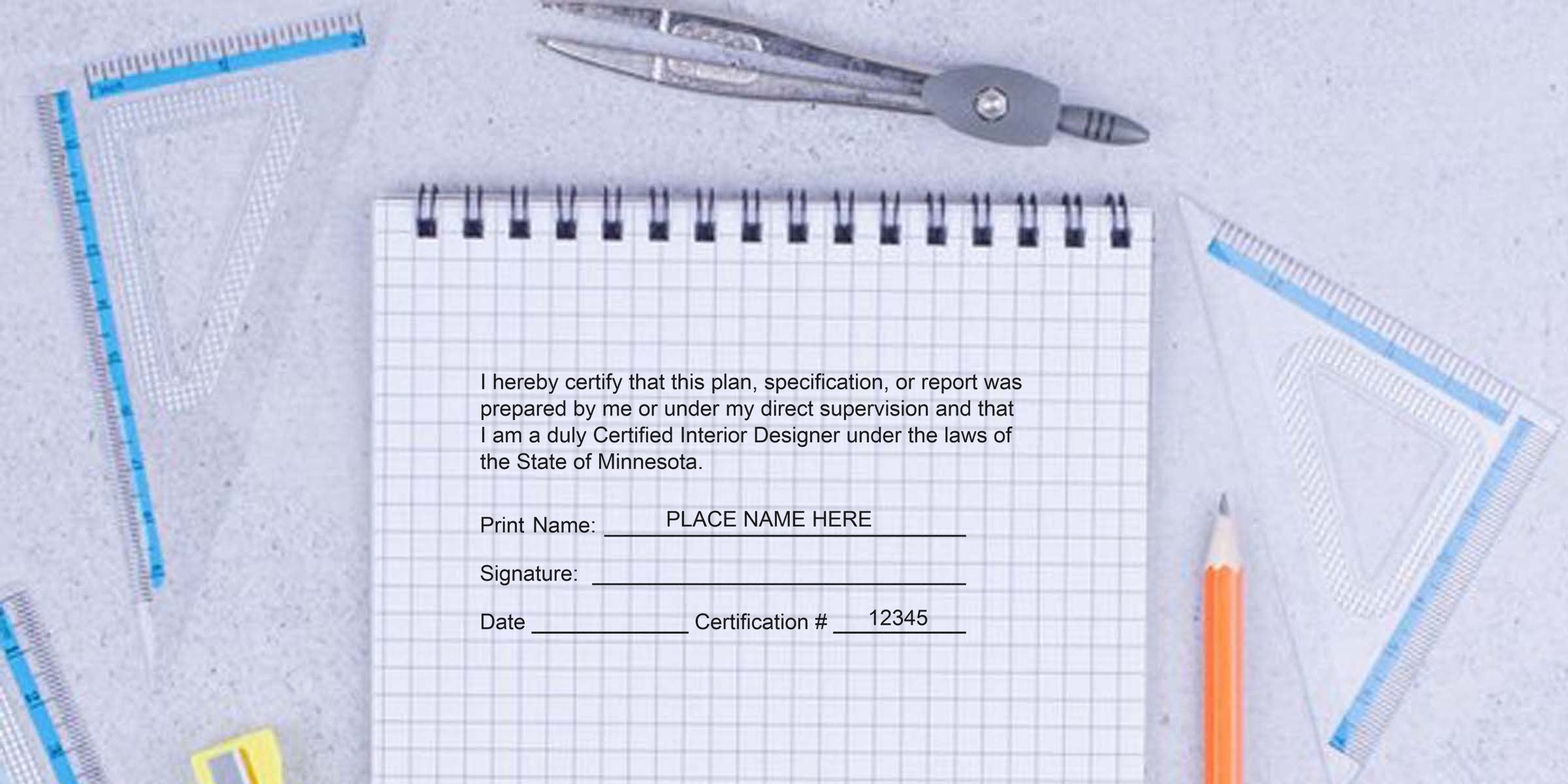
If you’re preparing your Minnesota interior designer stamp design and wondering how to keep it compliant, you’re in the right place. Whether you’re just starting out or making updates to your existing seal, a properly executed stamp helps authenticate your work, showcase your professionalism, and meet crucial state guidelines. In the sections below, you’ll discover what makes a Minnesota Interior Designer Stamp essential, how to structure it, and tips for staying on the right side of local regulations.
Understand The Stamp’s Purpose
A Minnesota Interior Designer Stamp isn’t just another office accessory, it’s your professional signature in physical (and sometimes digital) form. You use it to mark your official drawings, documents, and creative materials. So why is there so much fuss around it?
- It certifies that you, as a licensed interior designer, have genuinely overseen or prepared the plans.
- It signals to authorities, clients, and collaborators that your work abides by Minnesota’s rules and standards.
- It adds a professional touch that frames your role not just as a designer, but also as a responsible, credentialed expert.
Why You Need This Stamp
If you’re practicing interior design in Minnesota, having a unique stamp is usually part of your license requirements. It’s a visible promise: you’re taking accountability for the accuracy and safety of your designs. In a fast-paced market, a legitimate seal can help set you apart, especially when clients jot down notes on who they trust for their design projects.
A Quick Parallel
Think of your stamp like a personal autograph. You wouldn’t scribble your signature haphazardly on a legal document, right? This stamp works the same way, except it has official weight—your seal is recognized by state law as proof that you meet Minnesota’s interior design standards.
Follow Minnesota Requirements
Before you delve into stamp aesthetics or start shopping for supplies, you’ll want to be crystal clear on local requirements. The easiest way to do this is by checking guidelines from the Minnesota Board that oversees interior designers. Each state has slightly different directives on how your stamp should look, where you place it, and what wording is mandatory.
License Credentials
To begin, confirm that your design license is current and active. Without that, any stamp usage could be considered invalid. Minnesota typically requires your license number to appear around the seal or within its border so it’s visible at a glance. If you’re unsure about specific numbering formats, double-check with your licensing board’s documentation.
Document Authentication
Are you stamping new construction layouts, renovation drawings, or simple remodel sketches? Regardless of the project size, you want to stamp only those documents you are directly responsible for. Since your seal signals authenticity, stamping someone else’s work can lead to professional liability issues. Many designers find it helpful to keep a list of documents that require an official stamp in a shared digital folder, so there’s never any confusion.
(If you’re looking for a stamp that’s in line with state guidelines, you can explore reputable batches like the minnesota interior designer stamp.)
Focus On Design Elements
The appearance of your Minnesota interior designer stamp matters almost as much as the information it contains. You need a clear, legible layout that meets state sizing rules (if specified), plus the right text around the edges. In many cases, Minnesota guidelines mention a circular or rectangular design, but you should confirm this with the most recent regulations.
Clear Text
Bold, easy-to-read letters help ensure that your stamp is valid when reviewed by officials or scanning devices. The last thing you want is a blurred imprint that begs the question, “Whose seal is that?” Typically, you’ll include:
- Your full name as it appears on your license
- “Licensed Interior Designer” or similar required wording
- “State of Minnesota,” plus a mention of your license number
To keep everything crisp, avoid fancy fonts or intricate logos that could bleed or distort. Simplicity is often your best friend on an official seal.
Legible Layout
However your stamp is arranged, remember that less is more. You want enough room for the text to breathe. If your design is circular, the text might run along the inner rim with your license number below. Some states specify dimension ranges, like making sure the outer circle is at least a certain diameter. Double-check if Minnesota outlines any strict dimension constraints.
Coordinate With Key Regulations
Each region puts its own spin on sealing protocols, or what you can and can’t stamp. While we can’t give you legal advice, paying attention to a few universal pointers makes the process smoother:
- Only stamp completed documents. Stamping a draft can imply final approval, which can lead to trouble if adjustments are still pending.
- Use your seal responsibly. Provide it only for high-level design materials you’ve personally supervised.
- Track your stamping. Keep a digital or physical record of every blueprint, plan, or document you stamp. If your files are scattered, you risk confusion if a regulator wants to audit your paperwork.
If you’re looking for details on how the seal is recognized in official reviews, your main source should be the Minnesota Board’s updated documentation. They usually publish any changes to regulations online.
Choose The Right Supplier
Once you understand the must-haves, it’s time to go shopping for your actual stamp and seal. This step might seem straightforward—you just buy a stamp, right? But a well-crafted seal can save you time, headaches, and possibly even reprints if your design is off.
Consider a Trusted Vendor
Since 1964, Acorn Sales has been a go-to name for Minnesota Interior Designer stamps and seals. Not only do you get a product that meets local design specs, but you also enjoy extra perks, like a free electronic seal. An electronic stamp is a game changer when you need to deliver your stamped documents digitally. It eliminates the need for repeated printing, stamping, rescanning, and all those extra steps that can clog your workflow.
Why Professionalism Matters
You want a supplier who nails the details perfectly. If your seal is even slightly out of compliance, you may have to reissue all your stamped materials, which isn’t fun or cheap. At Acorn Sales, they understand the nuances of local guidelines, so you spend less time decoding complicated design rules and more time focusing on your core interior design projects.
Gaining an Electronic Edge
Electronic seals make it simpler to share your designs via email or online portals. These digital stamps often come in high-resolution formats, ensuring they look crisp on screen and print. If your local building department accepts electronic submissions, you can expedite project approvals drastically.
Use Your Stamp Properly
After getting your physical seal or that convenient electronic stamp, how do you apply it to real-world projects? Strategic placement is key. You’ll want your stamp in a visible spot on the page (often on the bottom right corner of plans), where it won’t block important design details.
Physical Stamp Tips
- Keep an ink pad (if necessary) fresh and properly stored so your impressions don’t fade or smudge.
- Practice on spare paper before stamping official documents. That way, you’ll see if the spacing is balanced.
- Dry the stamped area. Don’t hurry to stack your blueprints or you risk ink smears.
Electronic Stamp Tips
- Insert your seal in a PDF or other approved format. Make sure the file doesn’t compress the image into an unreadable blur.
- Save a template with your stamp pre-positioned for quick updates whenever you adjust your designs.
- Confirm that your software meets security standards. Some boards require a certified digital signature approach rather than a simple image pasted onto the design.
Avoid Common Pitfalls
Even experienced interior designers can slip up on the basics of stamp usage. Here are a few things to watch out for so you don’t undermine your own efforts:
- Not updating the stamp when your license changes, like a name change or new license number.
- Over-stamping or placing your seal on non-relevant documents, which can create confusion.
- Letting unlicensed team members use your stamp. This can raise liability issues if something goes wrong.
- Failing to confirm the size or format. If the stamp is too small, officials might have trouble reading it.
- Neglecting to label each page in multi-sheet documents. Sometimes, you’ll need to stamp or initial each page to confirm all designs are yours.
Double-check everything before you finalize. A little care goes a long way in showcasing your professionalism to clients and regulatory boards alike.
In short, pinning down the nitty-gritty details of your Minnesota Interior Designer Stamp is critical for your credibility. From following local guidelines to finding a supplier that really understands compliance, every step in the process helps you stand out as a responsible design professional. Start by clarifying your licensing obligations, confirm the correct layout of your stamp, and then pick up your ready-to-use seal from a trusted source like Acorn Sales. Before you know it, your official imprint will be a powerful statement of your skill, diligence, and dedication to top-notch interior design.
Frequently Asked Questions
Do I really need a Minnesota Interior Designer Stamp?
Yes, you do if you’re licensed in Minnesota and preparing official design documents. The stamp confirms that the work is yours and meets the state’s professional standards. It can also streamline project approvals by providing quick proof of authorship.
What’s included with an Acorn Sales stamp purchase?
Acorn Sales includes a free electronic seal along with your physical stamp, which is a big perk if you handle digital submissions. Plus, you can trust their products adhere to local dimension and text requirements because they have specialized in professional stamps since 1964.
How can I keep the seal updated if my license changes?
Whenever your license details change—maybe you upgraded credentials or changed your name—you should order a new stamp that reflects this. Using an outdated seal might invalidate your documents, so don’t hesitate to update it as soon as your license info changes.
Can I use my stamp for projects outside Minnesota?
Usually, no. Different states have their own interior designer regulations. If you plan to work outside Minnesota, check that state’s stamp or seal requirements. You might need multiple seals if you maintain licenses in more than one jurisdiction.








