
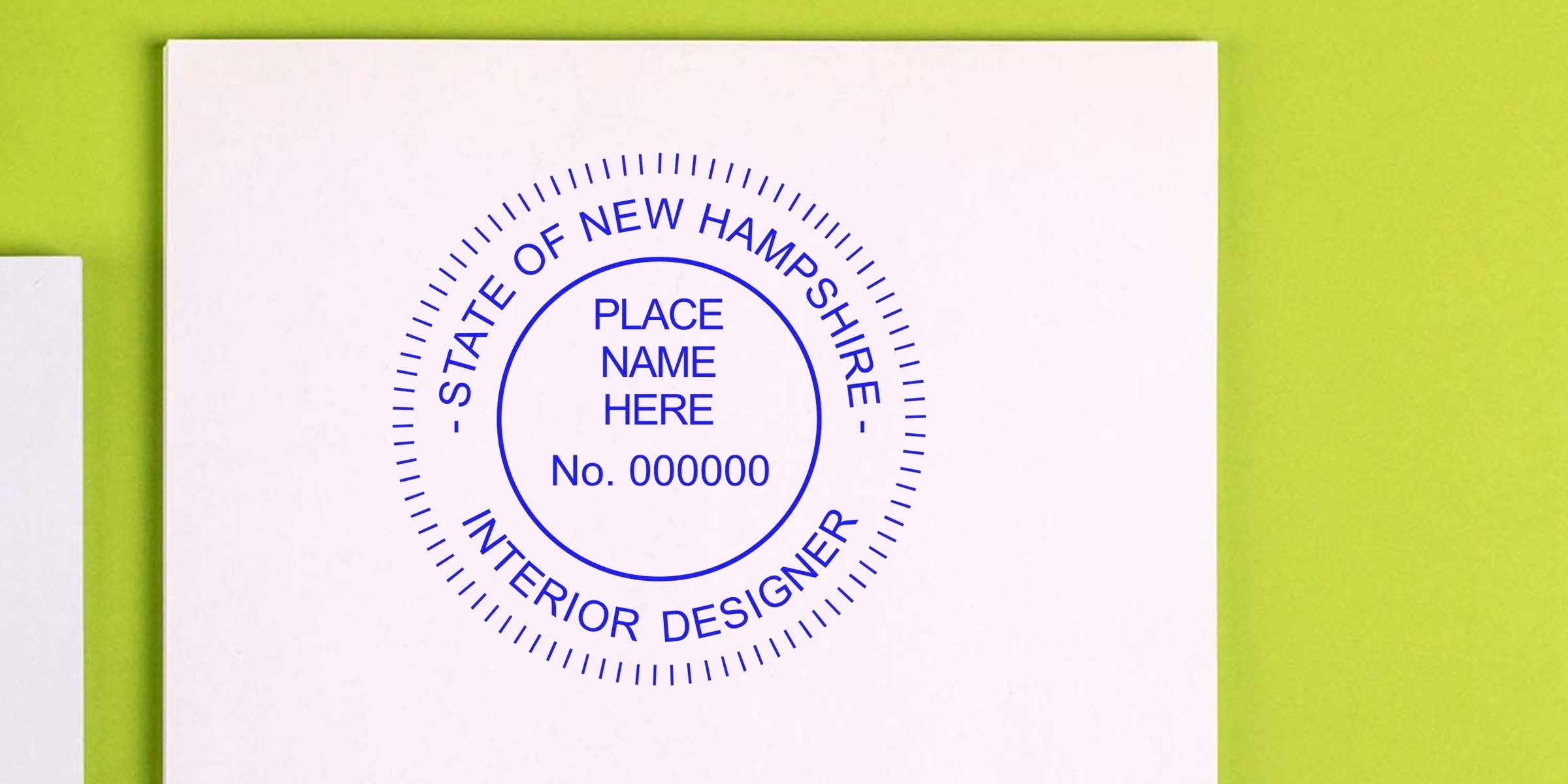
If you’re working as an interior designer in the Granite State, you’ve likely heard how important it is to have an official New Hampshire interior designer stamp design that meets all local requirements. This stamp or seal plays a much bigger role than simply stamping drawings. It signifies that you’re complying with state regulations and verifying your professional credentials. But figuring out exactly how to design, purchase, and use your New Hampshire interior designer seal correctly can feel a bit overwhelming at first. In this guide, you’ll explore everything from the core requirements to practical tips on maintenance, so you can confidently showcase your expertise each time you sign and seal your work.
Understand the Stamp Requirements
Every state has its own guidelines for interior designer credentials, and New Hampshire is no exception. Before you start looking for a stamp or seal, you need to know what the state expects regarding format and usage. This should be your first step, because compliance is non-negotiable.
In many cases, the seal or stamp must display your name, your professional title (e.g., Interior Designer), and possibly your registration number. There may also be specific shapes or border requirements, such as a circular design or an emblem that reads “State of New Hampshire.” The language used around the seal typically references both your professional designation and the state authority.
Key Points to Note
- The stamp often requires the phrase “State of New Hampshire” so it’s clear which jurisdiction you’re registered in.
- Many seals must include your given name exactly as it appears on your license or certificate.
- Double-check any numeric identifiers, like a license or certificate number, to make sure those digits match official records.
Keeping these details straight is essential, because a tiny mistake on your seal could raise questions about compliance. If you’re unsure about anything, reach out to the New Hampshire Board overseeing interior design, or reference the guidelines they’ve published. Some states also post usage rules on their website, which can clarify borderline details on stamping style.
Recognize the Core Design Elements
Once you know what the state wants to see on your seal, you can focus on the actual design. You might envision something traditional and formal, or perhaps a modern, streamlined look. Either way, the essential element is clarity: your name, credentials, and license details should be legible at a glance.
Standard Layouts and Fonts
- Circular vs. Rectangular: Most New Hampshire interior designer stamps are circular, but rectangular stamps are sometimes acceptable if local regulations allow.
- Font Choice: Sticking to classic, easy-to-read fonts like Arial or Times New Roman is smart. Fancy scripts can be tough to read.
- Spacing: Make sure there’s adequate spacing so that no text bumps into the border. The ring or border often features the state name, so you need enough room for that text to stand out.
Beyond the basic layout, consider the medium. Hand stamps with a rubber die are popular, but electronic seals are becoming more common. An electronic seal is helpful if you’re submitting digital documents, especially if state regulators accept PDF drawings. It’s a good idea to have both a physical stamp and a digital version, so you’re prepared for any scenario.
Use Your Seal Properly
After you’ve chosen a design that aligns with state rules, the next step is learning where and how to use it. Typically, you’ll apply your stamp to final drawings, but there are often regulations on which pages require it and whether you need to include your handwritten signature alongside it. This is where a little planning can make your workflow simpler.
Typical Sealing Process
- Prepare your final drawing or document, ensuring it’s complete and ready for submission.
- Place the seal clearly in an area designated for signatures or professional verification.
- Sign and date near or through the seal, if required by New Hampshire’s guidelines.
- Optional: Include any disclaimers about your scope of work or partial involvement (if you only handled a portion of the project).
Something many designers overlook is the timing. To retain credibility, you don’t stamp preliminary sketches or concept boards that aren’t final. You only want to seal documents you stand behind professionally. If your drawings go through multiple revisions, you may need to reapply the stamp for each final iteration or add amendment notes.
Choose a Reliable Supplier
With your design and usage plan in mind, you should find a dependable supplier for both physical and electronic versions of your stamp. This ensures that the final product matches your official registration details and meets the technical requirements laid out by regulators in New Hampshire.
Acorn Sales is a trusted provider for New Hampshire interior designer stamps and seals. We’ve been the go-to choice for professionals since 1964, offering high-quality products that stand up to frequent use. When you order, you can count on durable construction and crisp impressions, so your design reads perfectly every time. Another benefit of shopping with Acorn Sales is the free electronic seal included with your order, which makes digital submissions a breeze.
If you’re ready to see what options are available, take a look at the New Hampshire interior designer stamp. You’ll find various shapes, handle types, and ink colors, so you can customize the stamp to your preferences. Just remember to keep your official design details in line with state rules.
Factors to Consider
- Accuracy of the text: Double-check that both your name and license number are correct.
- Impression clarity: A well-made stamp produces crisp lines and text that scanners can easily recognize.
- Compatibility with digital work: Make sure you have an electronic seal if you frequently file documents online.
Excellent customer service can be a huge help if you’re uncertain about the final look. Don’t be afraid to ask questions or request previews. Suppliers that focus on professional stamps understand how important it is for everything to match official requirements.
Consider Maintenance and Updates
A stamp is not just a one-time purchase. Over time, rubber or ink-based stamps can degrade, especially if you’re using them every day. Smeared edges or faded ink can quickly compromise that crisp, professional image you want to project.
Ongoing Care
- Store in a dry place, away from direct sunlight.
- Test a few impressions each month, making sure the text remains sharp and clear.
- Keep a refill on hand if you’re using a self-inking model.
You also have to be mindful of how your professional details may change over time. Did you move or change your name? Maybe you upgraded your license. Each adjustment to your credentials may require an updated seal, so you’ll need to reorder.
Staying on top of these changes ensures you’re using the correct stamp or seal for your projects. Using an outdated designer seal might be seen as non-compliant, and it certainly doesn’t give the best impression when you’re stamping final documents. The good news is that once your supplier has your design on file, ordering an updated version can be simple and quick.
Practical Tips for Efficiency
The day-to-day use of your seal should be built into your project workflow. The more streamlined your process, the less likely you’ll forget to stamp a page or handle your official documents incorrectly.
Incorporate a Stamping Checklist
- Draft Your Drawings: Complete final sign-off with clients or relevant team members.
- Mark Final Sheets: Label the sheets you need to stamp so you won’t miss any.
- Apply the Stamp: Confirm the impression is clear, then move on to the next sheet.
- Sign and Date: Make sure any mandated signature is neat and close to the seal.
- Log Your Submission: Keep a record of when you sealed certain documents to track compliance.
By creating a habit around when you stamp your drawings, you’ll avoid the last-minute scramble of searching for your seal or forgetting required fields. Some interior designers set a designated corner of their desk as the “stamping station,” with ink refills and guidelines within arm’s reach. That way, stamping becomes part of their final checklist, just like saving a file or printing out the final PDF.
Keeping your official seal in great shape, whether physical or digital, is an essential part of your job as a New Hampshire interior designer. Each time you apply it to your plans, you affirm your expertise and compliance with state standards. This small act can boost clients’ confidence in your work, while also ensuring that your documents hold up under legal scrutiny.
Remember, Acorn Sales has been serving professionals with reliable stamps and seals since 1964. Their focus on quality means you’ll get impressions that stay sharp for the long haul. Plus, with a free electronic seal included, you’ll be able to submit your files online whenever the need arises. By taking a little time to verify that your design meets state requirements, making wise decisions about your supplier, and setting up a routine part of your workflow, you’ll handle your New Hampshire interior designer stamp design like a pro.
If you haven’t done so yet, decide on your ideal layout and confirm that your name and license number match state records. Look into sourcing your stamp from a reputable supplier, and set a plan for maintenance so you’re never left scrambling. That way, each final plan you submit will reflect your professionalism and dedication to the craft.
Frequently Asked Questions
Do I absolutely need a physical stamp if I have a digital seal?
” In many cases, yes. Some clients and agencies prefer a physical impression on printed drawings, while others accept digital files with electronic seals. It’s best to have both options so you can meet any submission standard.
How often do I have to replace my stamp?
” Replacement frequency depends on usage. If you notice smudging, faded ink, or hard-to-read text, it may be time to reorder. Also, any name changes or license updates require a new design.
What if my New Hampshire license number changes?
” If your license number changes due to renewal or an upgrade, you’ll need a new stamp. Using a seal with an incorrect license number can put your professional standing at risk.
Are there color requirements for the ink?
” Many states do not specify ink color, but black or blue ink tends to be standard because it reproduces reliably on photocopies. Whether you must stick to one color can vary, so check the local guidelines.
How do I handle revised drawings that need restamping?
” If new revisions constitute a new set of final documents, you’ll typically need to stamp them again. Label your revised drawings clearly, indicate the revision date, and apply a new stamp to ensure paperwork is up to date.








