
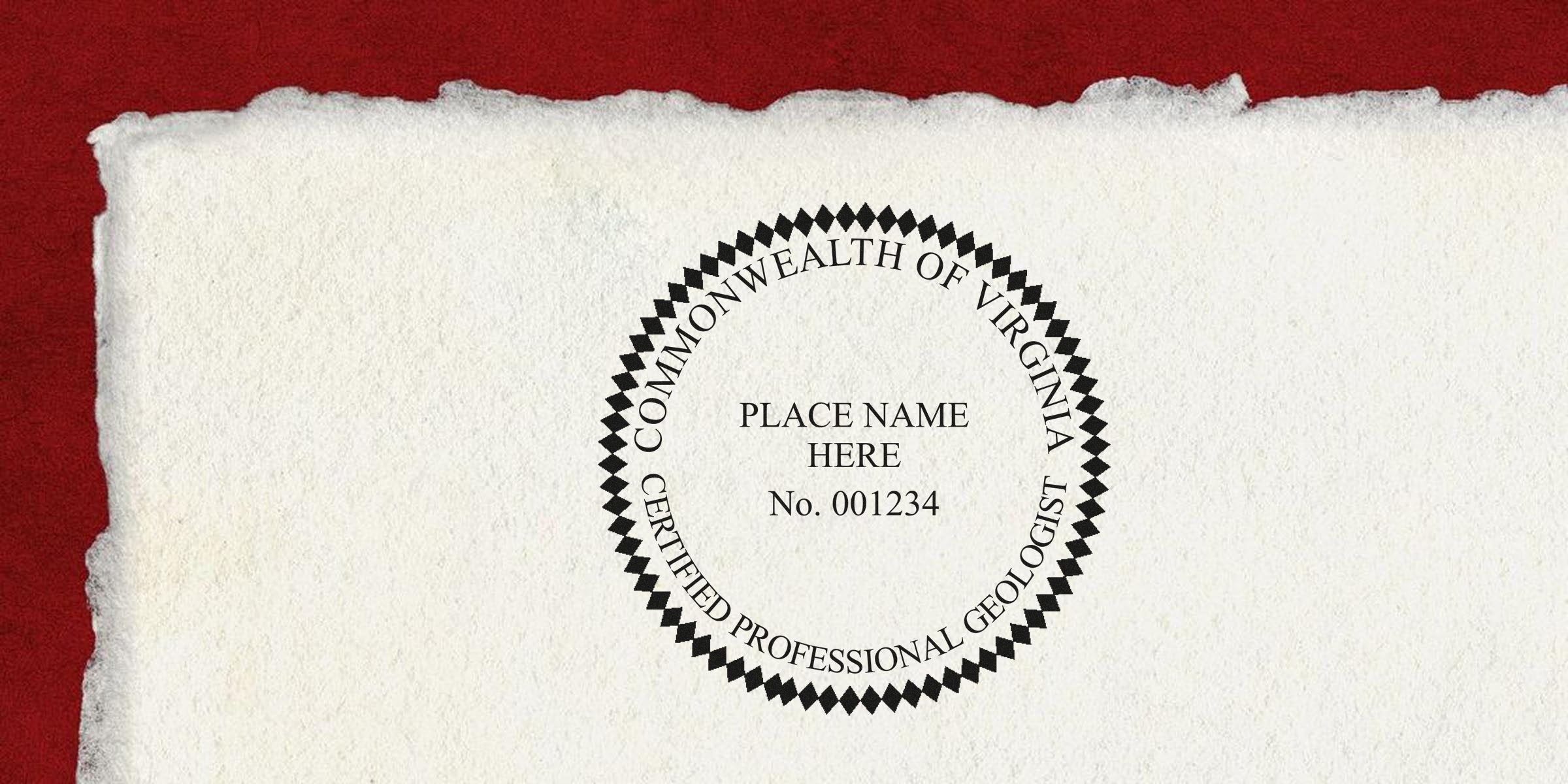
Whether you’ve just passed your licensing exam or you’re well into your career as a geologist in the Commonwealth, you’ll probably encounter one key requirement: securing your official geologist seal Virginia needs to confirm your credentials. This seal isn’t just a rubber stamp—it’s a potent symbol of your professional qualification, letting clients, employers, and regulators know that you’re meeting all the right standards. But how do you get from “I’m qualified” to “I have the seal to prove it?” Let’s dive in step by step.
Appreciate the Importance
Seals play a meaningful role in professional documentation. They’re not just for show; they convey authority and reliability. When you emboss or stamp a report with the official geologist seal, you’re implicitly stating: “I stand by these findings.” In Virginia, the seal is often required on geological surveys, environmental impact analyses, and other formal documents used by government agencies and private firms.
Clients and colleagues rely on that embossed or stamped mark to know your work meets state standards. Sure, it only takes a moment to apply your seal, but the reputation it carries can last decades. Think of it like a signature on steroids: it’s your proof of quality and accountability.
Know the Qualifications
Before you hop online to shop for your Virginia Geologist stamp, it’s best to confirm that you meet all the state’s licensing requirements. You typically need:
- A relevant degree (e.g., geology, earth sciences, or an approved equivalent).
- A certain amount of work experience under a licensed professional.
- A passing score on the required geology or fundamentals exams recognized by the state.
Once you meet these prerequisites, you become eligible to apply for your license and, in turn, use the seal. If you’re not 100% sure you have the right credentials, contact the state licensing board or consult the virginia geologist stamp requirements for more details.
The Education Aspect
Most states, Virginia included, want to see a strong foundation in geosciences. This requirement ensures you have the right academic background in topics like mineralogy, stratigraphy, hydrogeology, or any specialized geology courses relevant to your area of practice.
Work Experience
Beyond academic grounding, you typically need real-world experience. This can range from field mapping projects to lab analyses. Supervisors or mentors with valid professional licensing often evaluate your performance. The goal is to guarantee you’re not only book-smart but also adept at handling real geological challenges.
Follow the Design Standards
The state doesn’t just care that you have a seal, but also that you use the correct seal format. While the exact design might shift with each new regulation, you’ll usually see:
- A circular border containing your name, license number, and designation (e.g., “Professional Geologist”).
- The phrase “Commonwealth of Virginia” or a similar variation to identify where you’re licensed.
- The official emblem or insignia that clearly states you’re a professional geologist.
Following these guidelines ensures your seal is instantly recognizable to regulators and clients. Be sure to double-check your department’s most recent rules, because changes do occur, and you don’t want an outdated version.
Acquire Your Seal Step by Step
Securing your official geologist seal for Virginia typically takes a few straightforward steps. It’s easy to think of it as a quick online purchase, but a little prep work goes a long way.
1. Confirm You’re on the License Registry
Before ordering, make sure your name appears on the state’s official list of licensed geologists. This step matters because reputable stamp providers may want to confirm your license status to guard against misuse. If your information isn’t up to date, contact your licensing board so everything matches perfectly.
2. Check Current Specifications
Each year, design details can shift, so review whether there’s a required size, font, or border style. Some states specify the diameter, while others prescribe color (like black ink for stamps and embossers). Staying current with these specs keeps you legal and prevents you from wasting money on a seal you can’t use.
3. Place Your Order with a Trusted Provider
Now comes the fun part: selecting a supplier. If you’re unsure where to go, consider a company like Acorn Sales, which has been in business since 1964. They specialize in Virginia Geologist stamps and seals that meet all the right standards. You can also score a free electronic seal from them, which is a lifesaver for digital documents or online submissions. Look for:
- Stellar reviews and a good track record.
- Clear definitions of what exactly you’ll receive (physical stamp, embosser, electronic file).
- Fast turnaround to fit any looming deadlines.
4. Verify and Test Your Seal
Once your new seal arrives, don’t skip the test drive. Stamp or emboss a sample sheet to ensure the text is visible, spelled correctly, and the license number is accurate. Catching errors early spares you headaches when it’s time to sign off on official documents.
Keep Your Seal Current
Rules can change, and your license might need periodic renewal. In many states, you’re required to complete certain continuing education hours or sign updated professional codes of conduct. While your physical seal itself doesn’t expire, your privilege to use it can absolutely lapse if your license goes inactive. Stay ahead of the game by noting renewal dates on your calendar and checking with the board whenever new rules come up.
If your seal design changes—or if you need additional seals for a larger office—reputable vendors can create updated or replacement seals that comply with new standards. It’s a small expense compared to the risk of having your documents rejected for using an outdated design.
Choose a Trusted Supplier
This is where brand reputation and quality come into play. You want a supplier that won’t send you a half-baked rubber stamp or an embosser that makes your name unreadable. Acorn Sales fits the bill as a longstanding, trusted source for professional stamps and seals, especially for geologists in Virginia.
- They have served professionals since 1964, so they know the evolving regulations.
- They offer a free electronic seal, perfect if you file digital documents.
- Their customer support can help you figure out exactly which design you need.
With the right provider, you get peace of mind knowing you won’t have to reorder at the last minute because your seal didn’t meet specifications.
Wrap-Up and Next Steps
Having your official geologist seal Virginia recognizes is not just a bureaucratic box to tick. It’s an emblem of your commitment to proper scientific conduct and professional integrity. From verifying your license status to picking the right supplier, each step in the process helps you maintain credibility in a field that depends so heavily on accurate data and expert analysis.
Once everything’s in order, you’ll hold in your hands (or on your computer) the mark that says: “I’m a qualified, trustworthy geologist here in Virginia.” Go ahead and give that final stamp or emboss a test. You’ve earned it, and the confidence it brings is well worth the effort. If you still have questions, chat with other geologists or reach out to a reliable vendor like Acorn Sales for straightforward guidance.
And remember, if you need a refresher on license specifics, be sure to check out the virginia geologist stamp requirements. Stay proactive, keep your license current, and enjoy the peace of mind that comes with knowing your seal meets every standard. You’ll be ready to put your stamp on any project that comes your way.
Frequently Asked Questions
Can I use a single seal for multiple states where I’m licensed?
If you’re licensed in more than one state, each state typically requires its own seal design with your specific license number. Combining them into one stamp can cause confusion, so it’s safest to maintain separate stamps for each jurisdiction.
What happens if I change my name after getting my seal?
You’ll likely need a brand-new seal to reflect your updated legal name. The licensing board often requires official documentation of the name change, so it’s wise to handle that first. Once your name is updated in their database, you can order a revised seal.
Do I need a physical seal if I mostly submit electronic documents?
It’s a good idea to have both a physical and electronic version. Many boards and employers still require hard-copy documents with embossed or stamped certification. Meanwhile, the free electronic seal from Acorn Sales simplifies digital submissions—invaluable if you work with remote clients or state agencies.
Why might some documents demand an embosser instead of a stamp?
The reason often comes down to preference and tradition. Embossers create a raised impression, which can be harder to counterfeit. Certain official forms, especially in legal settings, specify an embossed seal for authenticity and tactile verification. Always check the document’s instructions to see which version they require.








