
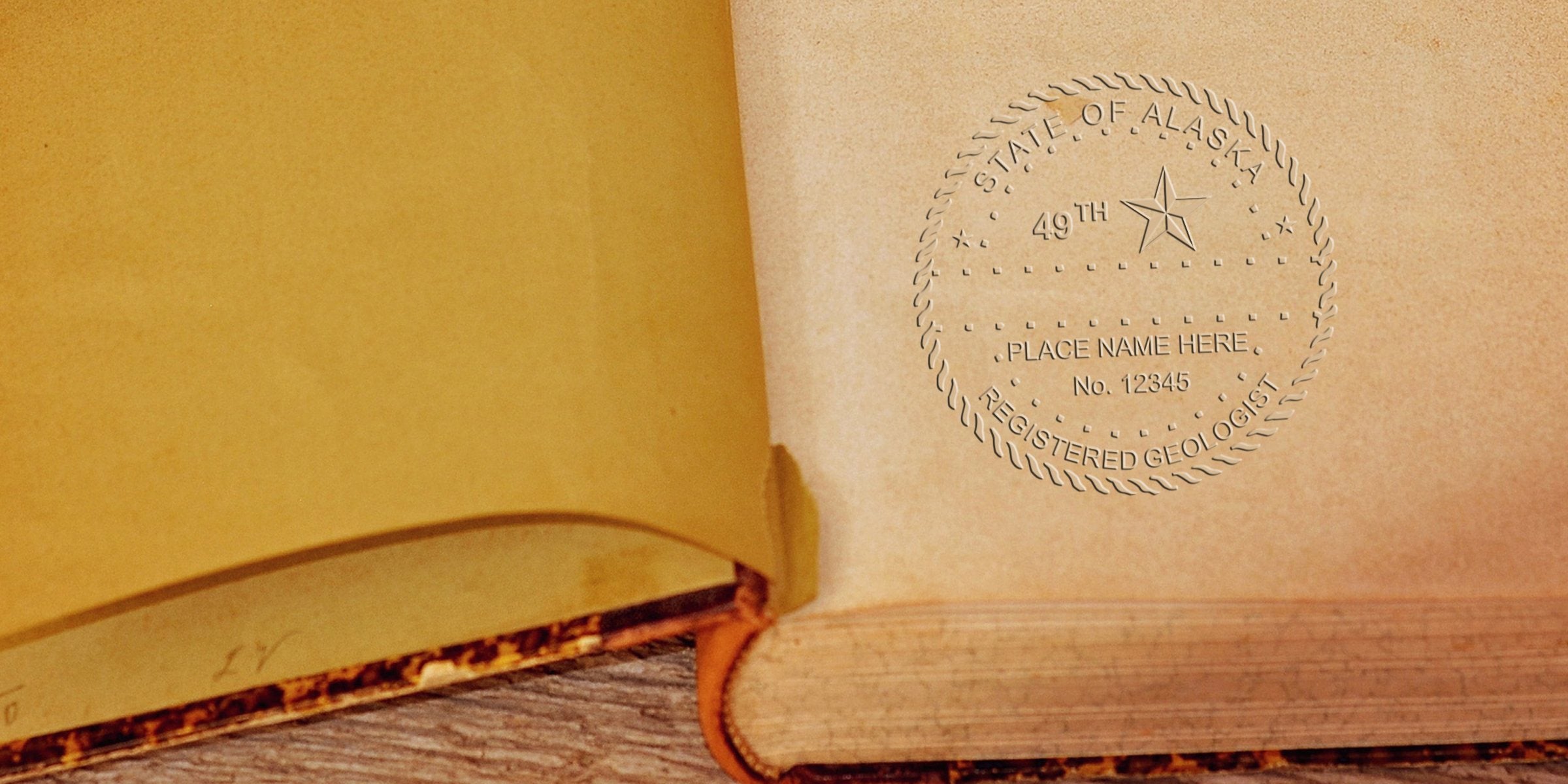
If you’re preparing to practice geology in the Last Frontier, chances are you want to stay on top of Alaska geologist stamp guidelines. After all, an official stamp or seal is more than just a routine requirement. It’s the mark that vouches for your professionalism, validates your documents, and helps maintain public trust in your work.
In this friendly guide, you’ll discover what goes into creating and using the right stamp or seal in Alaska. We’ll talk about state requirements, the difference between physical and digital formats, and the importance of choosing a reliable supplier. By the end, you’ll have a clearer picture of how to keep your registration valid and your reports looking polished.
Let’s dig in, step by step.
Understand Official Requirements
Understanding the rules for your geologist stamp starts with knowing why—and how—these marks are regulated. Alaska’s licensing body typically outlines the exact formats, the legal significance of your stamp, and the steps for updating or renewing it. Before you set out to purchase a stamp or seal, it’s a smart move to familiarize yourself with these guidelines so you’re never caught off-guard.
Why a Geologist Stamp Matters
Your stamp or seal does more than add a decorative flourish. It signifies your official status as a professional geologist, showing that the documents you produce meet state standards. When you place your mark on reports, drawings, or certifications, you’re giving your personal assurance that the work follows industry ethics and technical requirements.
In Alaska, your stamp helps protect both public safety and your reputation. Without one, you might find clients or government agencies questioning the legitimacy of your submissions. A proper stamp instantly communicates accountability and expertise.
Who Oversees the Process
In most U.S. states, an official board or department sets the rules on professional licensure and stamping guidelines. In Alaska, you’ll want to check with the relevant board that manages regulation for geologists, engineers, and land surveyors. They publish rules on how your stamp must look, the type of text to include, and when it’s required. By checking the board’s current policies, you’ll ensure your stamp matches exactly what the state expects.
If things change—and they sometimes do—it’s good practice to stay subscribed to official bulletins or newsletters. That way, you’ll know if certain design elements, expiration dates, or usage rules get updated over time.
Required Elements For Compliance
Every state sets its own must-have features for geologist stamps or seals. These elements typically revolve around size, shape, and specific wording. When those features are missing or incorrect, your stamp might fail to meet compliance standards. So let’s walk through what you should look for before you order or design your seal.
Dimensions And Layout
In many jurisdictions, the official stamp must fit within a certain diameter (commonly around 1 ⅝ to 2 inches). Alaska may also require a circular layout with specific lettering or an outer ring. If your stamp is too large, it can overcrowd your documents; if it’s too small, it can be hard for others to read.
Remember to maintain clarity. Any sign of smudging or ineligible text can lead to rejection of your documentation. To avoid that headache, verify that your chosen stamp manufacturer can deliver crisp imprints and readable fonts.
Include Mandatory Wording
It’s common for states to require your name, your license or registration number, and a reference to your professional status (in this case, geologist). The phrase “State of Alaska” or an abbreviation like “AK” might need to appear in a certain position.
Double-check the official wording from the appropriate Alaska board so you don’t leave out essential details. If the board says you need “Registered Professional Geologist” on the seal, then any variation—like “Licensed Geologist”—may not be acceptable.
Compare Stamp And Seal
As you dig into creating your geologist credentials, you’ll notice two terms tossed around: “stamp” and “seal.” Although people often use them interchangeably, they can differ slightly in format or method of application. Understanding those differences can help you pick the right tool for your line of work.
Physical Vs Digital
A physical stamp uses ink or embossing to mark your documents. It’s handy for in-person signing, working with printed reports, or adding an official feel to proposals. Meanwhile, a digital seal—often called an e-seal—lets you apply the same imprint electronically. If you submit PDF files or digital project plans, the e-seal avoids the need to print and scan.
Alaska recognizes digital seals in many cases, especially if they meet secure signature criteria, but it’s wise to confirm your specific use case first. In some situations, a physical stamp might still be required or preferred by clients.
When To Use Each
Most geologists in Alaska find they need both forms at different times. If you’re frequently mailing out physical documents, a traditional stamp is a must. But suppose you often send proposals or reports via email—you’ll benefit from a digital seal that can be applied instantly.
To avoid confusion, try to label your files and keep a list of which documents you’ve marked with a physical stamp vs. a digital seal. Consistency in your process prevents mistakes and misunderstandings down the line.
Choose A Reliable Supplier
Now you’re probably ready to invest in a new stamp or seal. With so many offerings out there, how do you know which supplier to trust? Here’s where a little diligence pays off. You’ll want a company that understands professional regulations, offers quality workmanship, and stands by its products.
Our Acorn Sales Legacy
At Acorn Sales, we’ve provided specialized stamps and seals across multiple professions since 1964. We understand that a poorly made stamp can cause issues like unreadable impressions or quick-wearing rubber. That’s why we focus on high-quality materials and precise manufacturing.
You can also take advantage of our free digital seal. Once you have your physical stamp, we’ll guide you through getting that e-seal for no additional cost. This bonus service means you’ll have a flexible way to mark both physical and digital documents, which is great if your work demands both.
How Free Digital Seals Help
Individual states may allow electronic stamping if you follow specific regulations. A free digital seal speeds up your workflow when you’re dealing with online submissions, saving you time and paper. Plus, there’s no need to pay extra for separate e-seal files.
With Acorn Sales, we ensure your digital seal matches the look of your physical stamp so every document you sign remains consistent. That consistency is key when you want to maintain a professional feel and reassure clients or review boards following your records.
Purchases Made Simple
Shopping for your Alaska geologist stamp or seal doesn’t need to be a chore. Here’s a quick approach to streamline the process:
- Check the exact board requirements.
- Decide if you need both a physical stamp and a digital seal.
- Verify who will manufacture your stamp, ensuring they offer readable, durable products.
- Ensure the design meets mandated text and layout specs.
- Save your purchase details, including proofs, incase the board requests them later.
For more details on layout choices, you can explore our Alaska geologist stamp page anytime. It provides a closer look at how your official mark will appear on documents.
Follow Best Practices
Once you’ve secured your official mark, proper usage keeps everything aboveboard. Some geologists apply their stamp to every page, while others reserve it for final pages or summary documents. Alaska might allow both, but check guidelines so you don’t overstep protocol.
Proper Use Scenarios
Consider stamping each critical page of your report if it includes essential data, drawings, or conclusions. That way, there’s no confusion about which pages you’ve verified. If you’re using an electronic document, place your digital seal on areas with the most important content.
When in doubt, stamp more thoroughly rather than less. You don’t want to have an otherwise-perfect report called into question because you failed to mark a key diagram or map.
Storage And Maintenance
Physical stamps usually arrive in self-inking or handle-mounted options. Self-inking stamps have built-in ink pads that need replacing over time, while handle-mounted stamps require a separate ink pad. Store them all in a dry spot, away from direct sunlight or extreme temperatures.
If you have an embossing device, check the pressure periodically. A worn-out embosser can produce faint or uneven impressions that may not be acceptable. For digital seals, keep your electronic files in a secure cloud drive or local folder. Keep backups so you can quickly replace or update the file if anything goes missing.
Prevent Common Mistakes
Plenty of well-intentioned professionals run into small pitfalls. Avoid these common blunders so your stamp always holds up:
- Using the wrong size seal. Double-check that you meet official dimension requirements.
- Leaving out your name or registration number. Alaska can be strict on identifying info.
- Failing to update an expired license number or date. If your license details change, so should your stamp.
- Overusing disclaimers instead of properly stamping key documents. Your seal drives home your professional accountability.
- Storing a self-inking stamp in a hot car or damp garage. Environmental conditions can degrade ink pads and rubber surfaces.
With a little mindfulness, you’ll steer clear of these missteps and keep your workflow smooth.
Recap And Next Steps
Congratulations, you’re on your way to mastering the requirements for creating and using your Alaska geologist seal. By now, you know you’ll need to follow specific size, text, and design elements to stay compliant. You’ve also seen the benefits of both physical and digital seals—plus the value of choosing a trustworthy supplier like Acorn Sales.
Next, consider organizing your stamping process to fit your day-to-day work. If you primarily handle paper documents, store the physical stamp where it’s easy to grab. For online reports, get that free digital seal set up and ready in a secure folder. Follow the board’s guidelines on each official document you issue, and you’ll never have to worry about a missing or invalid seal.
Finally, if you’re still exploring your options, taking the time to confirm each design detail can save you headaches later. Even a small detail like font size can matter. If you have questions, feel free to check the state board’s official resources or reach out to our team for personalized help.
Feel free to reach out when you’re ready to order your stamp or if you have more questions. With the right stamp or seal at your fingertips, you’ll shore up your professional standing for years to come. Good luck in your geologist endeavors, and remember—clear, consistent documentation is one of your greatest tools for success!
Frequently Asked Questions
Do I need a new stamp if my license number changes?
Yes. If the licensing board updates your registration number or other critical details, you’ll need to replace your stamp or seal. Using an outdated stamp could cause confusion or raise questions about your credentials.
Is a digital seal accepted for official documents in Alaska?
In many cases, yes. Alaska typically recognizes electronic seals if they comply with security and authenticity standards. Always confirm which documents can be sealed digitally and which ones must carry a physical stamp.
Can I share my digital seal with coworkers?
It’s best to keep your seal for your personal use only. Even if a colleague is working on the same project, you’re the licensed professional. You need to be the person who verifies and seals your own work.
Why should I use Acorn Sales over a local print shop?
Acorn Sales has specialized in professional stamping and sealing solutions since 1964. We understand Alaska’s geologist requirements and offer quality products that hold up over time. You’ll also enjoy a free digital seal to cover your electronic submissions, plus knowledgeable customer service if anything comes up.








