
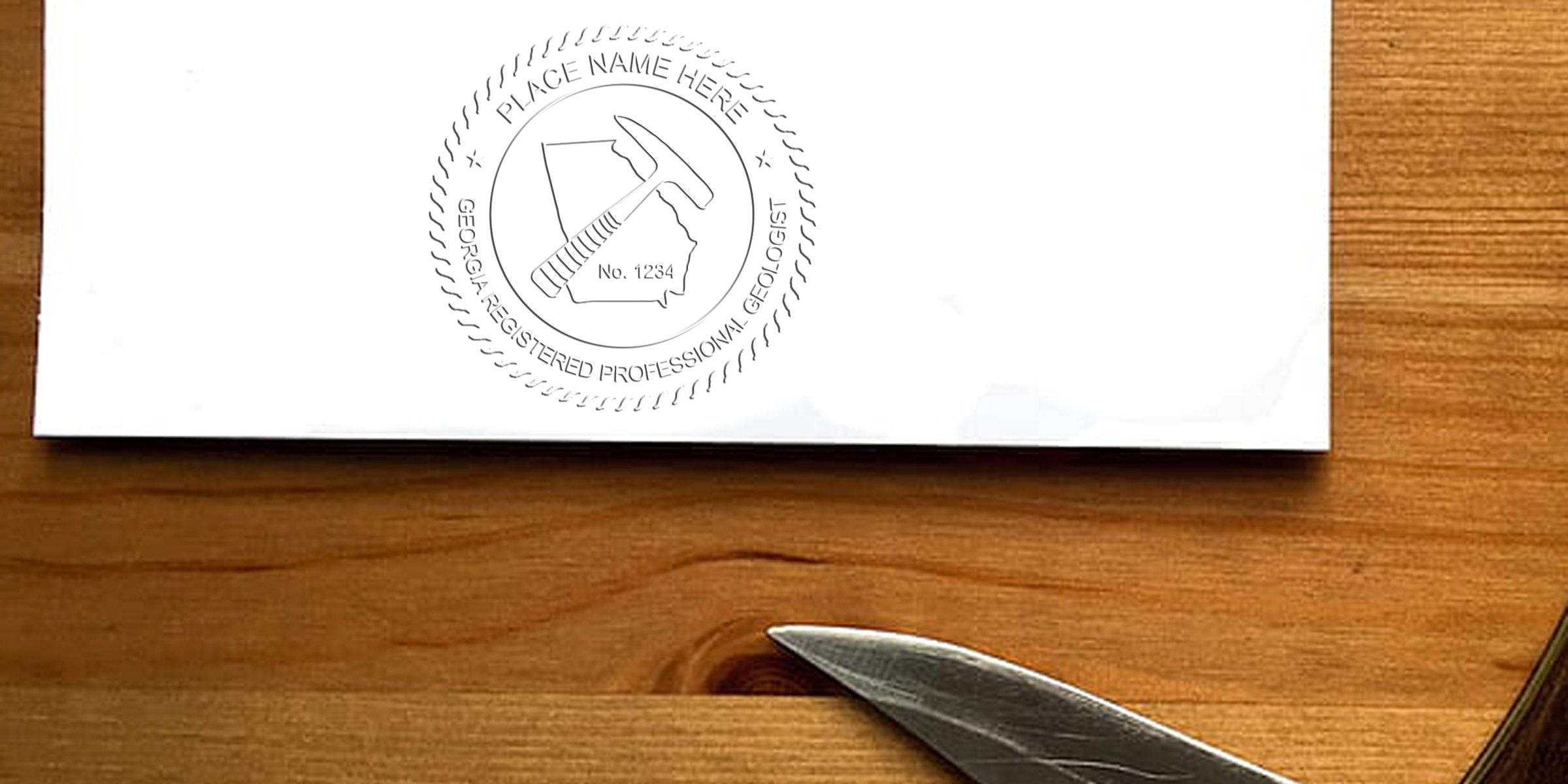
Have you ever wondered about the exact rules behind using your professional seal as a geologist in Georgia? If so, you’re in the right place. In this friendly guide, we’ll walk through the fundamentals of Georgia geologist seal specifications so you can feel confident that your seal meets every official requirement. Having the correct seal isn’t just a formality, it’s a crucial part of demonstrating your credibility and compliance in the field.
Below, you’ll explore where these rules come from, how to design your seal for maximum clarity, and why ordering from a trusted provider matters. By the end, you’ll know which elements to include, which size options to pick, and how to keep everything in line with state regulations. Let’s dive in.
Explore Georgia Geologist Seal Basics
It’s easy to assume that “one seal fits all,” but each state sets its own standards. Georgia is no exception. So, what does this mean for you?
Why Proper Seals Matter
When you stamp or emboss your professional documents, you’re making a public statement of authenticity. This seal confirms that you, as a licensed geologist, are accountable for the content of any reports or drawings you present. Without a proper seal, your submissions could be rejected by clients, government agencies, or professional boards. Plus, there’s a risk of disciplinary action if your paperwork doesn’t reflect the correct format and authorization.
Using an official seal:
- Enhances your credibility and trustworthiness.
- Highlights that you follow regulatory guidelines.
- Makes it easier for clients and agencies to confirm your professional status.
Key Regulatory Bodies
In Georgia, the geologist licensing process and seal details typically fall under state licensing boards for professional geologists. These boards set specific guidelines to ensure that every licensed geologist maintains consistent standards of practice. While rules can occasionally change, especially if new legislation passes, you can usually find official instructions on the board’s website. Keeping an eye on these updates helps you avoid fines or delays in project approvals.
Review Essential Specifications
You’re probably thinking, “So what are these critical seal specifications I should be aware of?” Great question. A well-designed seal meets the rules on mandatory elements like your name, license number, and professional designation, along with specific size, shape, and wording requirements. Let’s check them out step by step.
Mandatory Elements
Your Georgia geologist seal must contain a few core ingredients. These typically include:
- Your full legal name as it appears on your license.
- The words “State of Georgia” or a shortened version that the board allows.
- The term “Professional Geologist” or an equivalent designation, depending on the board’s exact wording.
- Your license number, accurately matching your official documentation.
The board often specifies how each of these elements should be arranged. If you’re uncertain, it’s wise to confirm with the official licensing guidelines or a reputable supplier who understands these rules. You could also look into georgia geologist stamp requirements for an in-depth overview of the language the board expects. Paying attention to state wording rules is key, because a small mistake in the text can result in costly reprints or compliance setbacks.
Size And Legibility
Getting the size right might sound like a minor detail, but it matters. A seal that’s too small risks losing clarity, while one that’s too big can overwhelm your documents. Georgia’s guidelines often recommend a diameter in the range of 1⅝ to 2 inches. This range ensures:
- Enough space to include text and license details without crowding.
- Visibility that lets clients, peers, and regulatory bodies see your name and license information at a quick glance.
- Compatibility with standard stamp or embosser devices for a clean, professional look.
Keep in mind that if you do choose a digital seal for e-documents, the final resolution and contrast should still maintain legibility. Official boards don’t want to guess whether your name or license number is correct. They want to see it clearly, even on a screen.
Choose the Right Format
Not all seals are created equal. Depending on your workflow, you may prefer a traditional embosser, a pre-inked stamp, or a soft-copy seal you can attach to electronic documents. Each format has its perks and considerations.
Embossers vs Rubber Stamps
An embosser creates a raised impression in the paper. It’s classic, secure, and very difficult to falsify because you can feel the seal by touch. Foam or rubber stamps are more straightforward to apply, typically leaving an inked imprint of your seal in one quick press.
So how do you pick the better fit for you?
- Choose an embosser if you need a high level of authenticity and a tactile seal impression. These are often preferred for final, hard-copy documents.
- Pick a rubber stamp (pre-inked or self-inking) if you produce and sign many documents daily and need something quick and clean.
When a Digital Seal Makes Sense
The digital revolution has changed how many geologists work. If you routinely file documents electronically, a digital seal can be your best friend. Just ensure it still meets the looks and size guidelines set by Georgia geologist seal specifications. This usually means:
- Crisp resolution so every letter is legible.
- Validation features (depending on your software) showing it was placed by a licensed geologist.
Electronic seals offer convenience and speed, especially when you’re emailing or sharing proposals through online portals. Make sure to use secure PDFs or other protected formats to prevent unauthorized tampering.
Order From Acorn Sales
Once you know which format and design elements you need, the next step is to order your seal from a trusted source. After all, it’s not just about fulfilling the requirements — it’s about getting a high-quality product that stands the test of time.
Free Digital Seal Offer
At Acorn Sales, we have a longstanding tradition of serving professionals — especially geologists like you — with reliable stamps, seals, and embossers. One of the perks we’re proud to offer: every order includes a free digital seal. That means you don’t have to worry about creating or purchasing a separate electronic version. You’ll have a physical product and a corresponding file you can quickly drop into PDFs or other documents.
This dual approach covers you for both paper-based and electronic submissions. And bonus: you don’t need complex image-editing software to generate your own digital seal. We’ll handle the design details for you, so all you need to do is apply it confidently.
Company History Since 1964
Why trust us? Acorn Sales has been in business since 1964, so we’ve had decades to refine our manufacturing process and customer support. Over the years, we’ve adapted to new technologies — from hand presses to advanced self-inking stamps — while sticking to our core belief that accuracy and durability matter. Our knowledge of Georgia geologist seal specifications is built on real experience and continuous updates from state boards. Think of us as your seal and stamp “concierge,” ready to answer questions and guide you toward a product that works for your unique situation.
Practical Usage Recommendations
By now, you know how to design or order your seal. But what about day-to-day routines once it arrives? Below are some practical tips to ensure your seal remains clear, legible, and compliant with Georgia regulations.
Maintaining Readability
An unreadable seal defeats its entire purpose. To keep your impressions looking crisp:
- Test the seal on a blank sheet before stamping any official document. This helps you confirm pressure levels and ink distribution.
- Replace ink cartridges or ink pads as soon as impressions start looking light or patchy.
- Store your seal away from direct heat or sunlight. Extreme conditions can damage both the stamping surface and any ink-based components.
If you use an embosser, press firmly enough for a raised impression but not so hard that it tears the paper. Practice on scrap paper to find the right balance.
Staying Compliant
Up-to-date knowledge is your friend. Since state regulations can shift over time, check official guidelines every year or so. Introducing small changes to your seal — for example, if your licensing status changes — should be quick and easy, especially if you work with a reliable stamp and seal provider.
Here are a few more quick reminders:
- Always stamp or emboss near your signature, as required by many boards. This makes it clear who is responsible for each document.
- Keep a digital log (if your board requires it) of each file you seal electronically, in case you need to reference the date or reason for sealing.
- If you ever see guidelines that conflict with your seal’s design, talk to the state licensing board or your supplier immediately.
Wrap Up Key Takeaways
A proper seal does more than just look professional. It also underscores your expertise and dedication to following Georgia’s geologist regulations. Making sure you abide by Georgia geologist seal specifications can spare you headaches with clients, agencies, and licensing boards alike. You’ll want to verify the mandatory elements, the correct size, and any official language. Then, decide whether an embosser, a rubber stamp, or a digital seal best fits your workflow.
When it comes time to purchase, remember that Acorn Sales has been around since 1964 and includes a free digital seal with every order. By keeping your seal in good shape and checking for the latest rule updates, you’ll ensure your credentials stay rock-solid. Ready to get started? Give yourself a head start by examining your current seal or placing a fresh order that meets all the requirements. If you have any questions, drop a comment or get in touch with your licensing board for the most up-to-date guidance.
Thanks for stopping by, and happy stamping!
Frequently Asked Questions
Does my seal design need to be preapproved by the state board?
Typically, you don’t need a preapproval process, but your seal must follow the official size, text, and format specifications. If you’re worried, you can send a draft design to the board or ask an approved retailer for guidance.
Can I use the digital seal alone, without a physical stamp?
Some boards allow a digital seal provided you follow specific rules about document security. Others still require a physical impression for official or archival documents. Always check the rules in your area.
What if my name changes after I’ve already ordered a seal?
You’ll usually need a new seal that reflects your legal name. Using a seal with outdated information can be considered noncompliant, so order a replacement as soon as your name change is official.
How do I make sure my license number is correct?
Double-check your current licensing paperwork. Any extra digits or missing letters can invalidate your seal impression. If you’re still unsure, call the board and confirm.
Should I keep records of each time I apply my seal?
It’s often a good idea. Some jurisdictions require it. Even if it’s not mandatory, maintaining a log can help you track documents if any questions arise about your work or if a client loses the original copy.








