
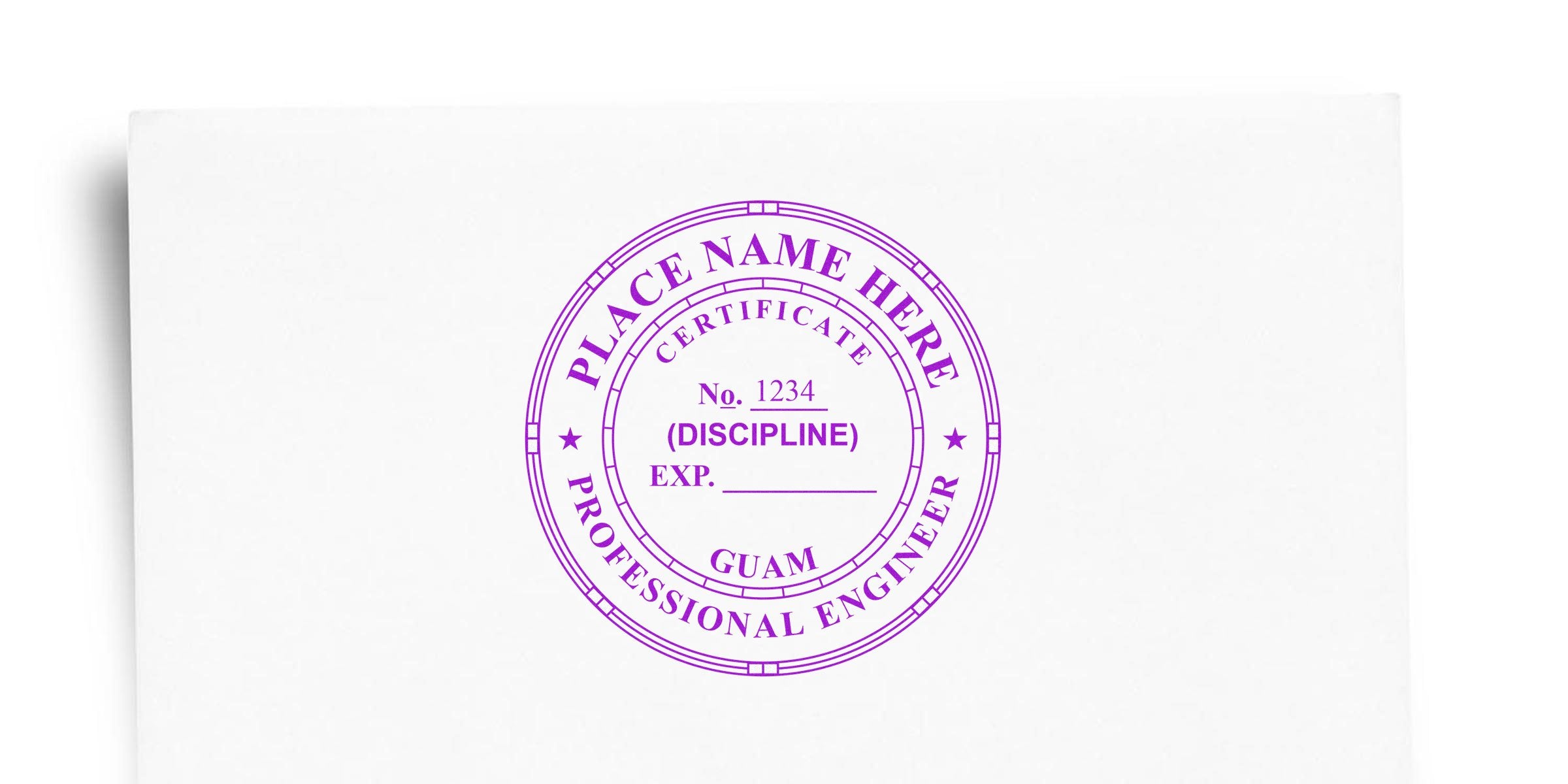
Before we jump into the main details, let’s get comfortable with the basics of Guam engineer stamp requirements. Whether you’re a newly licensed professional or you’ve recently relocated to Guam, ensuring your stamp or seal meets the island’s regulations is critical. After all, you don’t want any hiccups in project approvals, right? Think of it like your personal signature on technical documents, showing you stand behind your work with confidence and integrity. Let’s explore each step so you can feel completely prepared.
Discover Guam engineer stamp requirements
Why your stamp matters
Your Guam engineer stamp exists for more than just aesthetics. It confirms you hold a valid license, demonstrates compliance with local professional standards, and reassures clients, employers, or government bodies that your plans and calculations are legitimately approved. Essentially, the stamp is a direct reflection of your expertise in the field.
- Signals your professional accountability
- Shows official authorization to practice
- Builds trust in your work and reputation
Have you ever found yourself in a situation where you needed to present official documentation, but it lacked proper validation? That’s how your engineering reports would appear without the official seal. It’s crucial to have a stamp that aligns with Guam’s standards so that every design plan, blueprint, or report you sign off gets the green light.
Regulatory background
In Guam, engineering boards and municipalities generally expect your stamp to follow specific design guidelines, including size, shape, and the text it must show. While exact requirements may periodically change, the consistent theme is highlighting your professional credentials and clarifying that you’re authorized to practice. You might see references to Guam's Board of Professional Engineers or instructions on what information needs to be displayed.
You should confirm the latest guidelines before you order your stamp, so you don’t end up with an outdated or non-compliant design. Leveraging these rules helps distinguish you as a responsible practitioner, plus it keeps you in line with the island’s evolving regulatory environment.
Understand the stamp design
Basic design elements
Most Guam engineer seals share common features that set them apart. In general, you’ll see:
- A circular or sometimes rectangular outline featuring “Professional Engineer” in an easily readable font.
- Your full name exactly as registered on your license.
- The words “Territory of Guam” or “State of Guam,” depending on the official standard.
- Your license number clearly in the center or near the edges.
These elements solidify your identity. If your stamp is missing relevant text or if your license number is off by even a digit, the seal may be invalid. Many professionals also add the term “PE” after their name to underline their status as a Professional Engineer.
If you’re curious about a recommended look and feel, you can browse our guam pe stamp design reference. It shows how typical Guam stamps are arranged, giving you a visual for what authorities may require.
Digital seal considerations
Digital seals are gaining popularity among engineers who frequently work with electronic drawings. If you’re planning to employ them, you’ll still need to follow local Guam guidelines. Often, the digital seal’s design matches the physical stamp, complete with your name, license number, and the official Guam designation.
- Check if electronic submission is allowed by your local review board.
- Ensure files are password-protected or digitally signed for security.
- Confirm size and resolution guidelines if you’re placing the seal onto PDF drawings.
Some engineers keep both a physical stamp and an e-seal on hand. This dual approach allows you to handle traditional paper-based projects while also catering to clients who prefer electronic files.
Follow the ordering process
Preparing required documents
Ready to order your Guam engineer stamp? First, gather the essentials. You typically need:
- A copy of your engineering license or verification document.
- Exact spelling of your name as listed on your license.
- The correct license number.
Double-check that your name matches how it’s recorded on Guam’s professional engineer registry. A missing middle initial or a mismatch in suffix can lead to confusion down the line. If your license is under “Thomas W. Diaz,” don’t request a stamp for “Tom Diaz.” Consistency is key for legal clarity and board verification.
Choosing a reliable vendor
Once you have your paperwork, selecting the right vendor ensures you get a high-quality product. At Acorn Sales (that’s us), we’ve been producing top-quality stamps and seals for over 60 years. We understand the importance of accuracy and clarity for every engineer’s seal. Plus, our fast service helps you avoid extended waiting periods, so you can start stamping your plans right away.
Here’s what to look for in a stamp or seal supplier:
- Design familiarity: Vendors who already produce professional engineer seals guam generally know the territory’s specifics.
- Quality guarantee: Ask if they stand behind the product and offer reprints in case of errors.
- Free digital seal: At Acorn Sales, we bundle a free digital seal with many of our Guam PE stamps, giving you the convenience of using both physical and electronic versions.
- Customer reviews: See what other engineers say. A glowing recommendation often indicates reliability.
Another perk to consider is the variety of stamping formats. Some professionals like pre-inked stamps while others prefer an embosser. If you’re frequently stamping large stacks of documents, an easy-to-press embosser might be your best friend.
Maintain compliance and usage
Proper stamp application
Even the perfect Guam stamp means little if you don’t use it correctly. Every time you seal a sheet of drawings, calculations, or other technical documents, you affirm that the content is accurate and follows professional standards. This responsibility is why misuse or unauthorized stamping can lead to serious consequences, including disciplinary action from the local engineering board.
- Always stamp near your signature, but leave enough room so your seal is fully legible.
- Avoid stamping over text or crucial details, since clarity is vital.
- Keep track of every document you stamp, so you have a record of what you’ve approved.
A handy habit is to quickly proofread the final page before stamping. Is your name spelled correctly on the document? Does the date match your sign-off day? Taking these simple precautions helps ensure future clarity if there’s ever a question about a plan’s authenticity.
Keeping records in order
If a project faces legal or technical scrutiny, you’ll be grateful to have tidy records of every document you sealed. While you may not be required to store everything indefinitely, many engineers keep digital copies of stamped documents for at least a few years after completion.
- Store scanned versions in a secure cloud folder, labeled by project and date.
- Maintain an index or spreadsheet listing documents, seal dates, and recipients.
- Note any special instructions, disclaimers, or changes made post-stamping.
The modern shift to electronic documentation can streamline record management. Even if you primarily use a physical stamp, scanning each sealed page for digital safekeeping is a smart move. This approach also allows you to quickly email or reference your projects if someone requests proof of your sign-off later.
Master care and storage
Handling your physical stamp
Think of your engineer stamp as a personal signature that unlocks your official authority. Because of this, it’s wise to treat your stamp with respect and keep it secure. Allowing others to use your seal can jeopardize your license if documents are inadvertently or maliciously stamped without your direct oversight.
- Keep your stamp in a locked drawer or safe when you’re not using it.
- Avoid leaving it in shared office spaces where unauthorized stamping could occur.
- Clean the stamp surface occasionally to prevent ink smudges or incomplete impressions.
Depending on the type of stamp you have, you may need fresh ink cartridges or periodic adjustments. Embossers should feel smooth and sturdy when pressed. If yours gets wobbly, consider contacting a reliable vendor to address the issue. Proper maintenance not only ensures crisp impressions but protects your professional image.
Storing your digital seal
Digital seals need a similarly cautious approach. You wouldn’t hand out your personal signature to just anyone, so keep your electronic seal in a password-protected file or software. Some engineers implement two-factor authentication, meaning you need both a password and a verification code to access the digital stamp.
- Use reputable PDF-editing software to place your electronic seal.
- Avoid sending your raw seal file to clients or external contacts.
- Keep backup copies of your digital certificate in a secure offline location.
Combined with a thorough recordkeeping process, a well-maintained digital seal helps you respond quickly when you’re asked to stamp updated drawings or sign additional documents, even if you’re working remotely.
When you’re ready to take the next step, consider browsing guam engineer stamp online options. Whether you choose a traditional hand stamp, a pre-inked model, or a sleek embosser, the most important thing is fulfilling Guam’s official guidelines. Your seal stands as a sworn statement that your work is valid, up-to-code, and signed off by a licensed professional.
Take a moment now to review any final details. Still have questions about specific aspects of Guam stamp design or usage? Reach out to us at Acorn Sales. We’re always ready to guide you in picking the perfect seal and ensuring every impression you make is consistent, precise, and completely compliant with Guam’s requirements. Here’s to many successful projects backed by your official engineer stamp.
Frequently Asked Questions
Can I use one stamp design for multiple territories?
You can’t use a single universal stamp for different states or territories. Each region, including Guam, has specific wording. It’s best to have a separate stamp for each area in which you’re licensed.
How long does it take to receive my Guam engineer stamp?
Turnaround can vary, but we at Acorn Sales typically process stamps quickly, often shipping orders within a few business days. If you need it urgently, ask about expedited options.
Am I required to include my PE license number on the seal?
Yes. Your Guam seal must display your license number along with the official designation that indicates you’re a registered professional engineer.
Are digital-only stamps acceptable for final submissions?
This depends on what your local or municipal review boards allow. Many still require a physical stamp on at least one set of final project documents. However, digital stamping is increasingly accepted for electronic submissions, provided it meets Guam’s security and format standards.
What’s the difference between a stamp and an embosser?
A stamp uses ink to imprint your seal onto documents, while an embosser creates a raised impression. Some professionals like the timeless look and feel of an embosser, while others prefer an ink stamp for clarity. Both are generally acceptable if they match Guam’s regulations.








