
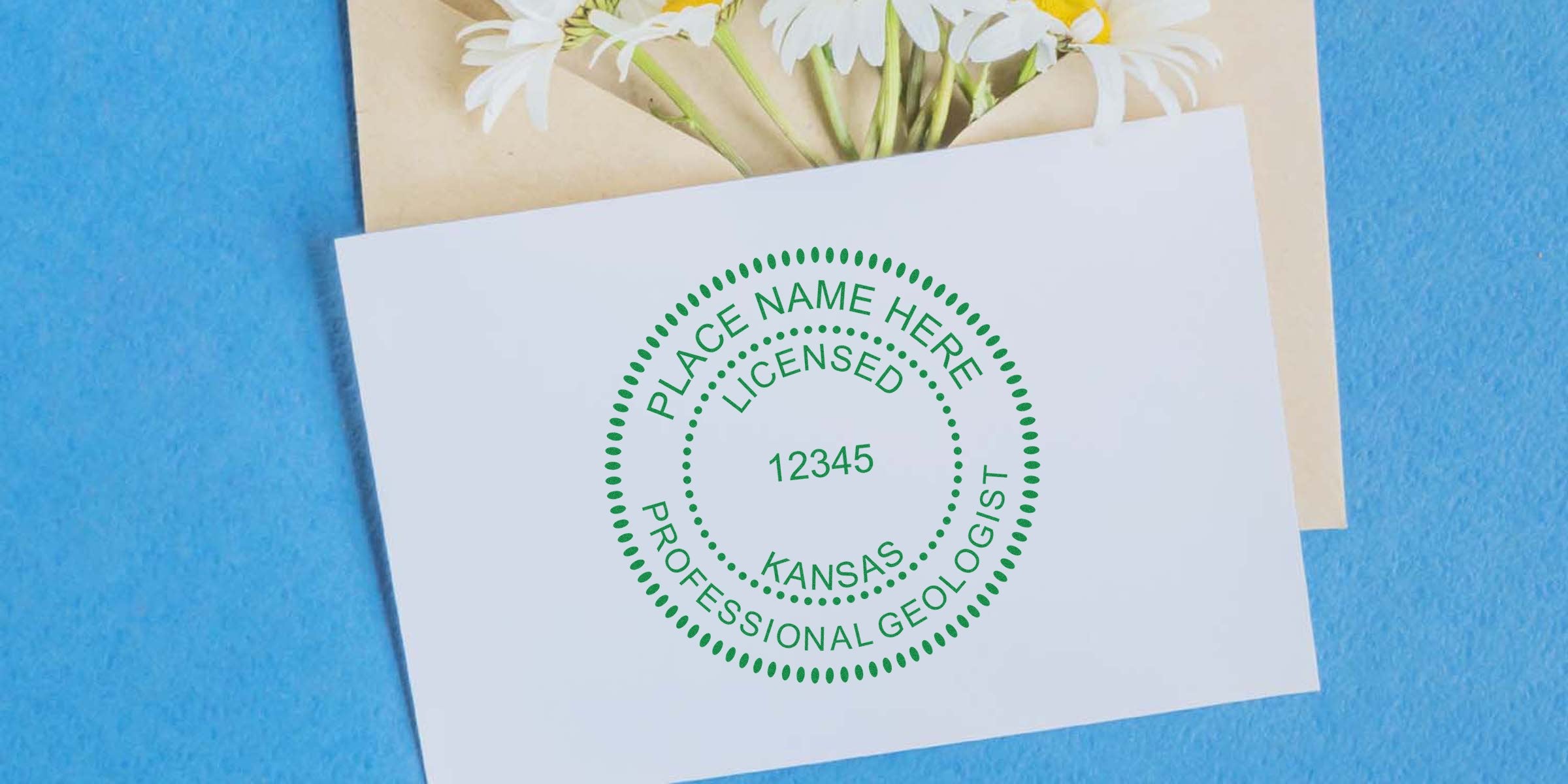
If you’re a practicing geologist in the Sunflower State, there’s a good chance you’ve wondered about Kansas geologist stamp specifications. After all, it can feel daunting when you realize your professional seal has to check several boxes to be fully compliant. But don’t worry. In this guide, we’ll walk you through the what, the why, and the how of keeping your stamp up to code. By the end, you’ll know exactly how to craft a seal that reflects your expertise and meets Kansas standards.
Feel free to think of this as a friendly chat. We’ll skip the complicated jargon and cut straight to the good stuff. Let’s get started.
Understand Kansas Geologist Stamp Specifications
Before you ever place your seal on a document, you need a clear understanding of the basic specs. In Kansas, the rules aren’t just there to make you jump through hoops. They exist to ensure that official records—like geological reports, maps, or proposals—are accurately validated by a qualified professional (that’s you) with a seal that meets state expectations.
- Your stamp or seal must feature your name as it appears on your license.
- It needs to include your license number.
- The design typically requires a circular or rectangular format.
We’ll get into more detail in a moment, but this top-level overview should give you a sense of what’s coming. By adhering to these essential components, you help maintain consistency across all licensed geologist documents in the state. The goal is to protect the public and preserve professional clarity.
One thing you might be wondering: Do the details really matter? Definitely. In some cases, an incorrectly formatted seal can lead to red-flagging your report or even rejecting a document entirely. That’s why you’ll want to be certain your stamp hits every requirement. If you want more specifics, you can also check out the kansas geologist stamp requirements, where you’ll find a deeper breakdown of official guidelines.
Follow Legal Requirements
Meeting all legal obligations can feel like an obstacle course at first. But trust me, you’ll stay on track just fine once you know the basics. Every licensed geologist must adhere to the Kansas State Board of Technical Professions’ guidelines. While these guidelines can shift over time, a few universal points remain:
- The stamp or seal must be used on final documents only, not on preliminary drafts.
- You’ll need to sign through or near the seal.
- The impressions need to be clear and legible, whether you use rubber ink or an embosser.
Why so many formalities? Part of it is about professionalism—when the public or another official sees your stamp, they know you’ve taken responsibility for what’s in that document. Another part of it is that a standardized seal helps state boards quickly verify a geologist’s identity and active license. If you have questions, the Kansas board is there to help. Always keep an eye on their official announcements or bulletins to stay updated on any changing legislation.
Extra Tip on Signing
Your signature is more than a scribble on the page. The signature—dated, if required—represents your personal affirmation that the work is accurate and complete. Even in an age of digital documents, the actual act of signing can still speak volumes. It says, “I’m the professional who endorses this.”
Choose Your Stamp Format
When it comes to Kansas geologist stamps, you have options. Some folks prefer an ink-based stamp, while others like an embosser. Either one can meet the state’s specs, but each has its own quirks. Let’s explore the key formats:
Ink Stamp
An ink stamp is a classic choice. It’s quick, straightforward, and consistent:
- Typically uses a rubber die with your details.
- Leaves a crisp impression in various colors (black or blue ink is common).
- Easy to replace the ink pad as needed.
Ink stamps are popular because they’re portable and quick to apply. If you’re stamping multiple pages in a row—say you’re verifying a large project—an ink stamp can be a real time-saver.
Embossing Seal
An embossing seal is that raised-impression style you might’ve seen on formal certificates. It’s definitely eye-catching:
- Uses a metal die with your name, license number, and relevant text.
- Creates a raised impression on paper.
- Durable design that can last for decades if cared for properly.
Some geologists love the authenticity an embossed seal brings. It also helps avoid the risk of ink smudges or fading. However, embossers can be more noticeable on thick documents, so make sure your pages can handle the indentation.
Quick Table Comparison
Below is a quick look at the pros and cons of each format:
| Feature | Ink Stamp | Embossing Seal |
|---|---|---|
| Impression Style | Flat ink mark | Raised impression |
| Visibility | High contrast, color-based | Subtle but official-looking |
| Portability | Lightweight, easy to carry | Slightly bulkier metal device |
| Maintenance | Requires ink pad replacement | Rarely needs part replacement |
Whether you opt for ink or embossing, make sure your chosen method meets the dimension and layout specifications required by Kansas regulations. If you’re still uncertain, it might help to chat with a colleague who has recently gone through the same process.
Spot Key Elements
What should your Kansas geologist seal include, exactly? Let’s break down the must-haves so you won’t overlook an important detail.
- Your Full Name: Use the name under which you are licensed.
- “Licensed Professional Geologist” or an equivalent variation: This text indicates your professional status.
- License Number: Double-check it’s correct.
- Kansas State Reference: The seal typically includes “State of Kansas” or “Kansas” to confirm the licensing jurisdiction.
Try not to clutter the seal with extraneous design elements. Artwork or fancy borders might look cool, but they risk reducing legibility. A straightforward, professional layout goes a long way. If you ever want an aesthetic flourish, keep it minimal. After all, the primary goal is to confirm the authenticity of your credentials.
Typical Dimensions
Though exact measurements can vary if the board updates guidelines, a two-inch diameter is fairly standard for a round stamp. For square or rectangular stamps, you’ll also aim for a size that’s roughly two inches in width or height. Just be sure that all text remains readable. Anything overly large may look unwieldy on documents, while anything too small risks being illegible.
Use the Seal Correctly
A perfectly designed seal doesn’t do much good if it’s applied incorrectly. Proper usage extends beyond slapping the stamp wherever there’s space on the page.
-
Place on Final Documents Only
This might seem obvious, but it’s worth repeating. You’ll want to avoid putting your seal on preliminary or draft documents. If changes are made after you seal information, the authority of that seal is compromised. -
Keep it Legible
Ensure the text is sharp and easy to read. Don’t press so lightly that the text fades. For embossers, check that you aren’t tearing the paper. -
Sign Near or Across the Seal
Some boards require you to sign across part of the seal, while others accept a signature adjacent to it. Either way, your signature is the final step in certifying that the material is your work. -
Verify Page-by-Page Requirements
Some reports or proposals might need the seal on specific pages instead of just the last page. If the Kansas regulations specify multiple pages, follow that. It can vary based on the type of document.
Digital Seals Too
With more documentation going digital, you might wonder if e-seals or digital stamps are permissible. Some states allow a digital seal provided it meets security and encryption standards. For Kansas, be sure to confirm any digital seal protocols with the board. If you do go digital, clarity is still king. The text and outline of the seal should remain as legible as possible, even at PDF scale.
Maintain Your Professional Standing
A key part of using your geologist seal is ensuring your license remains valid. If your license expires, your seal effectively loses all legitimacy. Here’s how to stay on top of things:
- Renew on Schedule: Mark your calendar for renewal deadlines.
- Complete Continuing Education: Keep up with any required professional development hours.
- Verify Contact Information: If you move or change your name, notify the state board promptly.
When you stay up to date, your seal remains a trustworthy mark of professional authority. This protects you, your clients, and the reputation of the entire field.
Staying Current with Rule Changes
Did you know that sometimes rules get tweaked? That might include slight adjustments to Kansas geologist stamp specifications. If the board decides to modernize or refine the guidelines, you don’t want to be the last to know. Sign up for the board’s email alerts or check their website every so often. It saves you the headache of updating your seal at the last minute or accidentally using a format that’s no longer valid.
Consider a Trusted Supplier
Now that you know all the technical details, you might be thinking, “Where do I actually order this seal?” That’s where a reputable stamp maker comes in. You want someone familiar with Kansas geologist rules, because a novice supplier might miss a key requirement. Here’s the thing: a well-crafted seal can be valuable for years, so it pays to get it right from the start.
Look for Expertise
Acorn Sales is a supplier that has been making professional stamps and seals for 60+ years. They know the ins and outs of Kansas geologist stamp specifications, as well as the broader guidelines for other licensed professionals. Plus, you get peace of mind knowing they’ve navigated these requirements many times before.
Check for a Free Digital Seal
Some providers, including Acorn Sales, offer a free digital seal when you order a physical stamp or embosser. That digital seal can be a real lifesaver if you ever need to submit electronic projects. It’s typically delivered in a format you can easily insert into PDFs or word processing documents. Before you finalize any order, verify what’s included, how to request your digital seal, and whether it meets Kansas standards for e-signatures.
Verify the Return Policy
Mistakes happen. If your name or license number is off by just one digit, you’ll need a replacement. A good supplier will have an accommodating return or exchange policy, especially if it’s an error on their end. Keep your invoice or order details handy until you verify the seal is exactly what you requested.
Final Thoughts
By now, you’ve got a solid handle on Kansas geologist stamp specifications, from formatting the text and shapes to applying the seal properly on final documents. Sticking to these guidelines helps protect the integrity of your work and reassures clients and regulators that you take your responsibilities seriously. Remember to stay current on any changes from the state board, keep your license active, and source your stamp or embosser from a trusted supplier like Acorn Sales.
Swapping tips with other geologists in your network is always a plus. Sometimes, a little advice from someone who’s been there will save you time and money. If you ever have questions, don’t hesitate to check kansas geologist stamp requirements or reach out to the board for the latest updates.
You’ve got this. With the right seal in place, you can focus on the important work: delivering top-quality geological expertise to your clients and colleagues. Happy stamping!
Frequently Asked Questions
Do I really need a seal, or can I just sign my documents?
” You do need a seal. A mere signature alone won’t meet Kansas’s legal requirements for licensed geologists. The seal is an official indicator of your professional authority.
Is one stamp enough, or should I consider an embosser as well?
” That’s mostly a matter of preference. Some geologists like to have both, especially if they deal with formal documents regularly. One benefit of having both is versatility—an ink stamp is quick and easy, while an embosser can add a polished, official look.
What if my seal sits unused for a long time?
” As long as your license is current, your seal remains valid. However, if the state updates rules, your older seal might not conform to new requirements. Check for legislative or regulatory changes once in a while to ensure your seal is still good to go.
Can I automate my seal in a digital workflow?
” Potentially yes, but verify Kansas’s specific guidelines for digital documents. If you do automate it, make sure to embed it with security features so the document can’t be altered without your knowledge.
Is there a size limit for the seal impression?
” Although exact parameters can change, most geologist seals in Kansas are around two inches in diameter (or similar dimensions if rectangular). The main point is clarity. All text—your name, license number, and the state—should be easily readable.








