
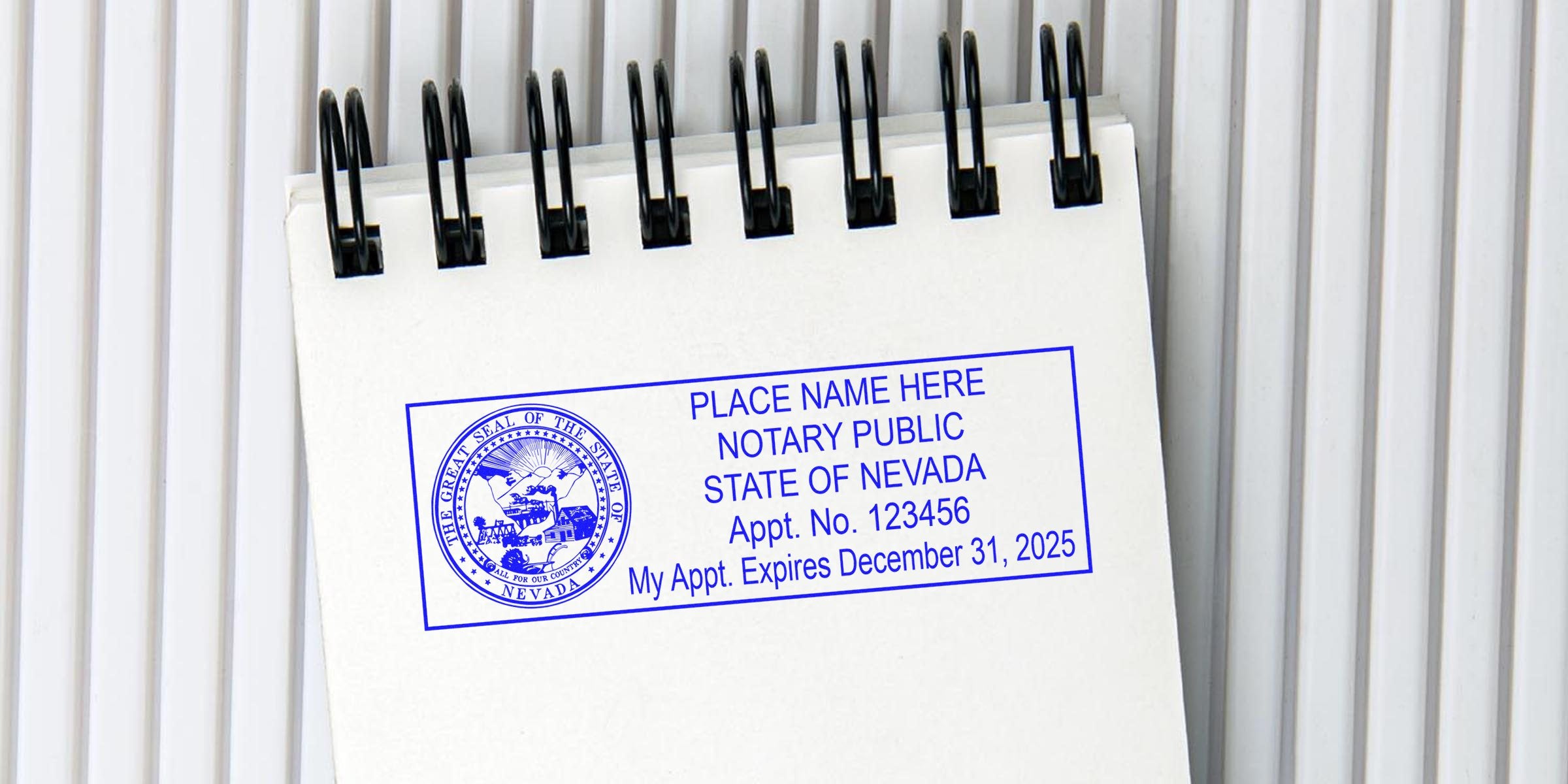
If you’ve been thinking about getting your notary commission in the Silver State, you’ve likely wondered about Nevada notary stamp requirements. It might feel like there’s a lot to learn, but the reality is simpler than you’d expect. When it comes to making your notarial acts official, a properly designed and compliant stamp is key. After all, your stamp signals authenticity to everyone who sees or relies on your notarized documents.
In this friendly guide, you’ll discover what goes on a Nevada notary stamp, why each element matters, how to stay on the right side of the law, and how to choose a supplier who gets it done right. Let’s jump in.
Explore Nevada notary stamp basics
Understanding the basics of Nevada notary stamps puts you on solid ground for your official duties. A stamp is more than just an ink impression. It’s a clear record of your identity as a notary, and a way to confirm that your commission is legitimate at the time you notarize a document.
Understanding the role of a notary public in Nevada
Before diving into the stamp itself, it helps to know why your notarial role matters. A notary public is a state-appointed official who verifies the identity of signers and helps deter fraud in legal documents. You’re responsible for ensuring that everyone involved in a transaction understands its purpose and signs willingly. When you finalize that process with your signature and stamp, it helps others trust the document’s authenticity.
Why your notary stamp matters
Your stamp is a strong visual cue that legitimizes a document. Many banks, title companies, and government offices won’t accept a notarized document if the notary’s stamp or seal is missing or incomplete. This small imprint packs a lot of authority. If you meet all stamp requirements for a Nevada notary, you’ll be well-positioned to serve your clients and your community effectively.
- It confirms your commission details, like your name and commission expiration date.
- It prevents tampering by making official documents harder to forge.
- It saves you future headaches by ensuring your notarizations meet state regulations.
Recognize key stamp components
A Nevada notary stamp isn’t random scribble. Instead, there’s a clear set of required elements that must be part of the imprint for it to be legally valid. When you know what goes into your seal, you’ll never have to panic about missing details down the line.
Essential data on your Nevada seal
Your seal generally needs to include:
- Your name (exactly as it appears on your commission certificate)
- The words “Notary Public”
- The phrase “State of Nevada”
- Your commission expiration date
- Your commission number (when required by the state)
Nevada might adjust these criteria over time, so it’s smart to double-check with the official sources, such as the Nevada Secretary of State’s office, whenever you renew your commission or order a new stamp.
Approved stamp shapes and sizes
Shapes and sizes for a notary stamp often come as round or rectangular. While rectangular stamps are among the most common, some notaries prefer round designs. The state of Nevada is fairly flexible, but there are guidelines that prevent stamps from being so large they blot out important text or so small they become illegible.
Some stamp suppliers, like Acorn Sales, frequently create stamps sized to common regulations. This takes away the guesswork because they know the standard dimensions that comply with Nevada’s rules. If you’re worried about inadvertently obscuring signatures or text, look for smaller-body stamps that leave enough white space around your notarial block.
Comply with legal guidelines
Like many professions, a notary public operates according to state law. Complying with these guidelines isn’t only about avoiding penalties, it’s also about giving the public confidence in your services. After all, you represent an official channel that helps keep legal transactions above board.
Meeting the Secretary of State’s rules
The Nevada Secretary of State sets the guidelines you need to follow for notarial procedures. Here are a few compliance tips:
- Confirm your name on the stamp exactly matches your official commission name.
- Keep track of your commission expiration date so you can update your stamp as needed.
- Double-check if your commission number is explicitly required on your seal. Some states vary on whether it’s mandatory.
- Be vigilant about using only your official stamp. Personalizing or decorating could accidentally violate official guidelines.
When you’re ordering a stamp, most experienced suppliers will ask for your commission certificate. That’s for your protection. It ensures the seller verifies each bit of necessary information before they manufacture your seal.
Avoiding common mistakes
Nobody wants the hassle of redoing their stamp or re-notarizing documents because of little oversights. These are some common pitfalls and how to steer clear of them:
- Misspelling your name: It must match your commission exactly, including capitalization and any middle initials.
- Using the wrong date: If your stamp has the wrong commission expiration date, you’ll need a new stamp immediately.
- Overly large stamps: You don’t want your seal to hide critical text or run off the page.
- Incorrect or missing state details: Always verify that “State of Nevada” is clearly included.
By staying mindful of these easy-to-avoid errors, you’ll keep your notarizations smooth and valid.
Choose a trusted supplier
You might think that any place offering rubber stamps can create your notarial seal. But working with a specialized retailer is well worth it. Not only do experienced suppliers understand the current guidelines for your commission, but they also know a thing or two about producing a durable, high-quality product.
Why it pays to get a quality stamp
Picture this: you’re in a hurry to validate a crucial real estate document. You grab your notary stamp, press it down, and end up with a blotch that’s illegible. That’s the last thing you want. Investing in a reliable stamp ensures clean, consistent impressions that won’t smudge or skip. Quality stamps also last longer, potentially saving you money and hassle in the long run.
Other benefits of opting for a reputable stamp maker:
- Consistent impressions that are easily readable.
- Minimal ink leakage.
- User-friendly design that’s comfortable in your hand.
- Assurance that you’re in line with Nevada’s mandates.
How Acorn Sales can help
If you’re looking for a stress-free way to ensure your seal meets Nevada’s notary rules, Acorn Sales is a name you can trust. Here are a few reasons to consider them for your Nevada notary supplies:
- Over 60 years of expertise: The team’s long history means they know the ins and outs of creating high-quality notary seals.
- Quick turnaround: When you’re in a pinch, you don’t want to wait forever. Acorn Sales is known for delivering products with speed.
- Compliance focus: Their stamps are designed to align with state guidelines, so you can order confidently.
- Versatile options: Need something round, rectangular, self-inking, or pre-inked? They’ve got you covered.
You can explore their complete line of Nevada notary supplies. Before placing your order, gather the info you need such as your official commission name and expiration date. That way, you can breeze through the checkout process and ensure zero typos on your stamp.
Maintain and store your stamp
Once you receive your Nevada-approved stamp, your responsibilities don’t stop. Proper care and storage extend the life of your seal and help prevent misuse.
Best practices for daily use
Consider your notary stamp a critical business tool. If you use it frequently, you’ll want to protect it from dirt, dust, or anything that can dry out the ink. Here are a few everyday tips:
- Store in a clean, dry spot: High humidity or dusty environments can degrade the ink pad.
- Press gently: Excessive force can lead to heavy ink smudges, especially with self-inking models.
- Keep spare ink handy: Over time, your ink pad will need a refill or replacement. Have extra on hand to prevent last-minute drama.
It’s also a good idea to occasionally test your stamp on a scrap piece of paper. That way, you’ll catch any potential faintness or spacing issues before you apply the seal to an actual document.
Replacing your stamp
Stamps don’t last forever. Even the most durable ones can eventually wear down. One indicator it’s time for a new one is if your stamp’s impression becomes blurry or inconsistent. You’ll want to replace the stamp if the text stops looking crisp, especially if parts of your name or commission number fade out.
Additionally, you’ll need a new stamp if:
- Your legal name changes (through marriage, divorce, or other reasons).
- You renew your commission and your expiration date shifts.
- The Nevada Secretary of State issues new guidelines requiring you to update your seal’s design.
Remember to dispose of your worn or outdated stamps in a secure manner. It’s best to render them unusable so that no one can misuse your old seal on fraudulent documents.
Hopefully, this guide removes any lingering worries you have about meeting Nevada’s notary stamp requirements. Each detail on your seal serves a specific purpose, helping ensure proper authentication and trust in every document you touch. When you keep your stamp in good shape, stay up to date on commission rules, and choose a proven supplier like Acorn Sales, you’ll be ready to handle your notarial duties with confidence.
Take your next step with a sturdy, compliant seal from a supplier that knows Nevada law inside and out. And if you have questions about selecting the right stamp style, verifying design requirements, or sorting out your updated expiration date, a quick email or call to Acorn Sales can set things straight in a flash. Good luck with your notary journey, and here’s to stamping each document with clarity and authority!
Frequently Asked Questions
What happens if I accidentally use an expired stamp on a document?
Technically, it can invalidate the notarization. Always keep an eye on your commission’s end date and request a new stamp well before your current one expires. In an urgent situation, it’s best to re-notarize using a valid stamp to maintain legal integrity.
Do I need to notify the Secretary of State if I replace my stamp?
In many instances, you only need to notify them if a stamp is lost, stolen, or if you undergo any legal name change. Still, policies can shift, so confirm with the Nevada Secretary of State’s notary division if you have any doubts.
Can I have more than one notary stamp at the same time?
It’s generally allowed to keep a backup stamp as long as both have identical details and are both valid. However, treat that extra stamp with the same security as your primary one. Never forget that both stamps are equally usable and, if lost or stolen, equally risky.
Are electronic notarial acts permitted in Nevada, and if so, do I still need a physical stamp?
Nevada does allow remote online notarizations with proper authorization, but you’ll want to check the specifics. Many times, even if you’re approved for remote notarization, you still need a physical stamp for traditional in-person signings. Consult the latest state guidelines to understand how eNotarization (electronic notarization) and online acts work within Nevada.








