

Written by Acorn Sales Company, manufacturing stamps and seals since 1964 · Reviewed by Holly R, VP of Sales and Marketing at Acorn Sales, against the Ohio Architects Board and Ohio Rev. Code § 4703.12(A) on 21 September 2026 · Updated 21 September 2026
Ohio publishes an exact architect seal and no engineer seal at all. Rule 4703-3-01(A) gives architects a fully specified device: circular, two inches in diameter, with a concentric circle one and three eighths inches across, the words state of Ohio at the top of the annular space and registered architect at the bottom, and the name and registration number horizontally inside the inner circle. Ohio Administrative Code 4733-23-01, which governs professional engineers and professional surveyors, publishes no design, no diameter and no illustration. A supplier who has learned that Ohio never specifies dimensions will get the architect seal wrong.
Ohio also kept the word registered. The legend is registered architect, not licensed architect, matching the Ohio engineer and surveyor legends at R.C. 4733.14 and unlike Illinois, whose architect legend reads Licensed Architect, State of Illinois.
Keep your expiration date out of the die. Rule 4703-3-01(B) requires the seal to be applied above your printed name, license number and the expiration date of your license, plus an ink or electronic signature. Four items in a stack beneath the impression, and the expiration date is the one that turns over each cycle.
Ohio architect seal requirements at a glance
| Requirement | Ohio rule | Source |
|---|---|---|
| Seal required | Yes | Ohio Rev. Code § 4703.12(A) |
| Required elements | state of Ohio at the top of the annular space; registered architect at the bottom of the annular space; Your name, horizontally within the inner circle; Your registration number, horizontally within the inner circle | Ohio Admin. Code 4703-3-01(A) |
| Size and shape | Two inches in diameter, with a concentric inner circle of one and three eighths inches. | Ohio Admin. Code 4703-3-01(A) |
| Device allowed | Four device families, all permitted by name. | Ohio Admin. Code 4703-3-01(A) |
| Signature and date | Ohio puts a four part block around the seal. | Ohio Admin. Code 4703-3-01(B), (C) |
| What must be sealed | Working drawings and specifications prepared by or under the supervision of the certificate holder, under section 4703.12(A). | Ohio Rev. Code § 4703.12(A) |
| Electronic seal | Rule 4703-3-01(D) permits an electronic seal and signature in lieu of an original seal and signature on five conditions: it is a unique identification of the professional; it is verifiable; it is under the professional’s direct and sole control; it is linked to the document in such a manner that changes are readily determined and visually displayed if any data in the document file was changed after affixing; and the graphic image of the electronic seal and signature is readily available and produced in a manner acceptable to the board, containing the same wording and having substantially the same graphic appearance and size as the physical seal when viewed at original document size. | Ohio Admin. Code 4703-3-01(B), (D) |
| Renewal and lapse | The expiration date beside the seal is what ages. | Ohio Rev. Code § 4703.12(A) |
| Firm requirements | Required, on a different clock. | Ohio Rev. Code §§ 4703.12(B), 4703.18(L) |
| Regulator | The Ohio Architects Board | Ohio Rev. Code ch. 4703, principally § 4703.12 (Term |





Is a seal required in Ohio?
Ohio Revised Code section 4703.12(A) requires every holder of a certificate of qualification to practice architecture, or its renewal, to “secure a seal of the design prescribed by the rules of the architects board,” and then imposes the duty: “All working drawings and specifications prepared by or under the supervision of the holder shall be imprinted with this seal. No person shall seal any document unless the person is the holder of a certificate currently in good standing.” Unlike the Ohio engineering and surveying board, which has never published a design, the Architects Board has: Ohio Administrative Code rule 4703-3-01(A) specifies the geometry, the wording and the device types in detail.
What must appear on the seal
- state of Ohio at the top of the annular space
- registered architect at the bottom of the annular space
- Your name, horizontally within the inner circle
- Your registration number, horizontally within the inner circle
Nothing is optional on the face, and the construction is prescribed rather than described. Rule 4703-3-01(A) requires a circular seal two inches in diameter with a concentric circle one and three eighths inches in diameter, “In the annular space between the circle and the outside of the seal shall be the words ‘state of Ohio’ at the top and ‘registered architect’ at the bottom. The name of the architect and the architect’s registration number shall be placed horizontally within the inner circle.” Note the word registered, which Ohio has kept where most states moved to licensed. What goes beside the seal rather than on it is a block of three further items plus a signature, described below.
Size and shape
Two inches in diameter, with a concentric inner circle of one and three eighths inches. Rule 4703-3-01(A) states both figures. This is a fixed construction rather than a range, so an undersized 1-5/8 inch device or an oversized 2-1/4 inch device is out of specification, and the inner circle is part of the specification rather than a stylistic choice. This makes a striking contrast inside Ohio: the engineers and surveyors at Ohio Administrative Code 4733-23-01 have no prescribed size at all.





Embosser, rubber stamp or digital
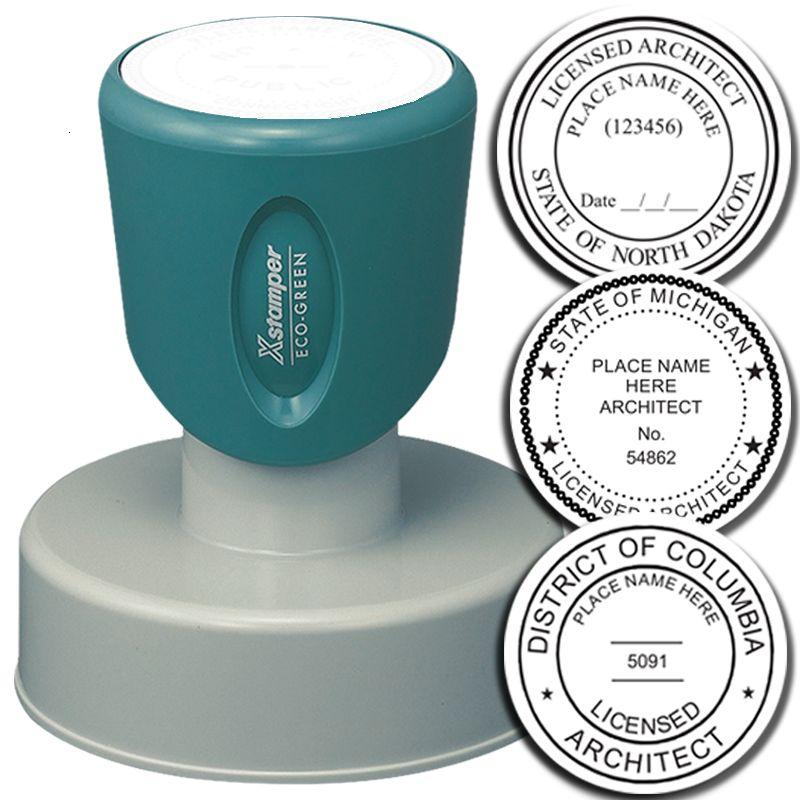
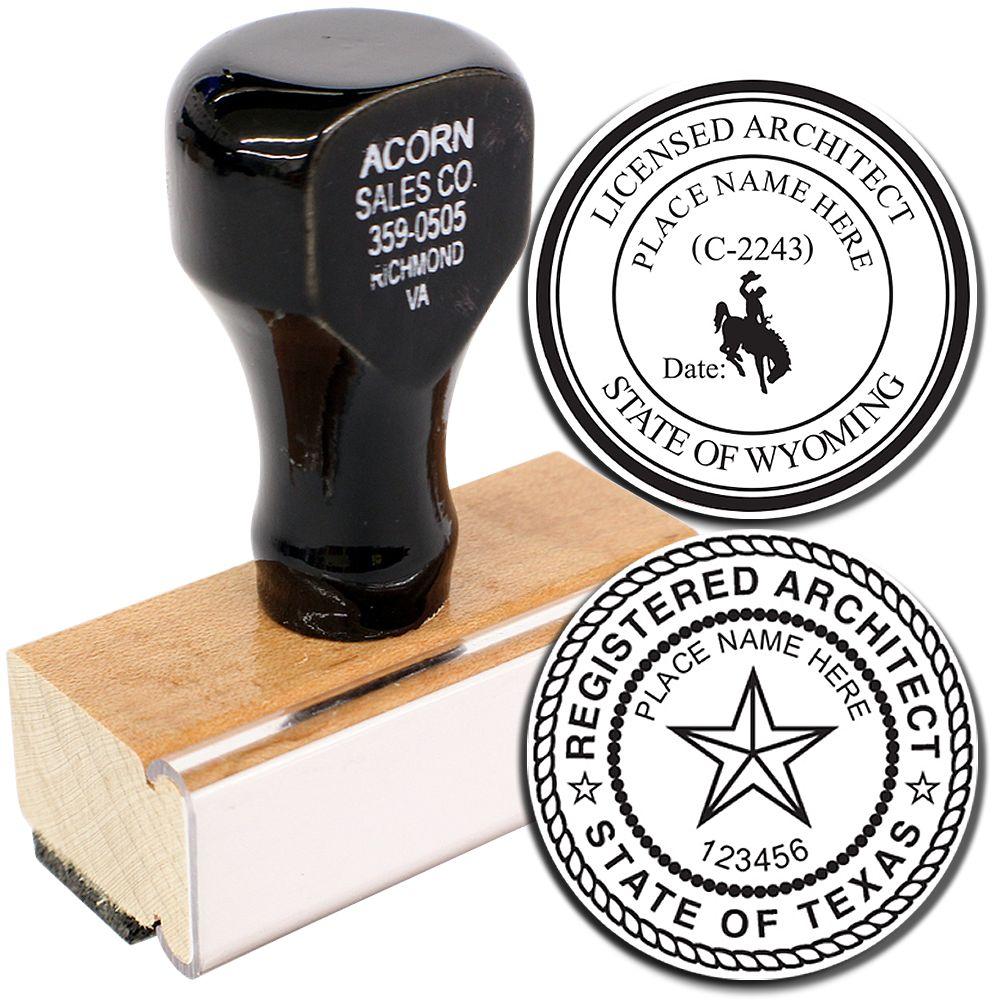
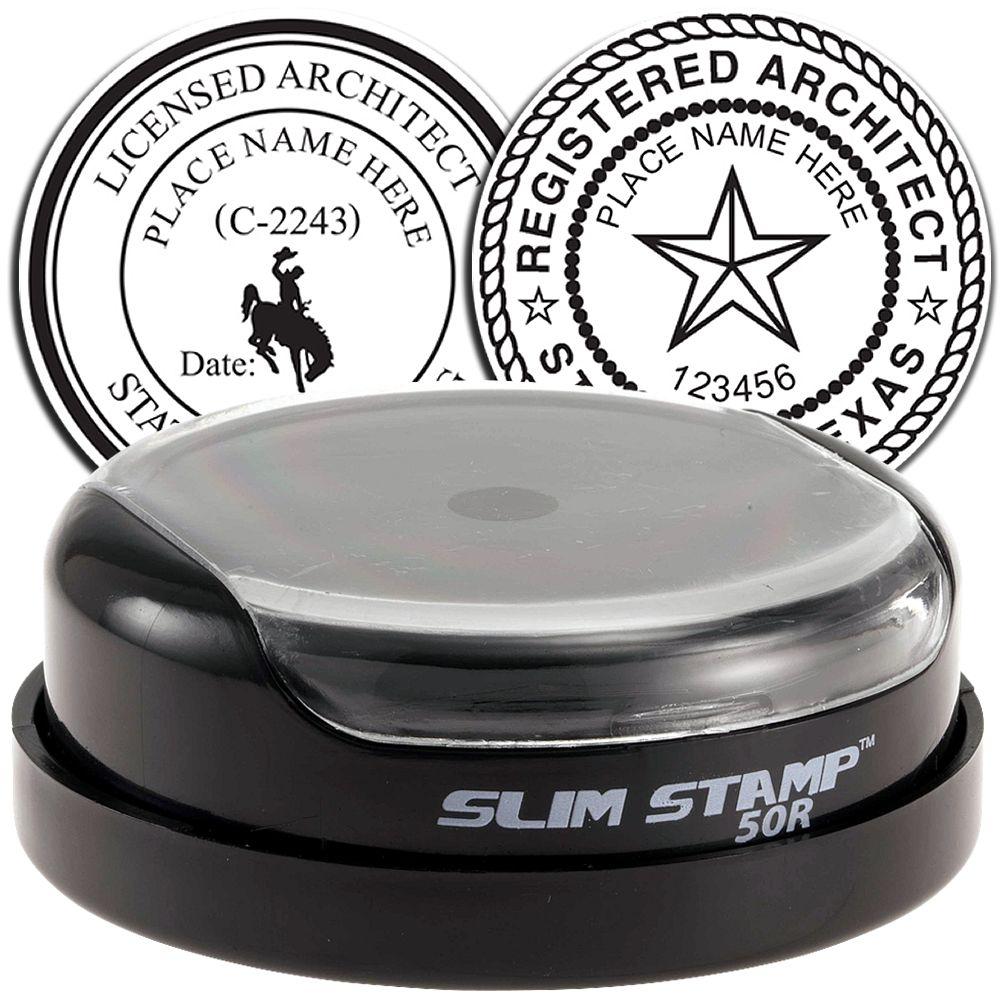
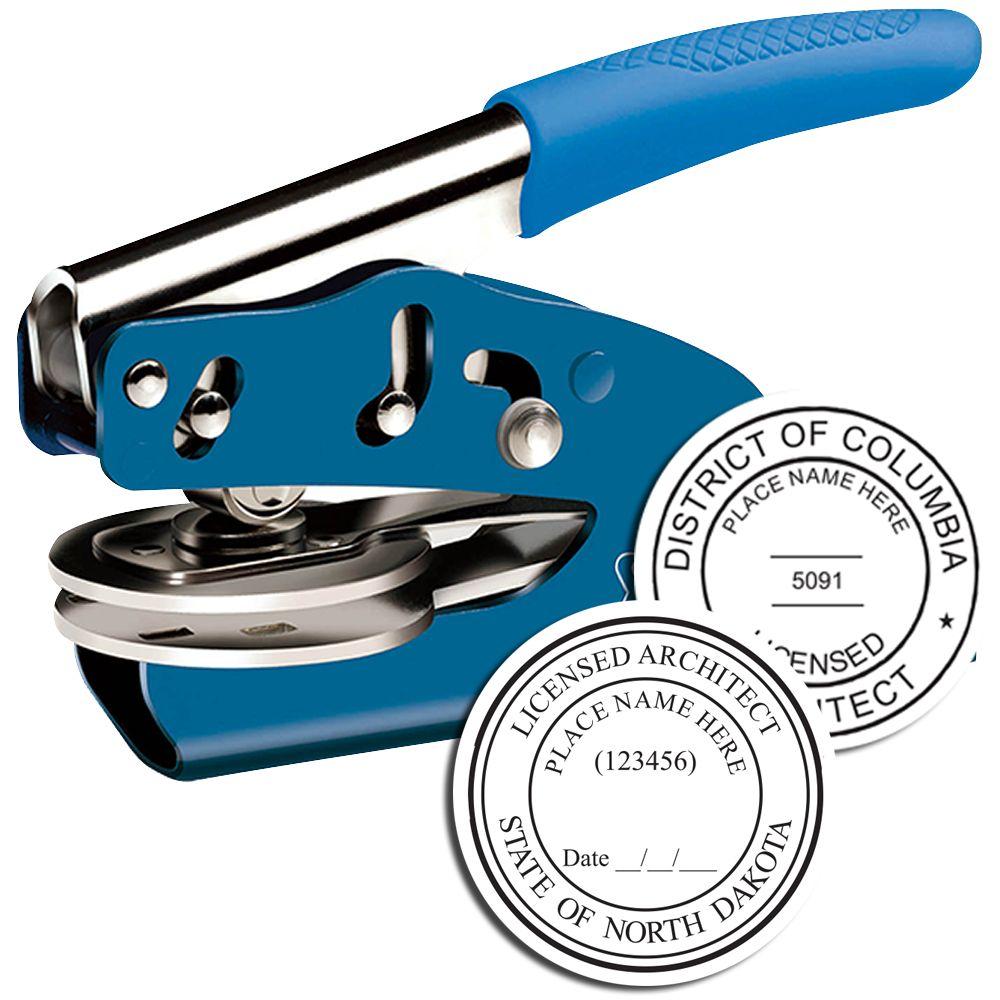
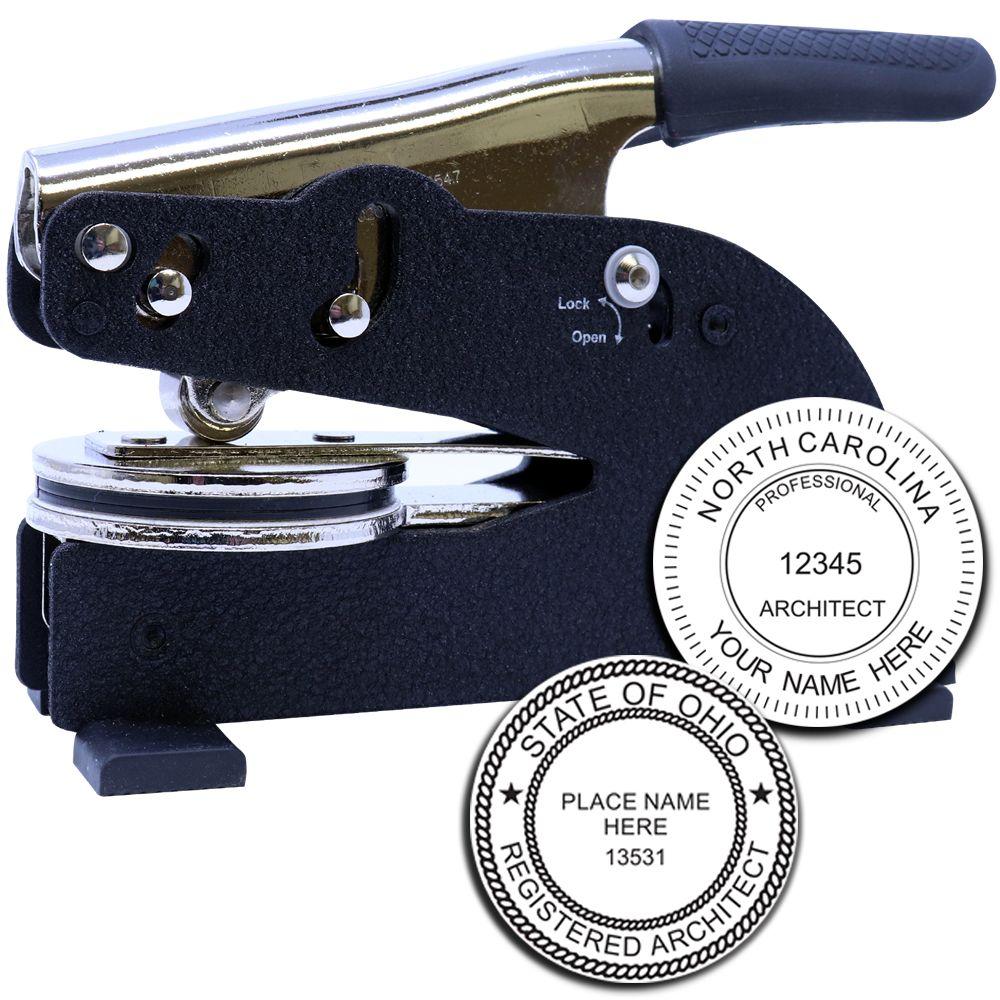
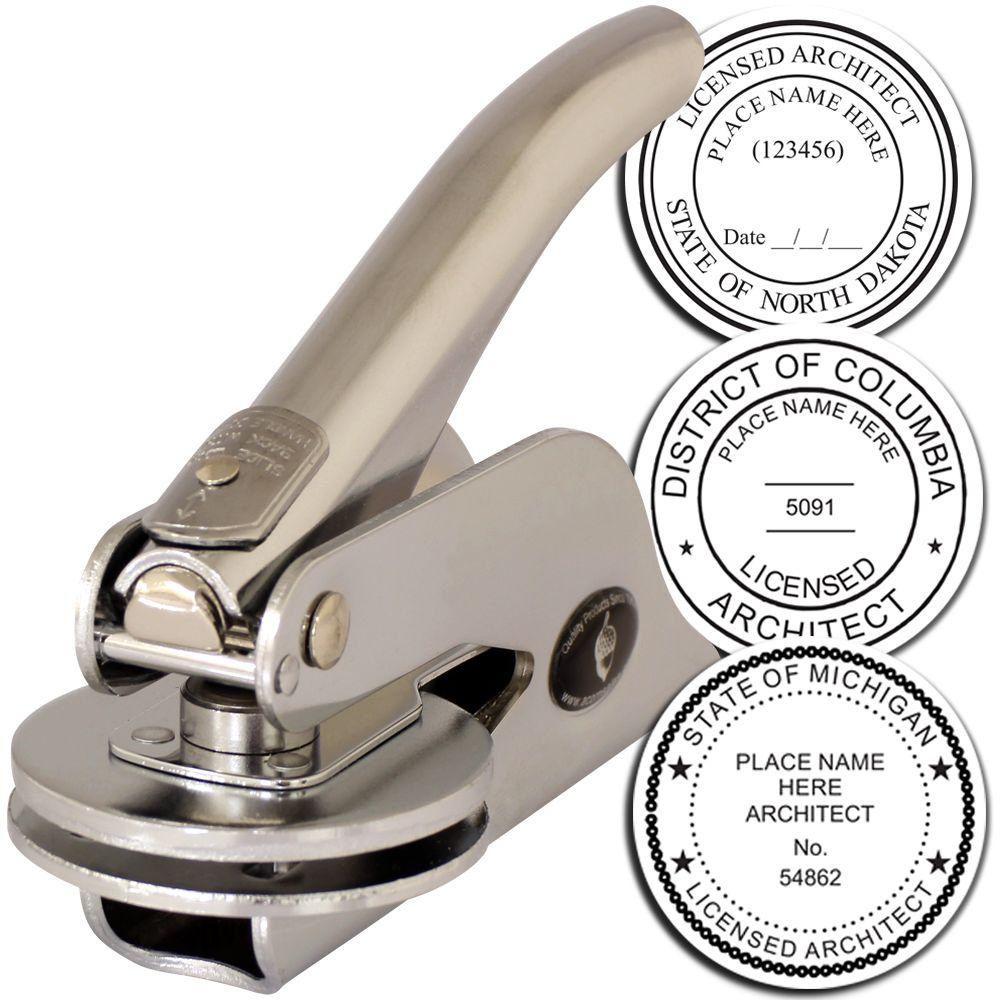
Four device families, all permitted by name. Rule 4703-3-01(A) closes with: “The seal shall be either an individual embossing seal, rubber stamp seal, electronically generated seal or other reproducible facsimile.” The safe buy is a rubber or self inking stamp at two inches, because the statutory duty is to imprint working drawings and specifications and those go to building departments as prints, on which a dry embossed impression does not read.
Signing and dating
Ohio puts a four part block around the seal. Rule 4703-3-01(B) provides that “The application of the architect’s seal, above the architect’s printed name, license number, and expiration date of the architect’s license, and an ink or electronic signature, to the title or first sheet of bound sets of drawings, to the title page of bound specifications and to other drawings and contract documents required for official filing with building permit agencies shall constitute the imprinting required by section 4703.12 of the Revised Code.” So the seal sits above a printed name, a license number, a license expiration date and a signature. The rule then defines signature: “a handwritten identification containing the name of the person who applied it; or for electronic or digital documents shall mean an electronic authentication process attached to or logically associated with the document.” Rule 4703-3-01(C) restricts imprinting to documents the architect authored or had responsible charge of.
Ohio publishes an exact architect seal and no engineer seal at all
Two Ohio boards, two completely different answers. Ohio Administrative Code rule 4703-3-01(A) gives architects a fully specified device: circular, two inches in diameter, with a concentric circle one and three eighths inches across, the words state of Ohio at the top of the annular space and registered architect at the bottom, and the name and registration number horizontally inside the inner circle. Ohio Administrative Code 4733-23-01, which governs professional engineers and professional surveyors, publishes no design, no diameter and no illustration at all. A supplier who has learned that Ohio never specifies dimensions will get the architect seal wrong.
Which documents must be sealed
Working drawings and specifications prepared by or under the supervision of the certificate holder, under section 4703.12(A). Rule 4703-3-01(B) sets the placement: the title or first sheet of bound sets of drawings, the title page of bound specifications, and other drawings and contract documents required for official filing with building permit agencies. That is a first sheet rule for bound sets rather than a sheet by sheet rule, which is the opposite of the Texas architect requirement at 22 Texas Administrative Code section 1.103(a)(3). Section 4703.12(A) adds the absolute bar: “No person shall seal any document unless the person is the holder of a certificate currently in good standing.”






Electronic and digital seals
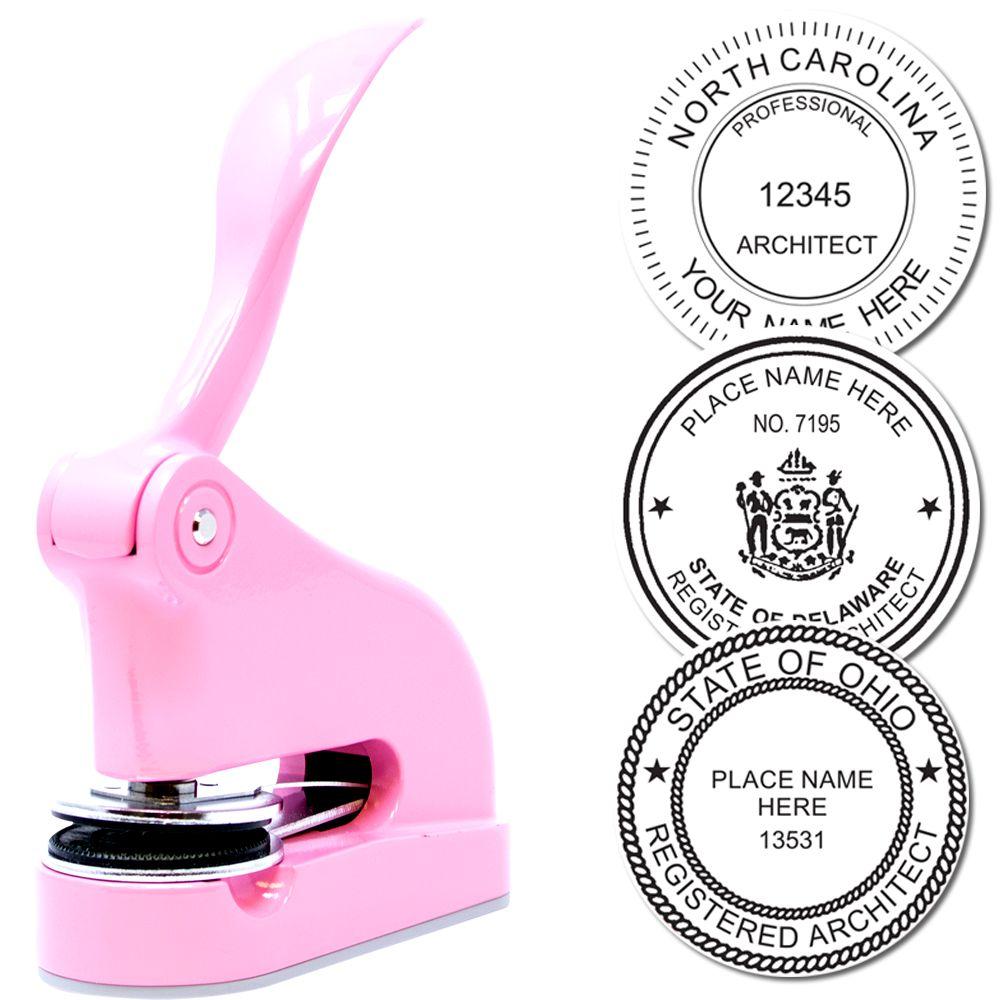
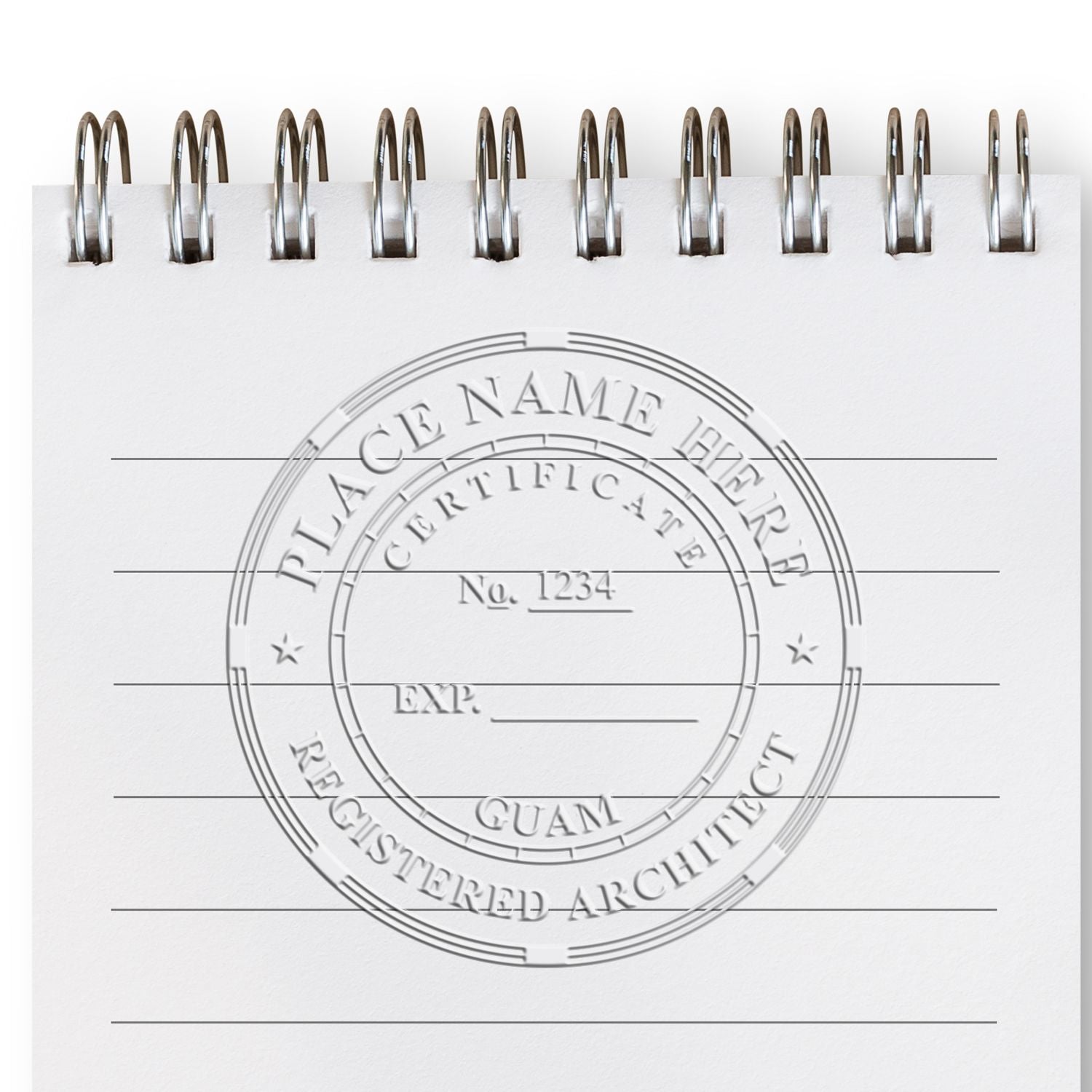
Rule 4703-3-01(D) permits an electronic seal and signature in lieu of an original seal and signature on five conditions: it is a unique identification of the professional; it is verifiable; it is under the professional’s direct and sole control; it is linked to the document in such a manner that changes are readily determined and visually displayed if any data in the document file was changed after affixing; and the graphic image of the electronic seal and signature is readily available and produced in a manner acceptable to the board, containing the same wording and having substantially the same graphic appearance and size as the physical seal when viewed at original document size. Rule 4703-3-01(B) adds the digital signature tests: unique to and under the sole control of the person using it, capable of verification, and linked so that the digital signature is invalidated if any data on the document is altered. No named technology, certificate authority or federal standard.
Renewal, lapse and retirement
The expiration date beside the seal is what ages. Section 4703.12(A) provides that an original certificate authorizes practice “from the date of issuance until the last day of December of the odd-numbered year next succeeding the date upon which the certificate was issued,” unless revoked or suspended under section 4703.15. Because rule 4703-3-01(B) requires the expiration date of the license in the block beneath the seal, that line turns over each cycle. It sits beside the impression rather than in it, so the die itself does not go stale, and the registration number does not change. Section 4703.12(A) bars sealing unless the certificate is currently in good standing. Neither section 4703.12 nor rule 4703-3-01 requires surrender or destruction of the device.
Firm requirements
Required, on a different clock. Section 4703.12(B) provides that each certificate of authorization issued under section 4703.18(L) authorizes the holder to provide architectural services “through the architect designated as being in responsible charge of the architectural practice, from the date of issuance until the last day of June next succeeding the date upon which the certificate was issued,” unless revoked or suspended. Rule 4703-3-02 carries the architectural firms rule and rule 4703-3-03 the firm names rule. The firm has no seal of its own and no rule puts a certificate of authorization number inside the impression, whose content is closed by rule 4703-3-01(A) to the state legend, the profession legend, the architect’s name and the registration number.
What to check before you order
Order a circular seal exactly two inches in diameter with a concentric inner circle one and three eighths inches across. In the ring between them, state of Ohio at the top and registered architect at the bottom. Inside the inner circle, your name and your registration number set horizontally. Ohio says registered, not licensed, so do not let a template substitute. Choose a rubber or self inking stamp rather than a dry embosser, since your drawings go to building permit agencies as prints. Do not engrave your license expiration date into the die: the rule wants it printed beneath the seal alongside your printed name and license number, and it changes every cycle.
Browse architect stamps and seals.
- Your Friendly Guide to Ohio Architect Stamp Orders Made Easy
- Ohio Architectural Embossing Seals and Digital Seals
Frequently asked questions
Is an architect seal required in Ohio?
Yes. R.C. 4703.12(A) requires every holder of a certificate of qualification to practice architecture, or its renewal, to “secure a seal of the design prescribed by the rules of the architects board,” and then imposes the duty: “All working drawings and specifications prepared by or under the supervision of the holder shall be imprinted with this seal. No person shall seal any document unless the person is the holder of a certificate currently in good standing.”
What has to appear on an Ohio architect seal?
Four elements under rule 4703-3-01(A): state of Ohio at the top of the annular space, registered architect at the bottom of it, and your name and registration number placed horizontally within the inner circle. Nothing on the face is optional.
What size is an Ohio architect seal?
Two inches in diameter, with a concentric inner circle of one and three eighths inches. Rule 4703-3-01(A) states both figures, so an undersized 1-5/8 inch device or an oversized 2-1/4 inch device is out of specification, and the inner circle is part of the specification rather than a stylistic choice.
Can I use an embosser in Ohio?
Yes. Rule 4703-3-01(A) closes with “The seal shall be either an individual embossing seal, rubber stamp seal, electronically generated seal or other reproducible facsimile.” A rubber or self inking stamp at two inches is the practical buy, because the statutory duty is to imprint working drawings and specifications and those go to building departments as prints, on which a dry embossed impression does not read.
What goes beneath an Ohio architect seal?
A four part block. Rule 4703-3-01(B) requires the seal to be applied “above the architect’s printed name, license number, and expiration date of the architect’s license, and an ink or electronic signature,” on the title or first sheet of bound sets of drawings, the title page of bound specifications and other drawings and contract documents required for official filing with building permit agencies. That constitutes the imprinting required by R.C. 4703.12.
How does Ohio define a signature?
Rule 4703-3-01(B) defines it as “a handwritten identification containing the name of the person who applied it; or for electronic or digital documents shall mean an electronic authentication process attached to or logically associated with the document.” The digital signature tests in the same subsection are that it be unique to and under the sole control of the person using it, capable of verification, and linked so that the digital signature is invalidated if any data on the document is altered.
Do I have to seal every sheet in Ohio?
No. Rule 4703-3-01(B) is a first sheet rule for bound sets: the title or first sheet of bound drawings, the title page of bound specifications, and other drawings and contract documents required for official filing with building permit agencies. That is the opposite of the Texas architect requirement at 22 Texas Administrative Code section 1.103(a)(3), which asks for a seal on each sheet.
What does Ohio require of an electronic seal?
Five conditions under rule 4703-3-01(D): the electronic seal and signature is a unique identification of the professional; it is verifiable; it is under the professional’s direct and sole control; it is linked to the document in such a manner that changes are readily determined and visually displayed if any data in the document file was changed after affixing; and the graphic image is readily available and produced in a manner acceptable to the board, containing the same wording and having substantially the same graphic appearance and size as the physical seal when viewed at original document size. No named technology, certificate authority or federal standard.
Whose work can an Ohio architect seal?
Only your own or work you had responsible charge of. Rule 4703-3-01(C) restricts imprinting to documents the architect authored or had responsible charge of, and R.C. 4703.12(A) adds the absolute bar: “No person shall seal any document unless the person is the holder of a certificate currently in good standing.”
Does my Ohio seal need replacing at renewal?
No, but the block beneath it does turn over. R.C. 4703.12(A) provides that an original certificate authorizes practice “from the date of issuance until the last day of December of the odd-numbered year next succeeding the date upon which the certificate was issued,” unless revoked or suspended under R.C. 4703.15. Because rule 4703-3-01(B) requires the expiration date in the block beneath the seal rather than in it, the die itself does not go stale and the registration number does not change. Neither R.C. 4703.12 nor rule 4703-3-01 requires surrender or destruction of the device.
Does an Ohio architecture firm need a certificate of authorization?
Yes, on a different clock. R.C. 4703.12(B) provides that each certificate of authorization issued under R.C. 4703.18(L) authorizes the holder to provide architectural services “through the architect designated as being in responsible charge of the architectural practice, from the date of issuance until the last day of June next succeeding the date upon which the certificate was issued,” unless revoked or suspended. Rule 4703-3-02 carries the architectural firms rule and rule 4703-3-03 the firm names rule. The firm has no seal of its own and no rule puts a certificate number inside the impression, whose content is closed by rule 4703-3-01(A).








