

If you design or review architectural plans, you know how critical it is to present your work with complete accuracy. That’s where the architect seal for architectural plans comes in. This seal is more than an official stamp. It’s a key element that confirms compliance and establishes authenticity on all those detailed drawings you spend hours perfecting. Wondering what sets a good seal apart and how you can ensure it follows strict state guidelines? Let’s take a closer look.
Understand the architect seal
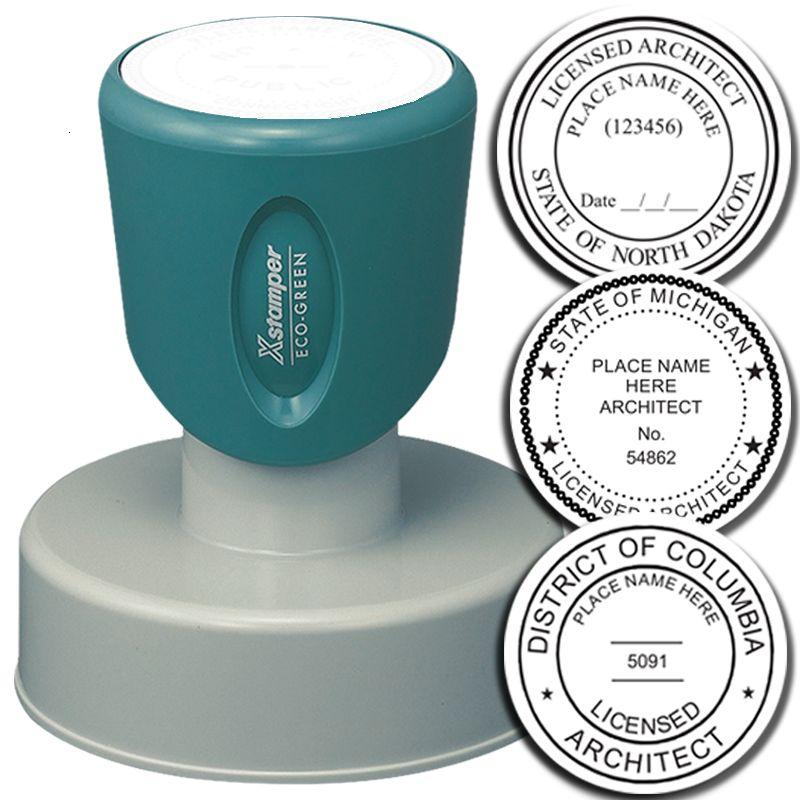
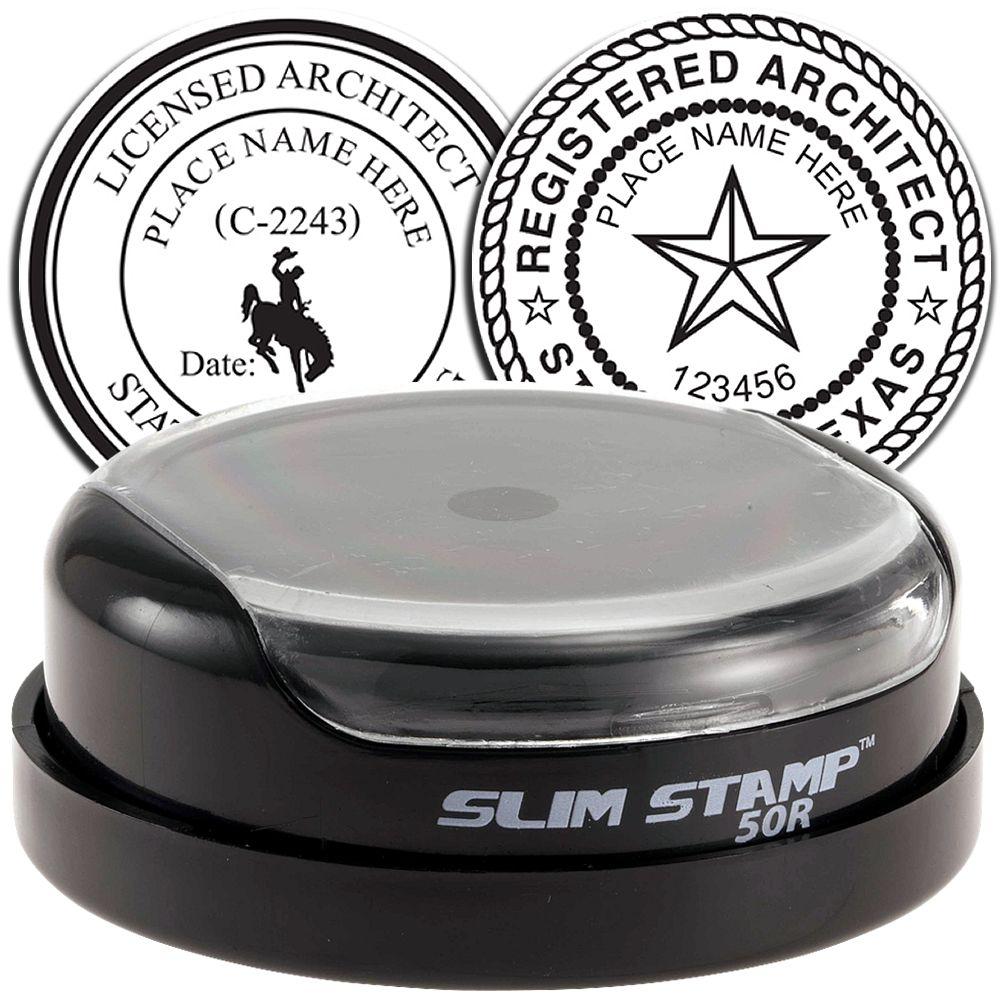
Before you finalize any plans, you’ll need a legitimate way to certify that everything meets local and professional standards. In many states, architects are legally required to use an official seal to sign off on their work. This stamp typically includes your name, license number, and state of registration. It’s your professional thumbprint that says, “I stand behind these calculations, designs, and final drawings.”






Why you need one
- It builds trust for clients, contractors, and regulatory agencies.
- It ensures your project meets or exceeds critical building codes.
- It prevents unauthorized changes by clearly identifying the responsible architect.
If you’re on the hunt for a convenient solution, you can also check out our architect seal stamp. This stamp offers a quick way to authenticate drawings without breaking your stride.
Choose the right seal
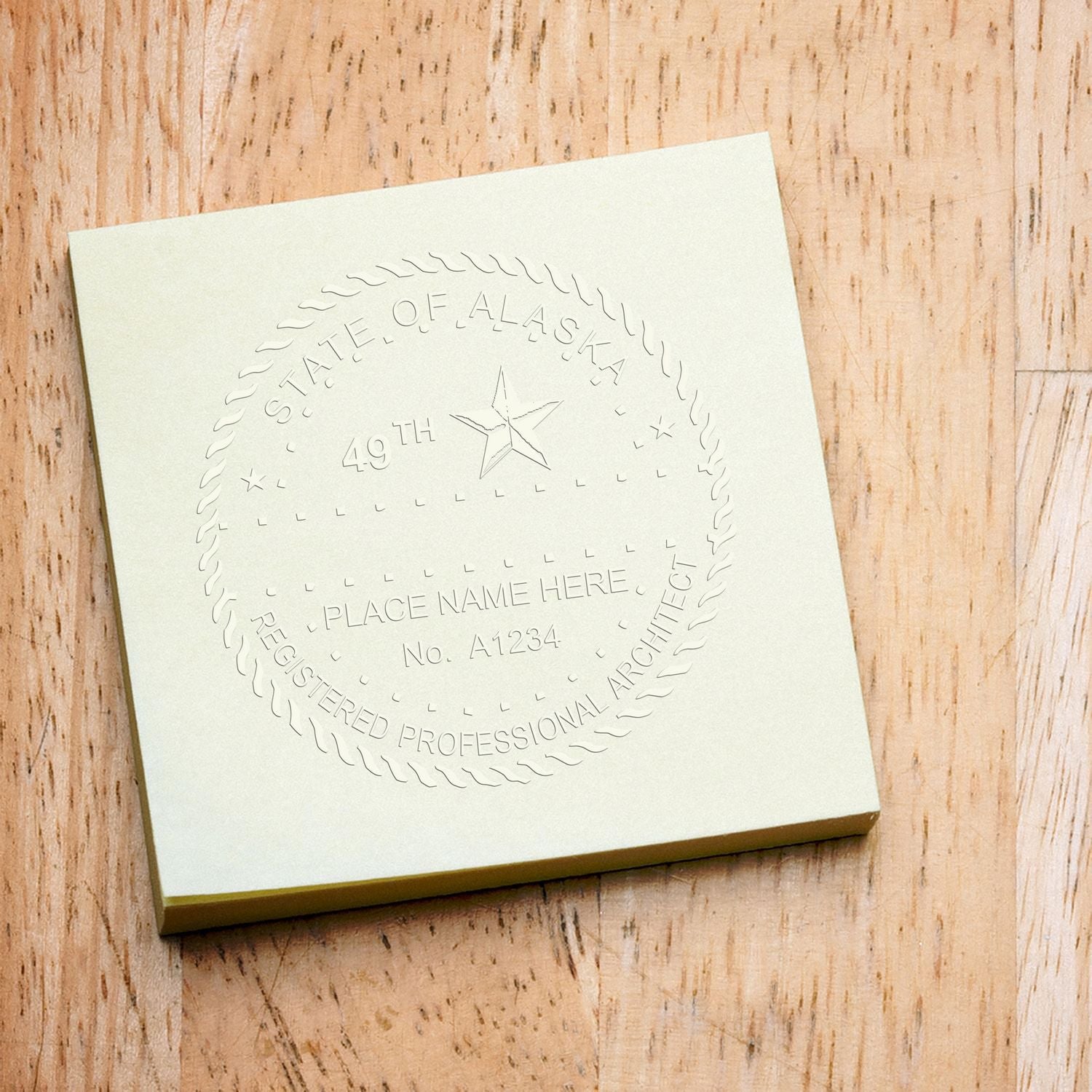
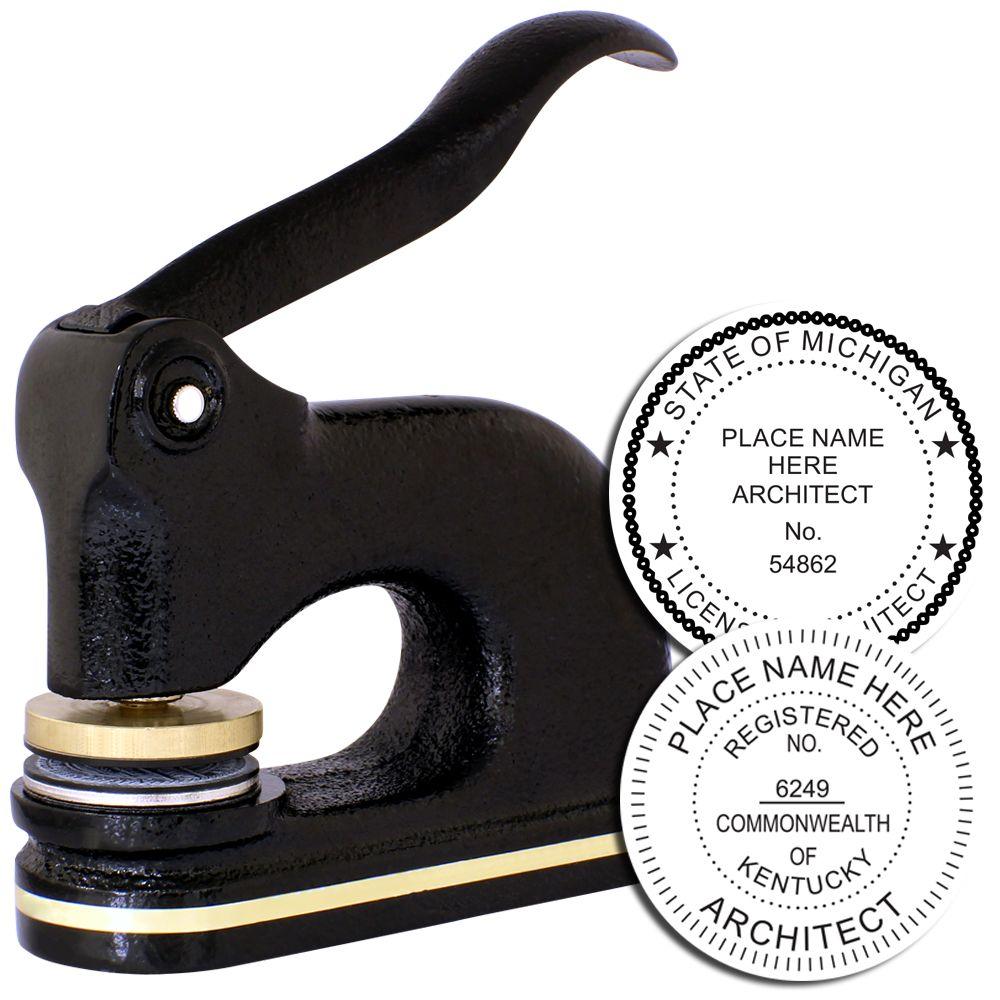
Not all seals are created equal. You’ll want one that’s designed with quality parts, aligns with state regulations, and fits your personal style. The good news is that a proper seal can stand up to repeated use, ensuring each impression is clear and professional.




Material matters
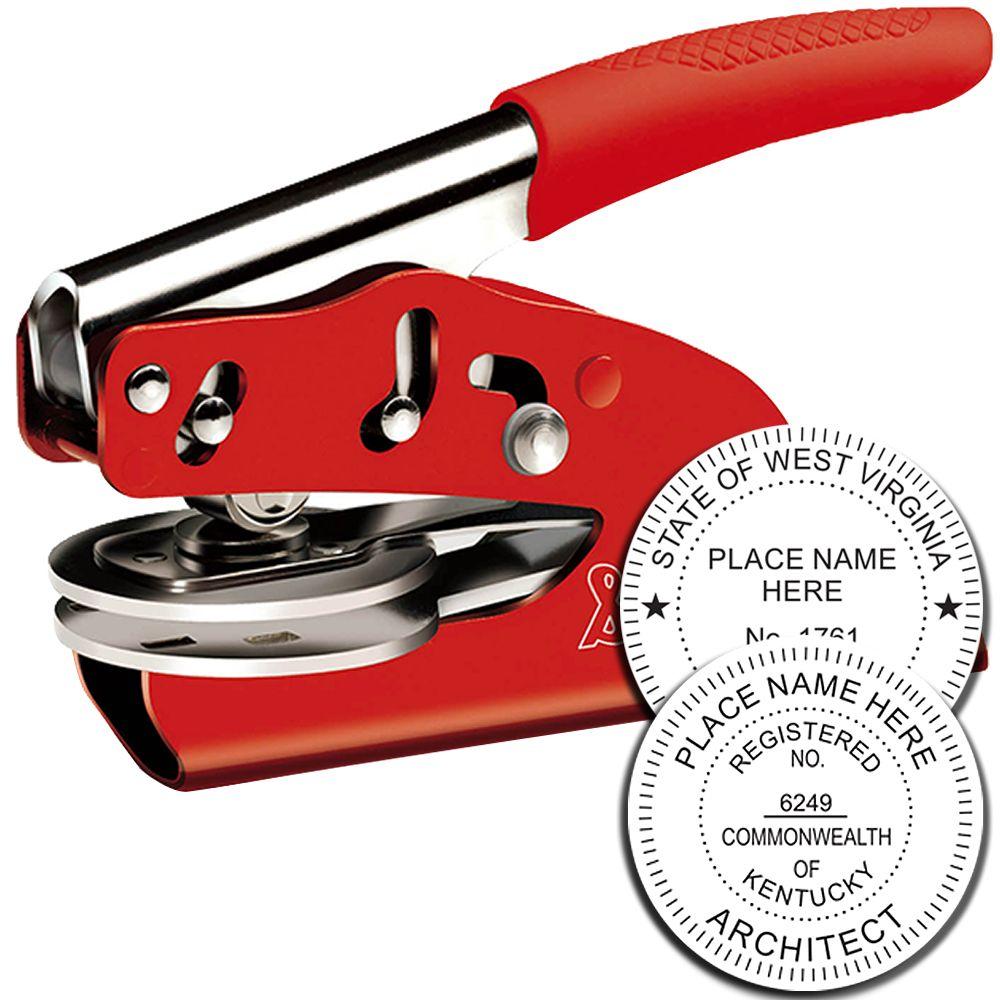
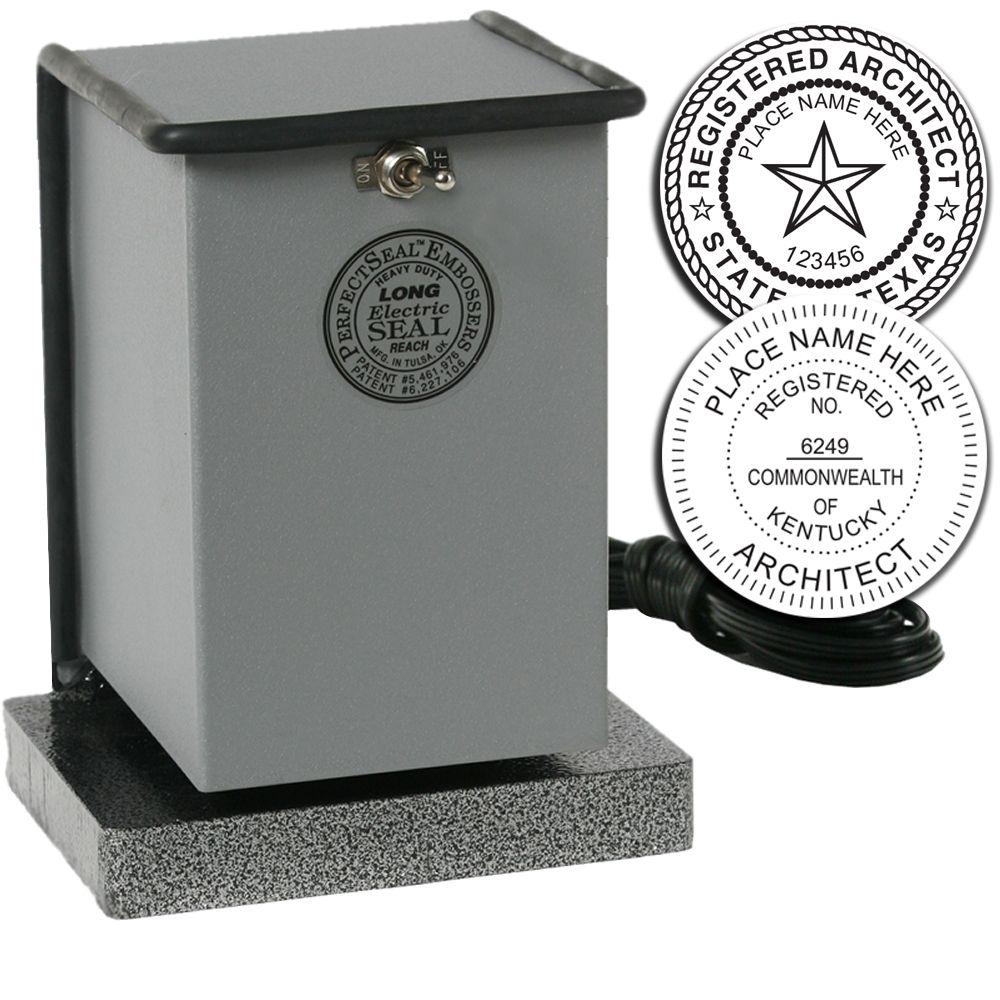
Your seal can come in different materials, from handheld stamps to precision-engraved embossers. Some come in durable metal casings that last for years, while others are made of high-grade plastic. If you’re considering daily stamping on multiple pages, aim for a model that can keep up without smudging or wearing down.
Match your style
Maybe you prefer a self-inking stamp that eliminates messy ink pads, or you like the crisp impression of a classic embosser. Think about whether you’ll be stamping large sets of prints in the office or working on-site. A portable, lightweight option may be your best route if you’re constantly on the move.
State Board requirements
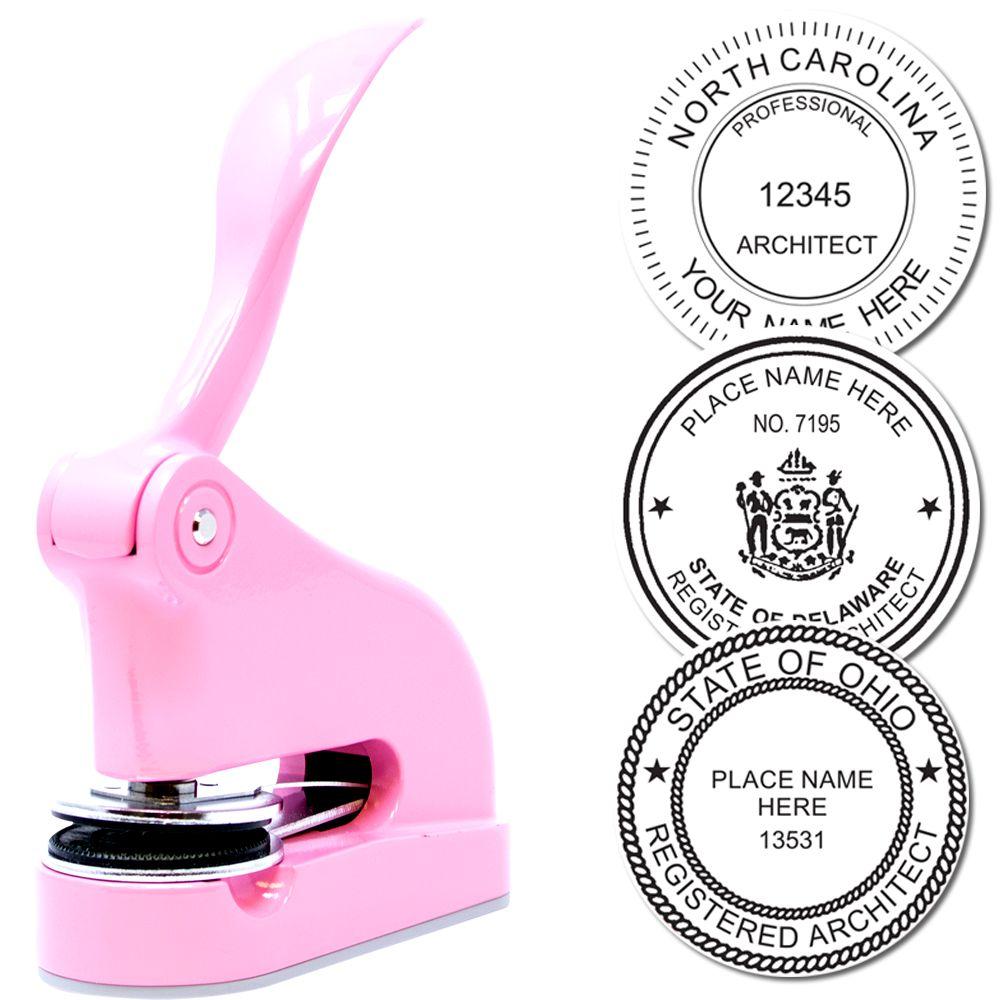
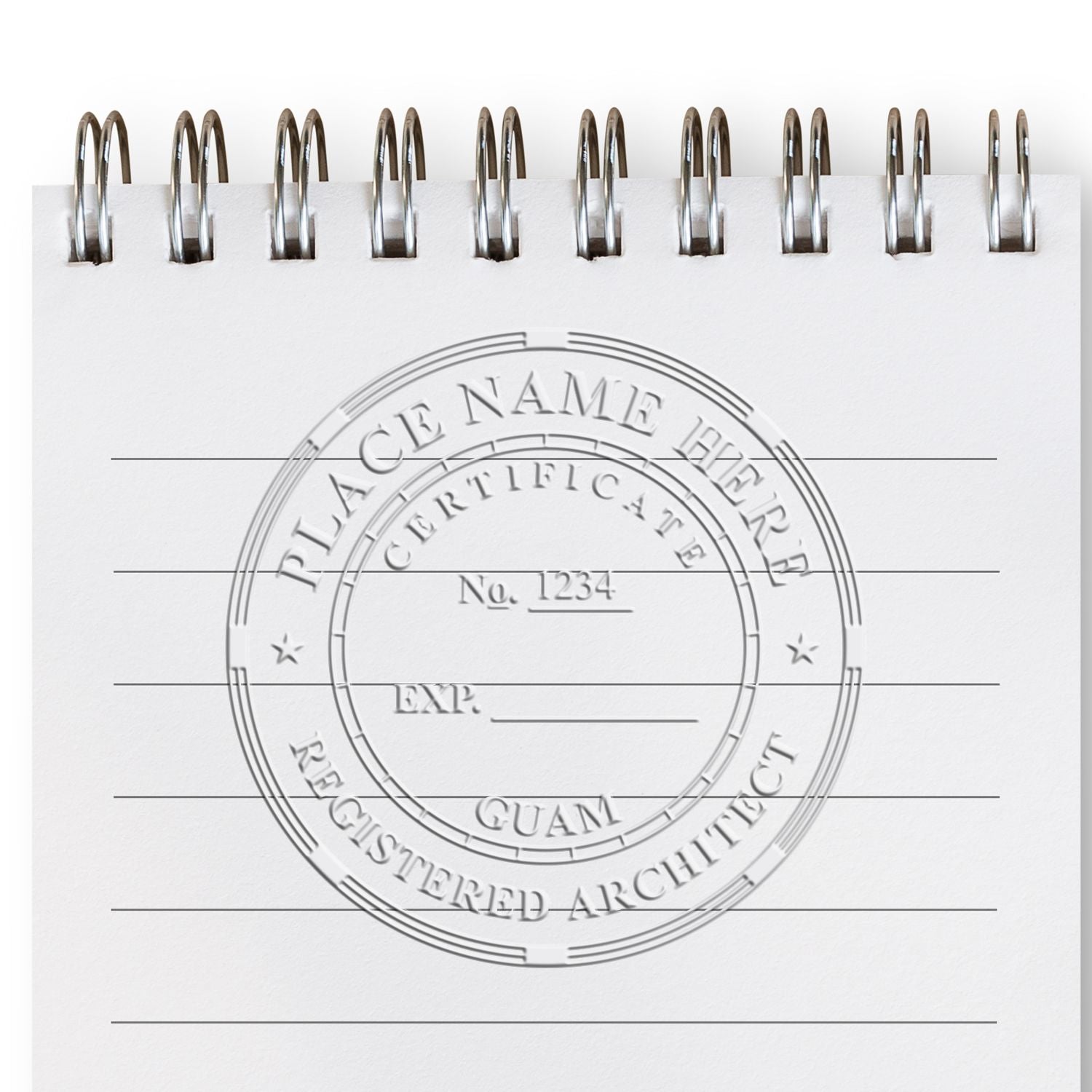
Each state has unique guidelines for architect seals, like specific layouts, text size, and wording. You’ll want to confirm your stamp meets these official standards. At Acorn Sales, we guarantee our seals are State Board Compliant, so you can rest easy knowing you’re in line with regulations. After all, no one wants to face a project delay over a tiny technicality.






Follow compliance tips
Sealing your drawings is a big responsibility. A properly placed seal is a statement that your plans, calculations, and specifications are accurate. But how do you make sure you’re not missing any important steps?
- Always read your Board’s latest regulations. They might update guidelines over time.
- Place the seal in a clear, visible spot, usually near your signature to prevent confusion.
- Keep a supply of embossing plates ready so every mark stays sharp.
Acorn Sales has been proudly serving architects since 1964. We know that quick service is important when your project deadlines are breathing down your neck. With us, you get your seal fast, plus a Free Digital Seal with every stamp purchase, which is super handy for e-submissions.
Summary
On a first building and on a hundredth, a solid seal is a cornerstone of credible architectural plans. It confirms your expertise and helps your clients and local boards trust every detail you present. By choosing a high-quality seal from a reliable provider like Acorn Sales, you’ll meet State Board regulations and ensure your projects stay on track. Think of it as one small stamp that carries a lot of weight.
Ready to put your best foot forward? Make sure your seal meets all requirements, then go ahead and stamp your plans with confidence. You’ve earned it.
Frequently Asked Questions
What is an architect seal for architectural plans?
An architect seal for architectural plans is an official stamp or embossing tool used by licensed architects to authenticate drawings, signifying that the plans were prepared, reviewed, and approved by a qualified professional. It often includes the architect’s name, license number, and state of registration.
Why do architectural plans need to be sealed?
Architectural plans are sealed to confirm authenticity, support permit approvals, and show compliance with state licensing and building code requirements. A proper seal also helps clarify who is responsible for the drawings, which can reduce liability and prevent unauthorized changes.
Are architect seal requirements different in every state?
Yes, architect seal requirements vary by state. Each state board may have specific rules for the seal’s size, layout, wording, and placement. Before ordering or using a seal, architects should always check the latest regulations for their state to ensure compliance.
What is the best type of architect seal stamp for daily use?
The best type of architect seal stamp depends on how often you use it. A self-inking stamp is ideal for frequent, high-volume stamping because it’s fast and clean, while an embosser may be better if you want a crisp raised impression. Many architects choose a durable, state-compliant stamp that matches their workflow.
Where should the architect seal be placed on drawings?
The architect seal should usually be placed in a clear, visible location near the architect’s signature so it is easy to identify and review. The exact placement can depend on your state’s board requirements, so it’s important to follow local guidelines to avoid delays during plan review or permitting.
Can I use a digital architect seal for e-submissions?
Yes, many architects use a digital architect seal for electronic plan submissions, but it must meet the rules set by your state board and local jurisdiction. A digital seal can help speed up e-filing and permit processing, but it should still clearly identify the licensed architect and comply with all required standards.








