
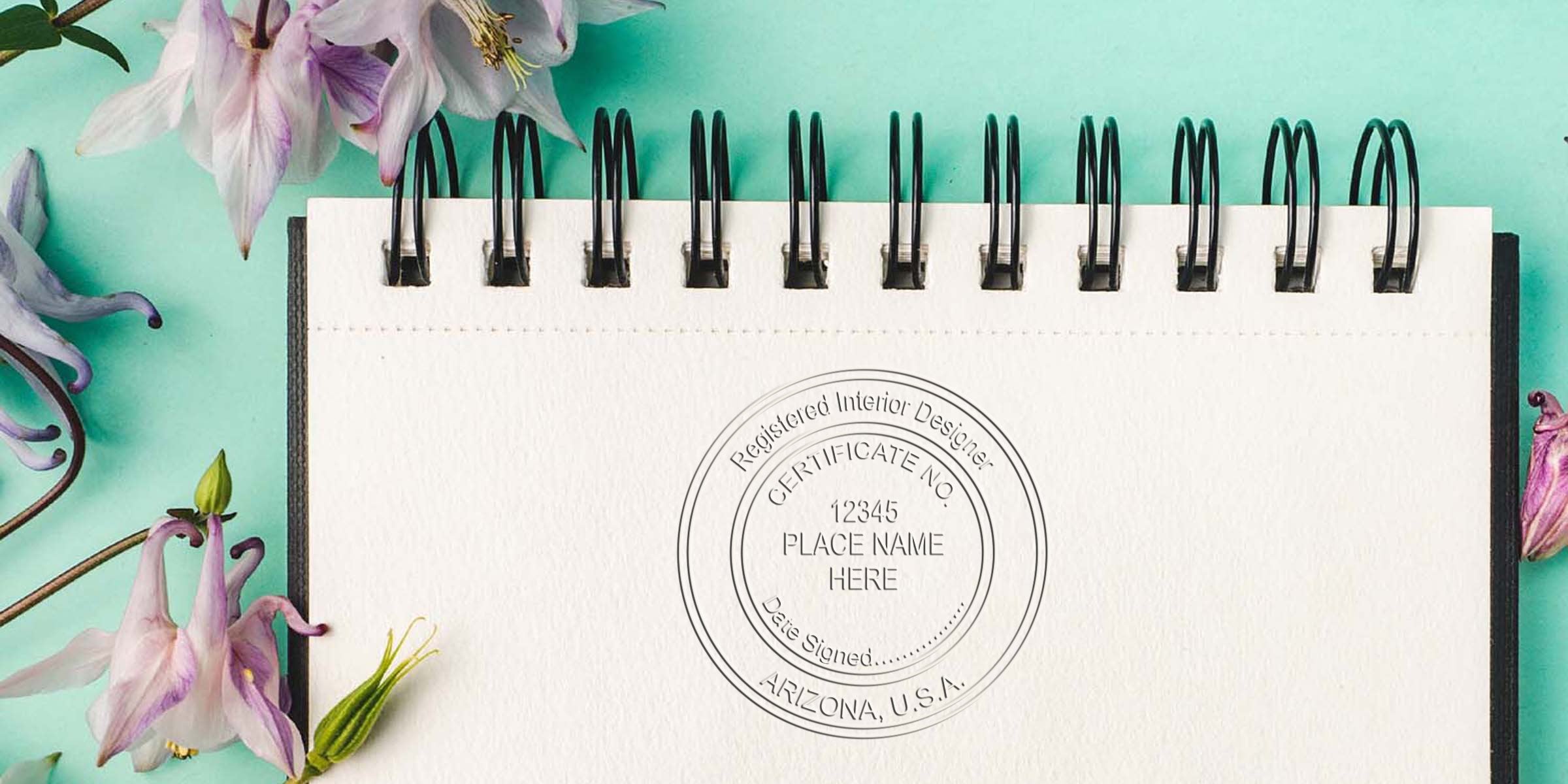
Shopping for an Arizona interior designer stamp online turns into a maze fast. Pre-inked or self-inking? Round or rectangular? And what exactly does Arizona want on the face of it? That last question has a short answer, and it is not the one most pages give you: Arizona wants nothing, because Arizona does not register interior designers at all.
That single fact makes the rest of the decision easier, not harder. Below is what the state actually does, what your stamp should say instead, and how to order one that looks right and lasts.
What Arizona Actually Does
The Arizona State Board of Technical Registration is a real board with real seal rules. Interior design is not one of the credentials it issues. A.R.S. 32-101 sets out the definitions for the whole chapter, and no interior design credential appears in them. The board's seal rule at A.A.C. R4-30-304 governs its registrants, and its signature and dating provisions in R4-30-304(E) reach registrants only.
So there is no Arizona interior designer license number, no state-prescribed layout, and no document anywhere in Arizona that calls for an interior designer's seal. For the citations and the full reading, see Arizona Interior Designer Seal: Five Legends Only.
The Wording to Leave Off
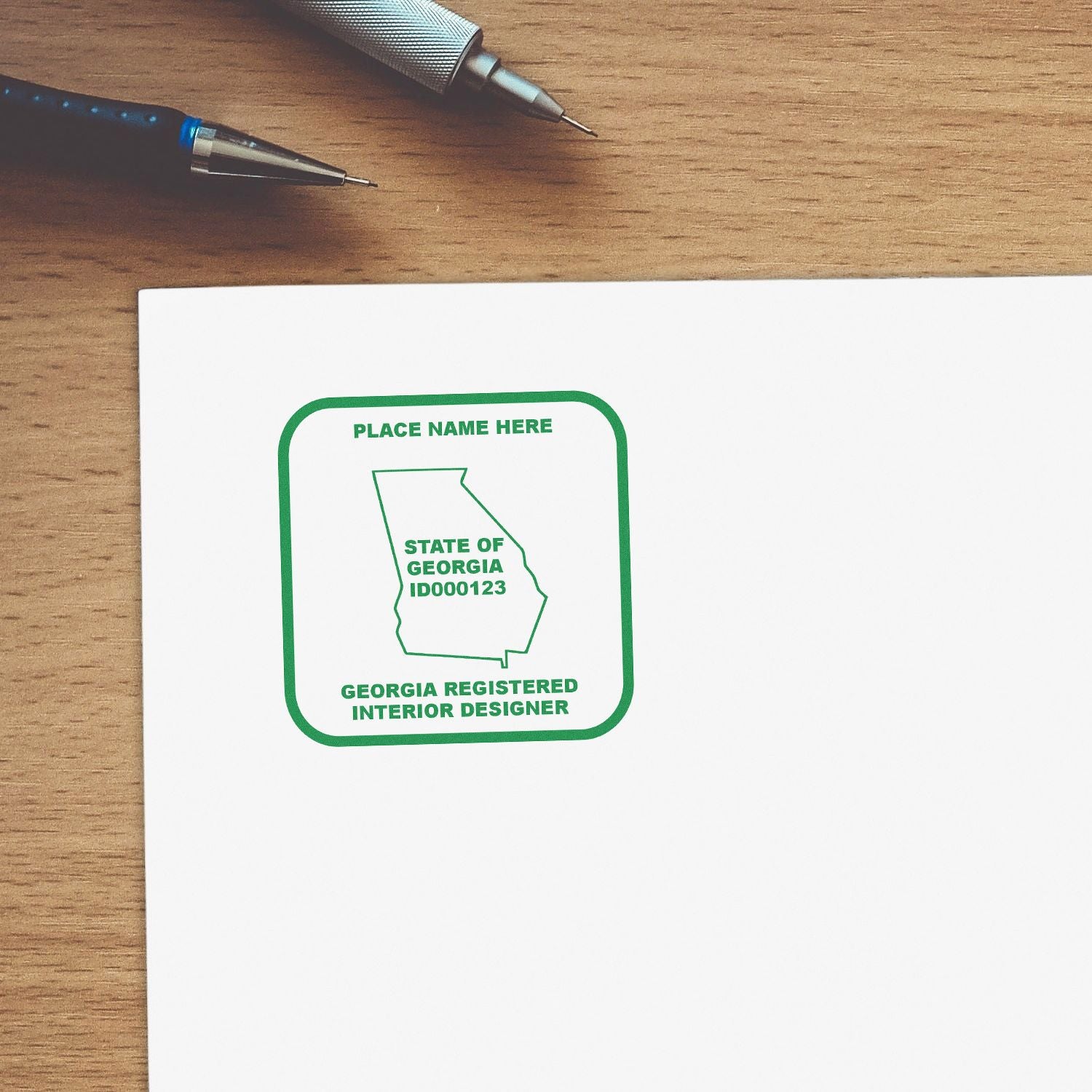
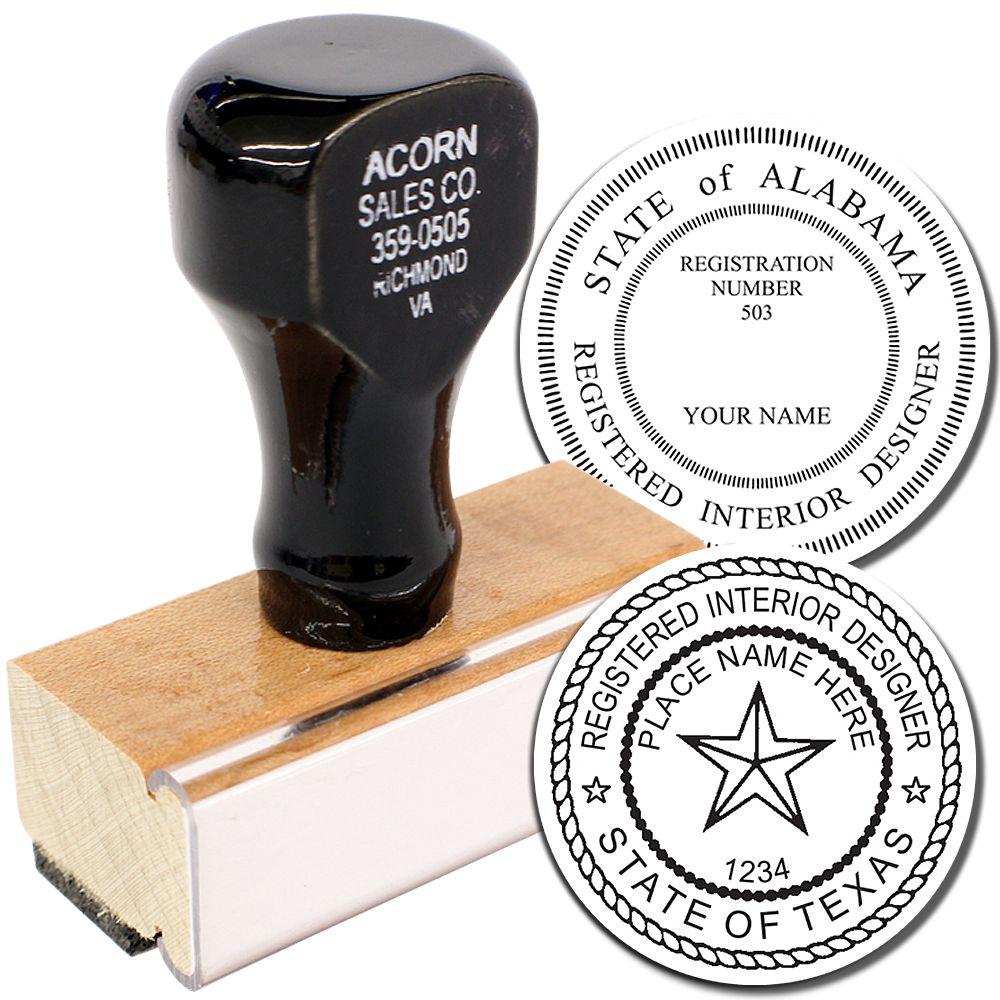
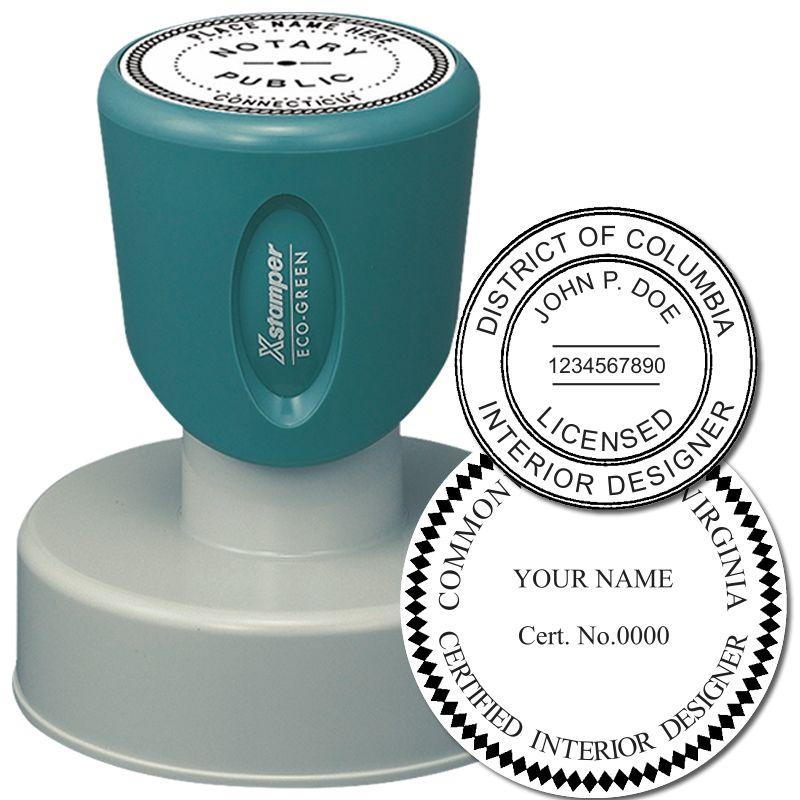
This is the most valuable paragraph on the page, so it gets its own heading. A die reading Registered Interior Designer, State of Arizona claims a credential Arizona does not grant. So does a line with an Arizona registration number on it, because there is no such number to hold. That wording would go out on every page the stamp touches, and it says something the state does not back.
- No "Registered Interior Designer" paired with Arizona.
- No "Licensed Interior Designer" either. Same problem, different word.
- No Arizona license or registration number.
- No "State of Arizona" wrapped around a credential line.
- No words like approved, certified or official, unless a named body actually issued you something by that name.


What to Put on It Instead
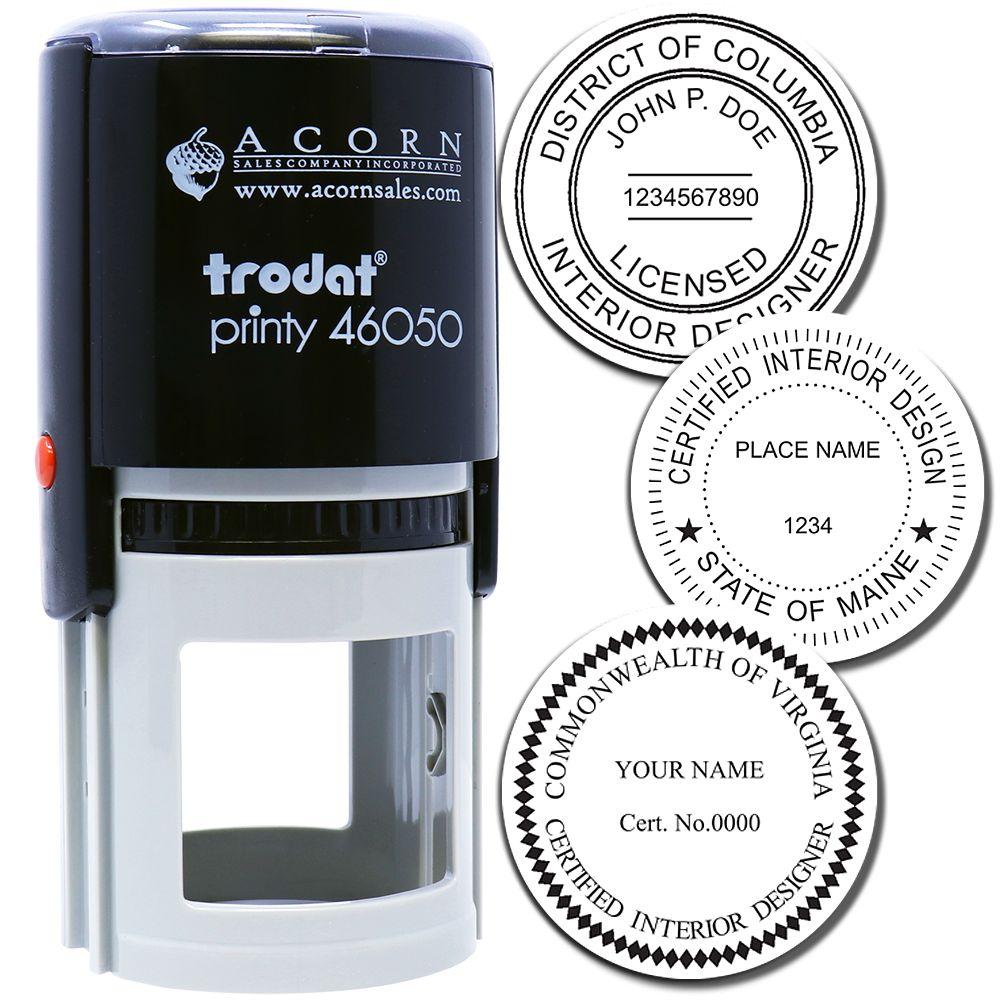
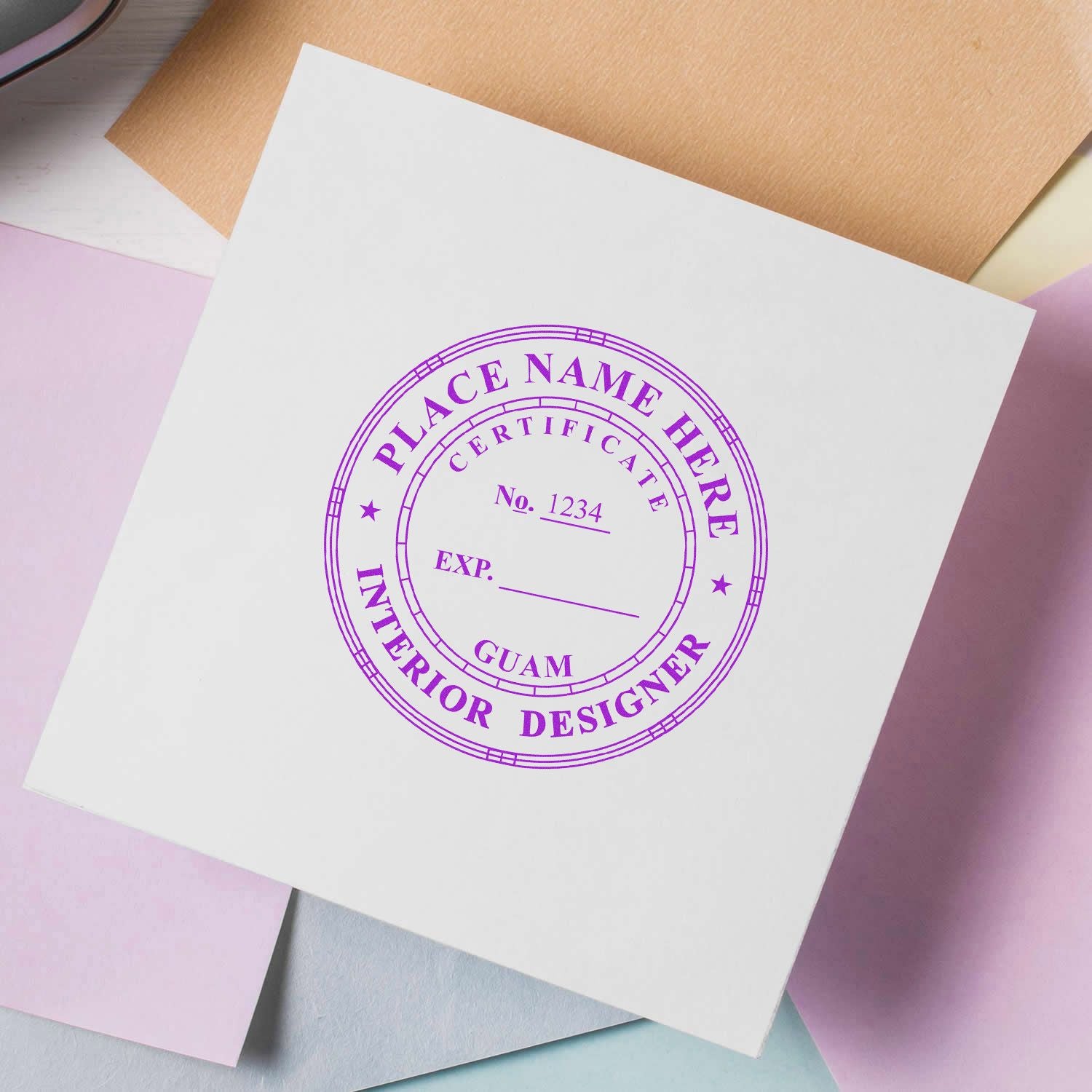
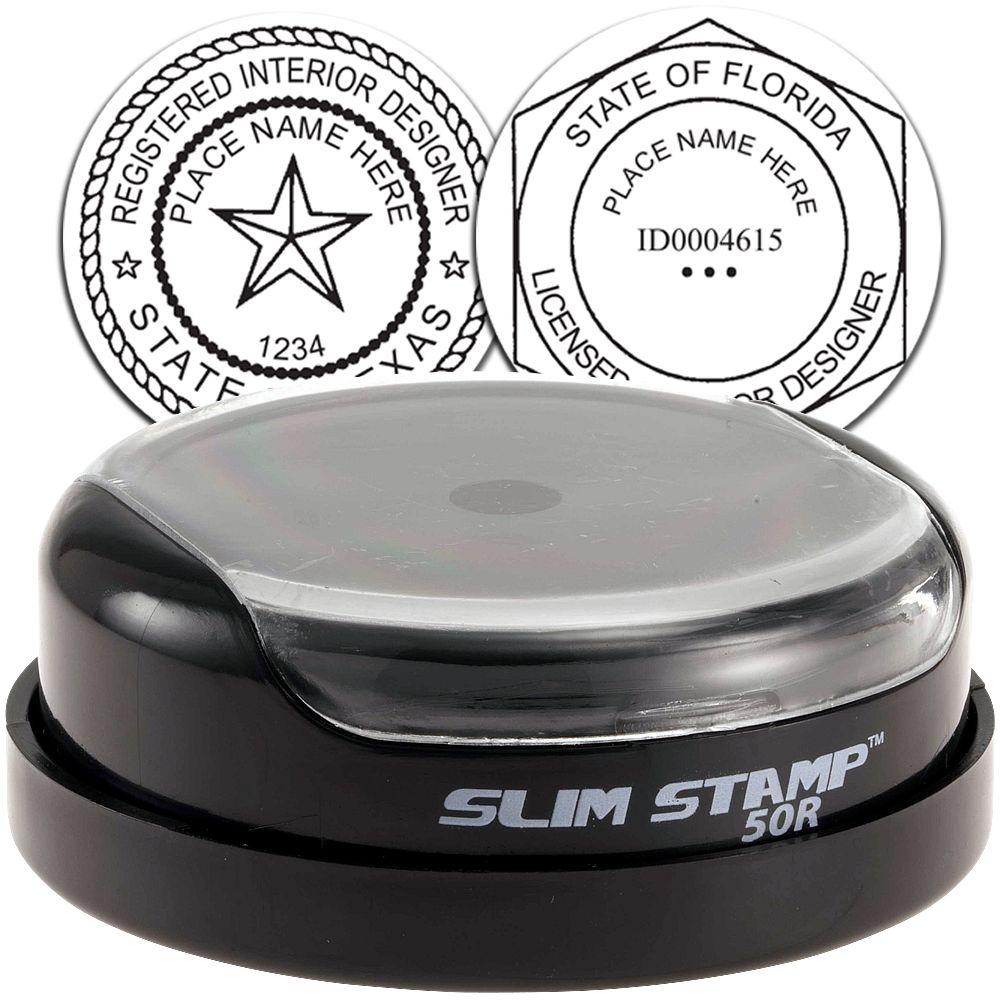
A plain name and business block does everything you actually want a stamp to do, with nothing on it that could be questioned:
- Your name, spelled the way you sign.
- Your firm or studio name.
- Interior Design or Interior Designer as a description of your work, which is a description rather than a state title.
- Your city, or your contact line, if you want the stamp to work as a transmittal mark.
- A credential you actually hold from a national certifying body, printed in that body's exact wording and only while it is current.
If you also hold an Arizona architect registration, that is a separate credential with its own seal rule under the board, and a different device entirely. You can see how those are laid out in the architect stamp range.
Why Buy One at All
Because a mark on a document still does real work, rule or no rule.
- It names the author. A finish schedule or a drawing set gets copied, scanned and passed around. Your name stays on it.
- It finishes the page. A signature alone can read as a scribble. A signature with a clean impression beside it reads as a deliverable.
- It saves fiddling. No rebuilding a graphic in a word processor before every proposal goes out.
- It looks deliberate. On a desk next to two competing proposals, presentation counts.
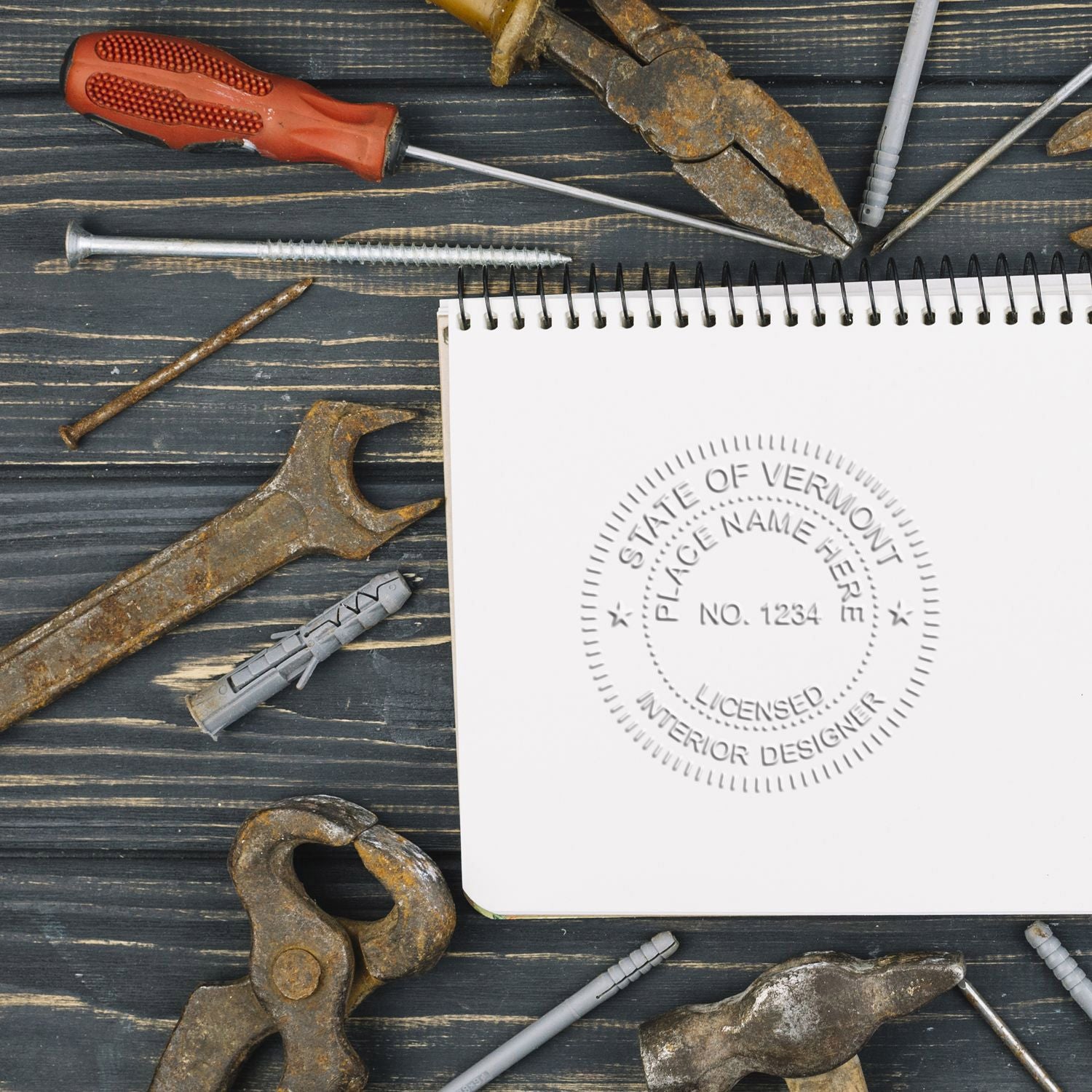


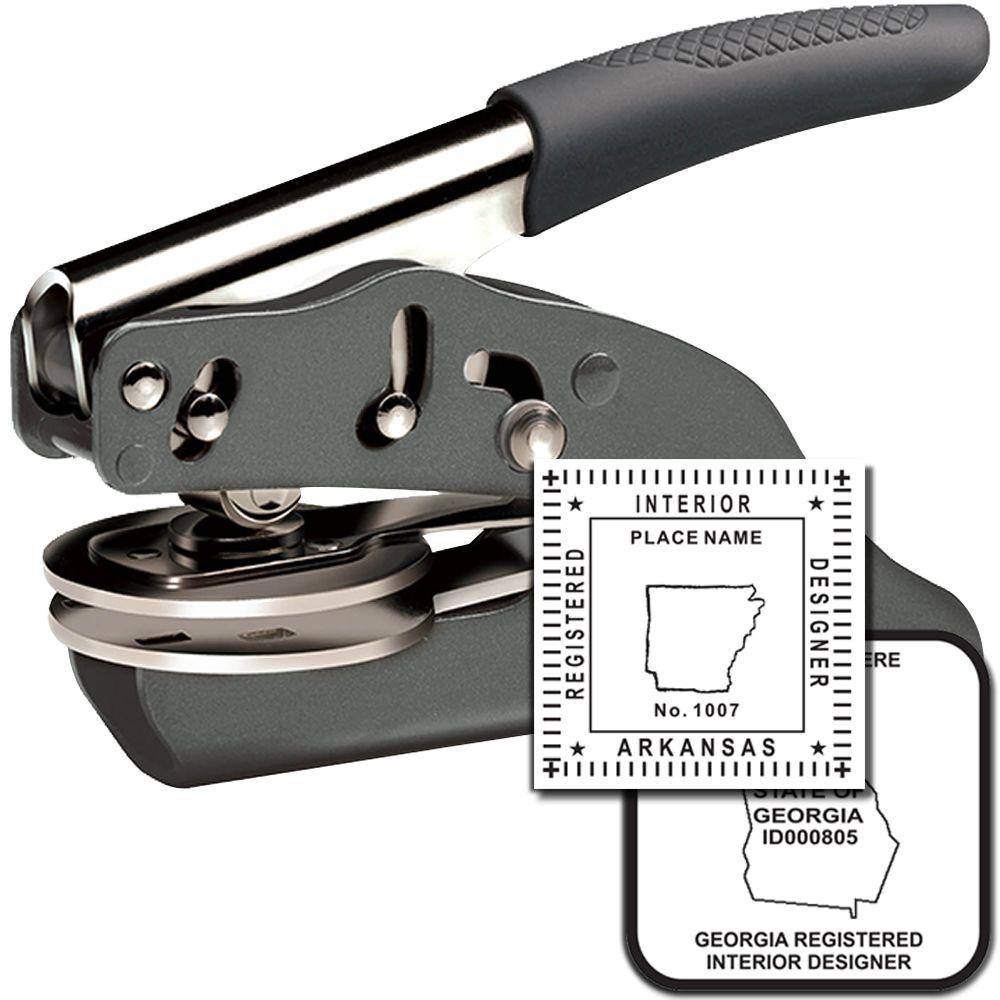
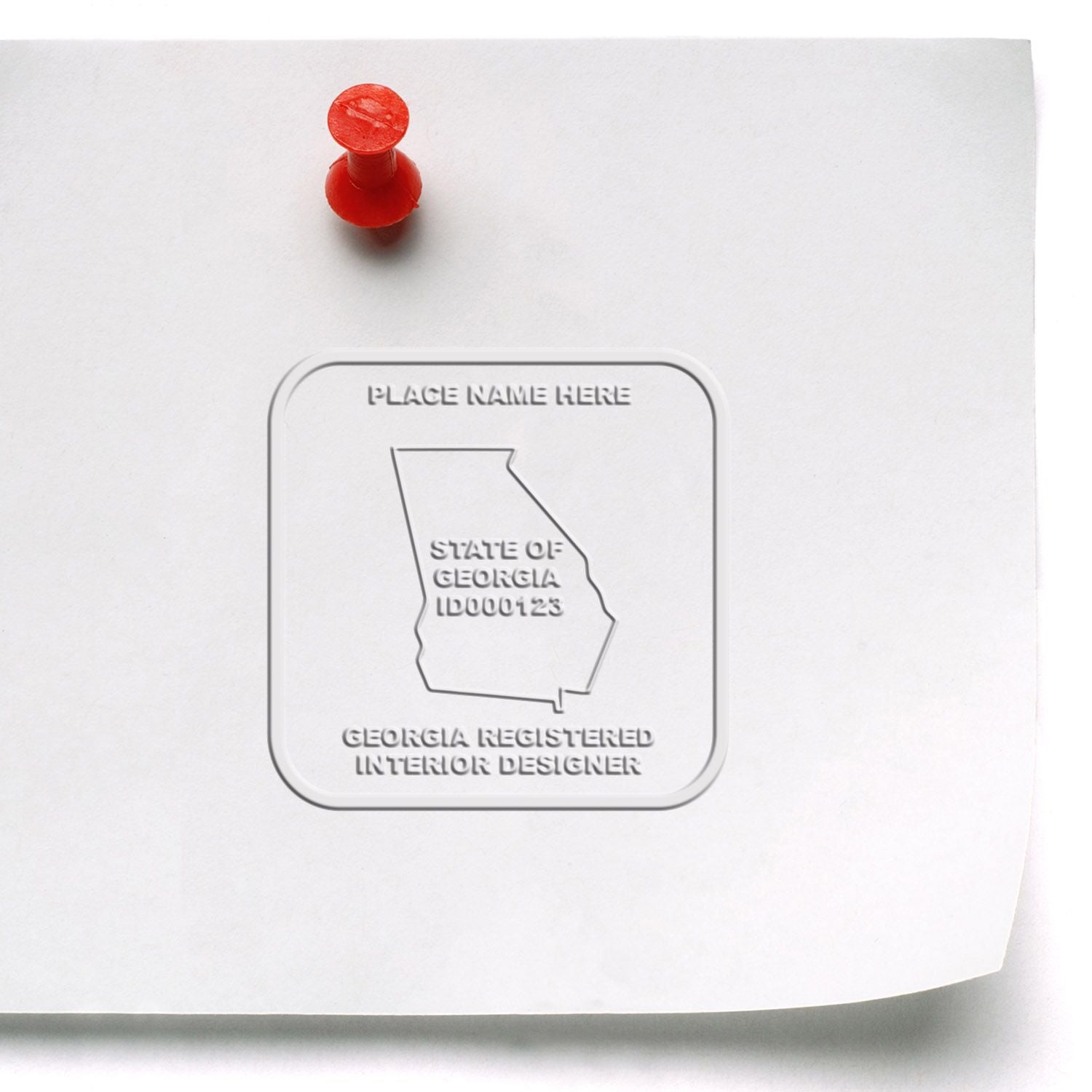
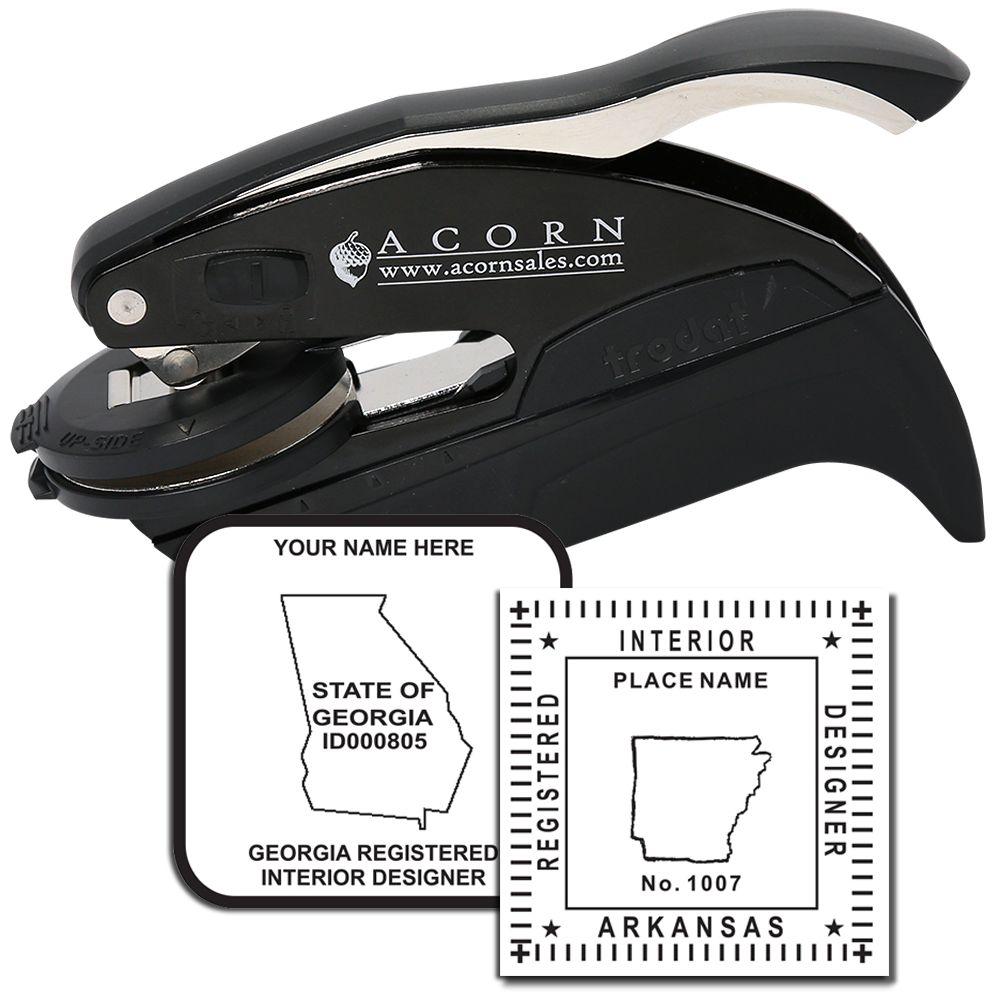

Pick the Right Format
How often you stamp is the question that settles this.
- Rubber hand stamp. Needs a separate ink pad. The most affordable device, sensible for occasional use.
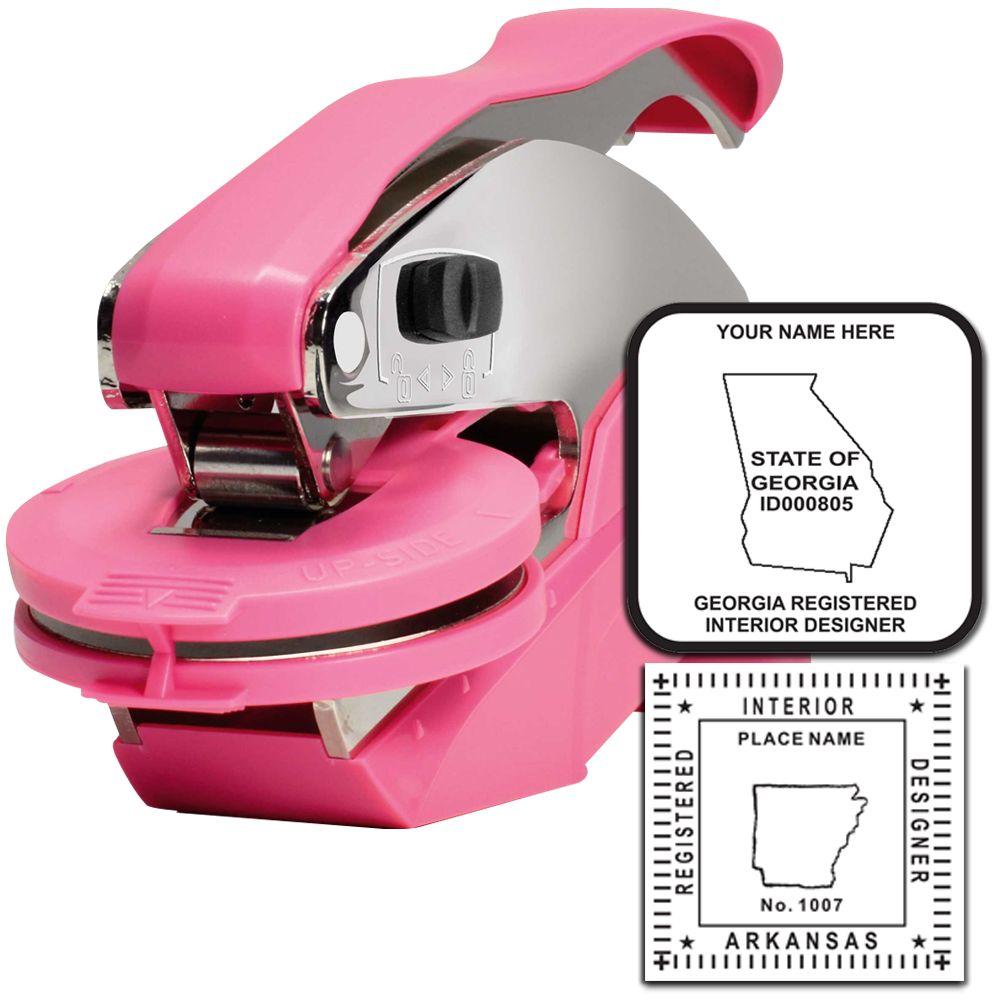
- Self-inking. The die flips onto a built-in pad between impressions. Quick and tidy for regular use.
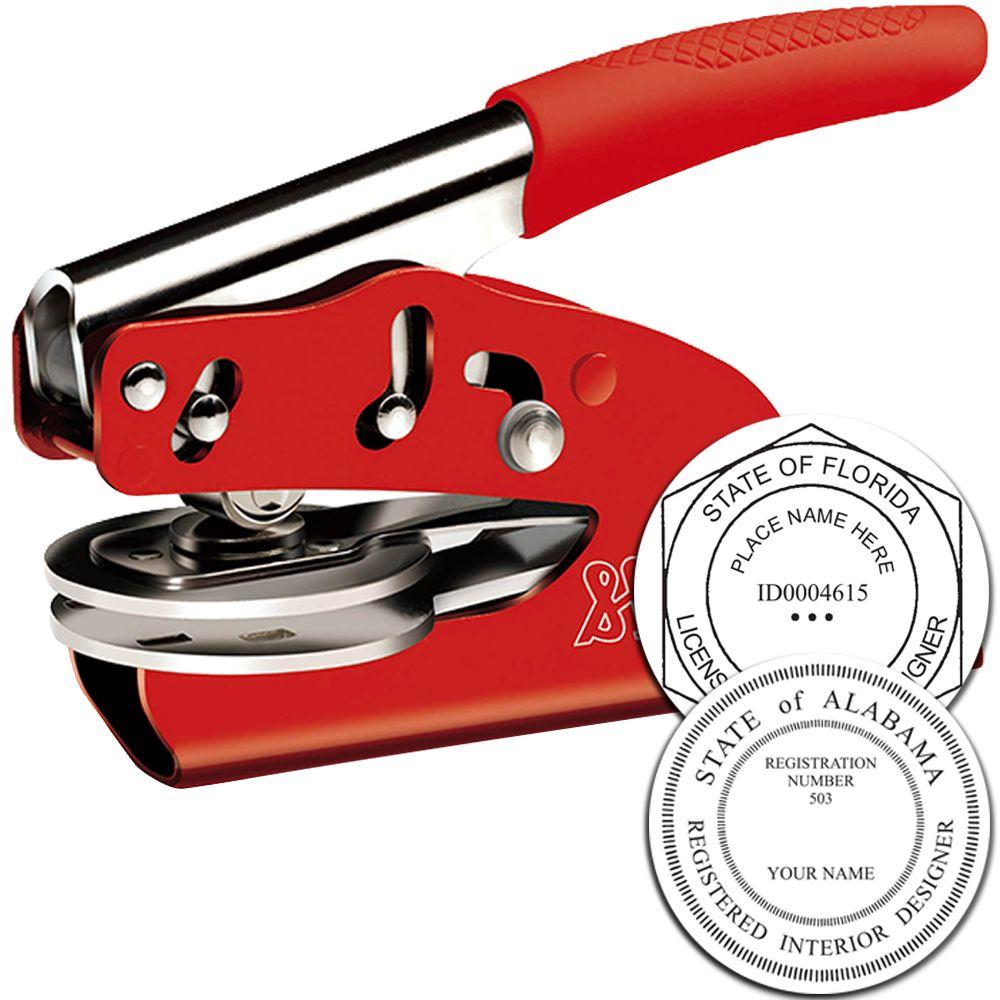
- Pre-inked. Ink sits inside the die, giving the densest, sharpest impression and holding fine text well.
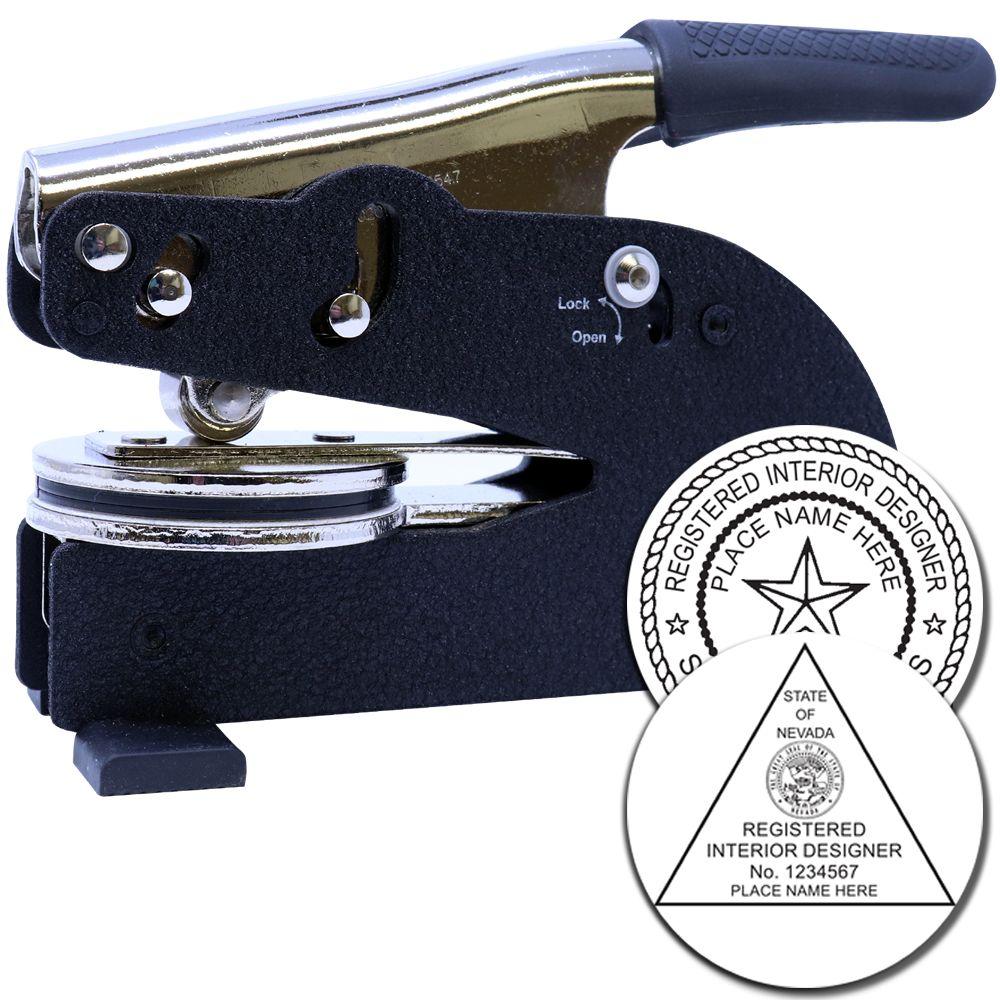
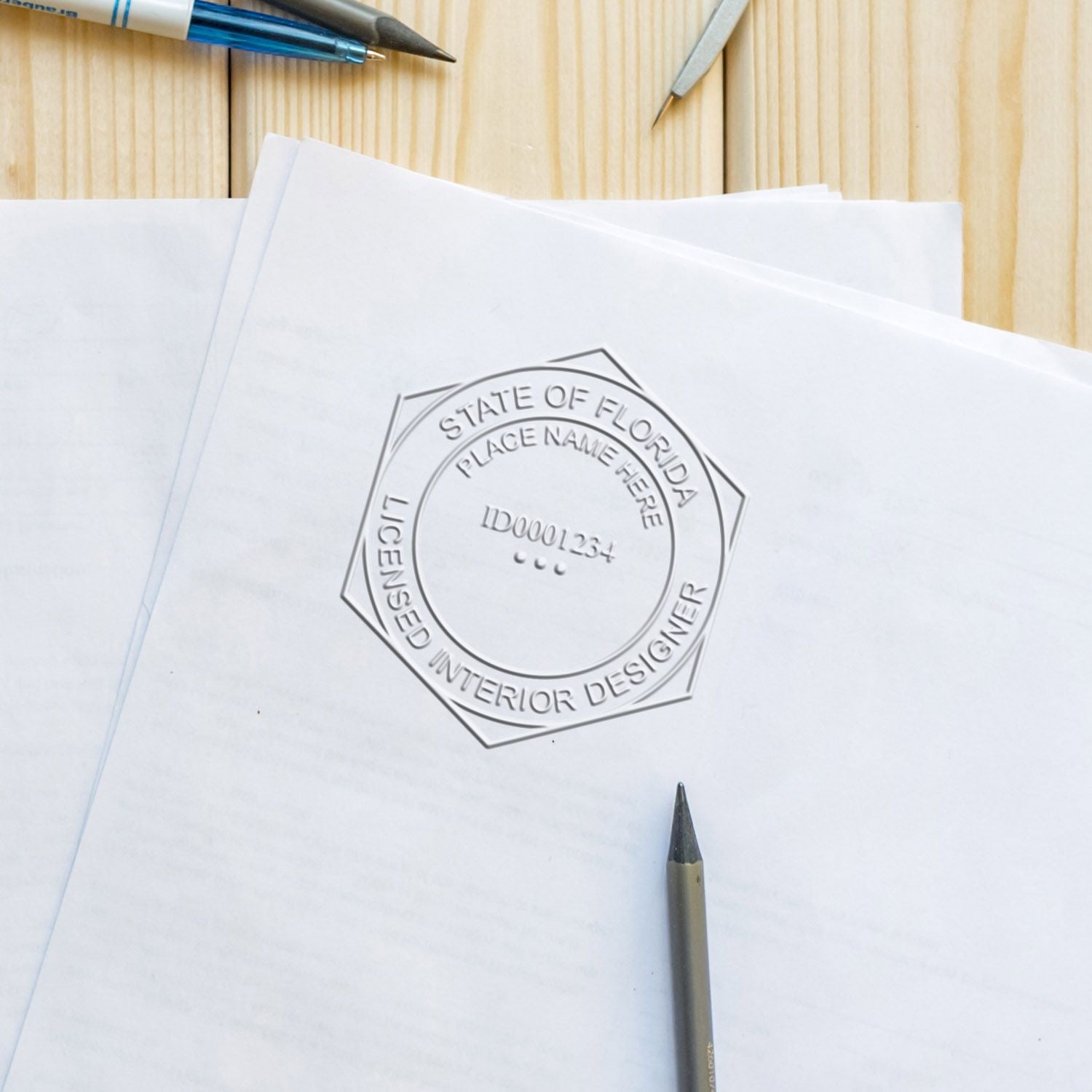
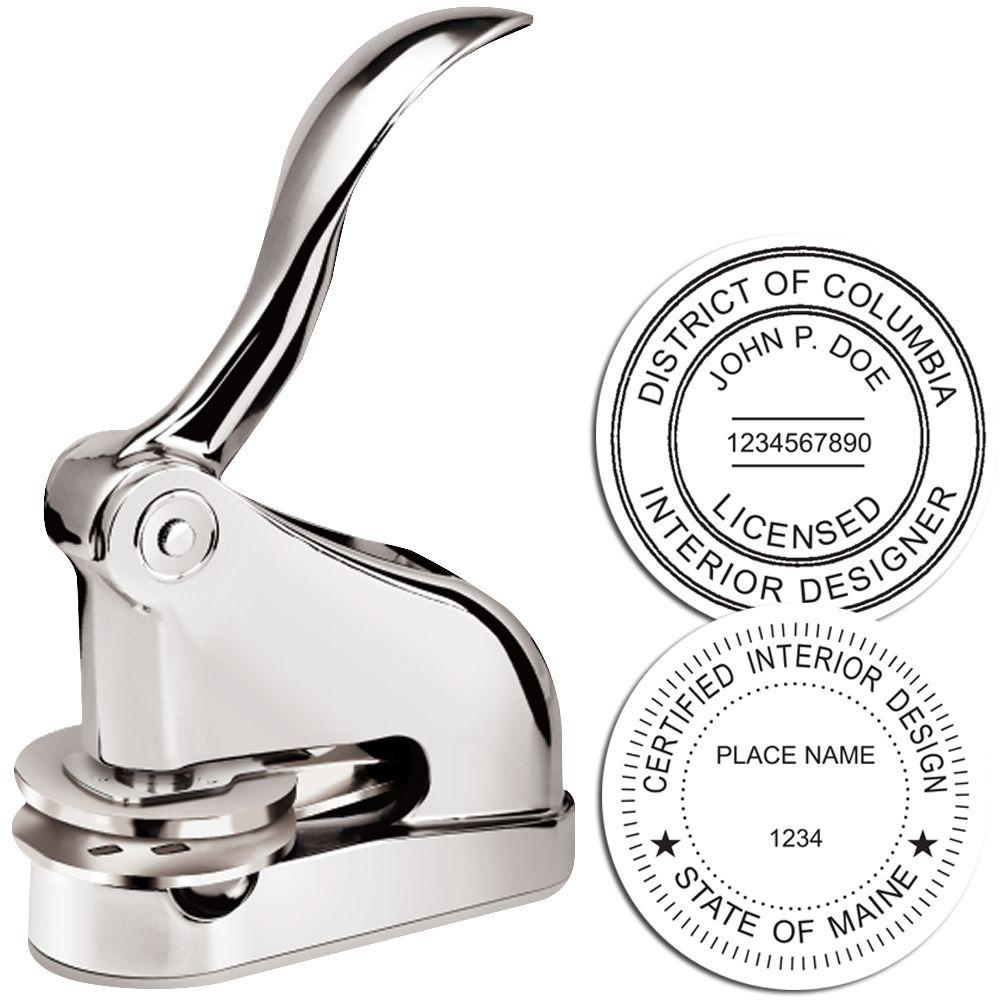
- Embosser. A raised impression with no ink at all. It cannot smear, and it looks handsome on a proposal cover or a client copy.
Keep It Legible
Clarity matters more here than styling. Plans and drawings get read by clients and contractors under bad lighting and after three generations of photocopying.
- Set the font size for the device you are buying, not for the proof on your screen.
- Pick a simple, open typeface.
- Leave breathing room around the text so the ring does not fill in with ink.
- Choose a diameter that fits the corner of the sheets you use most.
Round is the familiar look, but nothing in Arizona restricts you to it. Rectangular and oval layouts are common for a name and business block, and they often read better because straight lines of text are easier to set.



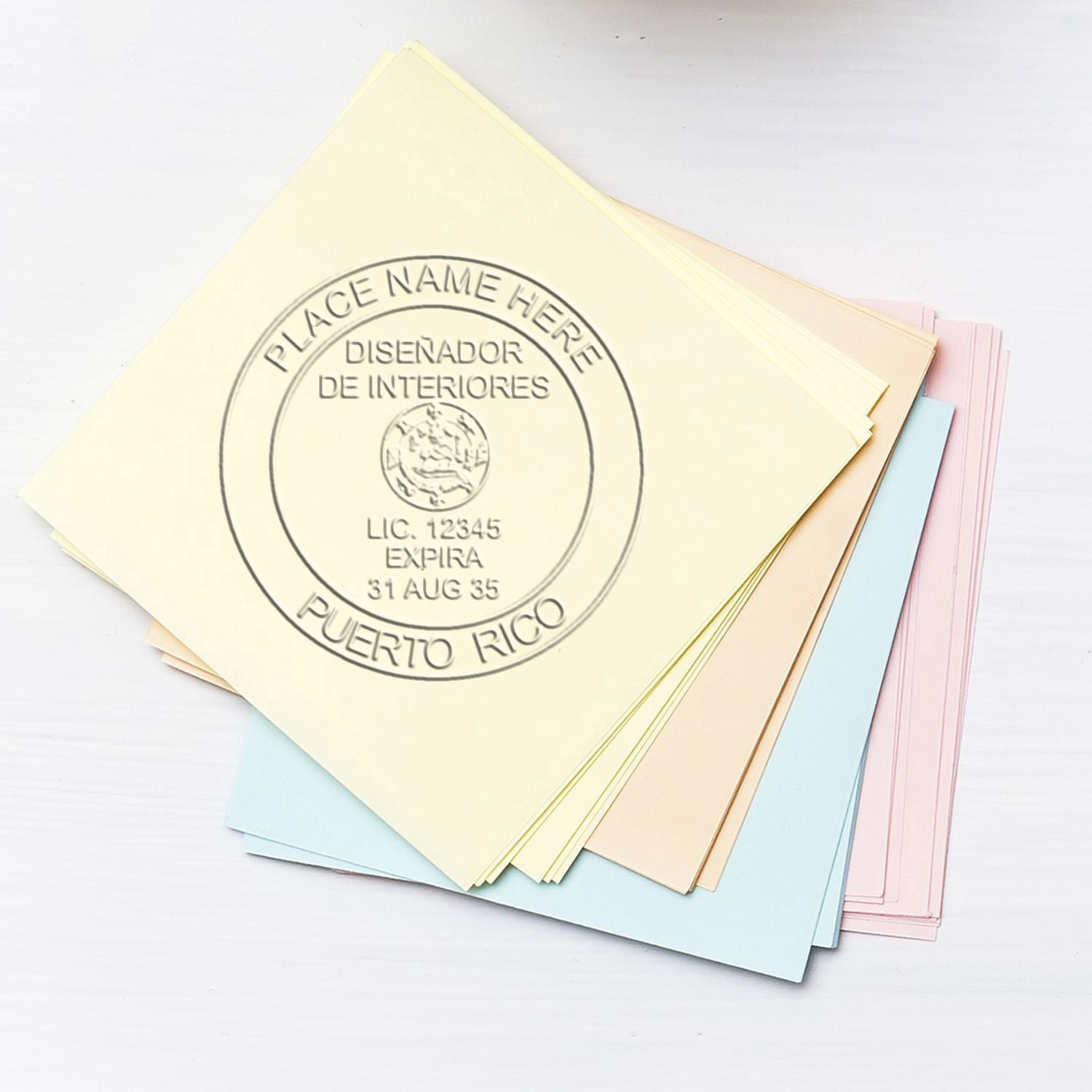
Find a Supplier Who Proofs Your Work
Since no board is checking your artwork, the proof stage is the only place an error gets caught. A supplier who sends one, and who will tell you when a line of text will not read at the size you chose, is worth more than a few dollars off the sticker.
Acorn Sales has been making professional stamps and seals for over 60 years. The device comes back the way you sent it, the materials hold fine detail rather than closing up after a few hundred impressions, and a free electronic stamp is included with every order so you have the same artwork for PDFs. If you want your wording looked over before anything is manufactured, contact us with the text you have in mind.
Finalize Your Order
- Proofread everything. Your name, your firm name and any credential line, character by character.
- Confirm what the wording claims. Every line should be something you can back up.
- Ask for the mock-up if one is not offered automatically.
- Check the lead time against your deadline before you pay for speed you do not need.
When the stamp arrives, take a few impressions on scrap paper. Look for even ink coverage and letters that have not filled in. Then save a clean scan of the impression alongside your electronic file, so you have a reference copy of exactly what your mark looks like.
That is the whole exercise. Arizona asks nothing of you here, which means the only standard your stamp has to meet is being accurate about who you are and legible on the page. Get those two right and you have a mark worth putting on your work.
Frequently Asked Questions
Does Arizona Require Interior Designers to Have a Stamp?
No. Arizona does not license, register or certify interior designers. A.R.S. 32-101 contains no interior design credential, and no Arizona document calls for an interior designer's seal. Designers order a stamp because an impression beside a signature identifies the author and makes proposals and drawing sets look finished.
Can My Stamp Say Registered Interior Designer?
Not alongside Arizona, no. Arizona grants no such title, so a die reading Registered Interior Designer, State of Arizona would assert a credential that does not exist here. A plain name and business block, or a national certification printed in that body's exact wording, keeps every line on the stamp true.
What Is the Difference Between a Stamp and a Seal?
The words often get used to mean the same thing. A stamp usually means an ink impression, a seal can also mean an embossed or digital one. Since Arizona prescribes no layout for interior designers, neither form has a state standard to meet, and the choice comes down to how the document is delivered.
Why Buy From Acorn Sales?
Over 60 years of making professional stamps and seals, a layout proof before production, hardware that holds a clean impression, and a free electronic stamp with every order for digital drawings and submissions.








