
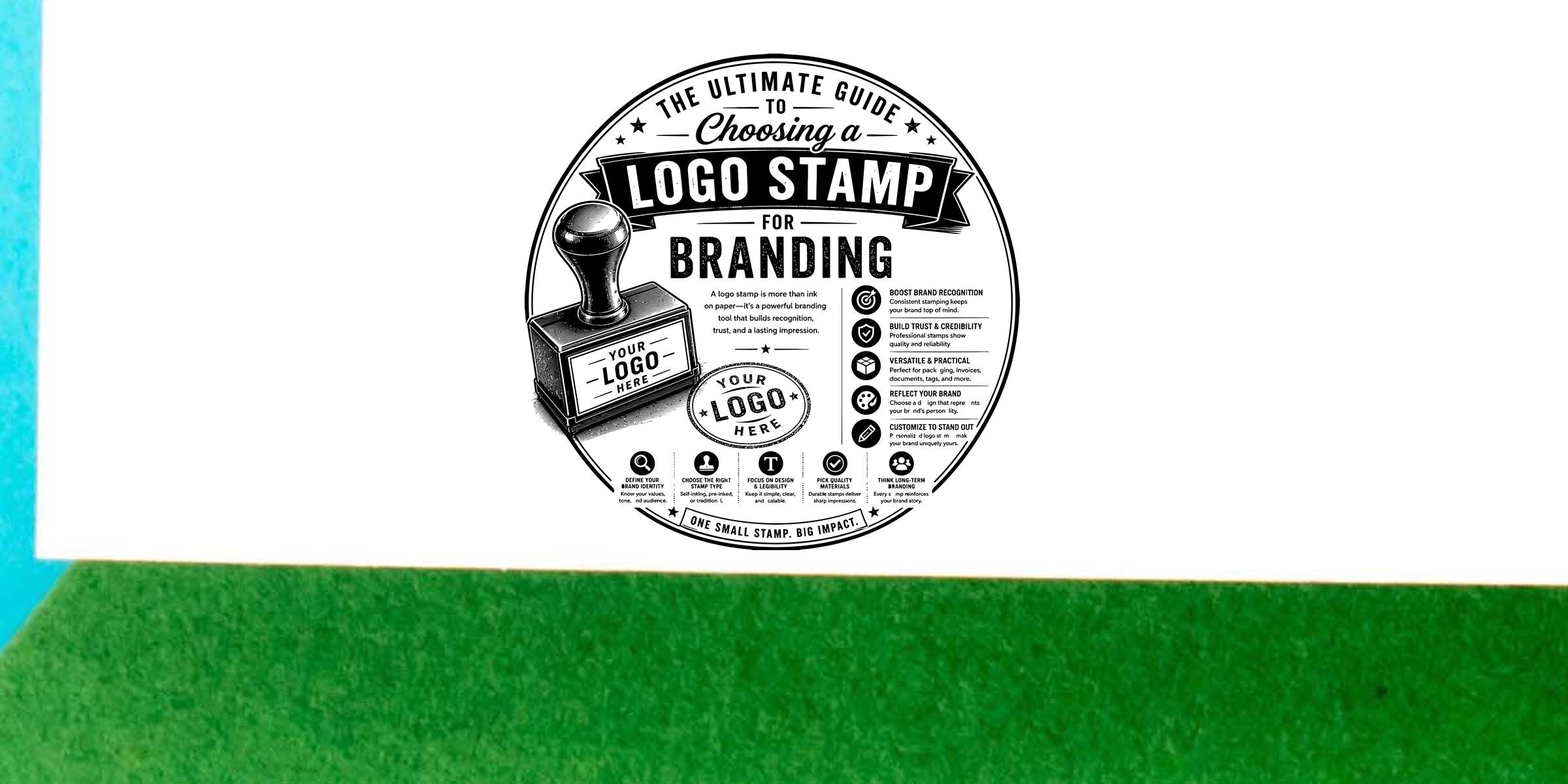
Have you ever wondered if a single tool could instantly inject your brand’s personality into packaging, stationery, and even everyday paperwork? That’s where a logo stamp for branding purposes steps in. Whether you’re a small startup or running an established enterprise, having a customized stamp makes your brand more recognizable and memorable, without costing a fortune. A thoughtfully designed logo stamp also saves time, keeps your brand consistent, and adds a personal touch to whatever you’re working on. But how do you choose the perfect stamp? Let’s walk through all the key considerations, from selecting materials to avoiding common pitfalls, so you can feel confident in your final choice.
Understand the Benefits
Before you dive into the nitty-gritty details of fonts, sizes, and stamp types, it helps to understand why a logo stamp is such a powerful branding accessory. By using a customized stamp for your business cards, merchandise, or even invoices, you’re effectively broadcasting what your company stands for each time your logo appears.
Reinforce Brand Identity
Think of every item your customers or partners handle: shipping boxes, loyalty cards, letterheads, or receipts. When everything carries your unique stamp, your brand becomes instantly recognizable. Instead of placing an expensive sticker or printing large batches of branded materials, you can quickly stamp your logo. This consistent exposure is like layering your message, so people see it, remember it, and start to associate it with your products or services.
Offer a Personal Touch
It’s easy to default to generic labels or plain packaging, but that doesn’t quite spark excitement. A crisp stamp imprint adds flair, as if you personally signed off on the product. In a sense, you’re telling each client, “We value you enough to give a customized brand experience.” This small gesture can build stronger customer relationships, especially if you’re looking to stand out in a busy marketplace.
Save Time and Money
Branded materials can be costly, especially if you constantly need new packaging or business cards. With a custom logo stamp, you can transform plain bags, boxes, or stationery into something special. That means fewer design expenses, less reliance on large print runs, and more spontaneity in how you brand your items. If you’re running a pop-up shop or want to add your mark to a last-minute mailing, grabbing your stamp is both faster and cheaper than ordering new prints.
Choose the Right Stamp Material
There’s no one-size-fits-all solution for a logo stamp. Different stamp types and materials work best in different scenarios. Knowing what the market offers helps you narrow your choices and pinpoint what suits your brand’s style, budget, and usage needs.
Rubber vs. Self-Inking
Most custom stamps for branding fall into two main categories: classic rubber stamps or modern self-inking designs. Rubber stamps require a separate ink pad, but they can be more flexible in terms of size and shape. A rubber stamp also allows you to vary ink colors easily by switching pads. Self-inking stamps include a built-in ink pad, making them super convenient for repetitive tasks. You simply press down, and your brand’s imprint appears, making them a great choice if speed and simplicity matter to you.
Wood, Acrylic, or Plastic Mounts
Logo stamps come mounted on different materials. Traditional wooden mounts have a nostalgic, artisanal feel, while acrylic or plastic mounts often have guiding handles that help line up your stamp just right. Wooden handles might be slightly heavier, but they have an attractive vintage aesthetic. Acrylic or plastic mounts, on the other hand, can show you exactly where your stamp borders lie, which is helpful for precise placement on smaller surfaces (like loyalty cards).
Size Considerations
Go too large, and your logo may take over every surface, which can feel cluttered. Go too small, and your design details can blur. Think about where you’ll use the stamp most often. Will it go on envelopes? Business cards? Packaging boxes? Measure the most common surface area, then ensure your stamp is sized to leave a bit of margin. That way, your logo stands out but doesn’t overwhelm the item.
Design Your Logo Stamp
Once you’ve pinned down the stamp type, mount material, and size, your next step is to finalize the design. A well-designed stamp not only impresses your audience but also ensures your message stays consistent across various surfaces.
Simplify for Clarity
A stamp imprint isn’t as high-res as a digital print, so the simpler the design, the better. Fine lines and tiny text could turn into blurry smudges. Instead, opt for clean shapes, clear contrast, and minimal extra details. If your original branding is intricate, consider a slightly stripped-down version of your logo for stamping. Your audience should be able to recognize your brand at a glance.
Choose the Right Font
Fonts with complexity or thin strokes may not reproduce well with ink. You want a typeface that stands strong whether you use a light or dark color. Bold sans serifs or clean serifs typically do well. Small, cursive styles can work if they’re sized correctly, but always test them to ensure they remain legible when stamped on your preferred materials.
Use Color Strategically
Although black is a popular choice for stamping, you’re not locked into that one color. Swapping ink pads lets you match your brand’s color palette. If your primary hue is a lively teal or a bold red, consider using that in your stamps to create a cohesive look. You might also alternate between a dark neutral and an accent color, depending on the surface you’re stamping.
Explore Different Ink Types
The type of ink you choose can be just as important as the stamp design itself. Different inks work best on different surfaces, so take a moment to figure out your top stamping targets.
Dye-Based Inks
Dye inks are quick to dry and perfect for most paper surfaces. They tend to be relatively inexpensive and come in a wide range of colors. If you plan on stamping a high volume of documents, receipts, or labels, dye-based inks are typically a good match.
Pigment Inks
Pigment inks sit on the surface longer, so they take extra time to dry, but they offer vibrant colors and rich coverage. They’re especially good for craft projects or materials where you want a thick pop of color. Just be mindful of the drying time, or you might accidentally smudge your imprint.
Specialty Inks
If you’re stamping on non-porous materials, like plastic or metal packaging, you may need a specialty ink formulated to adhere without smearing. Some specialty inks are also permanent or waterproof, handy if you expect your stamped designs to face the elements or repeated handling.
Maximize Usage Across Surfaces
One of the best parts of having custom business logo rubber stamps is that they’re incredibly versatile. Since you can buy multiple ink pads (or re-ink your self-inking stamp in different shades), you can experiment with stamping all sorts of items.
Packaging and Envelopes
If you often ship products or mail promotional materials, stamping every box or envelope with your logo gives a consistent, polished feel. It’s an especially nice touch for e-commerce businesses or subscription services, because it builds excitement from the moment your package arrives. For example, you can even consider a custom logo stamp for packaging to unify all your mailed items under one distinct look.
Bags, Tags, and Labels
Craft fairs, farmer’s markets, or trade shows can be hectic, but a logo stamp helps you brand on the spot. Quickly turning any plain bag, tag, or sticker into branded merchandise offers serious flexibility. You can also use a custom logo stamp for bags at events to add a special flair in real time.
Business Cards and Stationery
If you want a slightly more handmade vibe, stamping your business cards can make each one feel unique. A logo stamp for business cards can be incredibly cost-effective, since you can print blank or minimal-color cards and simply add your logo later. Similarly, custom logo stamp for stationery keeps your letters and thank-you notes looking cohesive.
Why Choose Acorn Sales
With so many stamp makers out there, why trust Acorn Sales for your branding needs? First, we’ve been in the business since 1964, providing stamps and seals for over 60 years. That level of experience means we’ve encountered every type of stamp request imaginable, from elegant state seals to personalized logo rubber stamps for local boutiques. We also pride ourselves on offering quick turnaround and stellar customer service, because we believe your buying experience should be as straightforward as possible.
We also understand that sometimes you need your stamp in a hurry—maybe your new product launch is only days away. Thanks to our efficient production process, you don’t have to worry about long lead times. We’ll help you get your design finalized, supply you with a digital proof if needed, and deliver the finished product quickly. We know how important it is to keep your branding plans on schedule.
Above all, we take quality seriously. Your stamp is a reflection of your brand, so things like durability and design consistency really matter. Our decades of business means we have a refined process to ensure your stamp arrives looking crisp, correctly sized, and ready to go. Whether it’s a heavy-duty rubber stamp with company logo or a smaller self-inker, we stand behind every piece we produce.
Common Pitfalls to Avoid
Even with the best intentions, you can run into snags if you’re not careful. Here are common mistakes people make when choosing or using a custom logo stamp—and how to sidestep them.
Overly Intricate Designs
Detailed LOGOs can look beautiful on a screen, but stamping them can muddy the finer lines. Test your design in a smaller size to confirm that it remains sharp and legible.-
Using the Wrong Ink for the Surface
Not all inks are created equal. If you’re stamping on plastic or glossy materials, make sure you’re using a compatible ink that won’t smear upon contact. Ignoring Stamp Maintenance
It’s easy to forget your stamp once you’re done using it. However, letting ink dry or leaving your stamp in direct sunlight can shorten its lifespan. Clean it briefly after each major use, and store it where it won’t be crushed or get too hot.Skipping Alignment Checks
When you’re in a rush, you might stamp items at odd angles or miss your target completely. If straight lines matter, practice on scrap paper first. A misaligned logo can look sloppy or unprofessional.Choosing the Cheapest Option
Although budget constraints do matter, a cheap stamp might break easily or deliver blurry imprints. It’s typically better to invest in higher quality, especially if you want your brand to exude a premium feel.Not Considering Future Changes
If your business is brand-new, you might still be fine-tuning your look. Jumping straight into a pricey, complex stamp might lead to issues if you switch your branding in a few months. In such cases, start with a simpler design that’s easier to update later.
Wrap Up
A well-chosen, thoughtfully designed stamp is more than just a piece of rubber or plastic—it’s a versatile extension of your brand. From reducing print costs to adding a personal, handcrafted touch, your logo stamp can bring you closer to your audience in ways a digital file can’t. Just remember to keep things simple, consider how and where you plan to use the stamp, and don’t forget about proper storage and maintenance.
And if you’re feeling a bit overwhelmed or want expert guidance, you’re not alone. Acorn Sales has been helping businesses since 1964 as a trusted stamp and seal maker. Whether you need a business logo stamp maker that can handle large-scale orders or a small, intricate design just for special occasions, we’ve got you covered. From picking the right rubber and ink, through designing a crisp imprint, all the way to delivering your finished product, we’ll guide you step by step.
Now it’s your turn to jump in. Gather your ideas, do a few test designs, and then pick the style of stamp that suits you best. Before you know it, you’ll have a custom stamp you can use for packaging, event swag, customer letters, and so much more. It’s a fun, practical, and surprisingly affordable way to keep your branding fresh, consistent, and memorable. Happy stamping!
Frequently Asked Questions
How Long Do Custom Logo Stamps Usually Last?
With proper care, a quality rubber stamp can last for years, sometimes even decades. You’ll likely replace the ink pad far sooner than the stamp itself wears out. Avoid storing your stamp in extremely hot or humid environments to maximize its shelf life.
Can I Change Ink Colors Frequently?
Yes, especially if you opt for a traditional rubber stamp that uses an external ink pad. You can buy multiple pads in different colors and switch between them. If you’re using a self-inking stamp, you’ll need to swap out or refill the built-in pad, which can be a little trickier.
Which Surfaces Are Best for Stamping?
Most people stamp on paper, cardboard, or wood, but certain inks let you branch out to plastics, fabrics, and even metals. Always test a small patch to ensure the ink sets properly and doesn’t smudge. The last thing you want is a blurred imprint on your newly designed packaging.
What’s the Turnaround Time for a Custom Stamp?
It often depends on the provider and the complexity of your stamp. At Acorn Sales, we strive for quick turnaround on all custom rubber stamps for branding. If your design is straightforward, you might get your stamp within just a few days of placing your order.
How Do I Know Which Size to Order?
Measure the surfaces you’re most likely to stamp. For instance, if you often place your imprint on small items, like logo stamp for envelopes, you’ll need something compact enough to fit neatly within the available space. On the flip side, if you do a lot of packaging, a larger stamp might serve you better. You can also order multiple sizes for maximum flexibility.
Is It Possible to Update My Logo Later?
If you change your branding down the line, you’ll have to create a new stamp. However, you can keep your old one around if you still use that design for special promotions or events. Stamps are relatively affordable compared to major rebranding efforts, so it’s not tough to replace them if your logo evolves.








