

Written by Acorn Sales Company, manufacturing stamps and seals since 1964 · Reviewed by Holly R, VP of Sales and Marketing at Acorn Sales, against not a single body: engineering in Canada is regulated provincially and territorially by twelve separate regulators, and there is no national engineering licence, no national seal and no federal engineering board and Ont. R.R.O. 1990, Reg. 941, s. 53 on 21 September 2026 · Updated 21 September 2026
Engineering in Canada is regulated province by province and territory by territory by twelve separate regulators, with no national license, no national seal and no federal engineering board, and of those twelve five were read in primary sources here and seven were not reached. In British Columbia the regulator issues the manual seal and retains ownership of it, and in Alberta the stamp comes from APEGA or its approved vendors, so in those two provinces there is little for a stamp shop to sell.
The five read in primary sources are Ontario, Quebec, Alberta, British Columbia and Saskatchewan. The seven not reached are Engineers Geoscientists Manitoba, Engineers and Geoscientists New Brunswick, Engineers Nova Scotia, Engineers PEI, Professional Engineers and Geoscientists of Newfoundland and Labrador, Engineers Yukon, and NAPEG for the Northwest Territories and Nunavut. For those seven, the requirement has to come from the regulator itself before anything is quoted.
The differences among the five are not cosmetic. Ontario forbids the signature from obscuring the name or license number on the seal, while Alberta requires the signature to run across the stamp. Ontario bans sealing anything incomplete or in draft form outright. Quebec ties the duty to a statutory list of works rather than to documents generally. A Canadian order is not answerable until you know the province and, in Ontario, the license class.
Canada PE seal requirements at a glance
| Requirement | Canada rule | Source |
|---|---|---|
| Seal required | Conditional | Ont. R.R.O. 1990, Reg. 941, s. 53 |
| Required elements | Ontario: surname and initials or given names; Ontario: the words “Licensed Professional Engineer”, “ingénieur agréé” or “ingénieure agréée”, and “Ontario”; Ontario: the licence number; Quebec: your name, member number, title and the word “Québec”; British Columbia: first and middle initials and last name, plus the applicable title such as “professional engineer”; Alberta: the stamp is issued by APEGA or its approved vendors and carries the name and APEGA ID | Ont. Reg. 941, s. 52(1) |
| Size and shape | Only Alberta gives a dimension, and it gives two. | APEGA, Authenticating Professional Work Products, Appendix 1 |
| Device allowed | The central fact for a stamp supplier is that in much of Canada the regulator, not the customer, controls the device. | EGBC Bylaws, definition of Manual Seal, and Guide to the Standard for the Authentication of Documents (V5) |
| Signature and date | Ontario is the most prescriptive on placement. | Ont. Reg. 941, s. 53(4) |
| What must be sealed | Ontario defines the trigger broadly and then carves out two cases. | Ont. Reg. 941, s. 53(1) and (5) to (8) |
| Electronic seal | Ontario permits an electronic signature as defined in the Electronic Commerce Act, 2000 and an electronic image of the seal, provided the image is reasonably visible relative to other content and includes the licence number (s. 53(3)); s. 53(13) suspends the electronic image permission while a practitioner has returned or must return the seal. | Ont. Reg. 941, s. 53(3) and (13) |
| Renewal and lapse | Ontario, Reg. 941 s. 54: every person whose licence, temporary licence, provisional licence, limited licence or certificate of authorization is suspended or revoked, and every partnership whose certificate of authorization is suspended or revoked, “shall forthwith deliver it to the Registrar together with the person’s or partnership’s related seal.” Ontario also requires a limited licence holder who stops providing the specified services to return the licence and the seal (s. 45, para. 2). | Ont. Reg. 941, ss. 45 and 54 |
| Firm number on documents | Firm authorization is normal in Canada and in several provinces the firm number must appear on the document. | Alta. Reg. 150/1999, s. 49 |
| Licensing board | Not a single body: engineering in Canada is regulated provincially and territorially by twelve separate regulators, and there is no national engineering licence, no national seal and no federal engineering board | Primary sources read: Ontario, R.R.O. 1990, Reg. 941 under the Professional Engineers Act, ss. 1, 45, 52, 53 |
Rules for other states are on PE stamp requirements by state.



Is a seal required in Canada?
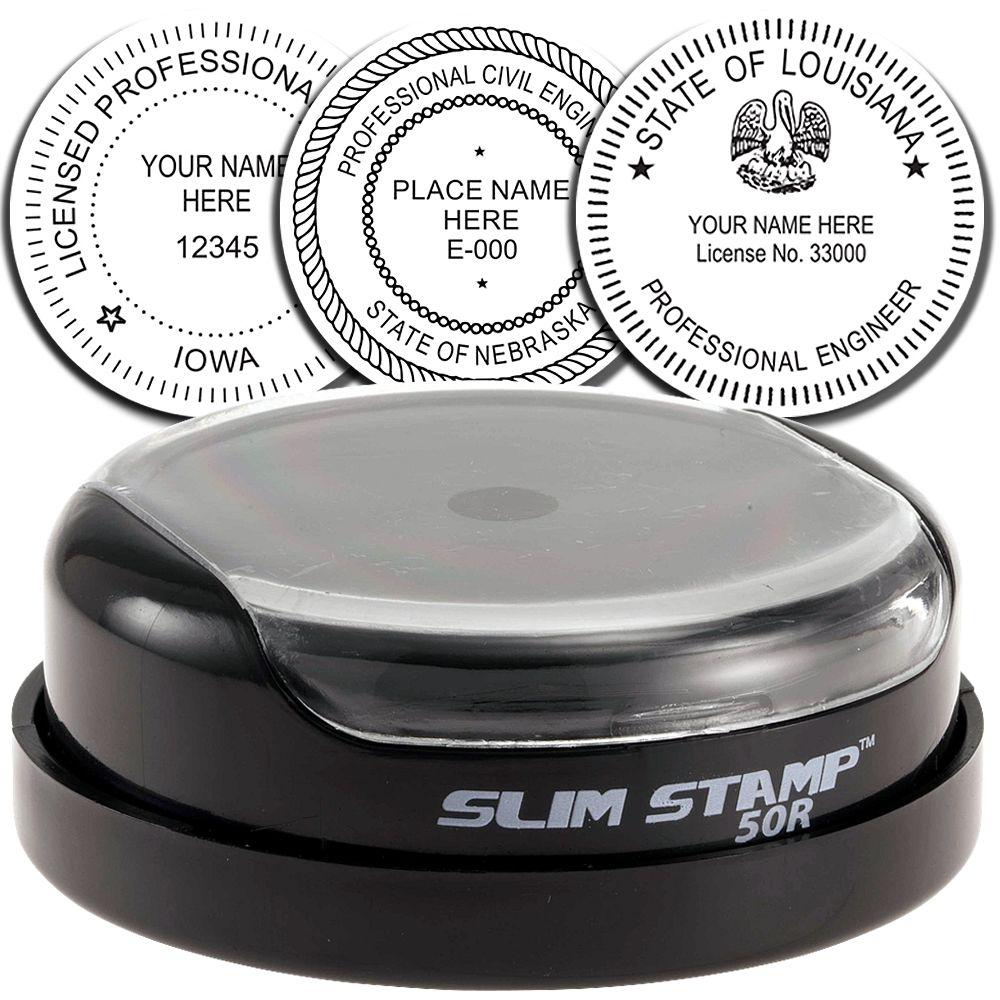
Canada requires a seal There is no Canadian answer to this question, only twelve provincial and territorial answers. The twelve regulators are Engineers and Geoscientists British Columbia; the Association of Professional Engineers and Geoscientists of Alberta (APEGA); the Association of Professional Engineers and Geoscientists of Saskatchewan (APEGS); Engineers Geoscientists Manitoba; Professional Engineers Ontario (PEO); the Ordre des ingénieurs du Québec (OIQ); Engineers and Geoscientists New Brunswick; Engineers Nova Scotia; Engineers PEI; Professional Engineers and Geoscientists of Newfoundland and Labrador (PEGNL); Engineers Yukon; and the Northwest Territories and Nunavut Association of Professional Engineers and Geoscientists (NAPEG), which covers both territories. Each has its own statute, regulation or bylaw on sealing, and the wording differs materially. Five were read in primary sources here: Ontario, Quebec, Alberta, British Columbia and Saskatchewan. Ontario, O. Reg. 941 s. 53(2): “A practitioner shall, subject to subsections (7) and (8), sign, date and affix their seal to an engineering document if, (a) the document’s engineering content is prepared by the practitioner; or (b) the practitioner otherwise assumes responsibility for any part of the document’s engineering content.” Quebec, Engineers Act s. 3.3: “An engineer must sign and seal all plans and specifications that he has prepared in relation to works referred to in section 3,” reinforced by s. 24: “No one may, for the carrying out of works referred to in section 3, use or allow the use of plans or specifications not signed and sealed by an engineer.” Alberta, AR 150/1999 s. 54, requires the stamp to be applied to all final plans, specifications, reports or documents of a professional nature prepared by or under the supervision and control of the professional member or licensee, or thoroughly reviewed and accepted by them. British Columbia, EGBC Bylaw 7.3.7(2): “A Professional Registrant must Manually Authenticate or Digitally Authenticate all Documents for which the Professional Registrant is the Professional of Record.” Saskatchewan, APEGS Regulatory Bylaw 25: “The member under whose direct technical supervision documents are prepared shall affix his or her seal in a prominent location on the document and shall sign and date it.”.
What must appear on the seal
- Ontario: surname and initials or given names
- Ontario: the words “Licensed Professional Engineer”, “ingénieur agréé” or “ingénieure agréée”, and “Ontario”
- Ontario: the licence number
- Quebec: your name, member number, title and the word “Québec”
- British Columbia: first and middle initials and last name, plus the applicable title such as “professional engineer”
- Alberta: the stamp is issued by APEGA or its approved vendors and carries the name and APEGA ID
Ontario prescribes the words exactly and grandfathers old devices: s. 52(1.1) exempts seals issued before 28 February 2003 from the licence-number element, and s. 52(2) allows “Registered” in place of “Licensed” on seals issued before 1 September 1984. Ontario also prescribes separate seal wording for temporary, provisional and limited licence holders, including “Temporary Licensee”, “Provisional Licensee”, “Limited Engineering Licensee” or “LEL”, and for the engineering technologist class “Licensed Engineering Technologist” or “LET”, each with an expiry date or a statement of limitations where applicable. Saskatchewan does not describe the seal in words at all: Regulatory Bylaw 24 says only “Seals must be designed in the forms set out in Appendix 2,” and Appendix 2, titled Forms of Seals (Section 24), is artwork. British Columbia’s Digital Seal is defined as “a digital image of a Professional Registrant’s Manual Seal, with no material variation in format or wording,” so no separate digital artwork is permitted.
Size and shape
Only Alberta gives a dimension, and it gives two. APEGA’s practice standard lists stamp sizes of 1.25″ (small) and 1.75″ (large) in its appendix without mandating one. Ontario: Not addressed. Reg. 941 s. 52 prescribes content, not dimensions; the only size language in the regulation is s. 53(3)(b)(i), which requires an electronic image of the seal to be “of a size that is reasonably visible within the engineering document relative to the document’s other content.” British Columbia: Not addressed in the bylaws or the authentication guide, which is unsurprising because EGBC issues the device itself. Quebec: Not addressed in the Engineers Act or in OIQ’s member guidance on the seal. Saskatchewan: Not addressed in the Regulatory Bylaws; the design lives in Appendix 2 artwork.


Embosser, rubber stamp or digital
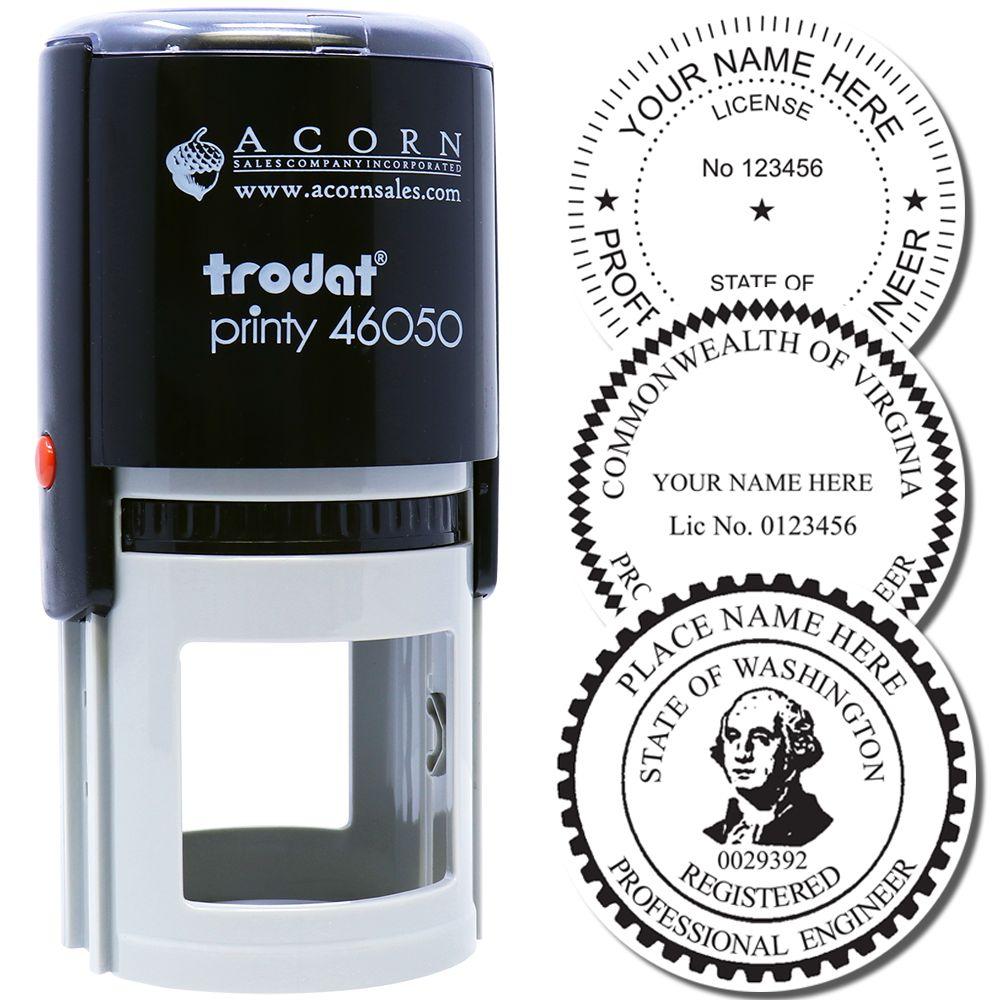
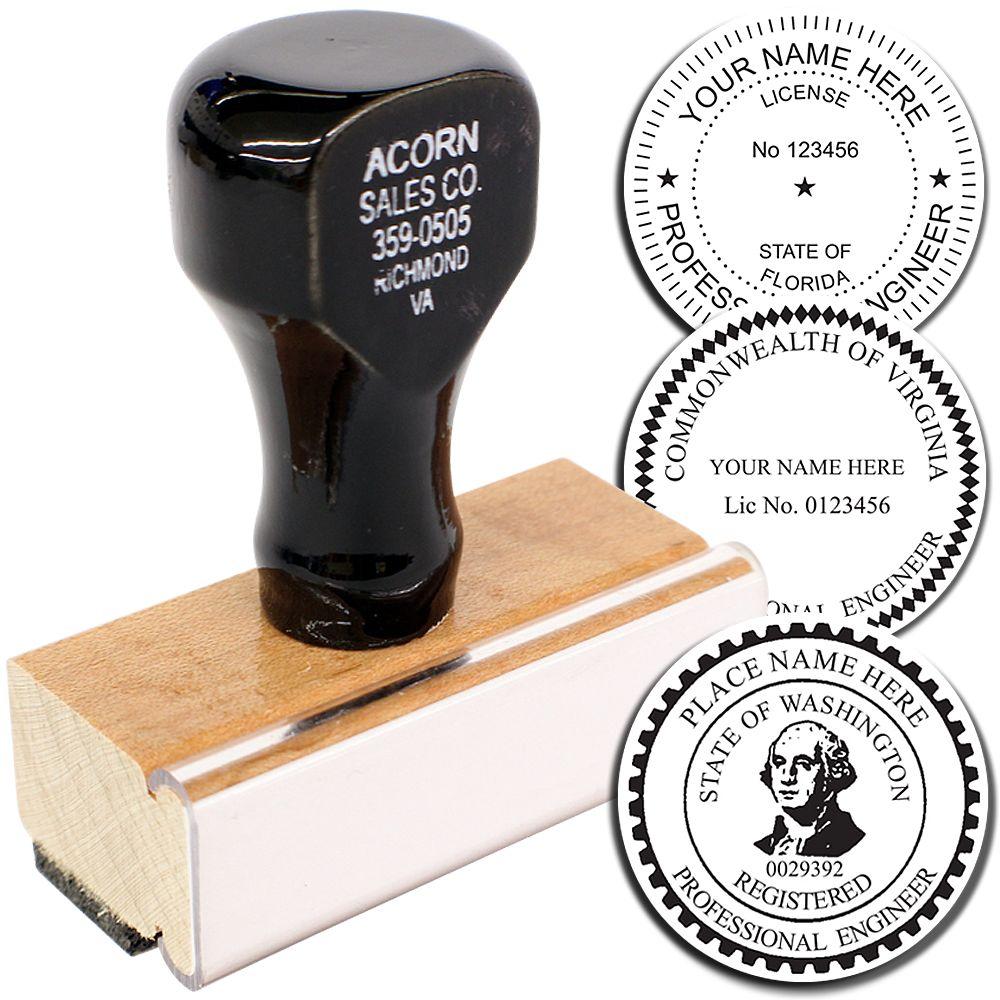
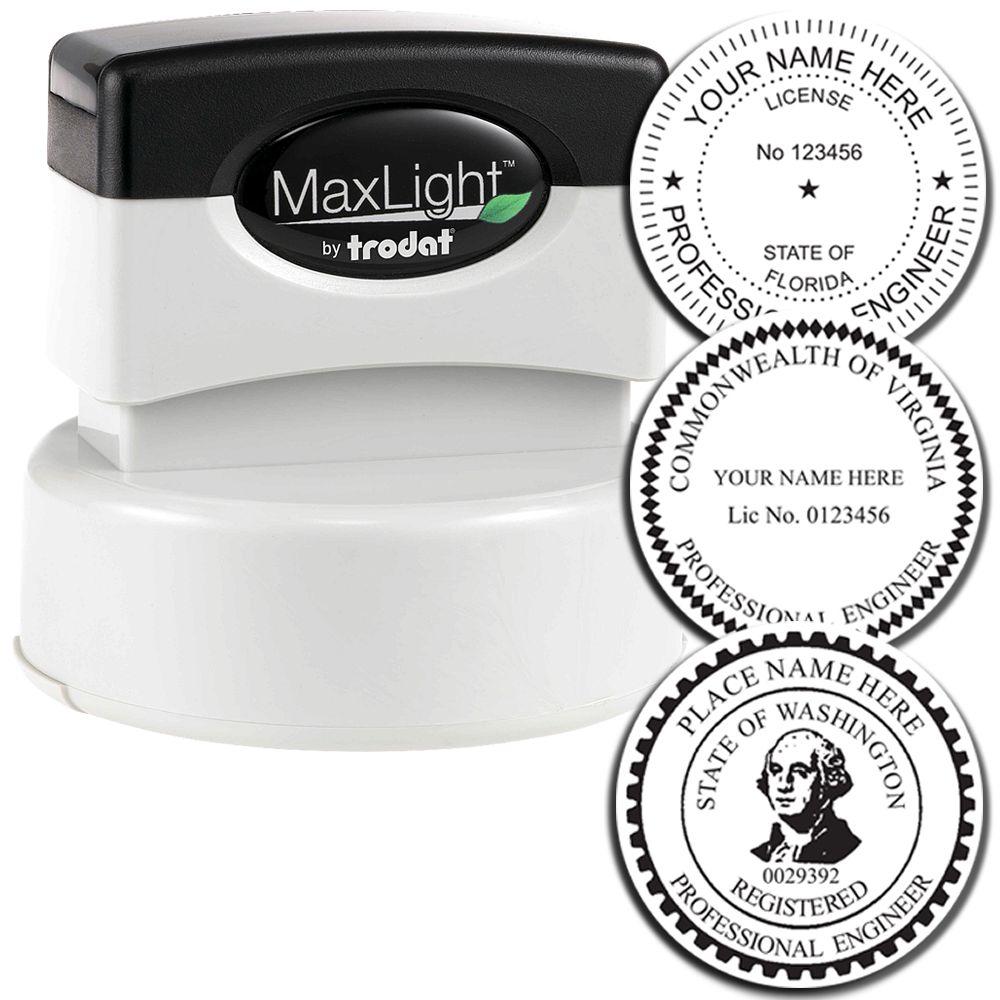
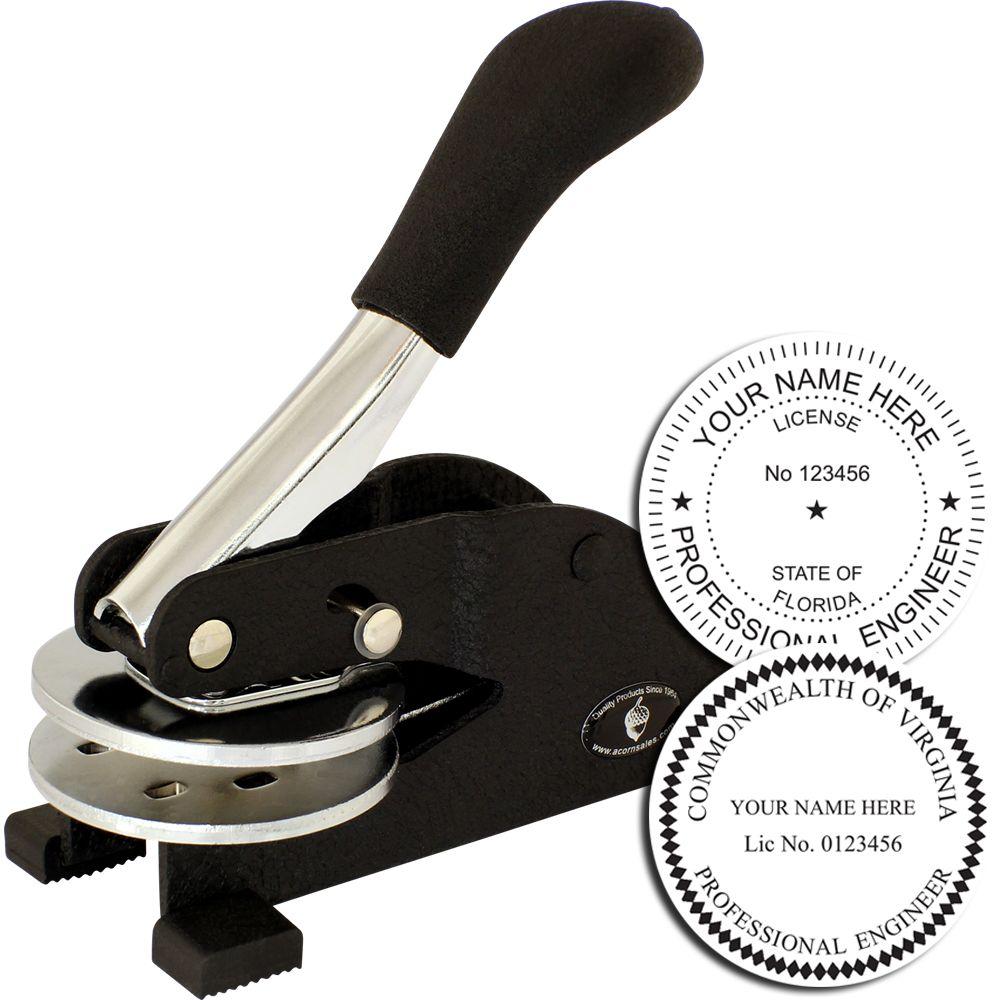
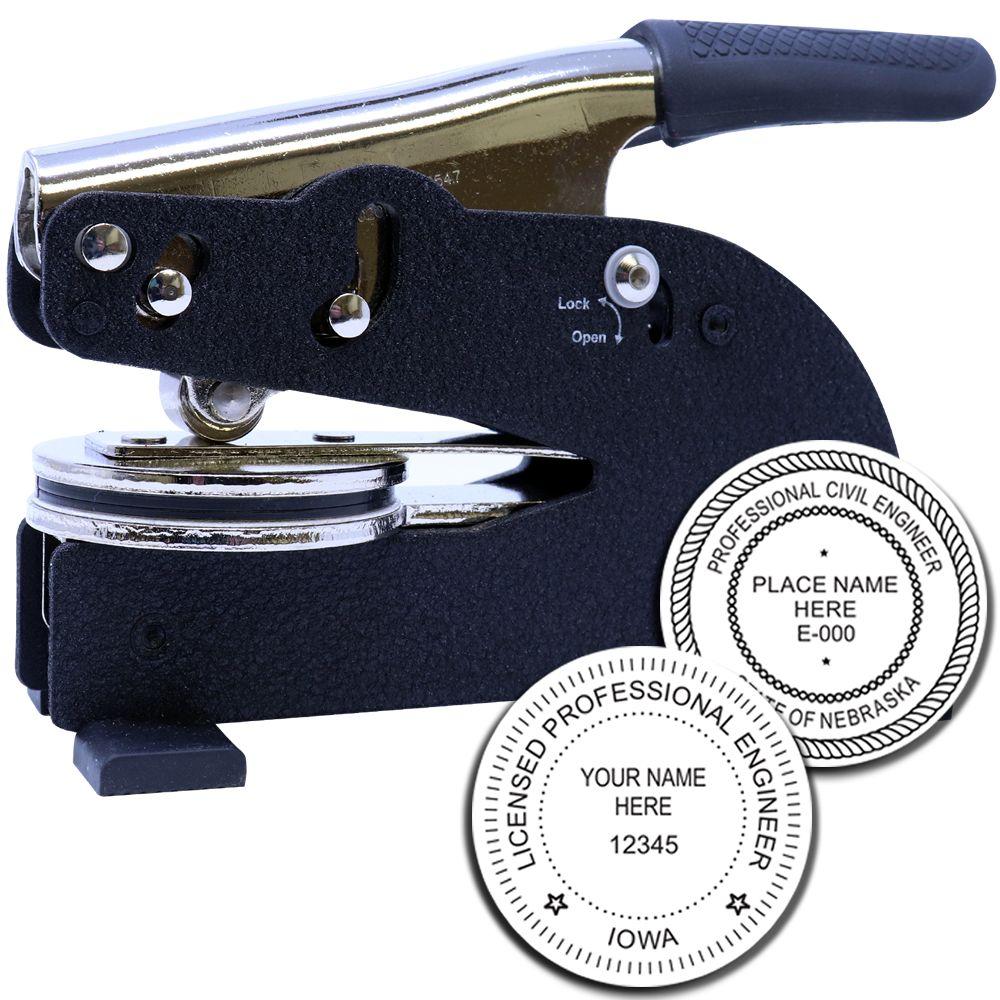
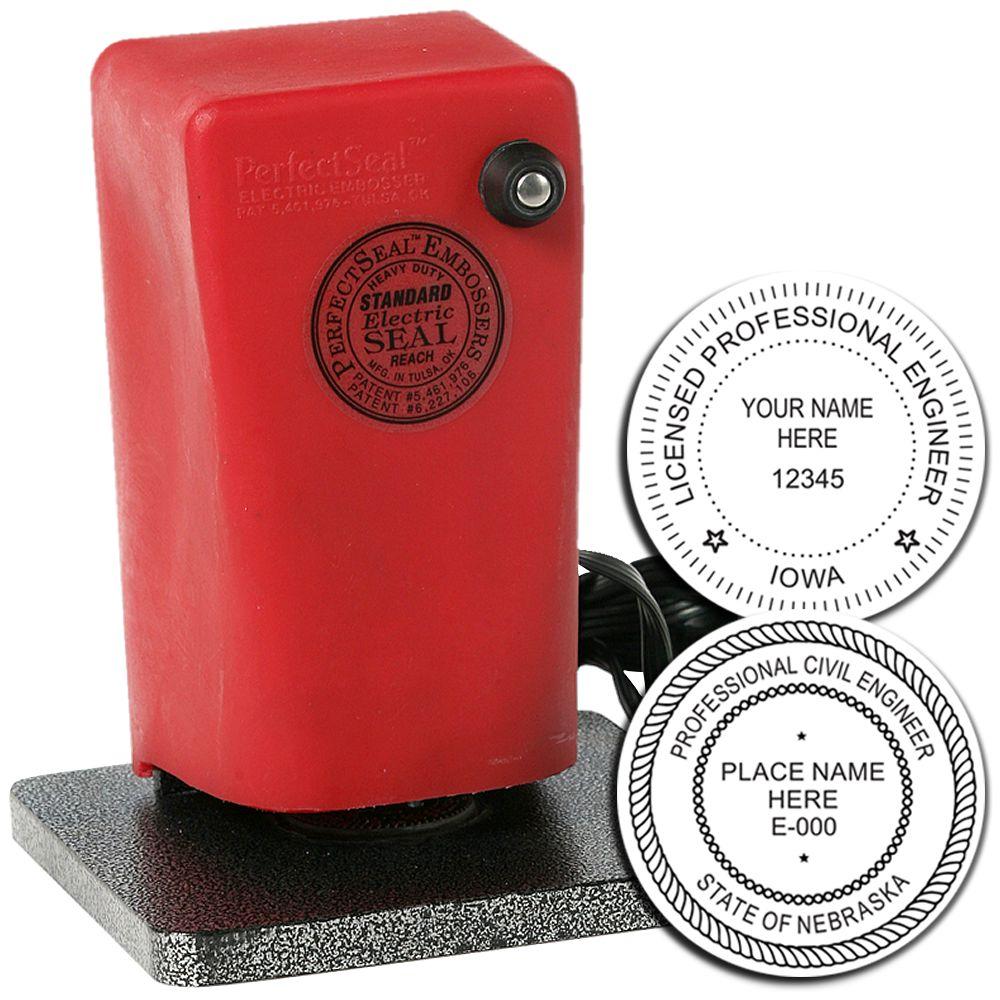
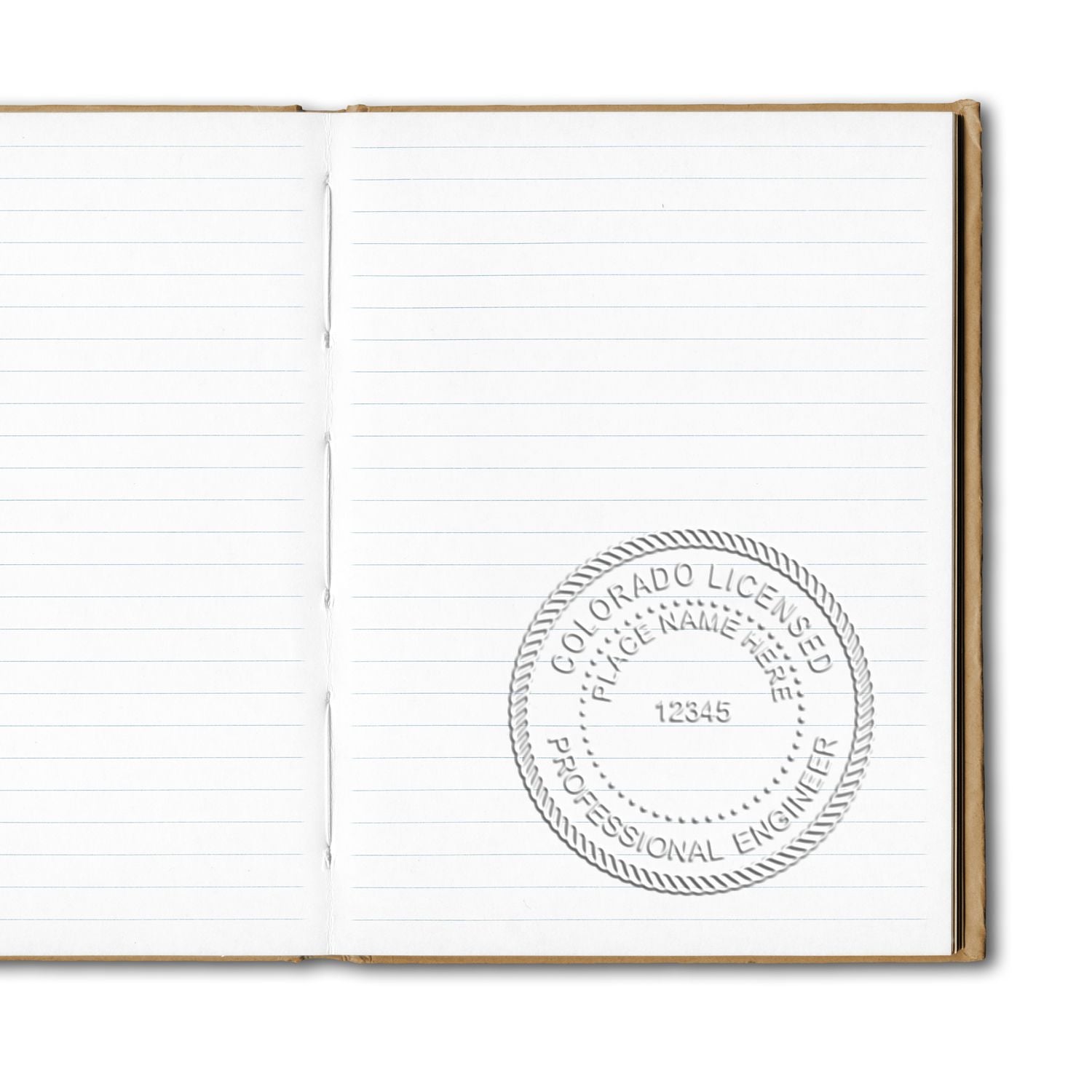
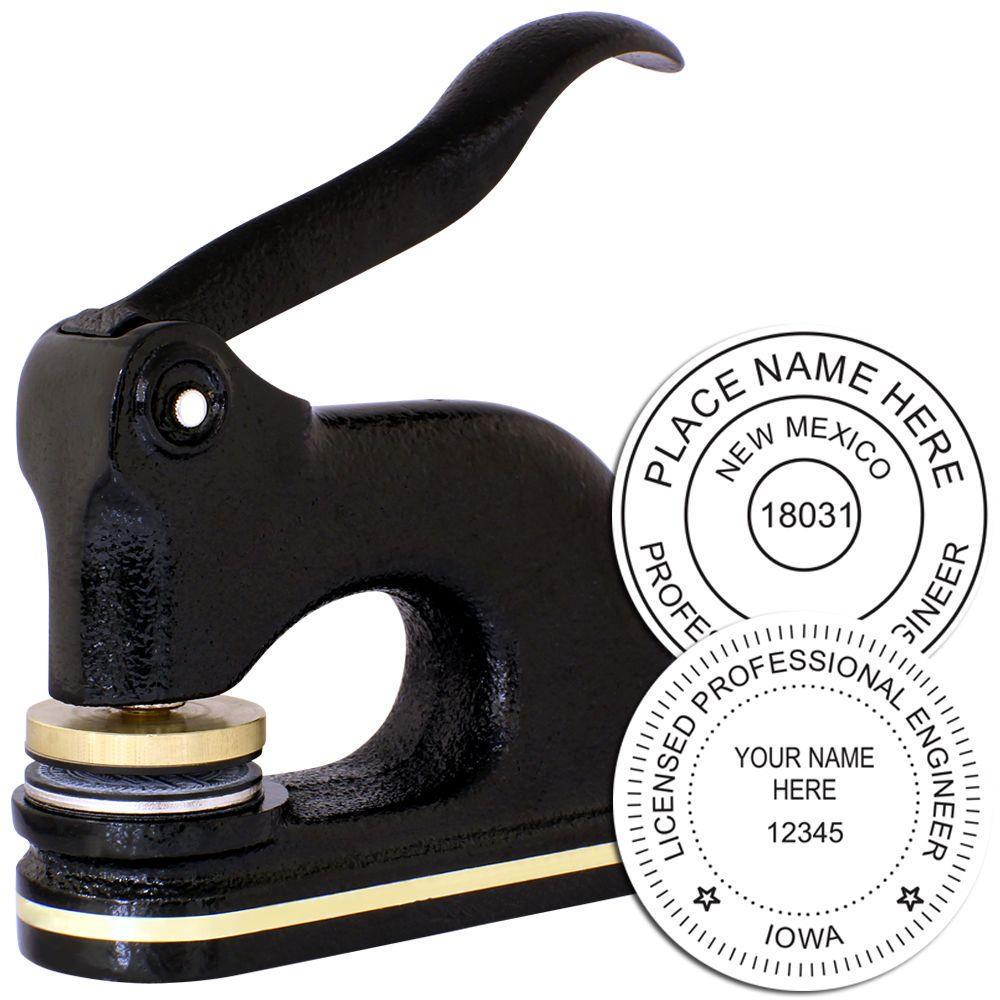
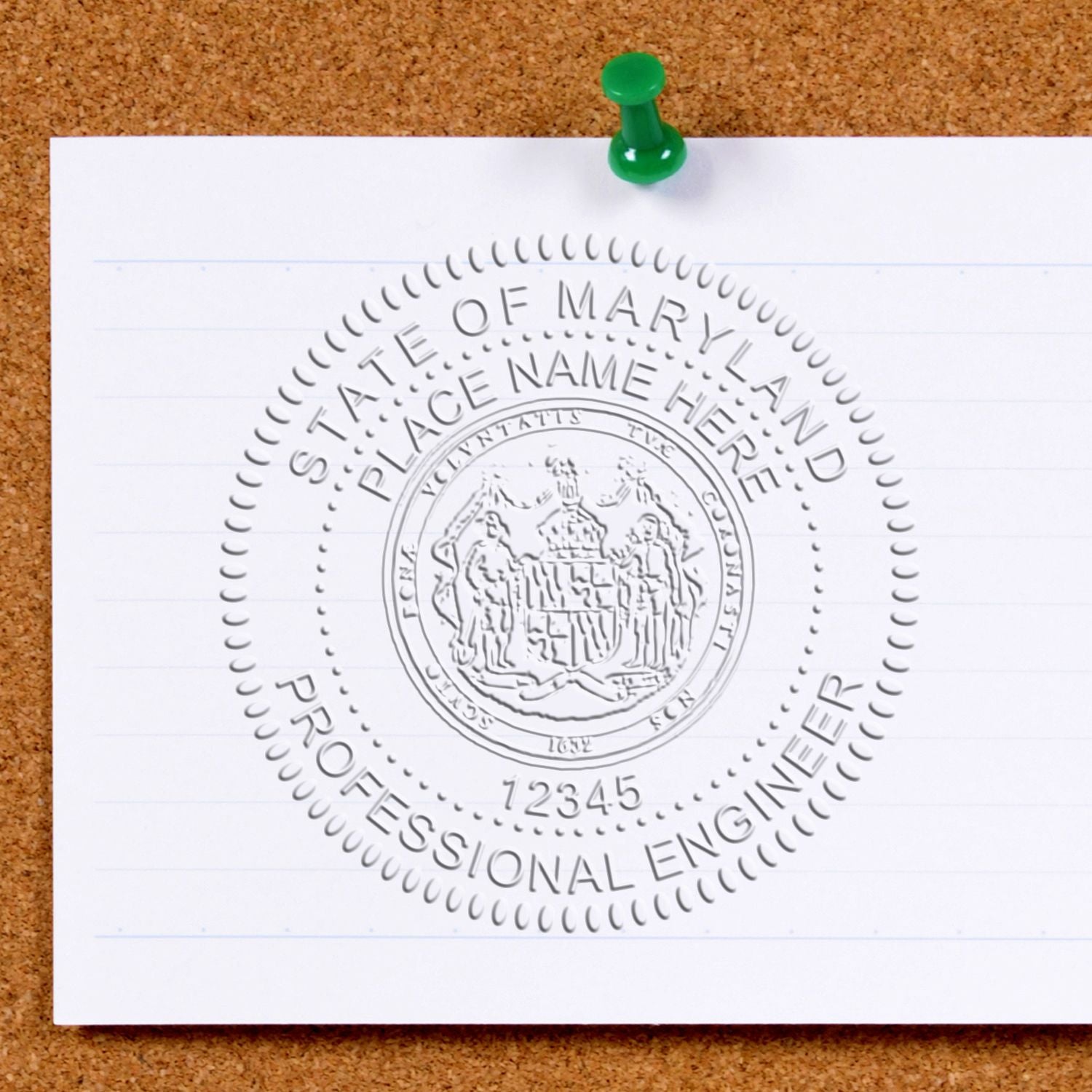
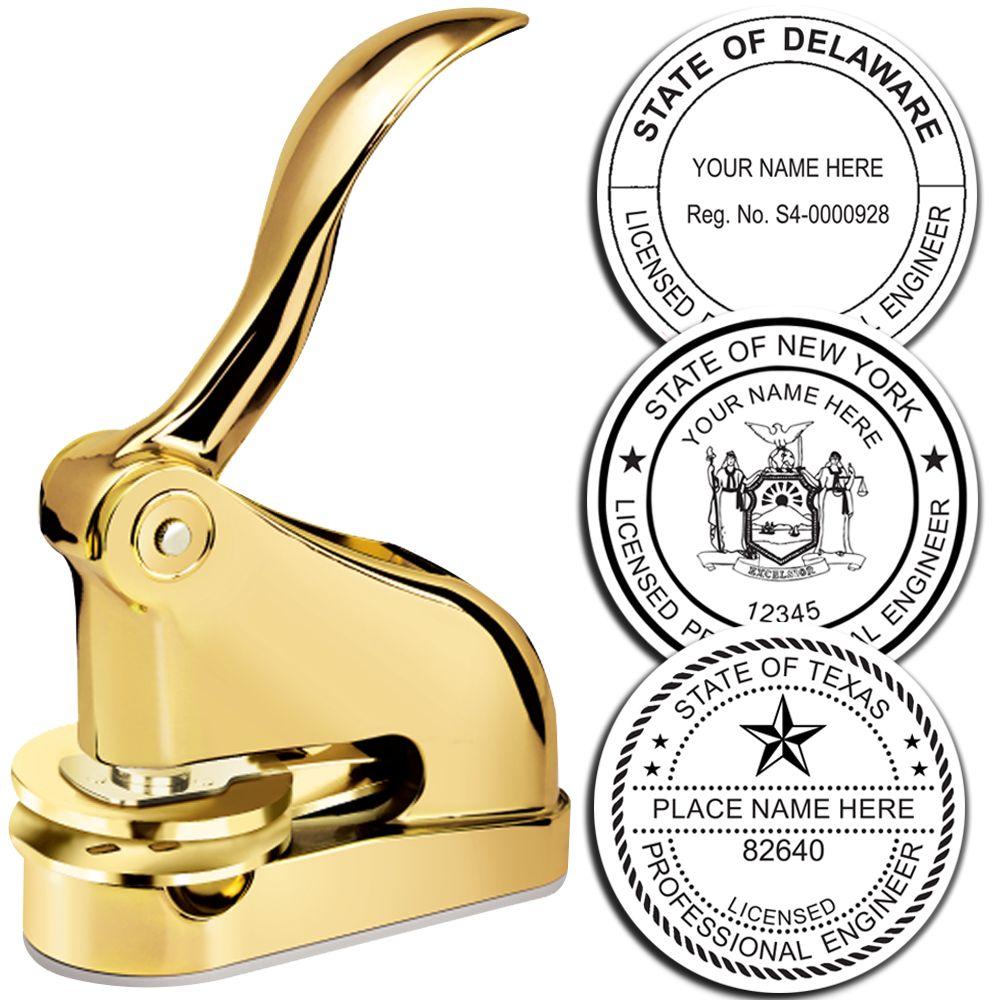
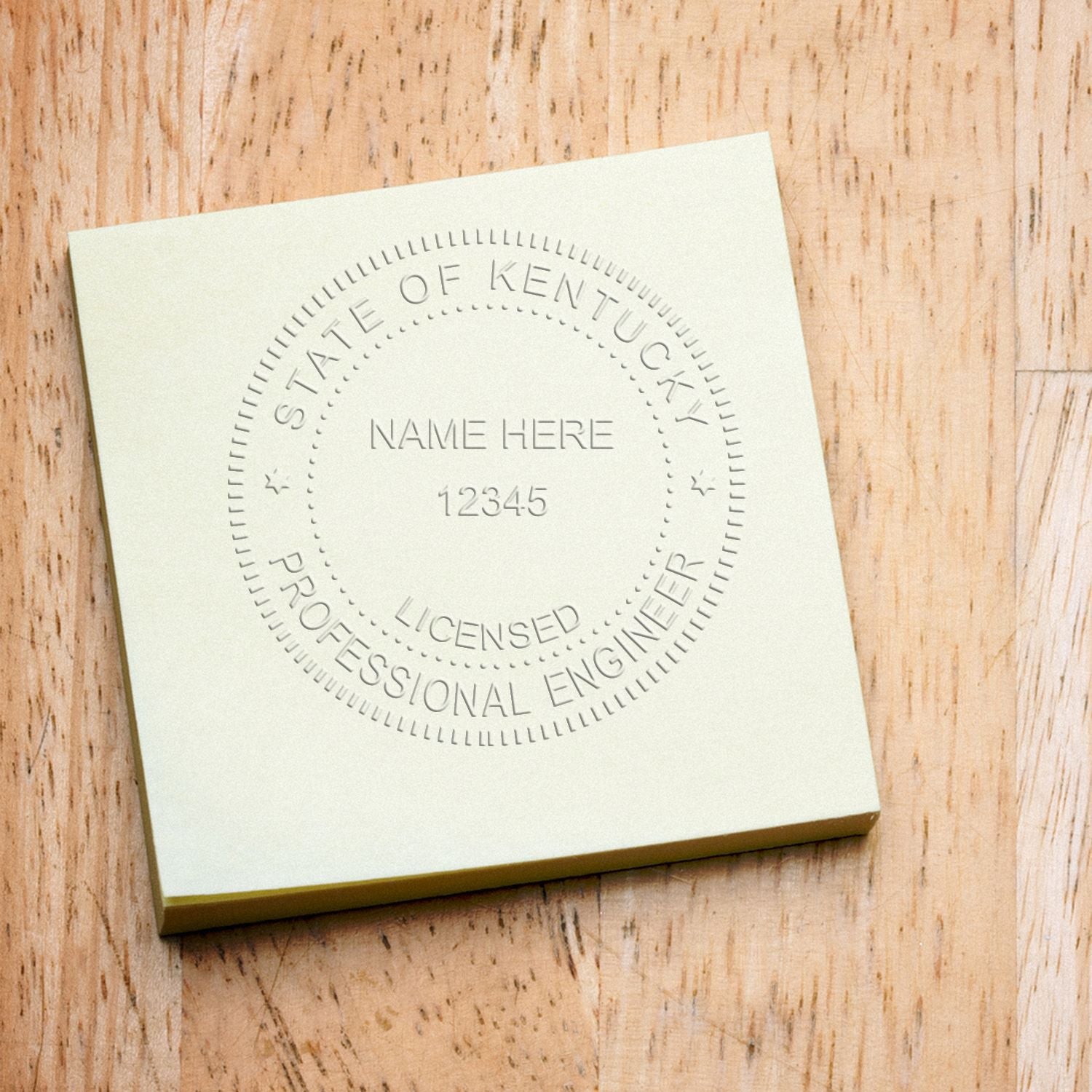
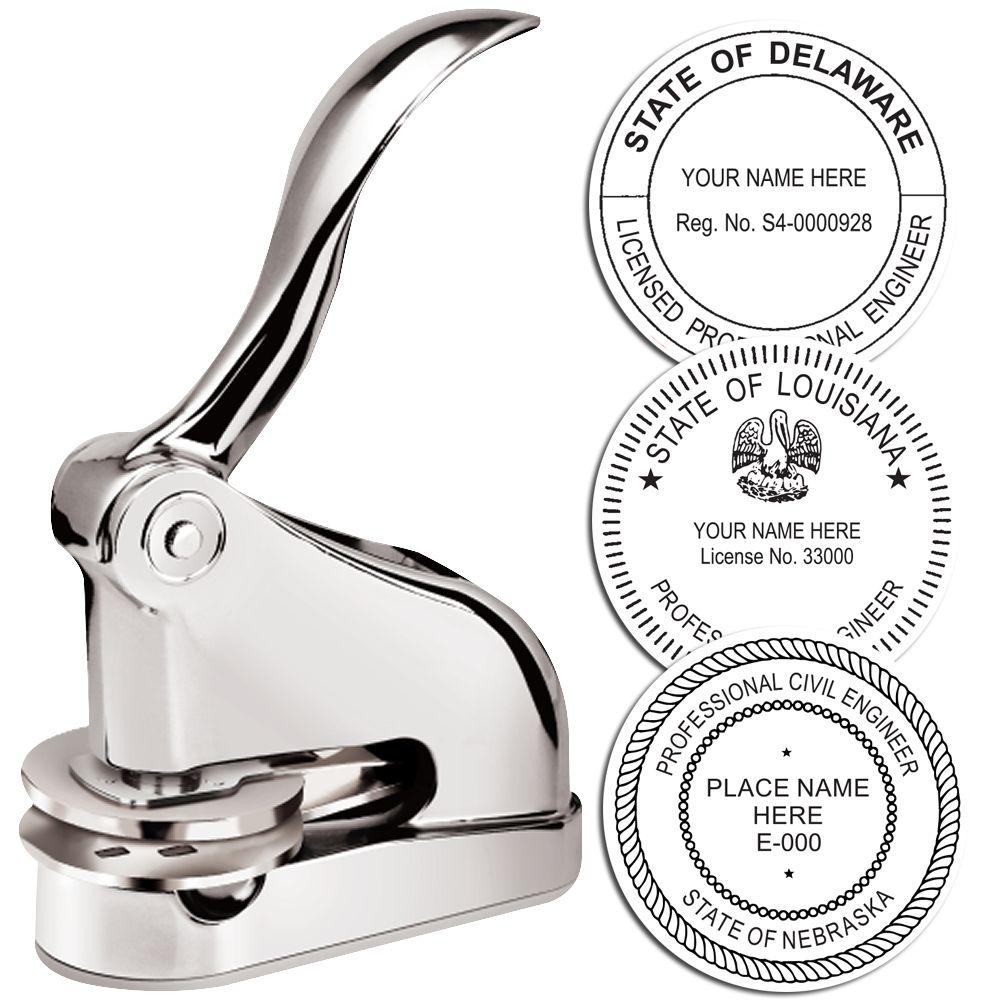
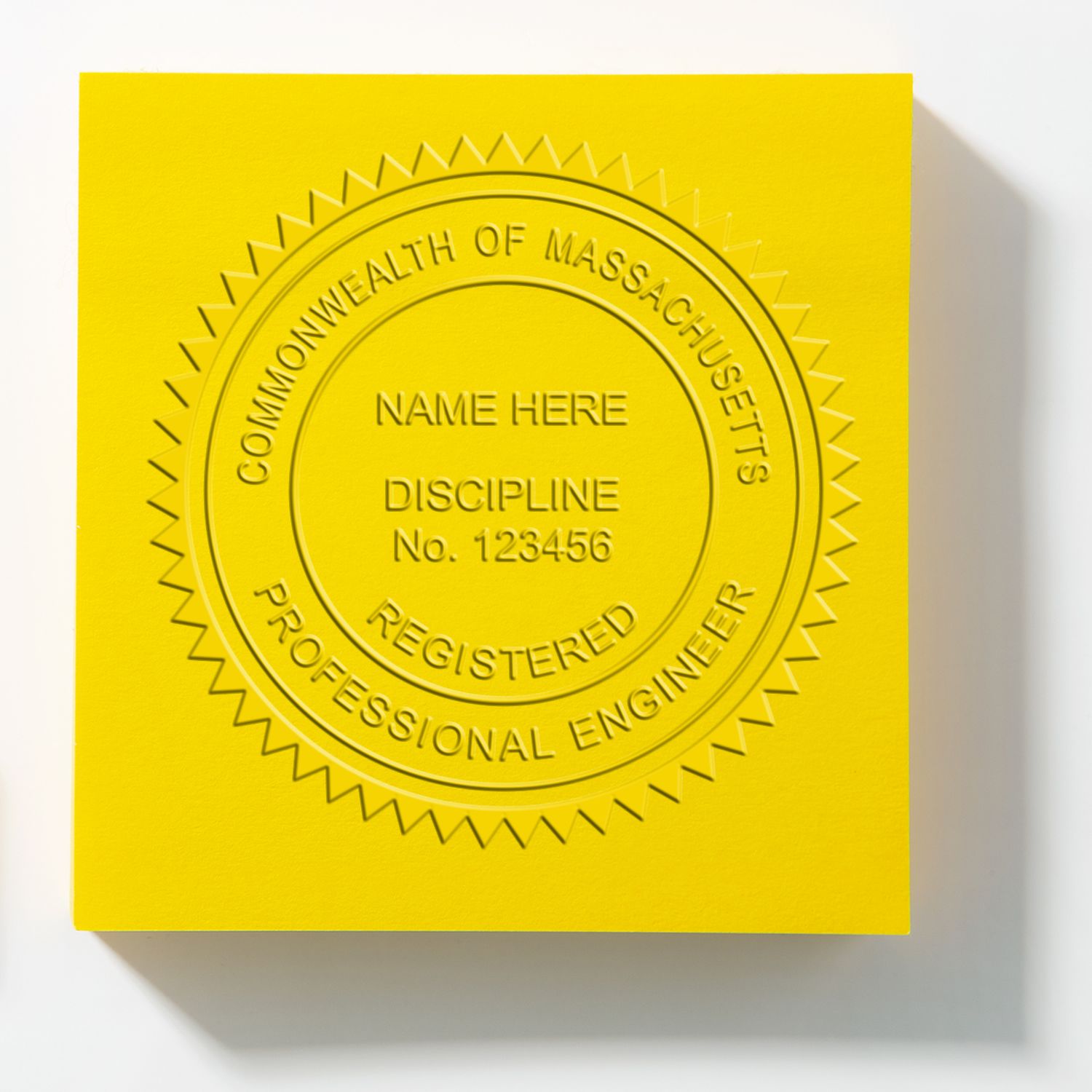
The central fact for a stamp supplier is that in much of Canada the regulator, not the customer, controls the device. British Columbia is the strongest case: EGBC’s authentication guide states that “EGBC may provide a Professional Registrant In Good Standing with a Manual Seal” and that “EGBC retains ownership of a Manual Seal issued by EGBC.” The bylaws define Manual Seal as “the ink stamp or embossing machine issued to a Professional Registrant by EGBC that can create an impression on a Document.” A BC registrant does not buy a seal from a stamp shop. Alberta is close behind: APEGA’s standard has the stamp provided by “APEGA, or its approved vendors,” so a supplier must be on APEGA’s approved list. Ontario requires a seal “of a design approved by the Council” (Reg. 941 s. 52(1)) and expressly contemplates an electronic image of the seal (s. 1 definition, s. 53(3)(b)). Quebec’s OIQ tells members to buy their seal and prescribes its content. Saskatchewan requires the Appendix 2 form. The safe course in Canada is to obtain the device through the regulator’s own channel unless the regulator plainly leaves procurement to the member.
Signing and dating
Ontario is the most prescriptive on placement. Reg. 941 s. 53(4): the practitioner shall ensure the signature and the date are applied “(a) at the same time or immediately after the seal is affixed; and (b) in a legible manner, either within or immediately adjacent to the seal or in the immediate vicinity of the seal, and not obscuring or otherwise altering the practitioner’s name or the number of their licence.” So Ontario forbids signing across the seal in a way that covers the name or number. Alberta requires the opposite arrangement: APEGA’s standard calls for “the licensed professional’s physical signature across the stamp in a manner that does not obscure their name and APEGA ID,” plus the authentication date applied with ink. British Columbia’s Manually Authenticating means applying the Manual Seal, the registrant’s handwritten signature and the date of authentication. Saskatchewan requires the member to affix the seal prominently and to sign and date it. Quebec requires signature and seal; OIQ’s published member guidance does not state a date rule, which is a named gap.
In British Columbia and Alberta the regulator owns or supplies the seal, so there is nothing for a stamp shop to sell
The single most consequential fact about Canada for a stamp manufacturer is that the mainland US model, where a licensee buys a device from any vendor against a published specification, is not the Canadian model. EGBC’s bylaws define the Manual Seal as the ink stamp or embossing machine issued to a Professional Registrant by EGBC, EGBC’s guide states that EGBC retains ownership of it, and a registrant whose registration is suspended or cancelled must return it on request. APEGA’s practice standard has the stamp provided by APEGA or its approved vendors. Ontario requires a design approved by Council. Saskatchewan requires the form set out in Appendix 2 to its Regulatory Bylaws. Quebec is the clearest case of the member buying a seal, and even there OIQ prescribes the content and points members to a named digital signature partner.
Which documents must be sealed
Ontario defines the trigger broadly and then carves out two cases. An “engineering document” is a document containing engineering content intended to be used for a purpose involving the practice of professional engineering, and “document” includes a drawing, specification, plan, report, design or model in any medium. Section 53(7) makes sealing optional for a document prepared solely for the practitioner’s own employer or for self-employed use, and for a document whose engineering content does not require a licence. Section 53(8) is a hard prohibition: “A practitioner shall not affix their seal to an engineering document that is incomplete or in draft form.” Section 53(5) requires the intended purpose of the engineering content to be clearly stated on or in the document, and s. 53(6) requires a practitioner who assumes responsibility for only part of the content to identify that part in the immediate vicinity of the seal. Quebec ties the duty to a statutory list of works at s. 3 of the Engineers Act, including structural components and mechanical, thermal or electrical systems of buildings, with detailed exclusions for small Part 9 buildings and certain agricultural buildings. Alberta reaches all final plans, specifications, reports or documents of a professional nature.

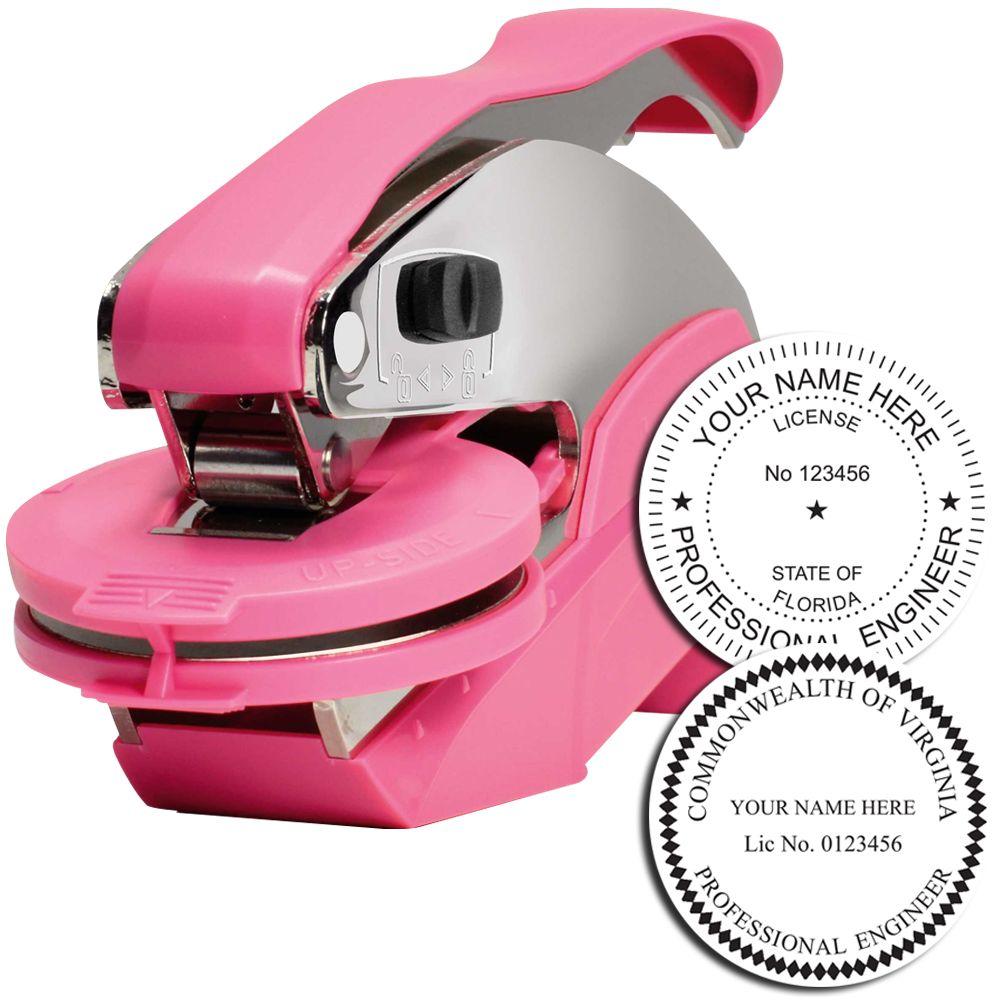

Electronic and digital seals
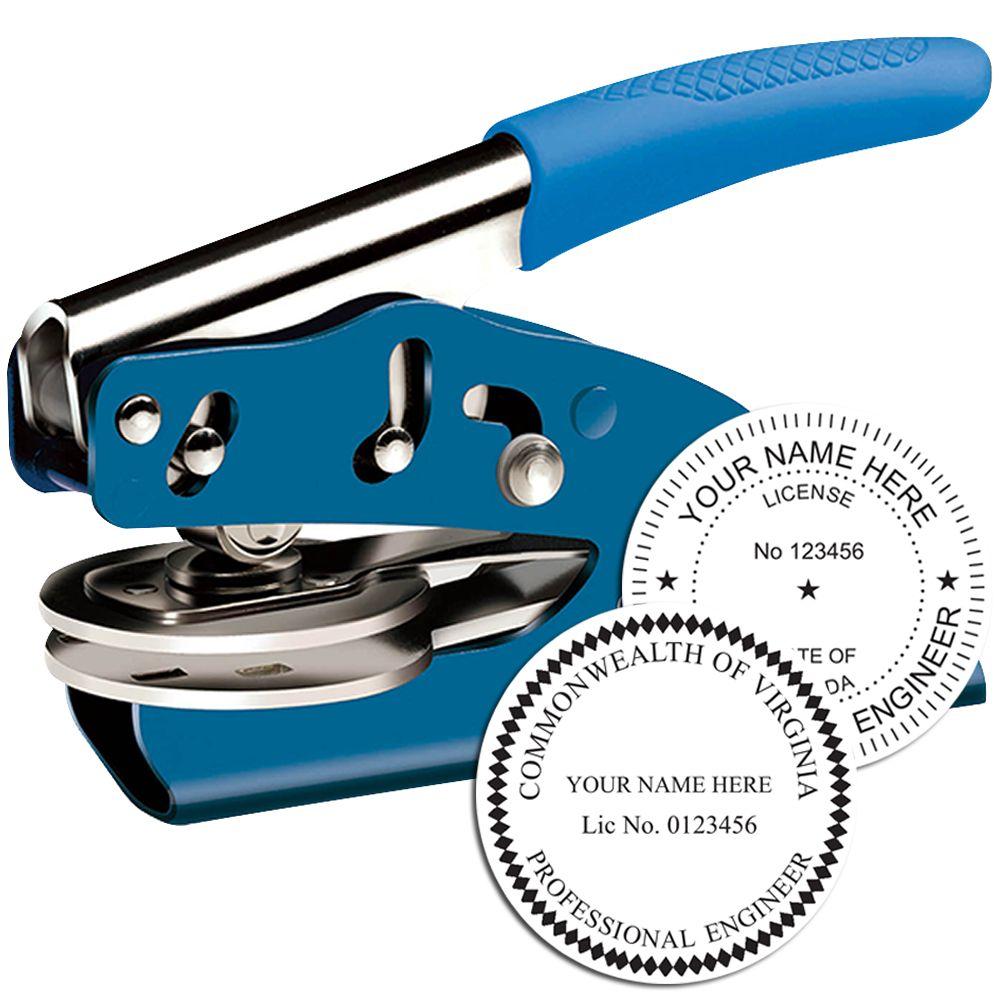
Ontario permits an electronic signature as defined in the Electronic Commerce Act, 2000 and an electronic image of the seal, provided the image is reasonably visible relative to other content and includes the licence number (s. 53(3)); s. 53(13) suspends the electronic image permission while a practitioner has returned or must return the seal. British Columbia requires four things for Digitally Authenticating: the Digital Seal, a digital image of the signature, a digital image of the date, and the registrant’s Digital Certificate; EGBC approves certificate providers against criteria rather than naming a vendor in the guide, and it disables a certificate on suspension or cancellation. Alberta requires an APEGA digital signature applied by an approved certificate authority, with X.509 v3 certificates described in an appendix to the practice standard. Quebec is the one jurisdiction that names a partner: OIQ tells members that a digital signature must meet the Act to establish a legal framework for information technology so that the document is hard to alter afterward, that “l’image numérique du sceau doit être ajoutée sur le document technologique que vous signez,” and that “La société Notarius, avec laquelle l’Ordre a convenu d’un partenariat, offre une signature numérique professionnelle pour les ingénieurs.” Saskatchewan’s Regulatory Bylaws contain no electronic or digital seal provision at all.
Renewal, lapse and retirement
Ontario, Reg. 941 s. 54: every person whose licence, temporary licence, provisional licence, limited licence or certificate of authorization is suspended or revoked, and every partnership whose certificate of authorization is suspended or revoked, “shall forthwith deliver it to the Registrar together with the person’s or partnership’s related seal.” Ontario also requires a limited licence holder who stops providing the specified services to return the licence and the seal (s. 45, para. 2). British Columbia: on suspension or cancellation the registrant must return the Manual Seal to EGBC on request and EGBC disables the Digital Certificate, which follows from EGBC retaining ownership of the device. Alberta and Saskatchewan: not verified; no surrender provision was located in AR 150/1999 s. 49 or s. 54 or in the APEGS Regulatory Bylaws sections read. Quebec: not verified. Whether a licence number changes on reinstatement was not established in any of the five jurisdictions.
Firm registration
Firm authorization is normal in Canada and in several provinces the firm number must appear on the document. Alberta is explicit: AR 150/1999 s. 49 requires that where practice is carried on by a partnership, corporation or other entity under a permit, all final plans, specifications, reports or documents of a professional nature must be signed and stamped by the responsible professional member or licensee and must “show the permit number issued to the partnership, corporation or other entity under section 48.” British Columbia: EGBC’s authentication guide states that where a Registrant Firm has authenticated a document on its behalf, “the Registrant Firm’s Permit to Practice Number must be applied visibly to the Document.” Saskatchewan goes further and gives the firm a seal: APEGS Regulatory Bylaw 18(2) requires every holder of a certificate of authorization to “place its seal or equivalent on all documents that have been prepared by a licensee on its behalf.” Ontario requires a certificate of authorization for a firm offering services to the public and Reg. 941 s. 54 refers to a partnership’s related seal, but s. 52 prescribes seal designs only for licence, temporary licence, provisional licence and limited licence holders, so no separate firm seal artwork is prescribed there. Quebec: not verified.
What to check before you order
There is no such thing as a “Canadian PE stamp,” so establish your province or territory first, then your licence class. In British Columbia, EGBC issues the manual seal and retains ownership of it, so yours comes from the regulator and not from a shop; in Alberta, the stamp comes from APEGA or an APEGA-approved vendor, nobody off that list should cut one, and the common sizes shown in APEGA's standard are 1.25″ and 1.75″. In Ontario the design must be Council approved and the text is fixed by O. Reg. 941 s. 52: surname and initials or given names, the words “Licensed Professional Engineer”, “ingénieur agréé” or “ingénieure agréée”, and “Ontario”, and the licence number, with different wording for the temporary, provisional, limited and engineering technologist classes. In Quebec the seal carries your name, member number, title and the word “Québec”, in French, and there is no “PE” designation; in Saskatchewan the device must match Appendix 2 to the APEGS Regulatory Bylaws. Leave clear space for a handwritten signature and date in every province, expect the signature to cross the stamp in Alberta, and for the seven regulators not verified here, get the requirement from that regulator before ordering.
Browse professional engineer stamps and seals.
Frequently asked questions
Is there a Canadian PE stamp?
No. There is no national engineering license, no national seal and no federal engineering board. Twelve provincial and territorial regulators each have their own statute, regulation or bylaw on sealing, and the wording differs materially between them. Establish the province or territory first, then the license class.
Can I buy a British Columbia engineer seal from a stamp shop?
No. The EGBC bylaws define the Manual Seal as the ink stamp or embossing machine issued to a Professional Registrant by EGBC, EGBC’s authentication guide states that EGBC may provide a registrant in good standing with a Manual Seal and that EGBC retains ownership of a Manual Seal it issued, and a registrant whose registration is suspended or cancelled must return it on request. A BC registrant gets the device from EGBC.
What about Alberta?
APEGA’s practice standard Authenticating Professional Work Products has the stamp provided by APEGA or its approved vendors, so the supplier has to be on APEGA’s approved list. The standard’s appendix lists stamp sizes of 1.25″ (small) and 1.75″ (large) without mandating either. Alberta is also the one of the five that requires the signature to run across the stamp, in a manner that does not obscure the name and APEGA ID, plus the authentication date applied with ink.
What does an Ontario engineer seal say?
Under O. Reg. 941 s. 52(1): surname and initials or given names; the words Licensed Professional Engineer, ingénieur agréé or ingénieure agréée, and Ontario; and the license number. The design must be approved by Council. Two grandfather clauses apply: s. 52(1.1) exempts seals issued before 28 February 2003 from the number element, and s. 52(2) allows Registered in place of Licensed on seals issued before 1 September 1984. Ontario also prescribes separate wording for temporary, provisional and limited license holders and for licensed engineering technologists, with expiry dates or statements of limitations where applicable.
What size is an Ontario engineer seal?
Not addressed. Reg. 941 s. 52 prescribes content, not dimensions. The only size language in the regulation is s. 53(3)(b)(i), which requires an electronic image of the seal to be of a size that is reasonably visible within the engineering document relative to the document’s other content. British Columbia, Quebec and Saskatchewan do not state a dimension either, and Saskatchewan carries its design as artwork in Appendix 2 to its Regulatory Bylaws rather than in words.
Does the signature go across the seal in Canada?
It depends on the province, and two of the five say opposite things. Ontario, Reg. 941 s. 53(4), requires the signature and date at the same time or immediately after the seal is affixed, legibly, within or immediately adjacent to the seal or in its immediate vicinity, and not obscuring or altering the name or the license number. Alberta requires the physical signature across the stamp in a manner that does not obscure the name and APEGA ID. British Columbia requires the Manual Seal, a handwritten signature and the date of authentication. Saskatchewan requires the seal affixed prominently, signed and dated. Quebec requires signature and seal, and OIQ’s published member guidance states no date rule, which is a named gap.
Can I seal a draft drawing in Ontario?
No. Reg. 941 s. 53(8) says a practitioner shall not affix their seal to an engineering document that is incomplete or in draft form. Ontario also requires the intended purpose of the engineering content to be clearly stated on or in the document under s. 53(5), and a practitioner who assumes responsibility for only part of the content to identify that part in the immediate vicinity of the seal under s. 53(6). Sealing is optional under s. 53(7) for a document prepared solely for the practitioner’s own employer or self-employed use, and for one whose engineering content does not require a license.
What goes on a Quebec engineer seal?
Your name, member number, title and the word Québec, in French, with no PE designation. The Engineers Act s. 3.3 requires an engineer to sign and seal all plans and specifications prepared in relation to the works listed at s. 3, and s. 24 bars anyone from using plans or specifications for those works unless signed and sealed by an engineer. For digital work OIQ points members at the Act to establish a legal framework for information technology, requires the digital image of the seal to be added to the technological document being signed, and names Notarius as the partner offering a professional digital signature for engineers.
Does the firm’s permit number go on the document?
In several provinces, yes. Alberta, AR 150/1999 s. 49, requires final plans, specifications, reports or documents of a professional nature produced under a permit to be signed and stamped by the responsible member and to show the permit number issued to the entity. EGBC’s guide requires a Registrant Firm’s Permit to Practice Number to be applied visibly to a document the firm has authenticated on its behalf. Saskatchewan goes further: APEGS Regulatory Bylaw 18(2) requires every certificate of authorization holder to place its seal or equivalent on all documents prepared by a licensee on its behalf. Ontario requires a certificate of authorization for a firm offering services to the public, and Reg. 941 s. 54 refers to a partnership’s related seal, but s. 52 prescribes designs only for license, temporary license, provisional license and limited license holders. Quebec was not verified.
What happens to the seal if a license is suspended or revoked?
Ontario, Reg. 941 s. 54, requires a person or partnership whose license or certificate of authorization is suspended or revoked to deliver it forthwith to the Registrar together with the related seal, and s. 45 requires a limited license holder who stops providing the specified services to return the license and seal. In British Columbia, on suspension or cancellation the registrant returns the Manual Seal to EGBC on request and EGBC disables the Digital Certificate. Alberta, Saskatchewan and Quebec were not verified on this point, and whether a license number changes on reinstatement was not established in any of the five.
How do electronic seals work across the five verified provinces?
Differently in each. Ontario permits an electronic signature as defined in the Electronic Commerce Act, 2000 and an electronic image of the seal that is reasonably visible and includes the license number, under s. 53(3), and suspends that permission while a practitioner has returned or must return the seal, under s. 53(13). British Columbia requires four things to digitally authenticate: the Digital Seal, a digital image of the signature, a digital image of the date and the registrant’s Digital Certificate, with EGBC approving certificate providers against criteria rather than naming a vendor, and the Digital Seal defined as a digital image of the Manual Seal with no material variation in format or wording. Alberta requires an APEGA digital signature from an approved certificate authority, with X.509 v3 certificates described in an appendix. Quebec points members at Notarius. Saskatchewan’s Regulatory Bylaws contain no electronic or digital seal provision at all.
Which Canadian regulators are not covered here?
Seven: Engineers Geoscientists Manitoba, Engineers and Geoscientists New Brunswick, Engineers Nova Scotia, Engineers PEI, Professional Engineers and Geoscientists of Newfoundland and Labrador, Engineers Yukon, and NAPEG, which covers both the Northwest Territories and Nunavut. Nothing on this page should be read across to them. One further item is reported second hand rather than verified: Alberta’s Engineering and Geoscience Professions Act s. 78(1), which APEGA’s standard cites as the authority for stamps and permit numbers, could not be read in the statute itself because the King’s Printer copy was not retrievable.








