
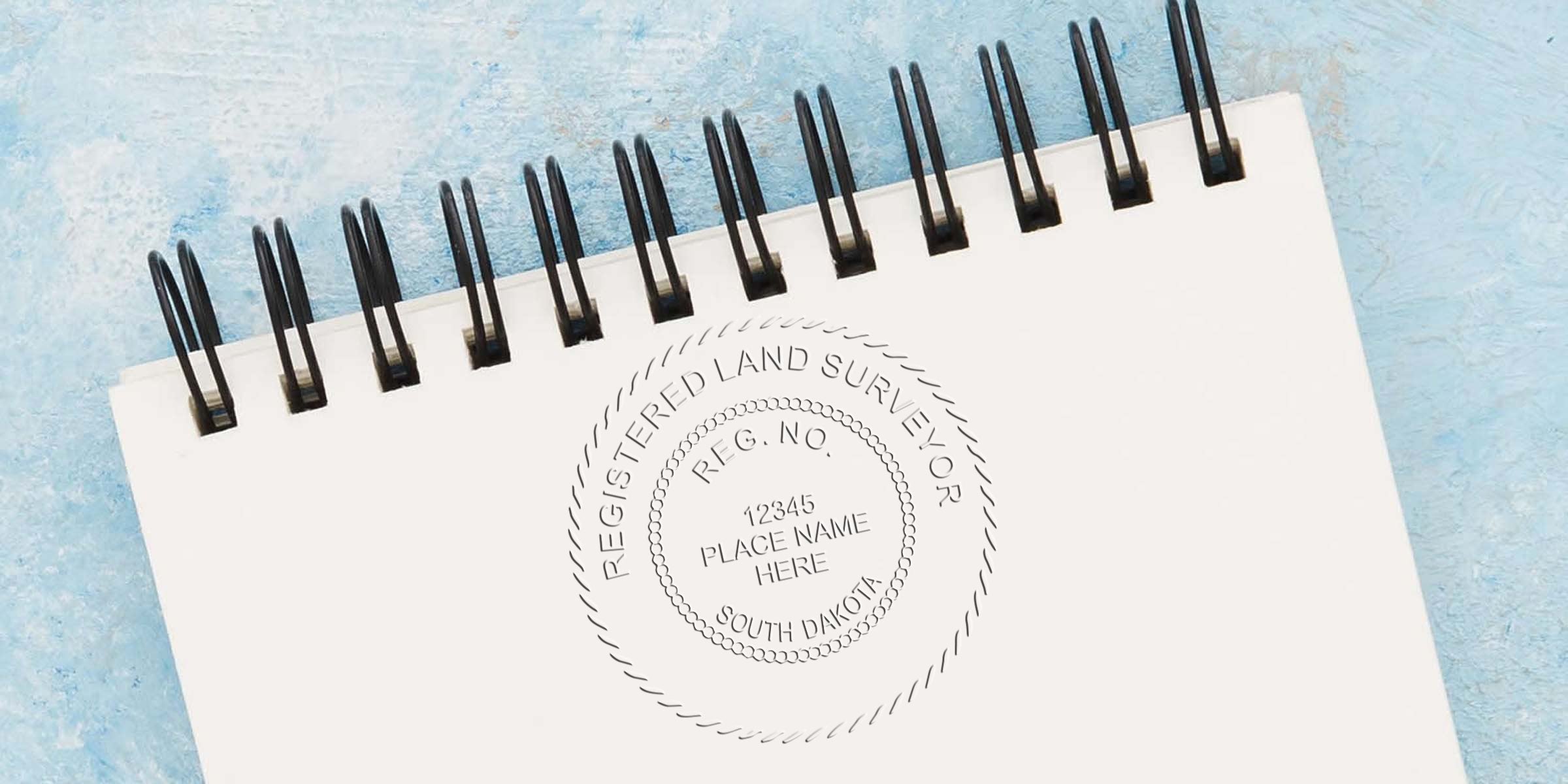
Are you a land surveyor in the Mount Rushmore State who’s scratching your head over how to handle South Dakota land surveyor seal design? You’re not alone. Figuring out exactly what that official seal should look like can raise plenty of questions, especially when you want to meet all the rules without sacrificing style or practicality. Fortunately, once you learn the core guidelines and best practices, you’ll feel confident every time you stamp or emboss your professional documents. Let’s walk through everything you need to know, from state compliance tips to choosing the right materials, so you can showcase your surveying credentials with ease.
Understand The Role Of A Land Surveyor Seal
Before diving into specific measurements or styles, it helps to take a quick step back and understand why a land surveyor seal matters in the first place. When you apply your seal to a survey, plat, or official plan, you’re asserting that the work meets professional standards and state regulations. It signals to clients and authorities that you stand behind every line on that drawing.
Seals also help the public trust that your reports are accurate. In a profession where an inch can make a huge difference, a seal shows that you, the expert, have checked all calculations and confirmed the results. In South Dakota, land surveys often affect property lines, legal descriptions, and even municipal development projects. A properly used seal helps maintain accountability, clarifies boundaries, and ensures that critical decisions rest on reliable data.
Here’s the thing: without a clear, compliant seal, your documents could be questioned or even rejected by certain agencies. That’s why crafting an effective seal is more than a formality. It’s an essential step in upholding your professional reputation and keeping critical projects on track.
Comply With State Rules
South Dakota has specific statutes that govern land surveyor credentials and the way you confirm your work. There are details about diameter, wording, and even the order in which your name and license number should appear. These rules exist to uphold consistency across all land surveyor submissions in the state.
It’s easy to get lost in the technicalities, so just remember that the purpose of these regulations is to maintain quality and transparency. If you’re looking to dig deeper into the exact official guidelines, check out these south dakota land surveyor stamp requirements. They’ll give you a more thorough breakdown, from standard size recommendations to required text around the border.
Taking time to read through the rules now can save you headaches later. If the state board rejects your seal because it doesn’t meet the requirements, you could face costly project delays. Even a small oversight, like placing “Registered Professional Land Surveyor” in the wrong position, might trigger a request for corrections. By confirming every detail up front, you’ll be sure your seal stands up to any compliance check.
Identify Key Components
At first glance, a professional seal might just look like a circle with some text around the edge. But once you start designing your South Dakota land surveyor seal, you’ll realize it has multiple layers. These main components help prove your credentials while delivering a clear, legible mark:
-
Name And License Number
- Your full name and unique surveyor license number help businesses and government officials identify you. This part typically goes in the center or around the perimeter, so it’s instantly visible.
-
State Identifier
- The words “South Dakota” must appear to indicate the jurisdiction. This piece is crucial for official acceptance.
-
Required Professional Title
- Terms like “Registered Land Surveyor” (or a similar variation mandated by the state) show your area of expertise. This text clarifies that you hold a valid license in land surveying, as opposed to another field of engineering or architecture.
-
Circular Border
- Most states, including South Dakota, call for a circular design. The border, usually a single or double ring, frames the text and keeps everything looking uniform.
In many cases, you’ll also see the word “Professional” included to reinforce your status. Whichever additional wording you choose, always cross-check with local regulations to be sure you’re on the right path. If you keep these components front and center, your seal will instantly communicate who you are, where you’re licensed, and what service you provide.
Choose The Right Format
Think seals and stamps are one-size-fits-all? Not quite. Today, you can unleash your creativity while staying within official guidelines. The main formats to consider are:
Physical Stamps:
Traditional rubber stamps are quick to use and typically come in various sizes. They’re great for straightforward marking on paper documents, especially if you handle a lot of daily paperwork. You can choose a pre-inked or self-inking option for convenience.Embossing Seals:
Embossers create a raised impression in the paper itself. This style looks especially professional and deters tampering, but it might be harder to photocopy or scan. If you frequently file documents electronically, keep in mind you’ll need additional steps to capture that embossed impression in a digital format.Digital Seals:
With more electronic submissions nowadays, a digital seal is quickly becoming the smart choice. Many states, including South Dakota, allow digital versions for official documents. At Acorn Sales, we provide a free digital seal file with every order, making it simpler to place your seal on PDFs and other electronic files.
No single format is “better” than the others. It depends on your workflow and client needs. Some surveyors keep both a physical stamp and an embosser on hand. Others rely heavily on digital files to speed up online submissions. Whichever route you take, confirm that your chosen format meets the state’s acceptance criteria. That way, you’re covered for all project scenarios.
Maintain Durability And Clarity
Whether you’re stamping your seal on site plans or official property records, you want the final impression to be crisp and long-lasting. A smudged or faded seal can raise doubt about whether the document is truly valid. Luckily, a few practical steps can keep your seal in top shape:
Pick Quality Materials:
Select a stamp made from sturdy materials that can handle repeated use. If you opt for an embosser, look for one with a robust frame and a reliable handle. The last thing you want is to replace the device prematurely due to wear and tear.Use The Right Ink:
If you’re working with a stamp, oil-based inks often deliver a deeper imprint. Look for quick-drying, archival-quality inks that won’t bleed through paper. For an embosser, consider adding another form of verification, like a light ink stamp around the embossed area, so it’s easier to scan.Store Your Tools Properly:
Keep your stamp or embosser away from direct sunlight, extreme heat, or moisture. Tuck it in a protective case if possible. A well-maintained seal tool will last for plenty of projects, saving you time and money.-
Check Imprints Regularly:
If you notice the output isn’t as sharp as it used to be, clean your stamp or adjust the embosser’s mechanism. Simple maintenance procedures can preserve clarity and extend the tool’s lifespan.
Your seal is a reflection of your professional identity. By investing in high-quality materials and care, you’re making sure that every official impression looks polished and easy to read, no matter how many times you use it.
Work With Acorn Sales
If you’re ready to take the leap but feel uncertain about the specifics of the design, don’t worry. At Acorn Sales, we’ve been helping professionals like you since 1964, meaning we’ve seen—and solved—just about every question regarding land surveyor stamps and seals. Our number one goal is to make sure you’re set up properly from day one.
Expert Support:
We’re familiar with the South Dakota Board’s requirements and can guide you through the process. Whether you need a traditional rubber stamp or a precision embosser, we’ll help design the perfect layout so it meets legal standards.Custom Solutions:
Don’t see exactly what you want in stock? We can accommodate custom requests. Your name, license number, and official wording can be arranged to match state rules without sacrificing style. We believe it’s possible to remain compliant and still have something unique to your professional brand.Free Digital Seal File:
E-filing is getting more popular every day. That’s why every purchase includes a free digital seal. You can seamlessly attach it to PDF documents or digital submissions without worrying about scanning a physical imprint.Fast Service:
We pride ourselves on quick turnaround times, so you’re not left hanging when a deadline approaches. You can get your new seal tool in hand ASAP and avoid any holdups.
With decades of experience behind us, we understand the value of a well-crafted seal. Our team is on hand to answer your questions, help you finalize your design, and ensure your order ships out smoothly. If you’ve ever felt intimidated by official stamping requirements, let us handle the details so you can focus on surveying.
Stay Current And Professional
Rules change from time to time, and technology keeps evolving. So maintaining a valid stamp or seal isn’t a “set it and forget it” task. Regulations can shift, especially as digital submissions become more common. Here are some tips for staying current in your profession:
-
Keep An Eye On Board Updates:
If the South Dakota Board of Technical Professions (or a related body) revises seal guidelines, they typically post announcements. Subscribing to official newsletters or checking their website every few months can help you stay ahead of any mandate. Renew Your License Promptly:
A valid seal is only as good as your license status. Keep track of renewal dates and continuing education requirements. After all, the best-designed seal won’t count if your license lapses.Upgrade Digitally:
As e-filing platforms improve, your digital seal might become a primary tool for official documents. Make sure you use the correct file format, maintain secure storage, and update any design changes if the board modifies seal standards.Conduct Periodic Tool Inspections:
Even the best stamps or embossers can degrade over time. A six-month or annual check of your equipment can reveal if your seal’s impression is becoming faint. Better to replace a worn-out device early than discover it during a project crunch.
Professionally, a crisp, compliant seal sends the message that you take your role seriously. By keeping your seal and license up to date, you establish trust with clients, regulatory bodies, and fellow professionals. And when you show that you’re on top of the latest developments, you’re building a reputation for thoroughness and dependability.
By now, you should have a clearer sense of how to handle your South Dakota land surveyor seal design. When you follow state rules, choose high-quality tools, and keep your seal up to date, you’re poised to deliver reliable, trustworthy survey results. And if you ever need a helping hand, we at Acorn Sales have you covered—from speedy shipping to that free digital seal that keeps you on the cutting edge. Happy surveying!
Frequently Asked Questions
Can I Use A Standard Design For All My Projects?
Absolutely, you can rely on the same general seal layout for every project in South Dakota, but make sure it aligns with the state’s specifications. If you do multi-state surveying, though, you may need different seals to match each location’s requirements.
Do I Still Need A Physical Stamp If I Have A Digital Seal?
Many surveyors keep both handy. A physical stamp or embosser is helpful for paper documents and certain agencies that still require ink or a raised imprint. Meanwhile, a digital seal can streamline e-filing and speed up remote approvals.
How Do I Order A Custom Seal Design?
You can typically provide your state license information and any special wording you want on the seal. Companies like Acorn Sales will then send you a proof to verify everything looks correct. Once it’s approved, they’ll produce and ship your stamp or embosser—plus a free digital seal file.
What Happens If My Seal Impression Isn’t Clear?
First, check if you need to replace the ink pad or clean the embosser. Smudging or faint impressions can arise from worn-out parts. If the problem persists, you might need a new stamp or embosser to ensure a crisp, valid seal.
Can I Redesign My Seal Later On?
Yes, you can update your seal, but it has to remain compliant with state guidelines. If you change your name or your license number, for instance, you’ll likely need a new seal. Make sure you communicate any changes to the state board if required.








