
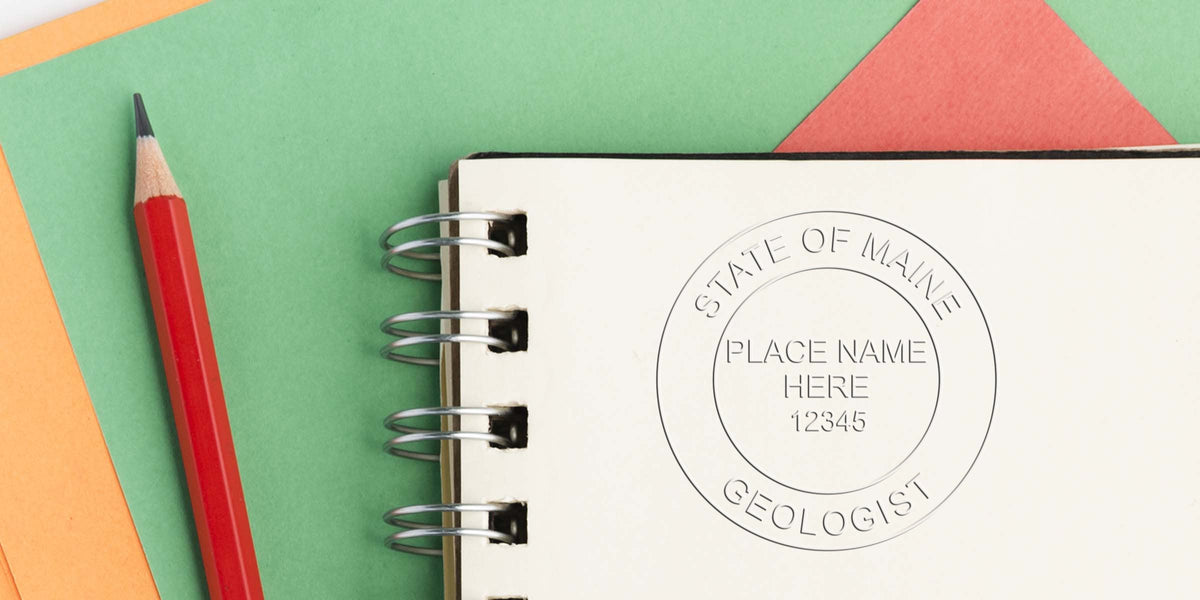
If you’re looking into becoming a licensed geologist in Maine or you already practice geology in the state, there’s a good chance you’ve heard about the Maine state geologist stamp. This official marking tool is part of your professional toolkit, helping you document and authenticate your work. But which stamp option is right for you, and how can you ensure it meets all regulations? Below, you’ll uncover the key details—from state guidelines to practical buying tips—so you can feel confident in your purchase.
Understand the Maine State Geologist Stamp
Before you dive into comparing brands or styles, let’s start with what the Maine State Geologist Stamp actually is. This stamp, sometimes referred to as a seal, is a device that transfers your unique professional mark onto documents like maps, reports, or any official paperwork related to geological activities. If you’re certified as a geologist in Maine, you’ll typically need one of these stamps as proof of licensure and authority.
The beauty of a well-designed geologist stamp is that it provides clear and consistent impressions. Think of it as your signature in a more official format. Every time you stamp a document, you confirm you’ve reviewed its contents and stand behind its accuracy. That’s why clarity in the stamp design is so important. You want your name, license number, and possibly the state’s official emblem to be unmistakably legible.
Know the Regulation Requirements
Maine, like many states, cares about maintaining professional standards. The geologist stamp requirements can vary, but they often revolve around including your name, license number, and the phrase “Licensed Professional Geologist” or something similar. The exact wording and layout may be outlined by state regulations, so you’ll want to check the current guidelines when designing or ordering your stamp.
Using your stamp correctly is just as critical as having the proper layout. In many cases, official documents require the professional geologist’s seal to ensure they meet state standards. Failing to stamp essential paperwork can lead to administrative headaches, or worse, calls into question your documentation’s validity. Before you decide on a stamp design, confirm that it meets any sizing or wording rules set by the Maine board. This step spares you from reordering and helps you stay compliant from day one.
Compare Stamp and Seal Options
When you search for a Maine geologist stamp, you’ll likely see a few different styles. For instance, you might find rubber hand stamps, pre-inked or self-inking models, and even embossers. Each type has its own perks. To help you choose, here’s a quick rundown:
| Stamp Type | Pros | Cons |
|---|---|---|
| Rubber Hand Stamp | Affordable, easy to replace ink pad, long-lasting handle | Requires a separate ink pad, can be messier at times |
| Self-Inking | Quick and convenient, ink pad is inside | Ink can dry out faster, limited color choices |
| Pre-Inked | Crisp, high-quality impression, no separate pad | Typically more expensive, re-inking can be tricky |
| Embosser | Creates raised seal on paper, very official look | Not suitable for all document types, can be bulkier |
Rubber stamps are classic and budget-friendly, but you do have to keep track of a separate ink pad. Self-inking versions skip that extra step: the ink is built right into the handle, so you just press and go. Pre-inked stamps offer extra clarity, which geologists find useful if their seal includes multiple details like license numbers or official emblems. If you want a truly professional, almost regal touch, consider an embosser. It leaves an impression you can feel. Still, an embosser can be bulky, and its raised seal might not be the best fit for every kind of document.
Hand Stamps vs. Self-Inking
Many geologists debate over rubber hand stamps versus self-inking models. Hand stamps are often long-lasting, especially if you replace the pad when needed. On the other hand, self-inking stamps are undeniably convenient. If you’re going to be stamping multiple reports or maps in one sitting, the speed and tidiness of a self-inking style might win you over. Just be sure to store them properly so the ink doesn’t dry out prematurely.
Consider Quality and Durability
Think about how often you’ll be using your Maine state geologist stamp. If you’re stamping multiple documents daily, cheap materials will wear out quickly, leaving you with smudged text and unprofessional impressions. In that scenario, investing in a higher-end pre-inked or self-inking stamp could be well worth it.
Durability also matters for traveling professionals. Some geologists work on-site or switch between office locations. If this sounds like you, focus on a stamp that’s lightweight yet sturdy, with protective covers or locks to prevent accidental stamping in your bag. Look for handles with comfortable grips so your hands won’t cramp if you’re pressing that stamp repeatedly.
Longevity Tips
- Clean the stamp surface regularly with a lint-free cloth.
- Keep your ink pads sealed when not in use.
- Store embossers in protective cases to avoid damage.
- Re-ink your self-inking or pre-inked stamps according to the manufacturer’s guidelines.
Explore Additional Features
Chances are you want a stamp that’s more than just functional. Maybe you’d love the option to customize fonts or shapes, or perhaps you need a specific color that stands out on heavier papers. Some brands provide different handle designs or interchangeable snap-ins, allowing you to switch out various stamp faces quickly.
You might also appreciate add-ons like a free electronic seal. This handy digital file allows you to place your licensing seal on electronic documents. That feature can save you tons of time when you’re sending reports through email or e-signing contracts. At Acorn Sales, we include a free electronic seal with Maine geologist stamps, which means one less item for you to buy separately. Options like that can make a big difference in your day-to-day workflow.
Shop for a Trusted Supplier
Selecting the right supplier helps ensure you don’t have to reorder your stamp a few months down the line. Look for a provider with a track record of customer satisfaction and long-term business history. Acorn Sales, for example, has been in business since 1964. That longevity shows they understand industry guidelines and know how to produce durable, authentic stamps for licensed professionals.
Many geologists choose to get a maine geologist stamp from well-established companies because those sellers are typically up-to-date on state regulations. Plus, a trusted supplier usually offers helpful customer support if you have questions about the layout or sizing of your seal. And don’t forget to check for warranty or repair policies. You never know when you might need a replacement ink pad or a quick fix for your handle.
Perks of Ordering Online
- Convenience: Compare multiple stamp models and finalize your design without leaving your desk.
- Instant Price Quotes: You can see the cost of each add-on before checking out.
- Faster Turnaround: Many online suppliers coordinate quick shipping schedules.
Recap and Next Steps
Your Maine state geologist stamp is more than just an office supply. It’s a stamp of confidence for your professional work. By complying with regulations and selecting a quality design, you’ll streamline your document process and highlight your credentials. Take the time to compare stamp types, review additional features, and pick a trusted supplier that can address your unique needs.
When you’re ready, explore reliable sources like Acorn Sales to order your stamp. A reputable company provides you with peace of mind, ensuring that every detail—like your name or license number—looks sharp and meets Maine’s standards. And don’t forget to utilize handy extras, such as the free electronic seal, especially if you plan to send digital documents.
Whether you’re just starting your geology career or you’ve been in the field for years, it’s crucial to maintain a seal solution that’s accurate, durable, and convenient. Take these tips to heart, and you’ll find yourself well-prepared for all your stamping needs. If you ever have questions, be sure to reach out to your state board or your chosen supplier. Now, go ahead and put your professional mark on the documents that matter most. Your future clients—and your credibility—will thank you.
Frequently Asked Questions
Why do I need a Maine state geologist stamp?
In Maine, practicing geologists typically must place an official seal on certain documents to validate their professional status. A geologist stamp proves you’re licensed and endorses the accuracy of the material you’re submitting.
How do I maintain my stamp properly?
Keep your stamp clean and store it in a dry area. If you’re using a self-inking or pre-inked style, monitor ink levels and refill as needed. For embossers, routinely check that the plates are free from dust or debris.
Are digital seals accepted for official paperwork?
Many modern offices do allow a digital version of your seal, but requirements can vary. Free electronic seals from companies like Acorn Sales are useful for emailing PDFs, but some documents still need a physical stamp. Always confirm which format is acceptable for the specific process you’re working on.
Where can I buy an official Maine state geologist stamp?
You can purchase through reputable vendors familiar with Maine’s guidelines to ensure compliance. Acorn Sales, for instance, has been a trusted provider since 1964. They offer reliable materials, quick shipping, and a free electronic seal with your stamp purchase.








