
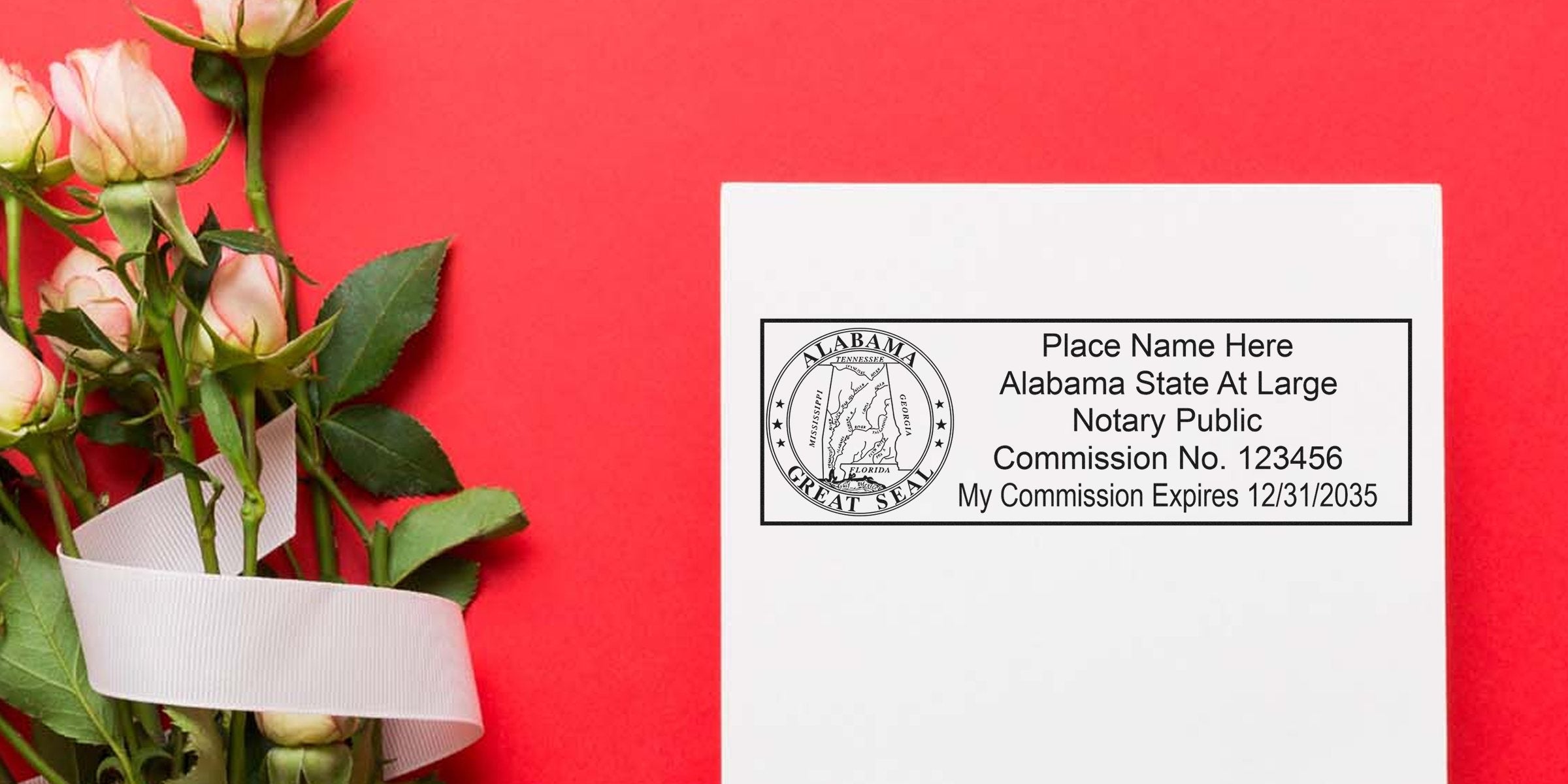
Are you in the market for a brand-new notary seal Alabama can trust? Maybe you just got your Alabama notary commission or you’ve decided it’s time to upgrade the tools of your trade. Either way, you deserve an easy, reliable buying guide. This post covers everything from Alabama’s basic requirements to picking out the best seal materials. Let’s jump in.
Explore notary seal basics
Your notary seal is the official stamp or embosser that validates your notarizations. Every time you witness a signature, your seal imprints critical details such as your name and commission number. This makes it a deal-breaker if it’s hard to read or prone to smudging. You want a crisp, clear impression that customers can trust.
Here are the key elements you’ll typically see on a notary seal:
- Notary’s name (exactly as on the commission)
- State or jurisdiction
- Commission expiration date
- Commission number (if required)
Understand Alabama requirements
In Alabama, you’re required to have a notary seal that clearly states your commission details. The impression must be legible and compliant with state guidelines. While you don’t need separate color or size stipulations, it’s smart to check for any local updates, just in case.
If you’re unsure, your county probate office is a good place to confirm current rules. It’s always better to double check than risk an unusable seal.
Compare stamp and embosser
When choosing your seal, you can go the ink-stamp route or opt for an embosser that leaves a raised impression on paper. Both options work, but they differ in convenience and the final look.
| Feature | Stamp | Embosser |
|---|---|---|
| Impression visibility | Ink shows instantly, easy to read in copies | Raised design, can be harder to photocopy |
| Portability | Compact, can slip into your pocket | Slightly bulkier, needs a bit more space |
| Usage comfort | Minimal pressure needed for a clean mark | Requires a firm squeeze for clarity |
Your day-to-day environment matters. If you handle many notarizations in different locations, a self-inking stamp can simplify your routine. On the other hand, if you love a timeless, professional look, an embosser might be your best friend.
Choose reliable materials
A flimsy notary seal can cost you time, money, and frustration. Look for:
- Durable construction (metal frames can withstand repeated use)
- High-quality rubber or plates (for sharper impressions)
- Smooth mechanics (nothing jams your workflow like a seal that won’t open or press properly)
Don’t be afraid to invest a little more in a product that will stay crisp for the duration of your commission.
Rely on a trusted brand
When it comes to picking up Alabama notary products, a reputable supplier can save you countless headaches. Acorn Sales has been making stamps and seals for over 60 years, so they understand what notaries need. Their range of alabama notary supplies meets state guidelines, plus you get super-fast service and top-quality construction. That’s a weight off your shoulders when every impression really counts.
Wrap up the key points
Choosing your perfect Alabama notary seal doesn’t have to be complicated. Start by confirming state requirements, then decide between an ink stamp or embosser based on how you work. Give some thought to materials—especially if you plan to notarize documents regularly. Finally, lean on trusted suppliers such as Acorn Sales to make sure your seal is both high quality and fully compliant. You’ll be squared away in no time!
Alabama typically doesn’t specify ink colors. However, black ink is standard for clarity and to ensure it shows on photocopies. If you want another color, confirm it’s acceptable with your county office.
Frequently Asked Questions
How long does it take to get my notary seal?
It depends on the supplier. Many can ship within a few business days, while some custom orders might take a bit longer. At Acorn Sales, you can expect fast fulfillment, so you won’t wait around.
Can I personalize my seal image?
In Alabama, the seal typically requires defined elements like your name and commission details. You can’t omit the essentials, but you may be able to choose a round or rectangular shape. Check your county’s rules for specifics.
Should I buy both a stamp and an embosser?
It’s not mandatory, but having both can be helpful. Some documents look more formal embossed, while a stamp is quicker if you’re notarizing many pages a day.
What if my name changes during my commission?
You’ll need to renew or update your commission information and then order a seal with your updated name. Make sure you stay consistent with official records.








