
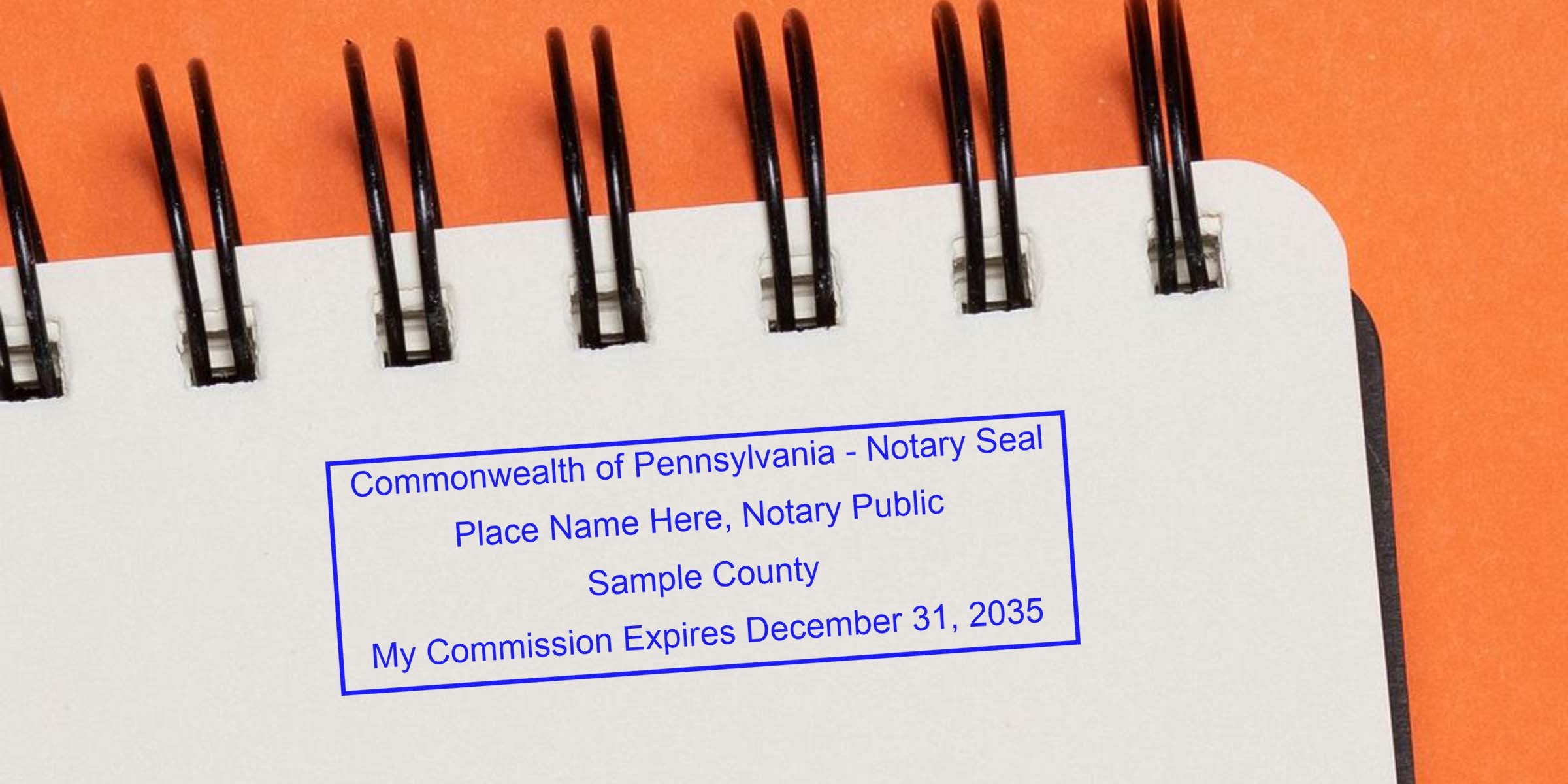
Looking to buy a Pennsylvania notary public stamp but not sure where to start? Whether you’re newly commissioned or simply replacing your current stamp, it’s important to consider the official requirements, stamp styles, and factors like durability. The right stamp or seal makes your job easier and keeps every notarized document in compliance. Let’s walk through what you need to know when shopping for your next Pennsylvania notary public stamp.
Understand Pennsylvania Notary Rules
Pennsylvania law specifies that a notary must use an official seal stamp on every notarial act. This stamp includes your name, commission number, and the words “Notary Public” alongside “Commonwealth of Pennsylvania.” It’s key to use a stamp that is readable, fits official guidelines, and leaves a clear impression.
Basic Commission Requirements
- Maintain an active commission. If yours is about to expire, plan ahead for a new stamp.
- Keep your commission number on file. You’ll need it for the custom engraving.
- Always review Pennsylvania’s notarial laws for updates on design or format.
Proper Stamp And Seal Use
- Make sure each stamp impression is crisp. A blurry seal can cast doubts on authenticity.
- Store your stamp in a secure area, such as a locked drawer. This prevents unauthorized use.
- Renew your stamp whenever it shows signs of wear, to avoid incomplete or overlapping imprints.
Choose The Right Stamp Type
You’ll find several stamp styles on the market, each with its own advantages. Before you order, think about how often, where, and under what conditions you use your stamp.
Pre-Inked Vs Self-Inking
Pre-inked stamps hold ink within the die, so you typically get sharp, dark imprints. They often work well for high-volume notaries who want consistent results. Self-inking stamps have an internal ink pad that re-inks the die after each impression, making them quick to use. If you frequently travel or work on the go, self-inking might be a great fit.
Traditional Rubber Stamp
If you’re on a budget or prefer a classic feel, a traditional rubber stamp paired with a separate ink pad can do the job. This option may require a bit more effort—re-inking and pressing firmly—but it’s also easy to replace or switch out pads. Just be sure the pad you choose creates a bold, legible mark.
Consider Important Buying Factors
Choosing a Pennsylvania notary public stamp is not just about the type. It’s about ensuring your seal meets all legal requirements and personal preferences.
Size And Durability
- Opt for a compact design if you frequently travel.
- Pick a larger stamp if you want a more prominent imprint on documents.
- Stamps with sturdy plastic or metal bodies tend to last longer and feel more solid in hand.
Ink Color And Clarity
- Pennsylvania typically requires dark ink so the impression is readable.
- Black or blue ink is most common, but confirm your local regulations if you have questions.
- Check if refill kits are easily available to keep your stamp sharp over its lifetime.
Why Acorn Sales Is Your Go-To
Wondering where to buy your stamp? Acorn Sales has been manufacturing stamps and seals for over 60 years. We’ve earned our reputation as a trusted supplier of Pennsylvania Notary Supplies, offering quick-turnaround products that meet all compliance requirements. From self-inking stamps to the traditional rubber kind, we’re here to help you find the perfect option.
- Experience you can count on: Our decades of expertise mean you’ll get a top-quality seal adapted to Pennsylvania’s latest rules.
- Fast service: Need your stamp in a hurry? We specialize in prompt processing and delivery.
- Guaranteed compliance: Every stamp we create is designed to meet (or exceed) Pennsylvania’s standards.
If you’re looking to bundle your shopping, we also carry other Pennsylvania notary supplies. This makes it easy to order your entire notarial toolkit in one go.
Selecting the right Pennsylvania notary public stamp doesn’t have to be complicated. When you focus on compliance, durability, and clarity of impression, you’re setting yourself up for success. If you’re ready to place an order, consider Acorn Sales for a reliable, time-tested solution. We’re here to help you confidently serve your clients with every notarized document.
Frequently Asked Questions
Can I Use A Blue-Inked Notary Stamp In Pennsylvania?
Yes, Pennsylvania law does not strictly forbid colored ink, as long as the impression is clear. However, black or blue ink ensures a crisp, easily readable stamp on most documents.
How Often Should I Replace My Notary Stamp?
That depends on usage and quality. If the impression starts looking faint or parts of the seal are incomplete, it might be time for a replacement. Regularly inspect your stamp to ensure each document meets state requirements.
Is A Notary Embosser Required In Pennsylvania?
Pennsylvania typically requires a visible ink stamp. While some notaries choose to use an embosser alongside the ink stamp, it’s not always mandated. Check current regulations to see if an embosser could benefit your practice.








