
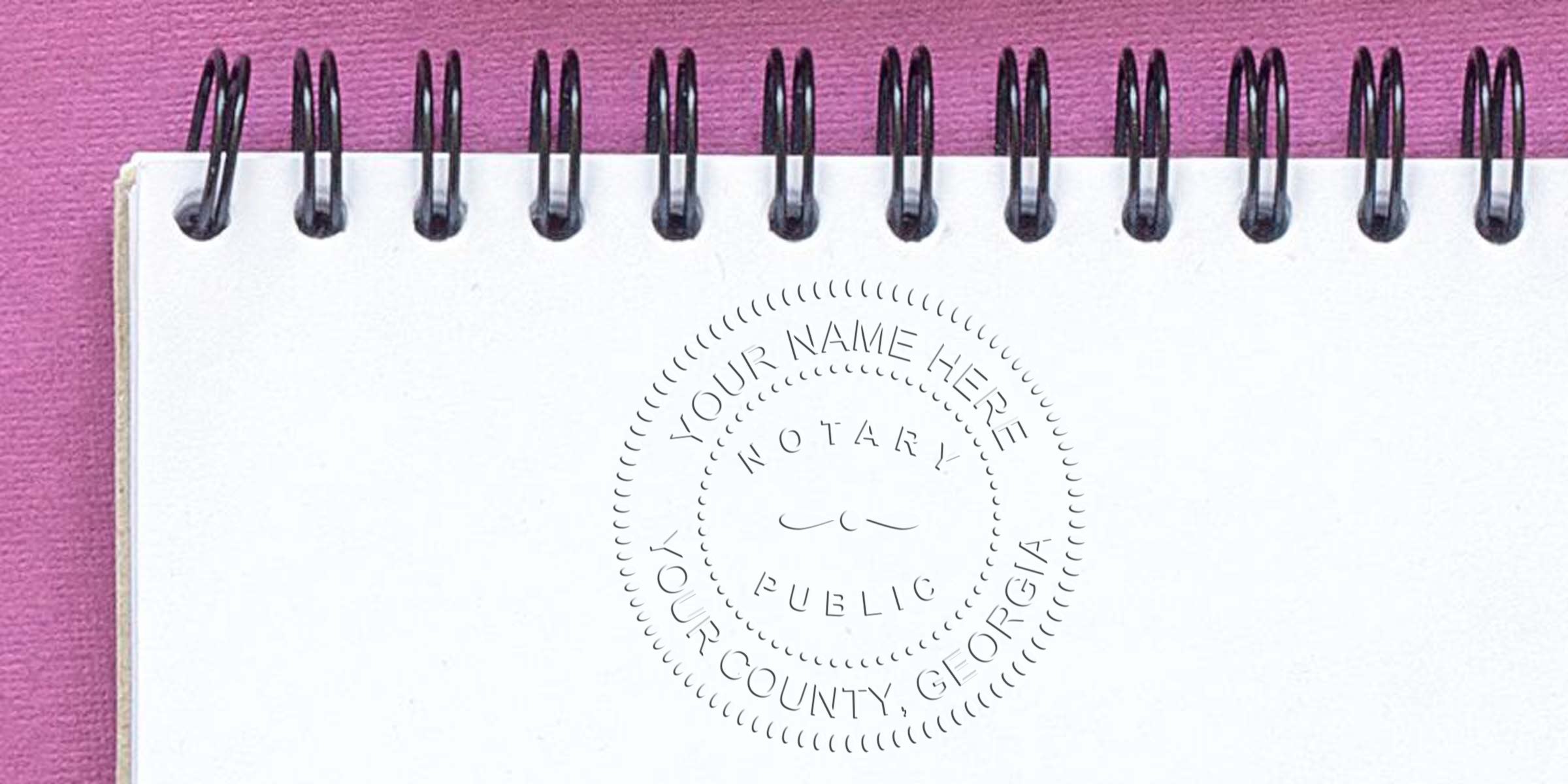
When you first look for Georgia notary supplies, you’re often juggling state regulations, personal preferences, and user-friendly products all at once. It’s easy to feel overwhelmed. After all, notary work is about precision and professionalism, and the right supplies help you maintain both. In this ultimate guide, you’ll learn which items are truly essential, how to select the best stamp and seal, and how to keep everything organized for smooth signing sessions. Ready to get started?
Explore Georgia notary supplies
Picking the correct notary tools is not just about complying with state laws, it’s also about giving your clients peace of mind. When your supplies are reliable, it speaks volumes about how seriously you treat your role.
Why the right supplies matter
Even if you sign documents only a few times a week, you want to be sure your stamp impressions are crisp and your seal is clearly legible. This attention to detail stops any confusion over authenticity and helps maintain the legal integrity of every notarized document. Plus, having all your tools in easy reach speeds up appointments and projects a professional image.
Choosing top-quality supplies also reduces the likelihood of costly replacements. If you opt for flimsy or noncompliant materials, you might have to buy new gear more often. Ultimately, supplies that meet official state standards can help you stay on track.
Common supply categories
As a Georgia notary, you’ll encounter several items touted as “must-haves.” To make sense of it all, here’s a quick breakdown:
- Notary stamp: The most recognizable piece, your stamp ensures documents carry an official mark.
- Notary seal (or embosser): Used alongside or instead of an ink stamp to authenticate notarized paperwork.
- Notary journal: A dedicated record book for logging each transaction or signing, providing a documented trail if questions arise later.
- Ink refills or replacement pads: Essential for self-inking and pre-inked stamps to keep impressions sharp.
- Storage solutions: Bags, sleeves, or cases that help protect your supplies from wear and tear.
Each of these plays a key role in staying compliant with Georgia laws. You’ll find that once you’ve organized your kit, your daily routine gets a lot simpler.
Know your stamp options
When it comes to your notary stamp, there’s a surprising range of choices. Stamps vary by ink type, design, and overall construction, so it’s important to make sure what you pick aligns with the Georgia notary stamp requirements. It never hurts to double-check with your county clerk’s office for any special local guidance, too.
Georgia notary stamp basics
At a minimum, your stamp should include your name as it appears on your notary commission, along with a clear indication that you are a notary public in the state. Many designs also include your county and an expiration date field. Following the rules spelled out in georgia notary stamp law ensures every impression is valid.
You may see references to a raised seal, but generally a notary seal and a notary stamp can function together to authenticate a document. Nonetheless, you’ll want to confirm which one your local jurisdiction prefers or requires.
Self-inking vs. pre-inked
One big decision is whether to choose a self-inking or pre-inked stamp. Both can be compliant, but each type offers unique perks:
| Stamp Type | Key Features |
|---|---|
| Self-Inking | - Built-in ink pad that re-inks itself for each impression. - Typically lasts up to a few thousand impressions before needing an ink refill. - Faster stamping but may not be as crisp as pre-inked. |
| Pre-Inked | - Contains ink in the stamp’s rubber or gel plate. - Produces ultra-clear impressions with minimal smudging. - Generally pricier but lasts longer per refill. |
If you perform several notarizations a day, you might favor a self-inking stamp for speed. If precision and immaculate clarity are your top priorities, a pre-inked option is worth a look. Either way, ensure you’re following georgia notary stamp format sample guidelines to keep your documents tidy and official.
Stamp design tips
A notary stamp is like your personal signature. You want it to look professional but still be readable. Here are a few pointers:
- Keep it simple: Too many fancy borders or decorative text can crowd out crucial info.
- Check size requirements: According to georgia notary seal dimensions, you should make sure your impression remains legible and fits neatly on your documents.
- Watch your expiration date: Some stamps include the commission expiration. If you’re nearing renewal, consider an option with an interchangeable date so you won’t need a brand-new stamp each period.
Once you’ve picked out the right style, test it on a spare sheet of paper to ensure the ink coverage is even. It’s also smart to keep a small stash of refills on hand, especially if you notarize frequently.
Use a proper notary seal
In addition to a stamp, many professionals incorporate a notary seal as an extra layer of assurance. Technically, some documents may not require raised embossers at all, but they are still prized for their official look. If you’re unsure, consult georgia notary seal requirements to be certain your seal meets state guidelines.
State guidelines to remember
Georgia primarily requires a legible seal, and in many cases, an embossed imprint complements your ink stamp. Make sure the seal impression clearly shows your name and the words “Notary Public,” along with “Georgia.” If you’re not sure whether an embosser is mandatory, check with your local clerk or the georgia notary public seal guidelines.
Additionally, consider the shape and size of your embosser. Some prefer a round design, while others favor a rectangular shape. The main point is that you can reliably reproduce a readable imprint on every document.
Embossers vs. inked seals
Notary seals come in different forms:
- Handheld embosser: Produces a raised paper imprint and is easily portable.
- Desk embosser: Tends to be larger and can offer more leverage for heavier paper.
- Inked seal embosser: Sometimes pairs a raised design with ink to enhance legibility.
Embossers with a sliding lock mechanism are great for traveling notaries, as they can fit securely in a bag or storage case. Whichever style you pick, remember that clarity is king. Faint or barely legible seal impressions may be a red flag in important legal documents.
Gather essential accessories
Your stamp and seal are cornerstones of any notary kit, but a few carefully chosen extras can save you time and hustle. Simple items like a notary journal and durable storage solutions often get overlooked, yet they’re crucial to keeping you efficient and organized.
Journals, bags, and more
- Notary journal or record book: Maintain a detailed log of each notarial act. It’s an excellent defense if your work is ever called into question.
- Locking bag or pouch: Confidential information should stay protected. A locking folder or briefcase can guard against unauthorized handling.
- Extra ink pads or cartridges: Running out of ink mid-appointment is unprofessional and frustrating. Keep a spare to avoid delays.
- Pens and stationery: It’s always wise to carry a few high-quality pens. You never know when a signatory might need a spare.
If you’re just starting out, you can find a convenient georgia notary kit that packages many of these essentials together. Having one place to store everything makes your signing sessions go more smoothly.
Storage and organization tips
Think of your notary supplies like baking ingredients. If they’re scattered around, you’ll waste time tracking them down. If they’re organized in one spot, you can begin working right away. A dedicated box or section in your office for all notary items ensures you don’t scramble the night before an appointment.
Establish a quick cleaning routine, especially for your stamps, to avoid ink clumps. Once a month (or more often if you notarize daily), wipe down any residue or dust. These small actions can extend supply life and keep everything in tip-top shape.
Maintain your notary supplies
Quality notary gear can last years with basic maintenance. And crucially, it’s your responsibility to keep your tools accurate, up to date, and in line with legal requirements. This section covers cleaning, re-inking, and even what to do when your commission expires.
Cleaning stamps and seals
Stamps can become gummed up with ink, paper fibers, or dust over time. To fix this:
- Press the stamp lightly on a damp paper towel to dissolve dried ink.
- Remove any trapped fibers with a toothpick or cotton swab if needed.
- Let it air-dry and test on a scrap paper to ensure a crisp, complete impression.
Your embosser may collect stray pieces of paper or lint. Gently opening the device and brushing away debris can help the embosser jaws align properly, yielding a sharper imprint.
When to replace them
Following georgia notary seal expiration date guidelines helps you know when a seal is out of date or too worn. With stamps, you’ll notice you’re past the limit if:
- The date on your stamp has expired or nearly expired, and it’s nonadjustable.
- Impressions look uneven or smeared, even after you’ve changed the ink pad.
- The handle or base has cracked, which can result in inconsistent alignment.
Don’t wait until you’re in the middle of notarizing an important document to notice these issues. Regularly test your stamp on scrap paper to catch potential failures before they become major headaches.
Choose a trusted provider
While it’s tempting to buy the cheapest items online, it’s worth investing in reliable sources for your notary needs. After all, you don’t want to scramble for replacements if a subpar stamp fails in the middle of a major loan signing. So, consider who you’re buying from just as carefully as the product itself.
Why Acorn Sales stands out
Acorn Sales is a trusted supplier with over 60 years of experience in creating top-quality notary stamps and seals. Because they’ve been crafting these products for decades, they understand the finer details that make a difference in everyday use. Their quick turnaround times mean you won’t be stuck waiting for replacements or updates, and they stay on top of current regulations so your seal remains compliant.
If you plan to order a new georgia notary stamp or want to explore ga notary supplies, you’ll find that Acorn Sales offers a broad selection, such as self-inking, pre-inked, and even specialty designs. Plus, dedicated support staff can guide you if you’re ever unsure which products meet the georgia notary public seal guidelines.
Checking for compliance
Before hitting “buy,” take a minute to confirm your supplier understands Georgia notary rules. A reputable company will display clear compliance statements. That peace of mind is especially comforting if you’re new to the notary world. And if you need to buy georgia notary seal or buy georgia notary stamp again in the future, working with a trustworthy vendor ensures consistency across your notary supplies.
When your commission is up for renewal, you can also check out georgia notary stamp renewal requirements to avoid any surprises. Keeping everything current helps you uphold a professional reputation and eliminates last-minute scrambles.
Finish with top takeaways
By now, you’ve probably noticed that proper Georgia notary tools not only keep you compliant, they also create a smoother signing experience for everyone involved. Let’s recap the major points to remember:
- A properly designed stamp is essential. Self-inking or pre-inked, make sure it meets state guidelines.
- A legible seal, whether embossed or inked, adds authenticity.
- Additional gear like a notary journal, bags, and refills keeps you efficient.
- Regular maintenance of stamps and seals preserves their lifespan and keeps everything looking sharp.
- Choosing a trusted provider, such as Acorn Sales, guarantees both quality and compliance.
A thorough approach to your georgia notary supplies means fewer hiccups for you and your clients. Aim for well-organized materials, consistent upkeep, and a reliable supplier. That way, you can focus on the service you’re providing rather than worrying about your tools.
Good luck building your toolkit. If you stay organized and opt for quality items, notarizing documents should become second nature. Whether you’re seasoned or brand-new to the notary world, the right gear—combined with a little know-how—can save you time and keep clients smiling. Remember, a confident notary is one who trusts their supplies!
Frequently Asked Questions
How often do I need to replace my notary stamp?
It depends on the stamp’s condition and expiration date. Many last for several thousand impressions, but if you notice your impression fading or your commission expiration is coming up, it might be time for a new one.
Is a notary seal mandatory in Georgia, or is a stamp enough?
Officially, Georgia requires a notarial seal that’s clearly legible. Most notaries prefer to use both a stamp and a seal, but check georgia notary seal and stamp guidelines for the finer points.
Does my name on the stamp have to match my legal name exactly?
Absolutely. Use the exact name that appears on your notary commission so there’s no question of authenticity or mismatch when reviewing notarized documents.
What happens if my seal imprint isn’t clear on a document?
If the seal or stamp is incomplete or illegible, you may have to re-notarize the document. Ensuring your tools are well-inked and in good condition goes a long way in preventing this issue.
Can I buy supplies online if I’m pressed for time?
Yes, as long as you stick with a reliable provider. Acorn Sales, for example, offers quick shipping and a variety of options to align with state laws. You can even buy georgia notary stamp packages that include everything you need from start to finish.








