
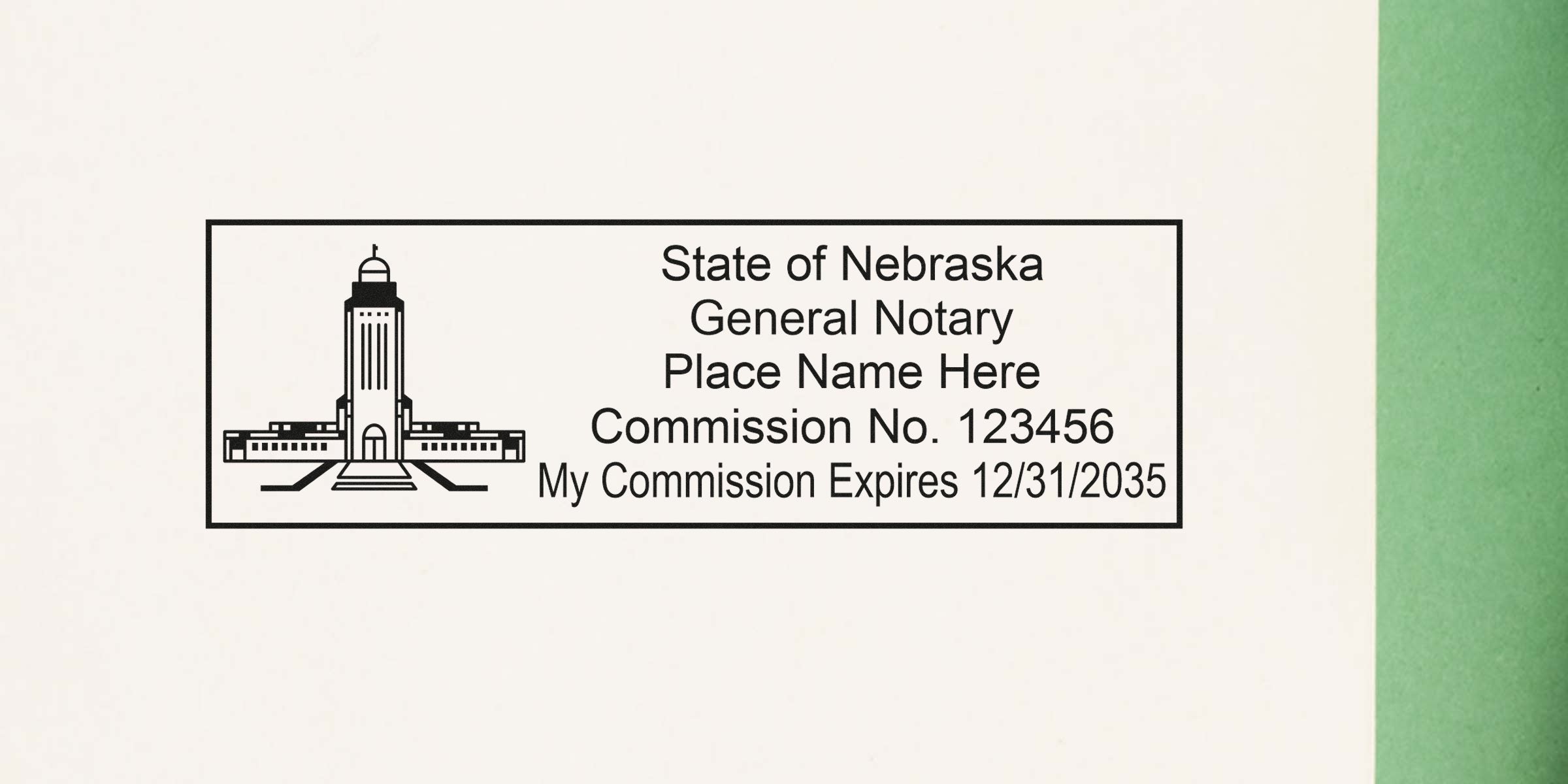
Are you new to Nebraska’s notary scene or just replenishing your go-to tools? If so, you’re probably on the lookout for Nebraska notary public supplies that help you stay professional and fully compliant. In this quick guide, we’ll explore everything from your essential stamp to those extra items that make your life easier. Ready to equip yourself with the best? Let’s dive in.
Get The Basics
Before you start signing and stamping away, make sure you have your commission certificate. This document officially allows you to perform notarizations in Nebraska. Next, you’ll want a notary seal or stamp that matches state guidelines. If you’re curious about what’s available, check out nebraska notary supplies.
A reliable journal is also a smart idea. You’ll need a record of every notarization, and well-kept logs can protect you if any legal questions come up later. Keep your journal somewhere secure, and update it regularly so you’ll never forget the details of a transaction.
Use Quality Stamps
Your notary stamp is the star of the show, so invest in one that’s built to last. Acorn Sales is a trusted supplier of Nebraska notary stamps and seals, offering over 60 years of experience in stamp making. With their quick turnaround and compliant seals, you can feel confident you’ll get the proper impression every time.
When comparing stamp options, consider durability, portability, and ink color. High-quality stamps won’t smudge or fade over time, improving the clarity of your notarial acts. After all, a crisp seal sends a professional signal to everyone who sees it.
Secure Additional Tools
Beyond stamps and seals, you’ll want a few extra items in your notary kit. Some notaries swear by embossers, which imprint a raised image on paper for an added layer of authenticity. You may also find a sturdy carrying case helpful if you travel to clients’ offices or off-site signings.
In addition, don’t overlook accessories like replacement ink pads, tamper-evident envelopes, and even a small magnifying glass if you frequently verify IDs with fine print. These details might seem minor, but they can save time and reduce stress when you’re juggling multiple appointments.
Follow Compliance Steps
Nebraska has specific laws regarding notarial acts, so keeping up with rules can protect both you and your signers. Double-check your commission expiration date, and renew well in advance. It’s best to store your notary supplies securely, so no one else can misuse them.
Acorn Sales stays on top of current requirements, so you’ll always receive seals that meet the latest standards. Should you ever need a replacement or an update, a quick order ensures you maintain compliance without skipping a beat.
Recap Key Takeaways
- Begin with the basics, including your commission certificate and a detailed journal.
- Invest in a reliable stamp from a reputable supplier like Acorn Sales.
- Gather handy extras, such as notary embossers and replacement ink pads.
- Stay informed about Nebraska’s notary regulations to protect your credentials.
By focusing on essential supplies and compliance, you’ll be ready for any notarization request that comes your way.
Frequently Asked Questions
Is a notary stamp mandatory in Nebraska?
Yes. You need an official notary stamp or seal that meets the state’s shape and wording requirements to validate your notarial acts.
How often should I replace my notary seal?
Typically, you’ll replace it once it starts to wear down or becomes difficult to read. Be sure to renew if you change your name or after renewing your commission.
Can anyone else use my notary stamp?
No. You’re the only one authorized to use your stamp. Always store it in a secure location to prevent misuse.
Do I need specific ink colors for my stamps?
Nebraska doesn’t mandate a single color, but black or blue ink is standard because it reproduces well on copies and scans.
What if my seal is lost or stolen?
Report it to the Nebraska Secretary of State’s office immediately. Also, replace your seal right away to avoid unauthorized use.
Are there special record-keeping rules for Nebraska notaries?
You should log every notarization in a journal, noting the signer’s name, identification details, and document type. This protects you if any legal or compliance questions arise.








