

Understand Alabama Land Surveyor Requirements
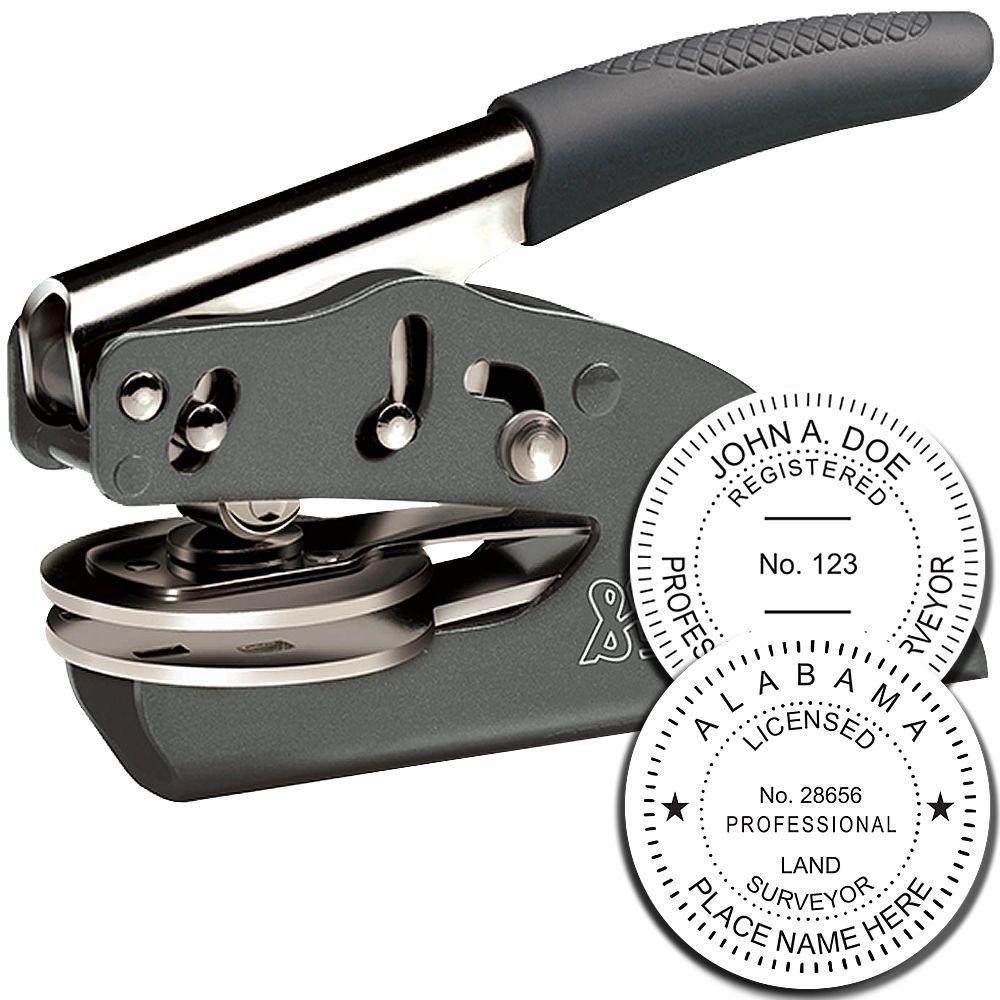
Choosing your AL PLS embossing seal can feel like a big task if you’re just getting started in the field. You want a seal that meets Alabama’s regulations, delivers clean impressions, and stands up to frequent use. The Alabama Board of Licensure for Professional Engineers and Land Surveyors sets clear rules on the design and wording of your seal, so you’ll want to double-check those specifics. In short, the format, diameter, and exact wording are non-negotiable: your seal must identify you as a licensed Professional Land Surveyor (PLS) in Alabama, display your name clearly, and include your license number. Following these guidelines helps you stay on the right side of the law and communicate credibility to your clients.
All that said, you do have some room to personalize. For instance, you could choose different handle types or embossing styles as long as you meet the state’s format and size guidelines. However, the key is making sure your seal is easy to read, consistently accurate, and comfortable enough to use whenever you need to authenticate documents. When you’re shopping, remember that detail matters. On topographic surveys, boundary surveys, and official plats, your AL PLS embossing seal needs to produce a sharp impression that leaves no doubt about its authenticity.
Consider Materials and Durability
If you think about how often you’ll stamp documents, it becomes clear why material quality is so important. Aluminum, steel, and brass are common metals used to craft seal presses. Each material offers a different level of durability and weight. For instance, brass inserts tend to be very sturdy and capable of producing crisp impressions repeatedly without the engraving or embossing plates wearing down. Steel frames are often more lightweight, but they can still handle a sizeable workload.
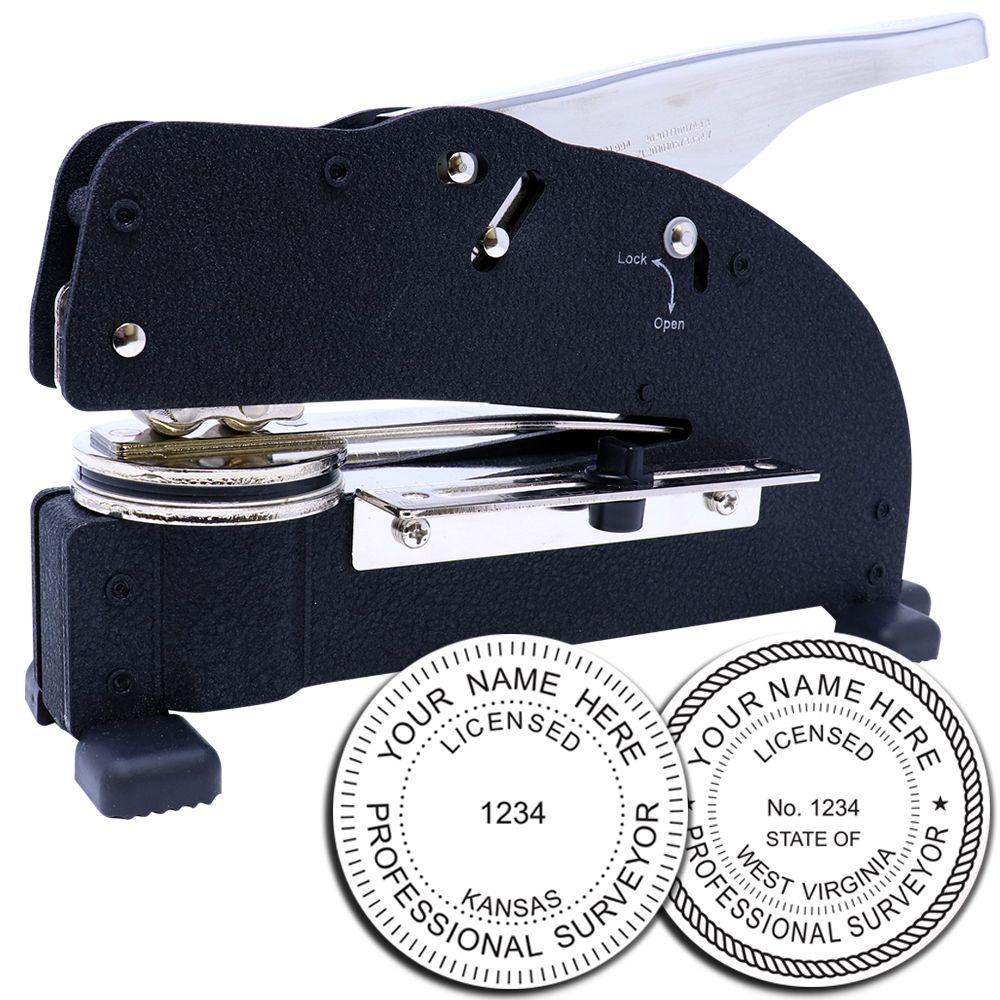
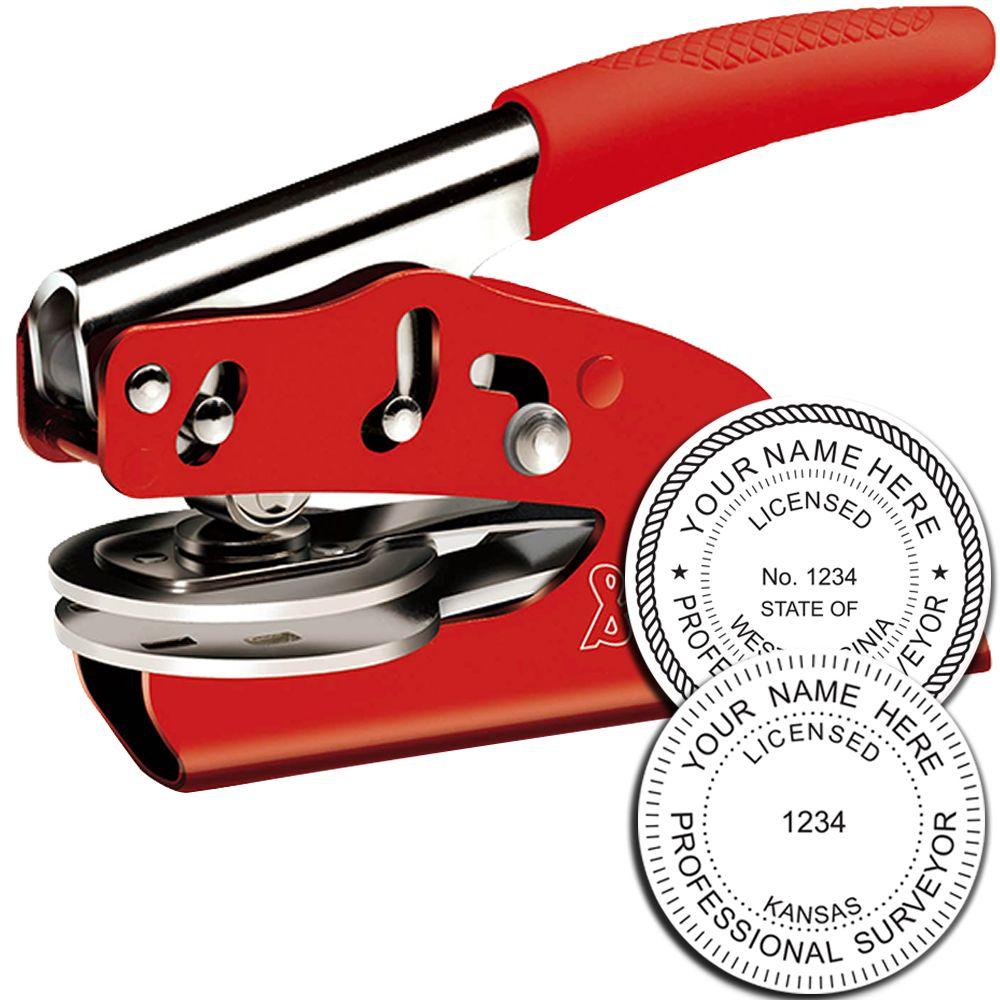
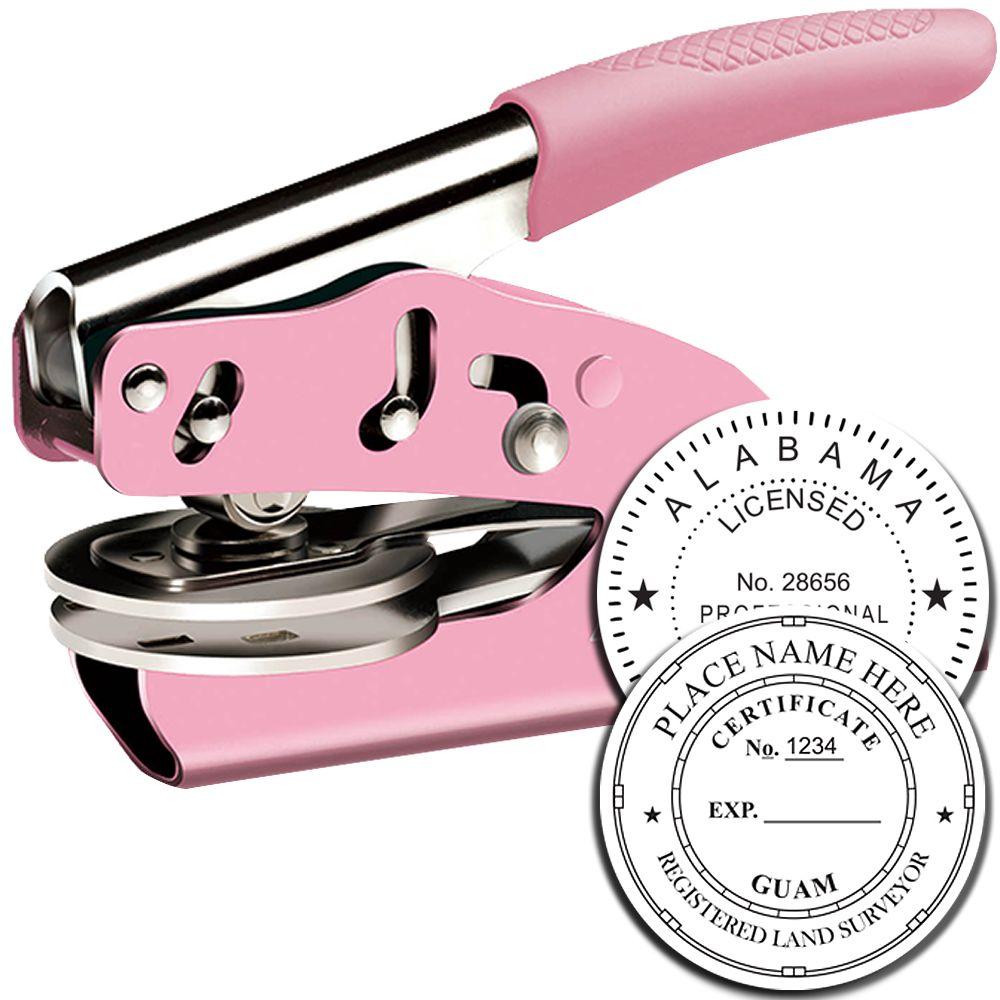
Consider how often you’ll be on the go. If you’re primarily working in your office, a larger desktop embosser might make sense. However, if you need to carry your seal from one job site to another, a portable handheld model might be your best bet. Handheld seal presses tend to weigh less and fit more easily into a bag or briefcase, though some surveyors say they find them slightly more difficult to maneuver. If you travel often, it can help to have both options, so you’re never left without a reliable way to mark a critical document.
When to Pick a Heavy-Duty Press
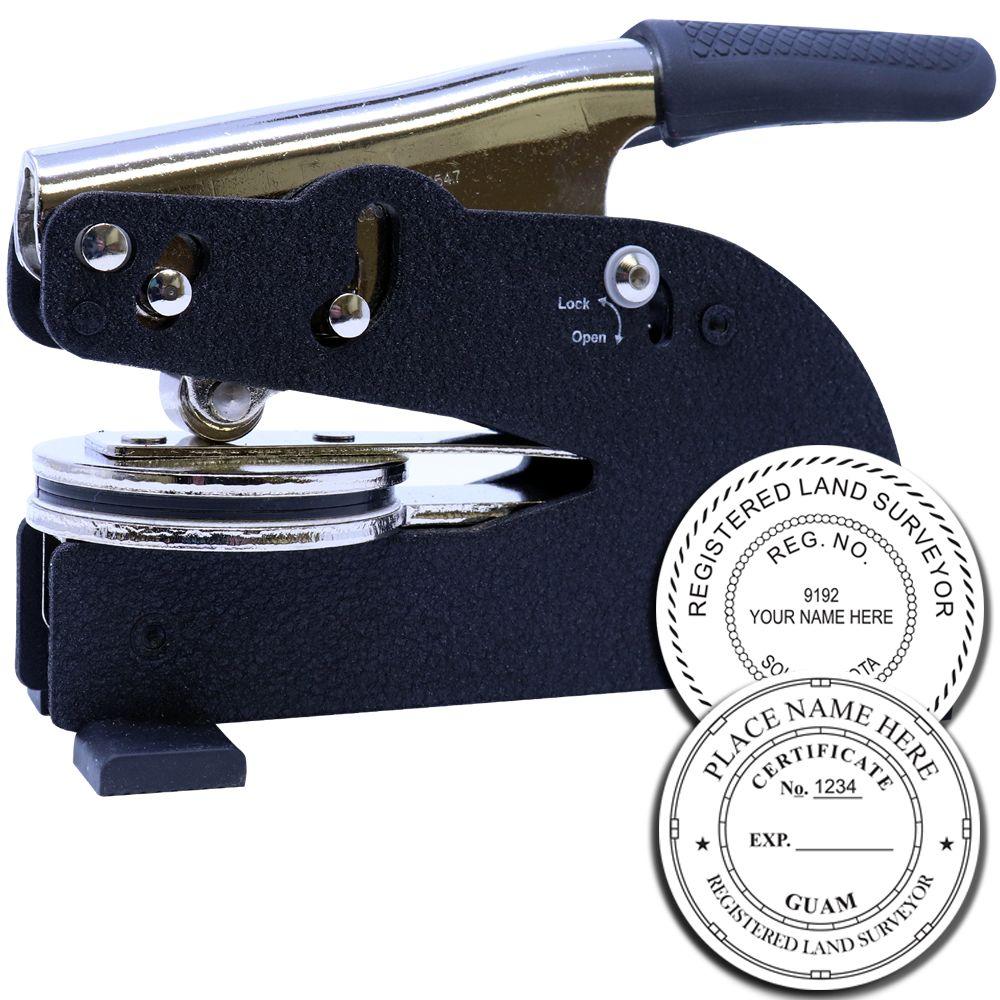
Heavy-duty presses are typically designed for high-volume stamping. If you encounter a daily stack of documents that need sealing, you might prefer a desktop press with a sturdy metal frame. These can often handle more pages at once, and they’ll last for years if you maintain them properly. Look for ergonomically designed handles, especially if you spend a good chunk of your day embossing plans.
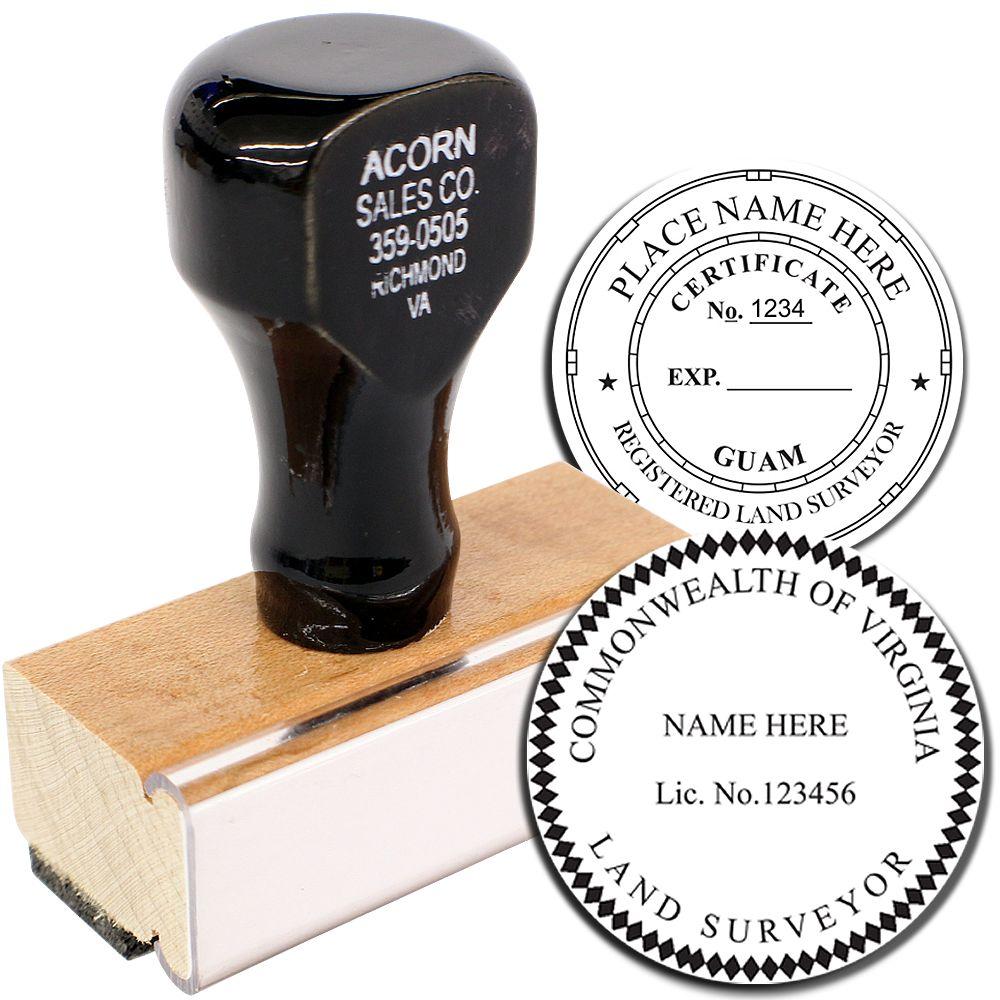
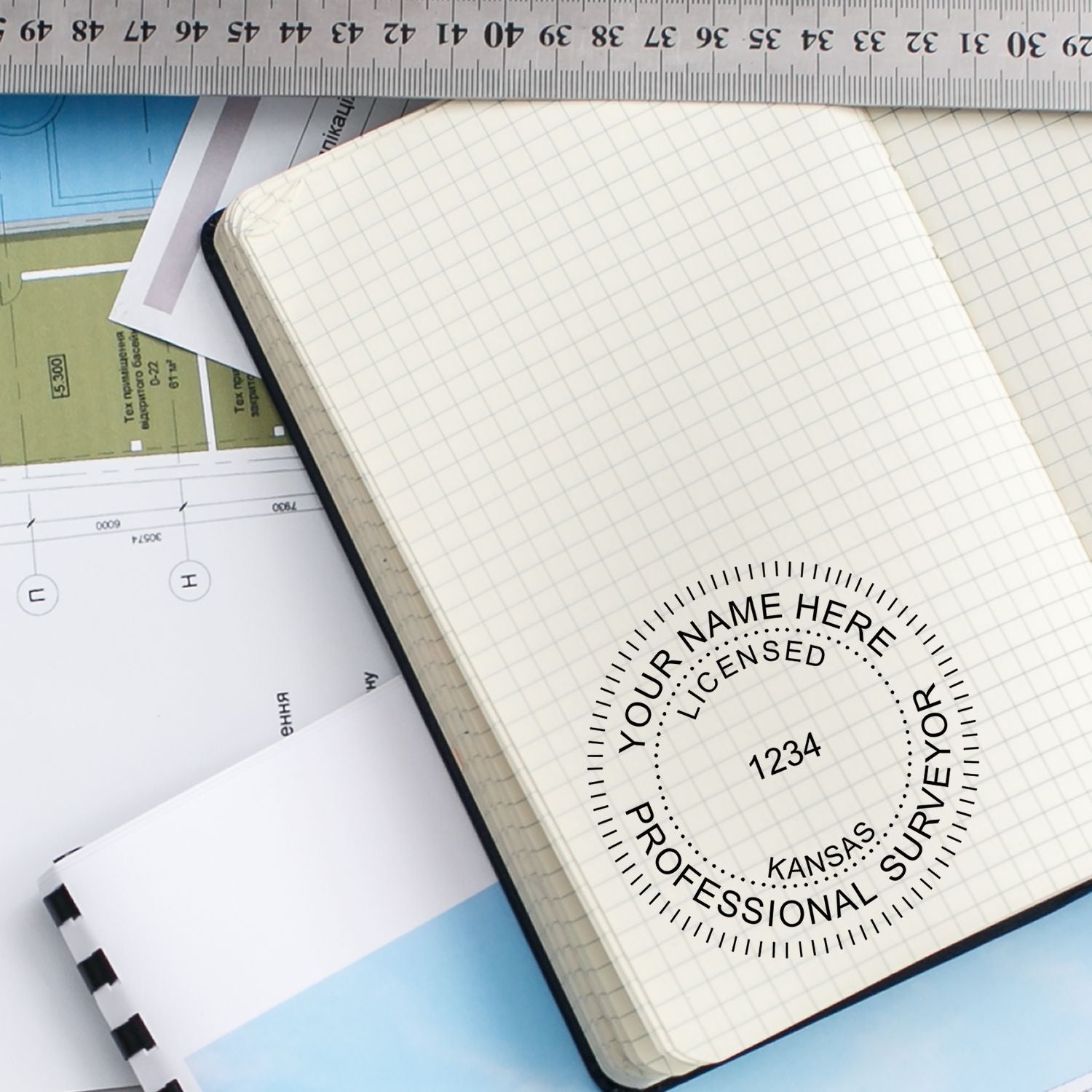
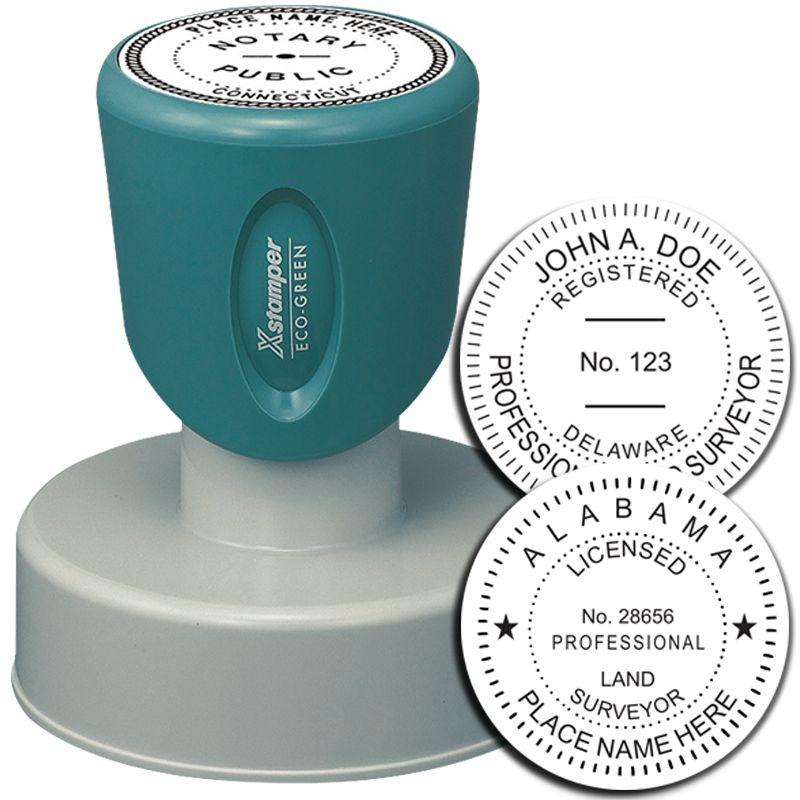
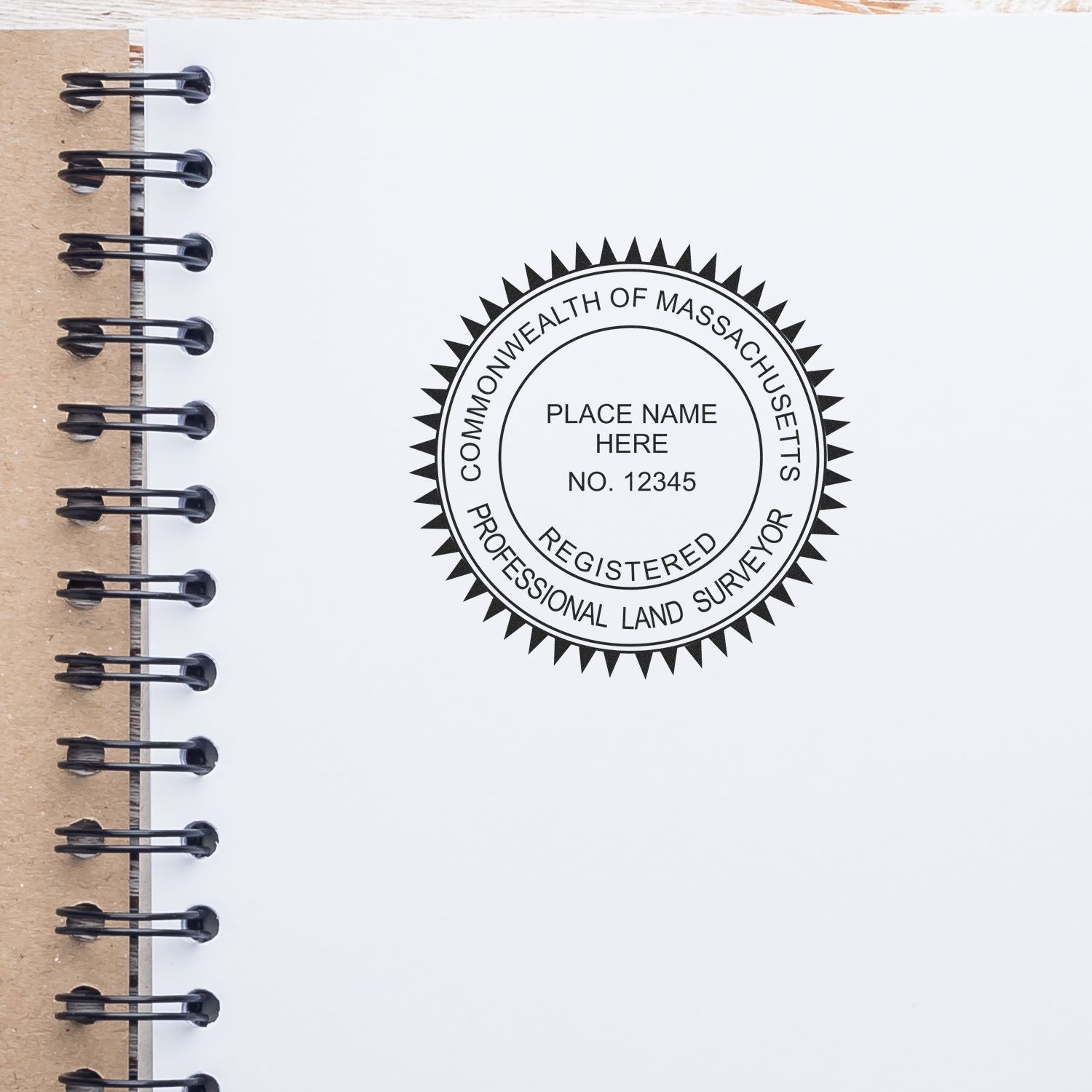
When to Pick a Lightweight Model
A lighter model, like a foldable handheld press, is easier to stash in your bag and doesn’t require much storage space. If your sealing needs are sporadic, you might find the smaller press more than enough. Just keep in mind that smaller versions can require more hand pressure, and the embossing area may be slightly narrower.
Evaluate Embossing Depth and Impression Quality
When you’re surveying land in Alabama, you’ll often create or review documents ranging from lot subdivisions to more complex infrastructure surveys. Whatever you’re finalizing, you want to leave a crisp impression that stands the test of time. Your seal isn’t effective if the text or numbers become unreadable after a few photocopies or scans. Good embossing depth ensures that your name, license number, and “Alabama Land Surveyor” text remain fully visible, which is essential for legal and professional recognition.
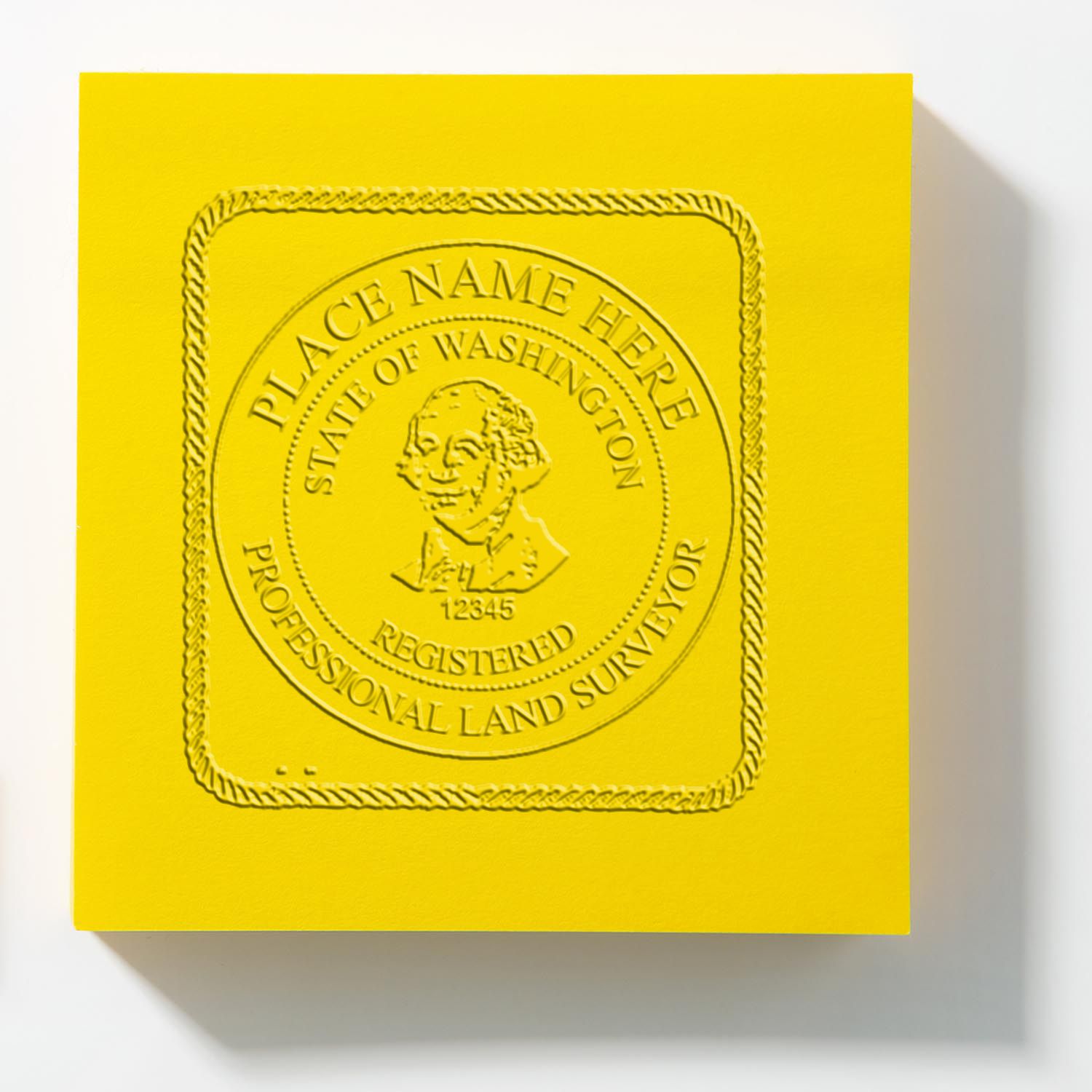
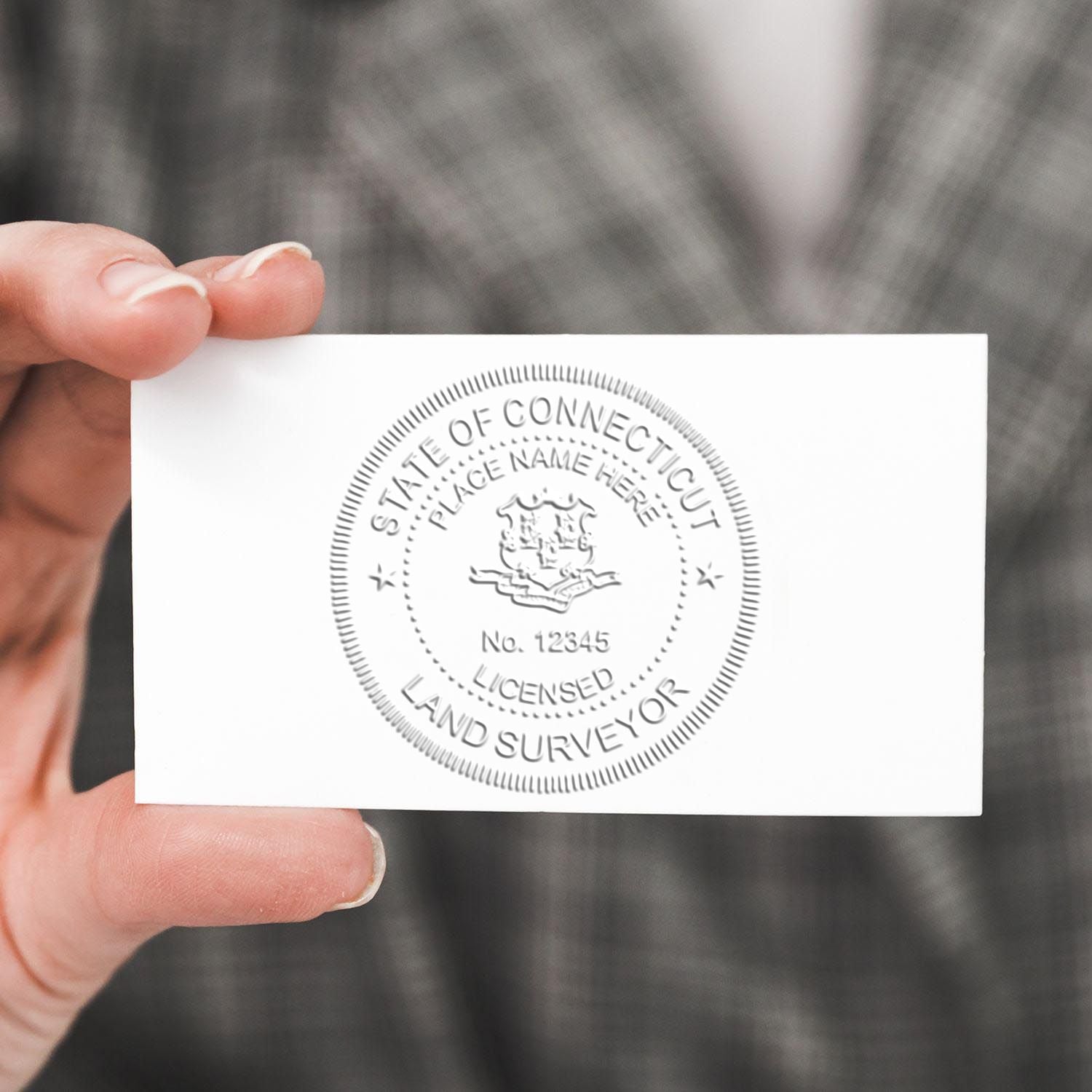
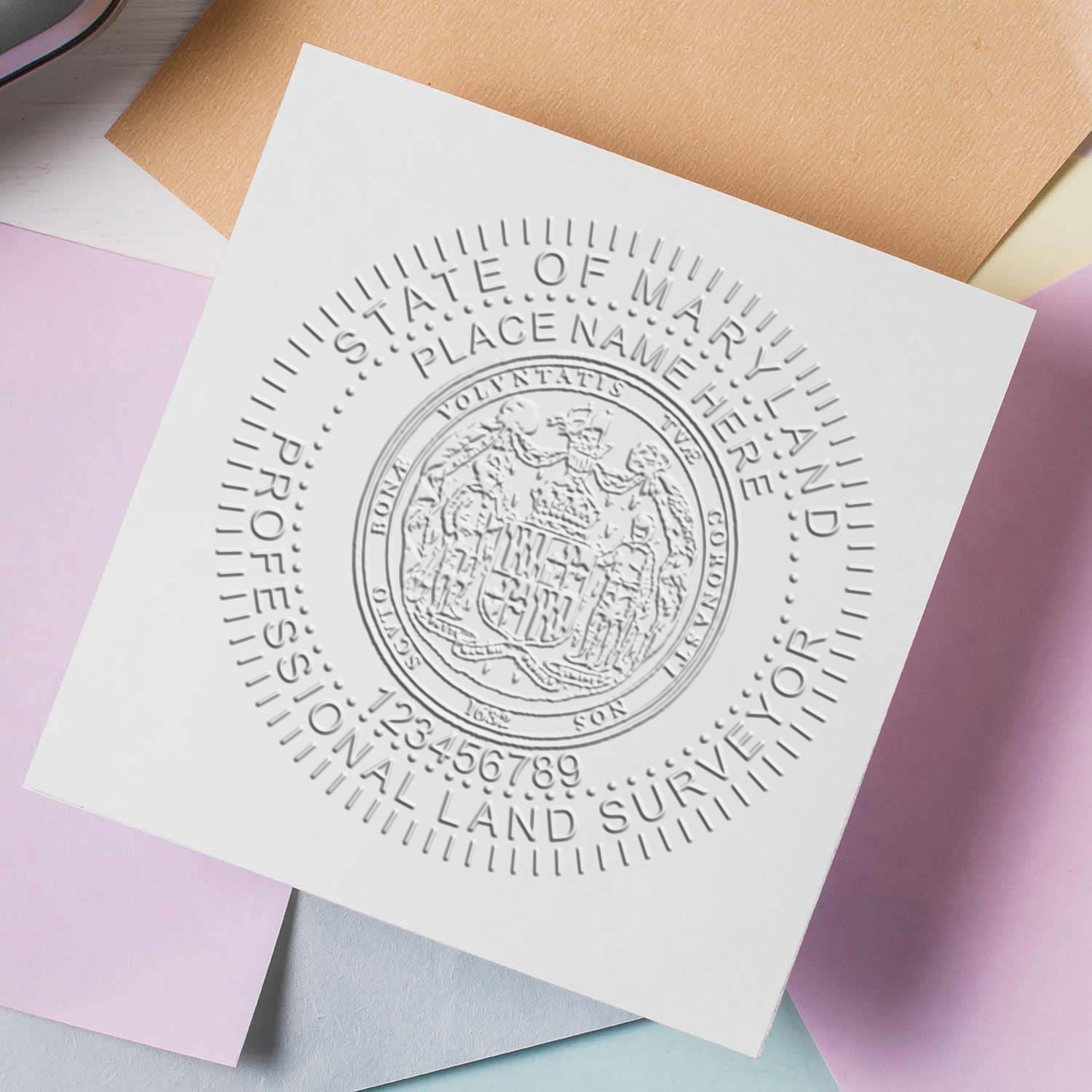
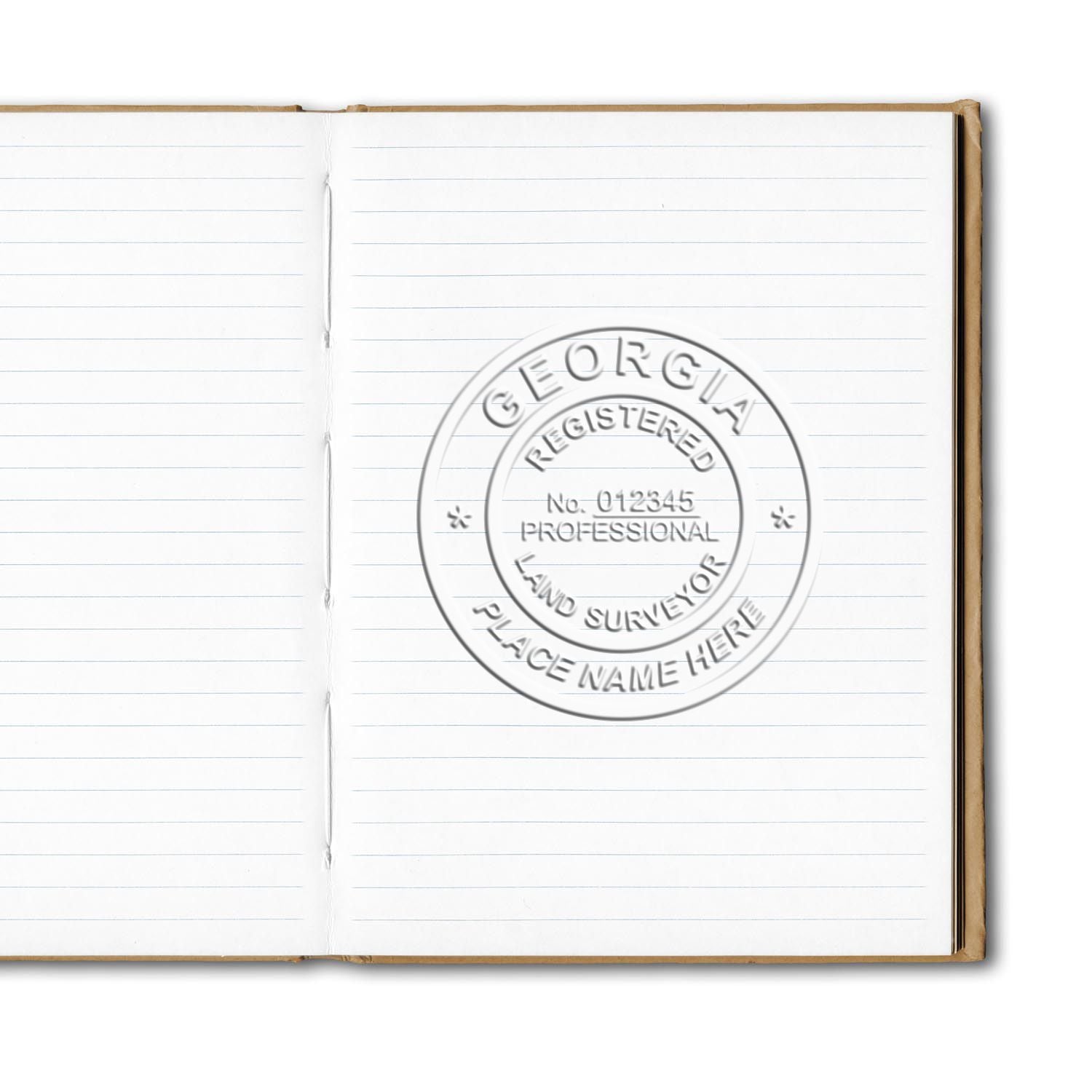
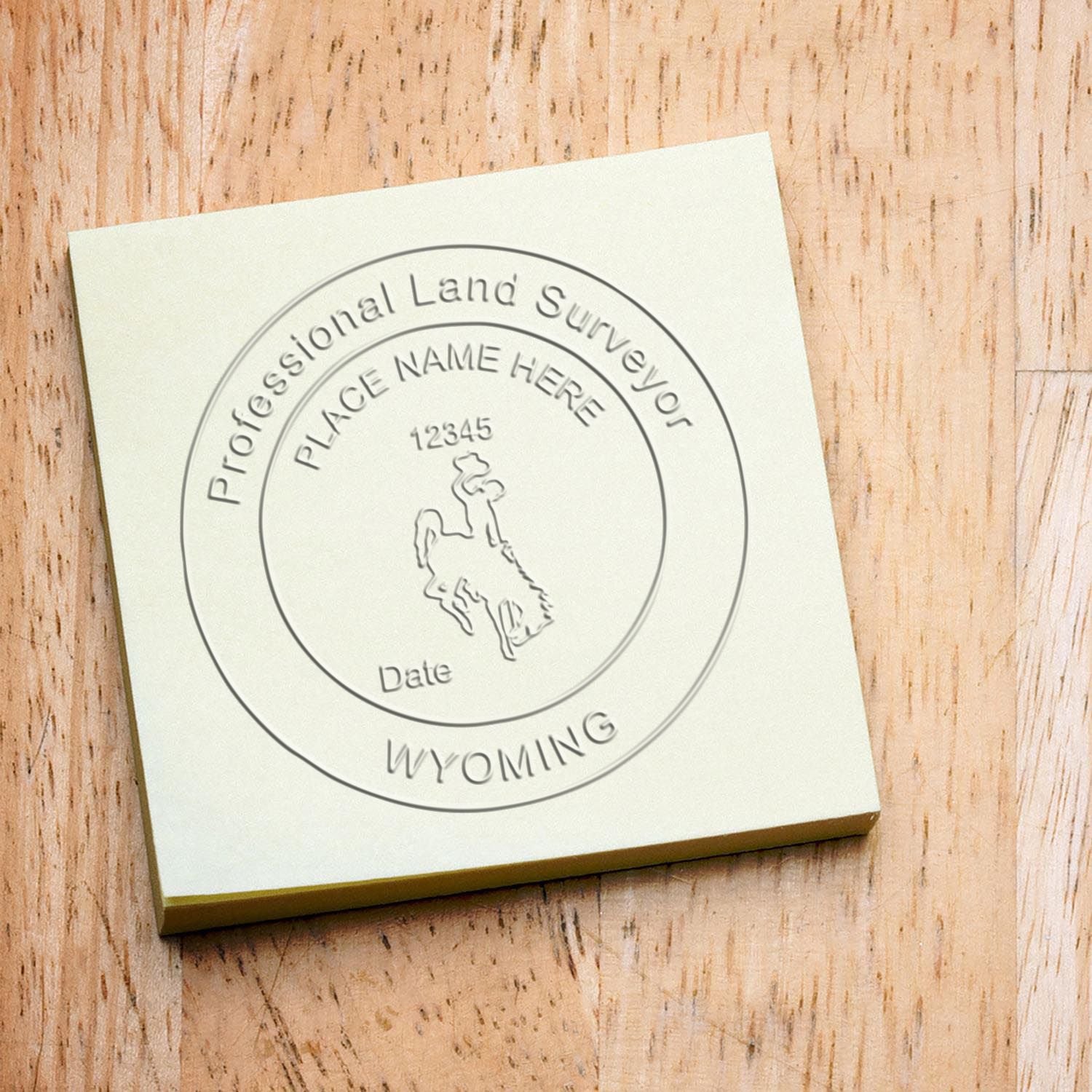
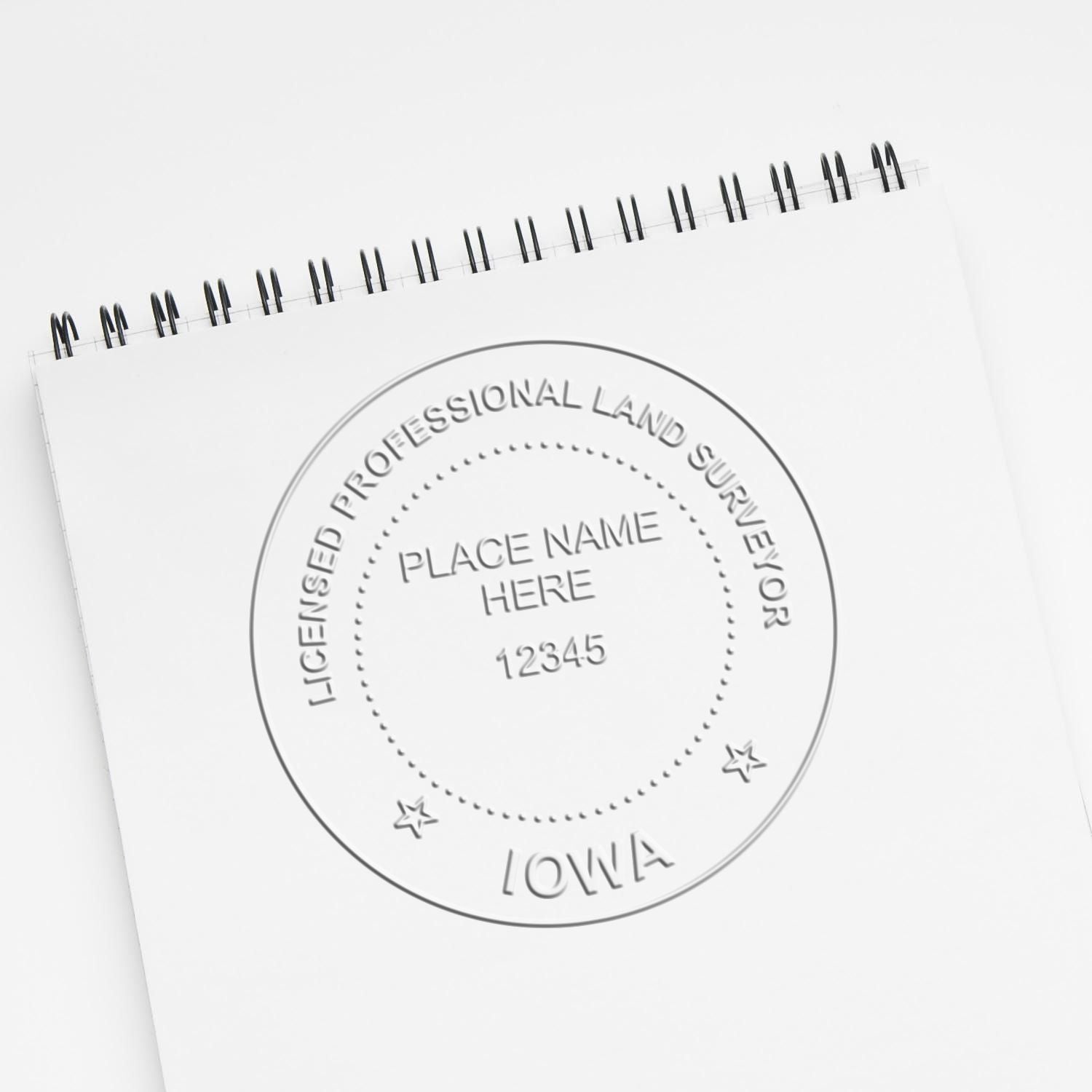
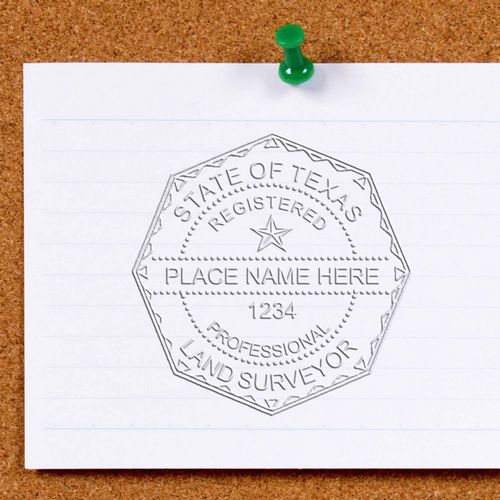
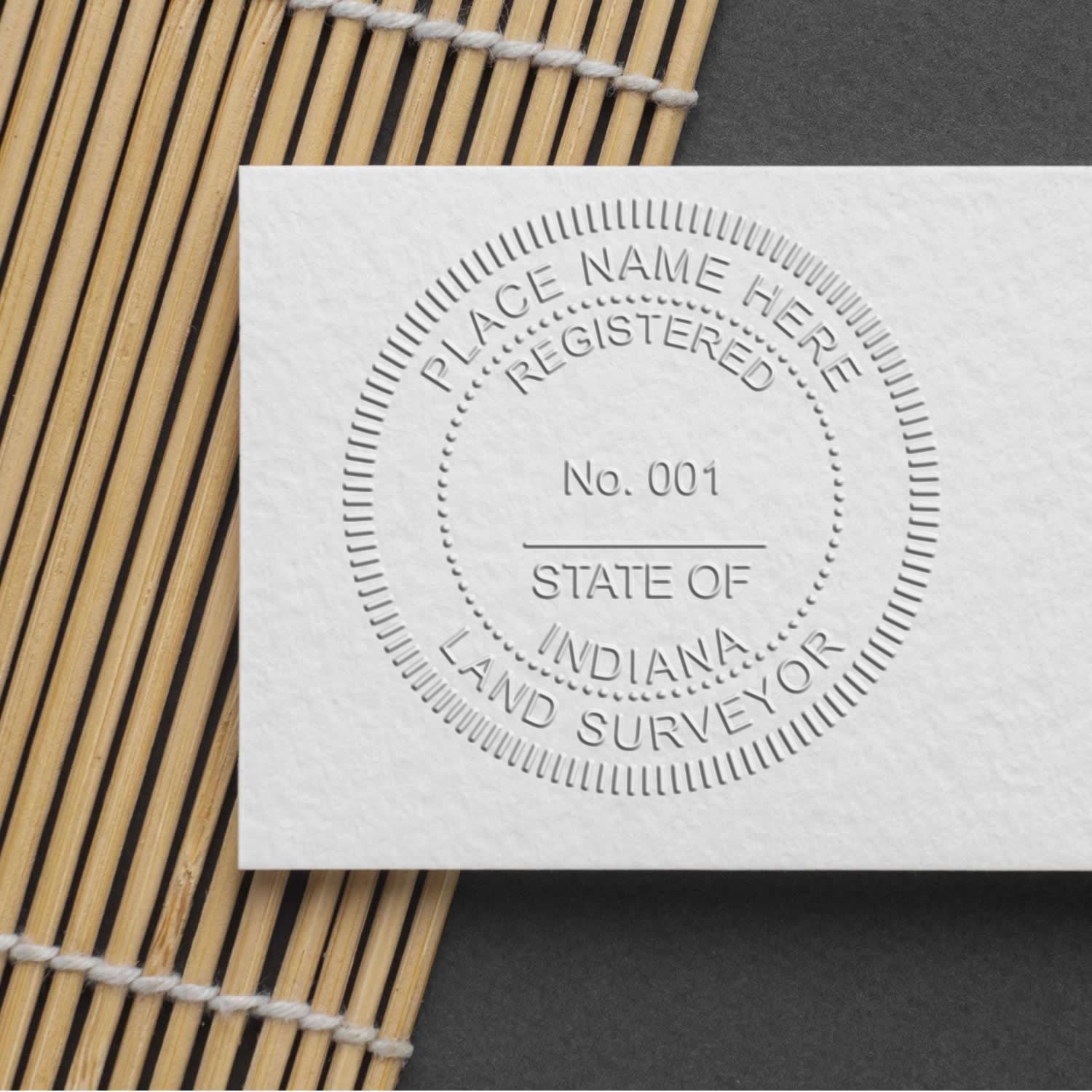
To check embossing depth, look for sample images of the seal in the product description, or test a live sample if possible. One quick tip is to emboss a high-quality piece of paper and then hold it at an angle under a bright light. You’ll see how sharp or shallow the ridges are. If the letters and lines look faint, your seal might not hold up well under repeated copying or scanning. High-pressure embossers or durable self-inking stamps typically deliver bolder, clearer results, so pick the style that best fits your workflow.
Key Impression Features
- Crisp edges that make letters and numbers easy to read
- Even pressure across the entire seal area
- Adequate depth for clear photocopies and scans
Match Legibility With State Rules
Alabama’s regulations on land surveyor seals touch on more than overall layout. They also specify the standard text, including your full name and license number. Because the seal needs to be recognized at a glance, the letters have to be large enough for easy reading. To meet these mandates, you’ll typically see seals with a 1 3/4-inch diameter or sometimes 2 inches, depending on the requirements. Double-check that you choose a seal with fonts and spacing that align with the Alabama Board’s guidelines. The last thing you want is a seal that’s too small or that crowds your credentials into unreadable text.
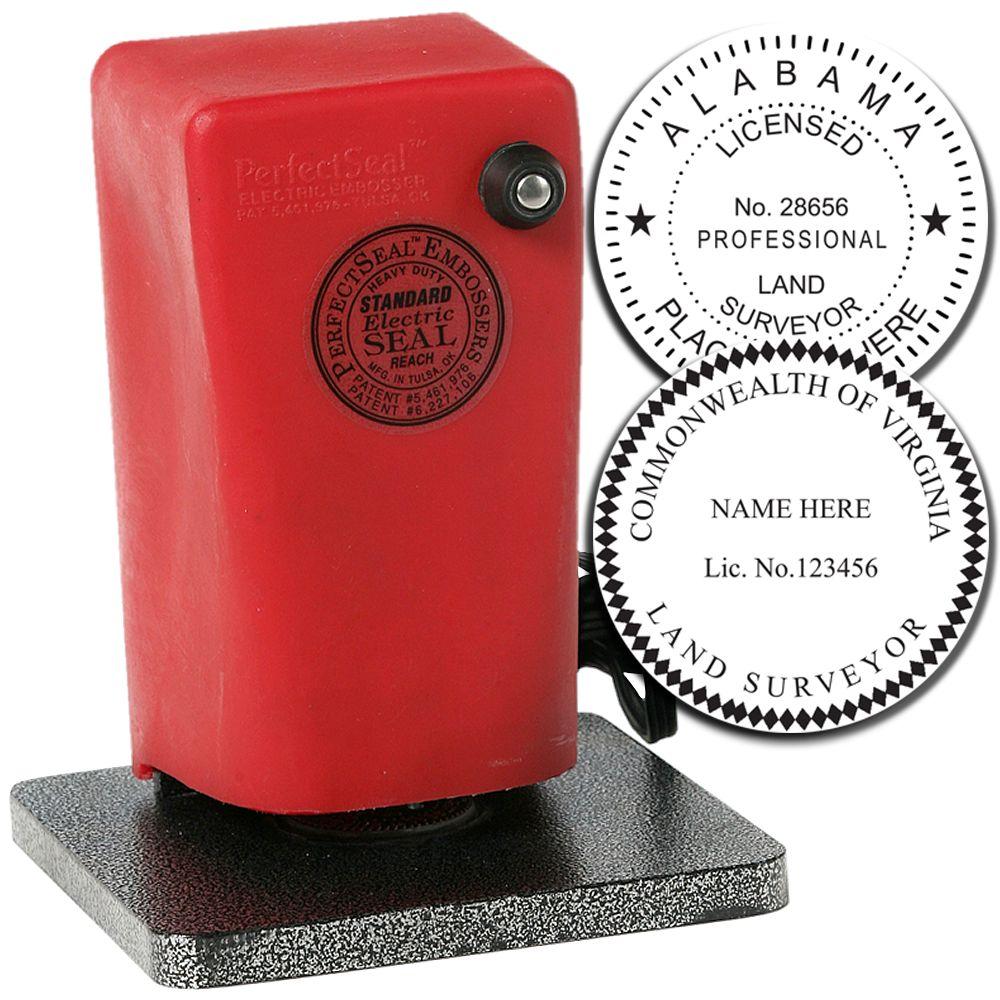
Likewise, pay attention to the wording. An example seal typically includes phrases like “Licensed Professional Land Surveyor,” “State of Alabama,” and your name plus license number. Even punctuation can matter, so take a moment to confirm it’s exactly as the state calls for. Most reputable suppliers pre-engrave the correct text, but it’s worth scanning the proof carefully before final production. If something seems off, request changes right away, down the road, you don’t want to be the land surveyor with the incorrect or incomplete seal.
Look For Added Benefits
Let’s face it, investing in an AL PLS embossing seal takes more than picking any random embosser off the shelf. You want convenience, quality, and maybe even some cost-saving extras. That’s where special offers such as free digital seals can come in. At Acorn Sales, for instance, you can get a complimentary digital seal for electronic documents when you order certain physical seals. This digital version works for emailing proposals, confirming your professional status on electronic drawings, or simply saving time when you can’t emboss a physical page.
Along with digital seals, look for companies that have a proven track record in the industry. If they’ve been around for decades, like we have at Acorn Sales since 1964, it’s typically a good sign they understand the unique demands of land surveyors. Experience matters when you’re dealing with official credentials, you want a seal that’s precisely engraved, properly formatted, and easy to order. If you’re uncertain about the final layout, a knowledgeable supplier can answer questions about everything from Alabama’s size requirements to recommended handle types.
Where a Digital Seal Helps
- Emailed proposals or quotes
- Electronic “paperwork” for internal approvals
- Quick proofs or single-page docs that don’t require a raised seal
Compare Embossers, Pre-Inked, and Self-Inking Stamps
While the classic embossed seal is still the standard for many Alabama surveyors, you also have options in the form of pre-inked or self-inking stamps. Each method has its own strengths and might better suit certain tasks during your day-to-day. So how do you pick?
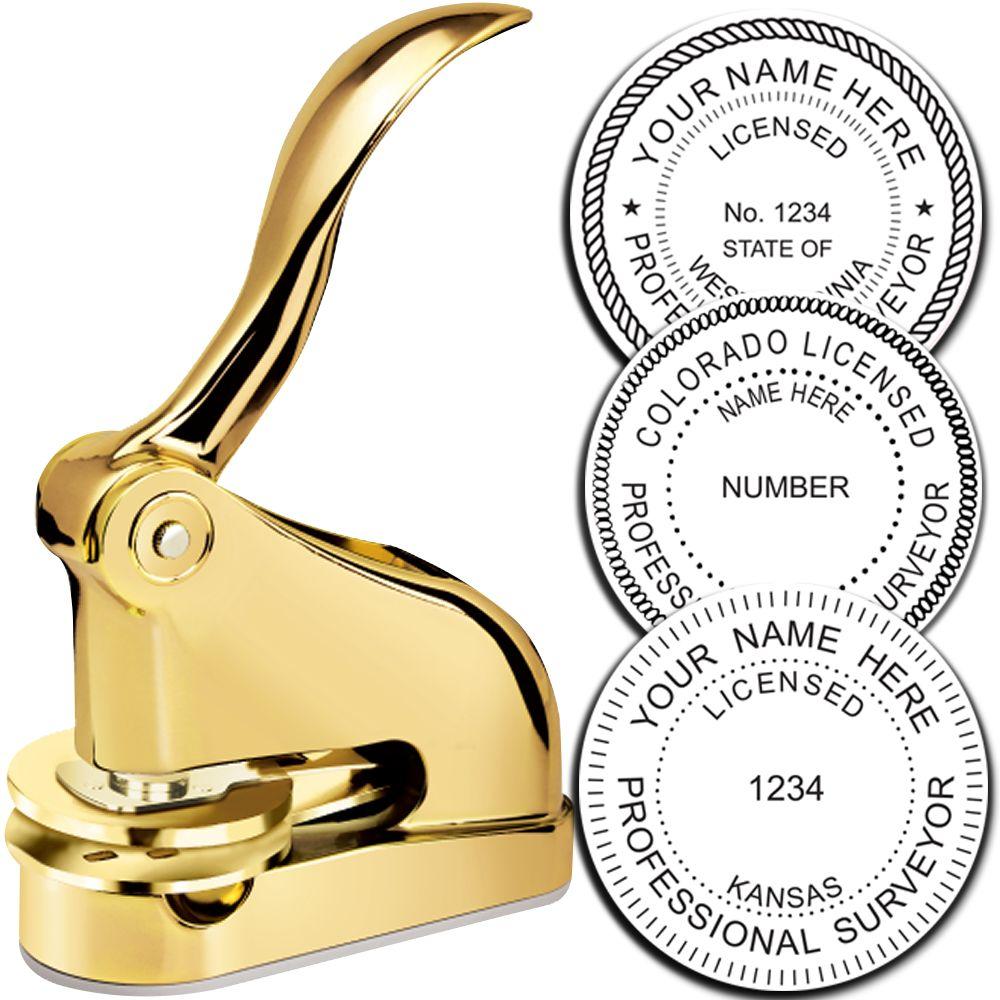
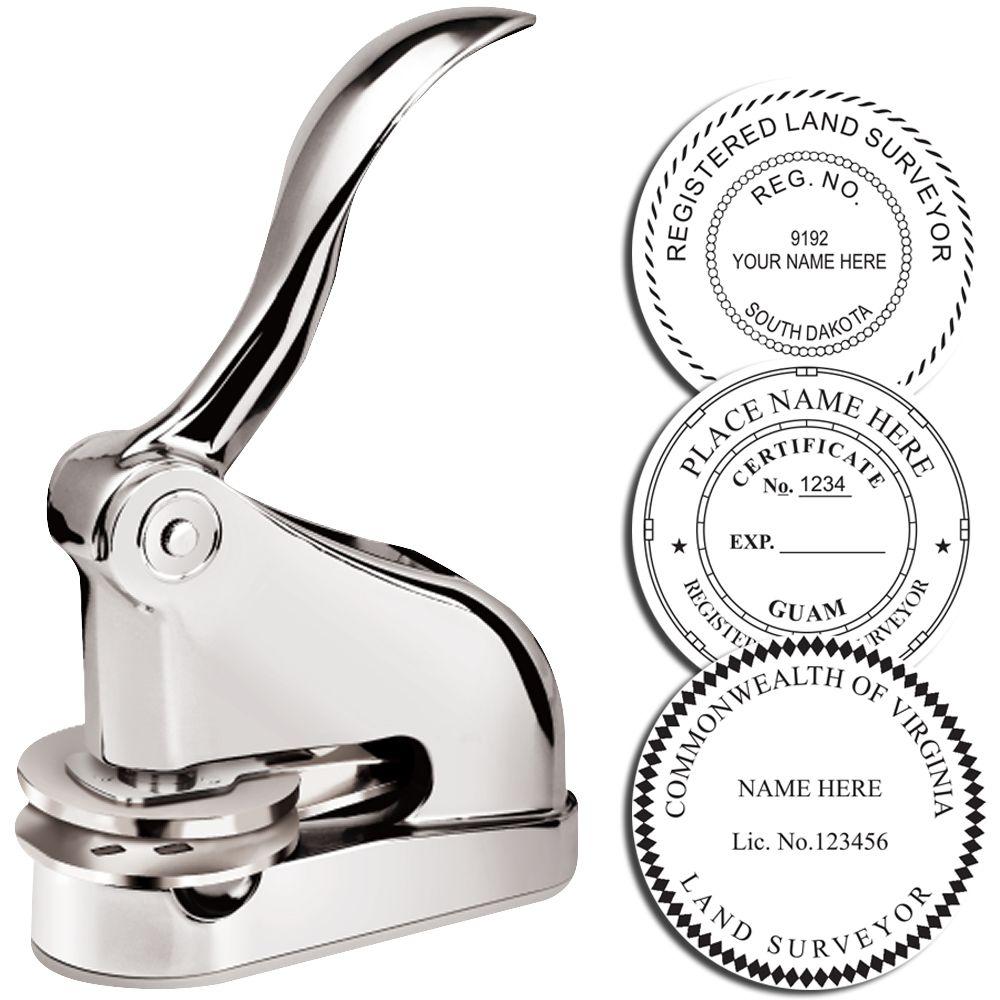
Embossing Seal Press
- Creates a raised impression
- Often required for official final documents
- Provides a traditional, professional look
- Can be heavier or require more hand pressure
Pre-Inked Stamp
- Delivers a crisp, dark impression in ink
- No separate ink pad needed
- Usually more portable than a heavy-duty embosser
- May not offer the 3D raised look
Self-Inking Stamp
- Contains a built-in ink pad
- Great for stamping rapidly (multiple pages in a row)
- Offers consistent, clean impressions
- Not appropriate for every official requirement if a raised seal is mandated
In Alabama, many surveyors opt for an embossing seal plus a stamp alternative. The embossing seal meets the state’s requirement for an actual raised impression, while a stamp is handy for quick, unofficial tasks like marking up drafts or internal documents. If your workload involves a variety of project types, having both tools ready can smooth out your workflow and ensure you stay compliant at all times.
Think About Storage and Maintenance
Whether you pick a heavy-duty embosser or a travel-friendly model, storing your seal properly keeps it in great shape. You’re relying on tiny metal grooves or rubber plates to generate a crisp mark, so you want to avoid dust, moisture, and accidental damage. A sturdy box or case is usually enough to protect the press from random bumps and contact with other office items. If you’re frequently onsite, invest in a protective pouch or box that fits neatly into your laptop bag or toolbox.
Daily Care Essentials
- Wipe the metal plates gently to remove any dust
- Check the alignment screws if your device has them
- Test the impression on a spare piece of paper every so often
- Keep the seal out of direct sunlight or extreme heat
If you notice any misalignment or physical damage, it’s better to fix it right away. Continuing to use a damaged seal might result in faint or partially unreadable impressions, which can cause confusion or rejection of your paperwork. Most reputable suppliers provide repair or replacement services if anything goes wrong. Plus, you don’t want to wait until the last minute when you have a stack of client documents waiting.
Know When to Replace or Update
Your seal is an extension of your professional credentials, so you’ll eventually need to update it if you experience a name change or license number revision. Alabama has specific guidelines on how any changes should appear. If you find yourself in that scenario, confirm with the Alabama Board of Licensure for Professional Engineers and Land Surveyors what the updated text should read. A quick note: You don’t typically keep using your old seal with a hand-modified name or number, always order a properly engraved seal that meets the new requirements.
Even if you don’t need to switch up the text, you might find that heavy usage eventually wears out your seal or stamp. If your older model delivers inconsistent results or it’s missing important details, you may be due for an upgrade. Don’t risk your reputation with unclear impressions, clients might question the authenticity of your documents if portions of your stamp look blurred or chipped.
Check a Trusted Supplier
There’s a reason many Alabama land surveyors turn to us at Acorn Sales. We’ve been in business since 1964, supplying stamps and seals to professional engineers and surveyors. We aim to keep the ordering process straightforward. We know it’s not enough just to sell you a seal, we aim to help you pick one that meets Alabama’s guidelines and creates a tidy, professional impression every time.
If you’re looking for the ideal AL PLS embossing seal right now, you can browse a range of options on our site. We also provide a free digital seal with many of our physical embossers, a perk that comes in handy for surveyors who need to send e-documents quickly. We recognize that every land surveyor has unique needs, so we’re happy to chat if you have questions on everything from materials, shapes, or special state requirements.
(For further details on specialized shapes and custom requests, you can check our AL PLS seal page.)
Final Tips for Using Your Seal
Before we jump to FAQs, let’s recap a few important points:
- Double-check your seal’s wording and layout against Alabama’s official requirements.
- Decide on a heavy-duty desk press or a portable hand press based on your work style.
- Aim for crisp, legible impressions that stand out on paper.
- Keep everything dust-free, aligned, and properly stored.
- Look for extra perks like a free digital version of your seal, plus trusted service to back it up.
Once you have the right seal in hand, the real secret is consistency. Seal every final drawing, report, or form exactly as outlined by the state. Over time, your crisp embossing becomes a natural extension of your professional brand.
Selecting your AL PLS embossing seal doesn’t have to be confusing. With the right information, and a reliable supplier like Acorn Sales, you’ll be poised to stamp your approval on projects with confidence. You’ve worked hard to earn your Alabama land surveyor license, so make sure your seal reflects that dedication and professionalism every time you press it onto a page. Happy surveying!
Frequently Asked Questions
Do I need an embossing seal, or can I use a rubber stamp only?
Alabama typically requires a raised impression for official documents, so an AL PLS embossing seal is generally necessary. Some surveyors keep a rubber stamp handy for drafts, but the official version should be embossed or otherwise compliant with state rules.
What if my name changes after I get licensed?
You’ll need to order a new seal that reflects your updated name. Alabama’s regulations require the seal to include your correct legal name as it appears on your license. Contact the Board if you’re unsure about the specifics.
How long should my embossing seal last before I replace it?
This varies based on how often you use it and how you store it. Many surveyors get years of consistent use out of a well-crafted seal, but if you notice the impression fading or parts of the design becoming illegible, it’s time to replace.
Are digital seals allowed or recognized?
Digital seals can be used to sign electronic documents or share quick proofs. However, for physical documents that require a raised seal, you should still use an official embosser. If your workflow is increasingly digital, having a free digital seal included in your purchase can be a major plus.
What size is correct for my AL PLS seal?
Most Alabama seals measure around 1 3/4 inches or 2 inches in diameter. Always verify the official requirements set by the Alabama Board of Licensure for Professional Engineers and Land Surveyors, as regulations can change.








