
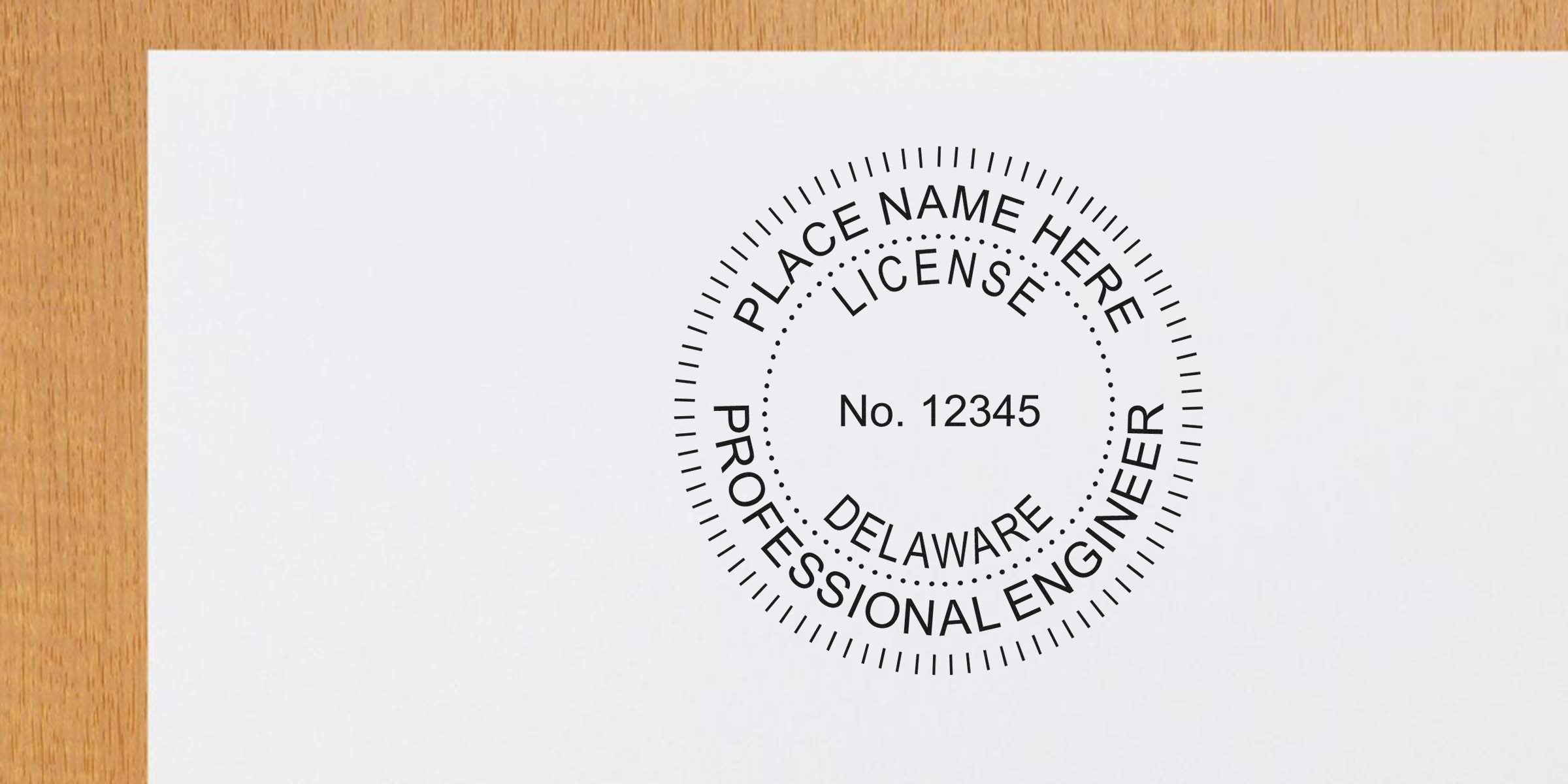
If you’re trying to make sense of delaware engineer seal guidelines, you might feel a little overwhelmed at first. After all, adhering to the right design, size, and usage rules is critical for every professional engineer practicing in Delaware. The good news? Once you understand the basics, staying compliant is surprisingly straightforward.
Know the primary purpose
The main goal of your official seal is to certify your work and authenticate your documents. Think of it like your personal endorsement. By placing your seal on design plans or reports, you are taking responsibility for the quality and integrity of that work.
However, you don’t want to stamp everything in sight. Typically, you only seal finalized documents and drawings that you have directly supervised or prepared. Sealing incomplete or draft documents can cause confusion and reflect poorly on your professionalism.
Understand design requirements
The board in Delaware typically dictates size, format, and wording for all PE seals. Although requirements can change, the key elements usually include:
- Your name as it appears on your license.
- Your professional engineer license number.
- The words “Professional Engineer” and “State of Delaware,” indicating your authority.
Be sure to confirm the latest specifications on official Delaware sites. That quick step helps prevent flimsy excuses in case your documents are ever questioned.
Use your seal correctly
Got all the design details down? Great. Next comes application. Many engineers prefer an embosser for official documents on paper, while others go with a traditional ink stamp. Some also produce digital versions, especially when handling electronic submissions.
Here are a few usage tips to keep in mind:
- Sign your name across or near the seal if required by local rules.
- Double-check the seal’s impression to make sure all lettering is legible.
- Keep your seal in a secure place and don’t allow others to use it.
A valid seal is only as good as its proper placement, so consistency is key.
Consider a trusted supplier
Choosing the right stamp or embosser can make a world of difference. At Acorn Sales, we’ve been serving professional engineers since 1964, offering high-quality solutions that stand the test of time. In fact, we provide a free electronic seal with every physical stamp purchase to help you cover both digital and paper submissions.
If you’re ready to pick up a new delaware engineer stamp, you can count on our super fast turnaround. That way, you won’t have to wait around to finalize your important documents.
Feel free to reach out whenever you’re ready to simplify your stamping process. Once you get into the habit of applying the correct seal with confidence, handling official documentation becomes second nature—and you’ll be one step closer to hassle-free compliance in Delaware.
Frequently Asked Questions
What documents do I need to seal?
You generally seal documents like final design drawings, calculations, and engineering reports. Drafts or incomplete work usually stay unsealed.
Can I use a digital seal instead of a physical stamp?
Yes, as long as your digital seal meets state guidelines and security standards. You should also keep a record of how and when you applied your seal digitally.
Do I need to reorder a new seal if my license number changes?
If your license number is updated or reissued, you’ll need a new seal reflecting that new information. It’s best to update as soon as possible to avoid compliance issues.
How can I keep my seal secure?
Store your physical embosser or ink stamp in a safe spot. For digital seals, use passwords or encryption to prevent unauthorized access.








