
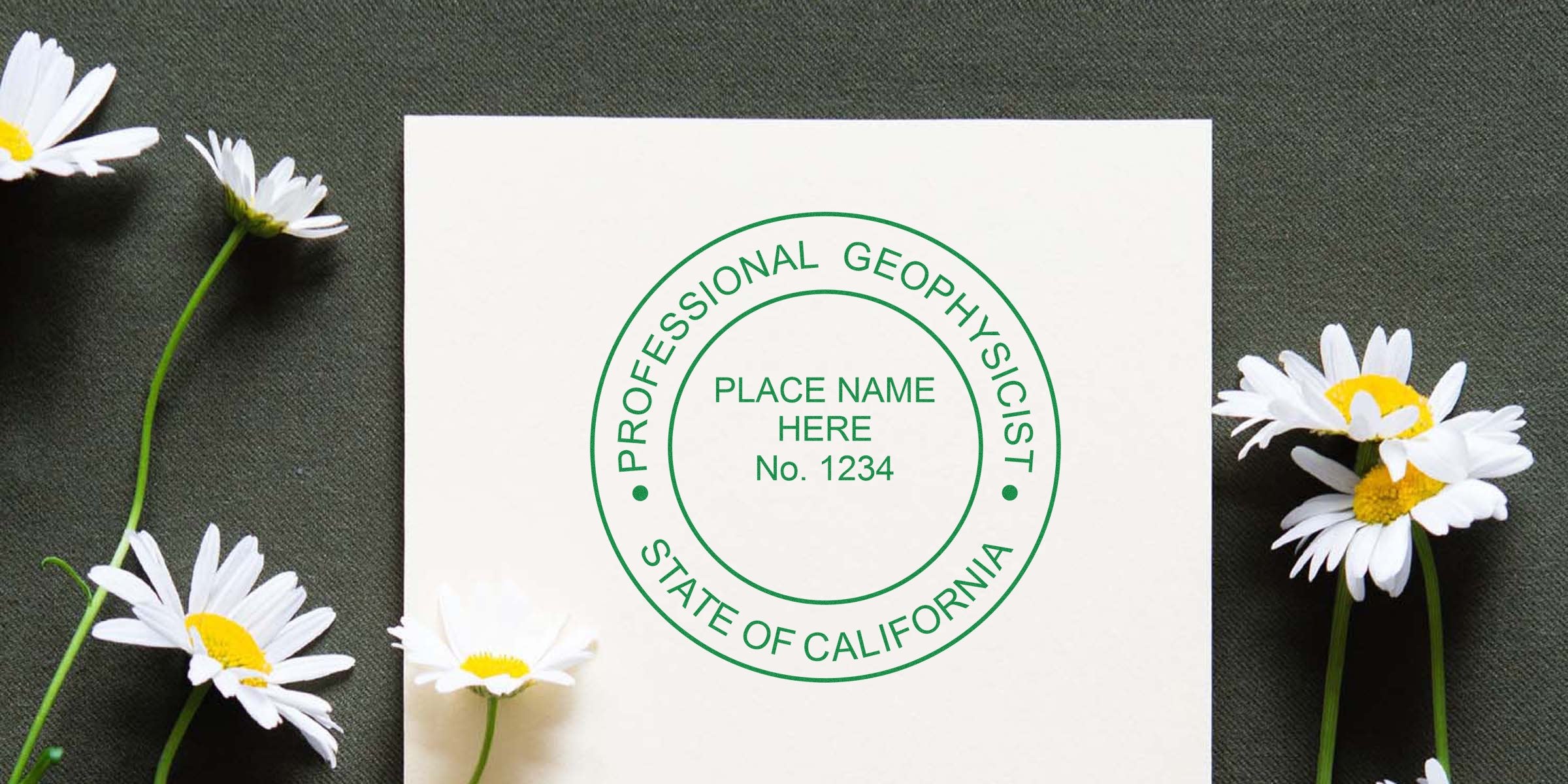
Know The Value Of The California Geologist Seal
When you first receive your California geologist seal embosser, you’re holding more than just a tool. It represents your professional authority, showing that you’ve met the state’s qualifications and can now stamp your work with confidence. But how exactly does it help you stand out? Let’s explore why this seal is so essential for California geologists, and how it adds a layer of credibility to your official documents.
Meeting Compliance Standards
As a geologist in California, you have responsibilities that extend beyond just quality fieldwork. You’re required to comply with guidelines from the Board for Professional Engineers, Land Surveyors, and Geologists. Sealing your work lets clients, regulatory bodies, and even your peers know that your reports and maps meet state standards. By using the seal correctly, you’re also reducing risks. It’s a straightforward step that signals your commitment to properly validated data and professional ethics. If you want to learn more about specific rules, you can check out our helpful resource on california geologist stamp requirements.
Protecting Your Professional Reputation
Your seal is your signature mark. When colleagues and clients see a crisp, well-placed impression, it tells them you operate with precision. It says, “I’m thorough, accountable, and proud of my professional standing.” This small act of embossing can build trust, which is vital when you’re presenting findings that could impact big decisions, from construction projects to environmental assessments. Over time, consistent, proper use of your seal can open doors to more projects and stronger professional relationships.
Choose The Right Embosser
Before you start stamping everything in sight, it’s worth making sure you have the right tool. The best embosser for you depends on your workflow, hand strength, and frequency of use. Some geologists only emboss client-facing documents occasionally, while others do it daily. Thinking through those details will help you pick an embosser that feels comfortable and delivers clean, readable impressions.
Handheld vs Desktop
Handheld embossers are often praised for their portability. If you’re moving from site to site, you can toss one in your bag without too much hassle. They’re also typically lower in cost, which appeals to newer professionals. However, desktop embossers can offer more consistent pressure, giving you sharper impressions. If you need to process a large number of documents, you might appreciate the stability and reduced hand strain that a desktop model provides.
Comparison Table: Handheld vs Desktop Embossers
| Feature | Handheld Embosser | Desktop Embosser |
|---|---|---|
| Portability | Easy to carry, great for fieldwork | Less portable, ideal for a dedicated workspace |
| Pressure Consistency | Can vary based on hand strength | More uniform, thanks to a stable base |
| Frequency of Use | Good for occasional embossing | Better for daily, high-volume tasks |
| Price Range | Typically lower to moderate cost | Often higher but offers robust performance |
A Note On Impressions
Not all embossers are created equal. Some may deliver lighter impressions that can be tough to read or scan. You’ll want to pick a device that matches your paper thickness and the volume of documents you plan to emboss. If you’re working with heavier sheets—such as cover stock for field reports—you may need an embosser with adjustable pressure. Think about how often you’ll need to replicate that official seal, and invest in quality so that each impression is consistent.
Prep Your Documents Well
Once you have your ideal embosser, it’s time to turn to the actual documents. Believe it or not, a little preparation goes a long way toward making your seal easy to read.
Paper Considerations
Choosing heavier or premium paper can enhance the visibility of your embossed seal. Standard office-grade paper still works, but thicker paper helps the raised seal pop. Aim for a sheet that won’t tear or crease easily when pressure is applied. If you handle lots of field data or complex geologic reports, consider a higher-quality stock that can stand up to repeated referencing or scanning.
Where To Place The Seal
Placement matters for both professional polish and compliance. Typically, geologists place their seals near their signatures or close to the final statements in a report—somewhere it’s unmistakably linked to the authenticity of the document. Make it easy for readers (and regulatory bodies) to locate. You don’t want to confuse anyone by placing your seal in an obscure margin or on the backside of pages. Instead, keep it visible and aligned with any required signatures.
Apply The Embosser Correctly
Even the best embosser can’t fix a rushed or uneven application. Proper technique ensures a clear seal that’s easy to read. It also spares you wasted pages and unprofessional-looking impressions.
Positioning For Clear Impressions
First, line up your page in the embosser’s opening, ensuring that the seal area is properly centered. You don’t want a lopsided or incomplete impression. If your device comes with an alignment guide or mark, use it to keep things level. Center the seal carefully before squeezing to avoid repeated tries and potential damage to your document.
Using Steady Pressure
A firm but controlled squeeze will give you the best impression. If you press too lightly, the seal might be faint. Too hard, and you risk a tear or a deep paper punch-through. Steady, even pressure is the key. If you’re applying seals across multiple pages, try to maintain the same motion each time so that your seals look uniform. You might even practice on a few scrap sheets first. That way, you’ll feel more confident when it’s time to emboss your official documents.
Keep Your Embosser In Top Shape
Taking care of your seal embosser helps preserve smooth operation and extends its lifespan. After all, a well-maintained device consistently gives precise, clean seals. Neglect it, and you might end up with squeaky parts, misalignment, or less visible impressions.
Cleaning The Device
Regular cleaning is simple and usually involves a gentle wipe-down with a soft cloth. Dust or debris can gather in the small crevices, especially if you’re working at field sites. You can use a compressed air canister to remove tiny particles lodged in the mechanism. Avoid using harsh chemicals that might corrode the metal. A quick wipe-and-dry approach every few weeks can keep your embosser free of gunk and in good working condition.
Storing It Properly
When you’re not embossing, keep the device in a protective case or a padded drawer. This prevents accidental drops or knocks that could harm the alignment. Many geologists like to label and store their embossers in a safe location to ensure they don’t get lost or used improperly. Considering you rely on your embossed seal for official paperwork, secure storage is more than just a neatness preference—it safeguards your professional stamp from unauthorized use.
Acorn Sales As Your Trusted Partner
If you’re shopping for a new embosser or simply need expert help, Acorn Sales is here to back you up. We’ve been around since 1964, committed to providing high-quality stamps and seals for California geologists. Our customers rely on us for products that are both durable and precise, so you can feel confident every time you press down on your embosser.
Free Digital Seal
We know some documents need to be circulated electronically. That’s why we offer a free digital seal when you purchase a physical embosser from us. It’s a convenient solution when you’re asked for a digital signature or a quick PDF submission. With your digital seal, your documents remain official even in a paperless environment, letting you send credentials quickly to clients, agencies, and peers.
Final Thoughts
Getting comfortable with your seal embosser might feel a bit daunting at first, but practice makes perfect. With the right preparation, steady technique, and good ongoing care, you’ll consistently produce sharp, professional impressions that boost your credibility. Plus, knowing you’ve met California’s standards brings peace of mind to both you and your clients.
Looking for more insights or a new embosser altogether? Feel free to check out Acorn Sales, where we’ve been proudly serving professionals since 1964. Don’t forget to claim your free digital seal if you decide to purchase. By combining reliable tools with well-maintained best practices, you’ll ensure that every report, map, or document you submit bears the mark of excellence. And that’s exactly what your work deserves.
Frequently Asked Questions
How Often Do I Need To Update My Seal?
Generally, the design of your California geologist seal doesn’t change too often. However, it’s good practice to check with the licensing board occasionally to ensure your seal still meets up-to-date requirements.
Can I Use A Different Style For Special Documents?
The state mandates a specific seal design, so you’ll want to keep your official seal consistent. Embellishing or modifying the look could cause confusion or result in noncompliance.
Should I Emboss Every Page Of My Report?
Most of the time, you only need to emboss the cover page or the page with your signature. Check the latest guidelines to confirm if you need multiple impressions in a single report.
Do I Need Special Paper For An Embosser?
Standard office paper works fine, but thicker stock can showcase the raised seal better. It really depends on how you want the seal to look and how often your document will be handled.
Is There A Guarantee For My Embosser?
At Acorn Sales, we stand behind our products. If you experience any defect or issue, just let us know. We’ll help you troubleshoot or replace your embosser if needed.








