
Where A Minnesota Landscape Architect Stamp Fits
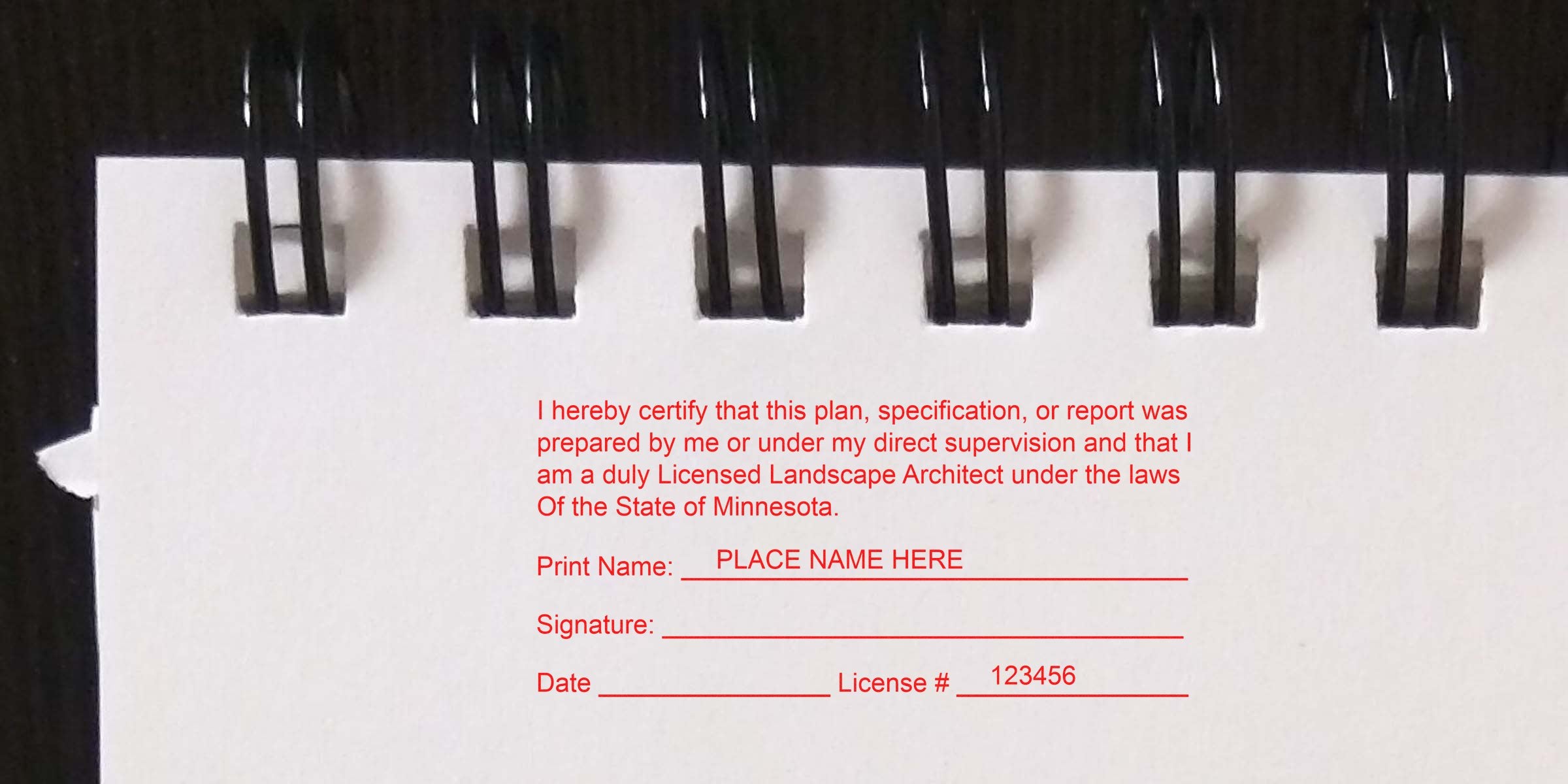
Minnesota does not require a landscape architect to own a stamp or a seal. Minn. Stat. § 326.12, subd. 2 says a licensee may have a seal, and that is the whole of it. What the statute attaches to your drawings is a certification block, so the honest way to shop for a Minnesota landscape architect stamp is as a tool that lays that block down cleanly, page after page, rather than as a rule you are satisfying.
That is a better position to buy from. Nobody is going to reject your site plan for the absence of a seal, which means you can choose the format, the size and the wording that suit how you work. This post covers what Minnesota does ask for, how to pick between a stamp and an embosser, how to press a clean impression, and how to keep the device and the wording accurate over the years.
Understand What The Statute Asks For
The Minnesota Board of Architecture, Engineering, Land Surveying, Landscape Architecture, Geoscience, and Interior Design issues the license. One pair of rules, Minn. R. 1800.4200 for the certification and signature and Minn. R. 1800.4300 for the seal, covers every credential the board issues, landscape architects included.
Under Minn. Stat. § 326.12, subd. 3, plans, drawings, specifications, reports and other documents prepared under Minn. Stat. §§ 326.02 to 326.15 that call for a signature carry the prescribed landscape architect certification sentence, your signature, your typed or printed name, the date the signature was affixed, and your license number. Minn. R. 1800.4200, subp. 4a names the certification page of each report expressly. Those elements travel together as a block.
The seal is the optional part. If you want one, Minn. Stat. § 326.12, subd. 2 and Minn. R. 1800.4300 describe what it bears: your name and the legend licensed landscape architect. No diameter, no typeface, no letter height and no border style sits behind that, so those decisions are yours.
Minn. R. 1800.4200, subp. 1 also permits the certification and signature to be electronic, facsimile or digital, using the definition at Minnesota Statutes, section 325L.02, paragraph (h). That points at the Uniform Electronic Transactions Act rather than at a design profession standard, so no software or certificate authority is named. For the statutory text, the exact certification sentence and the sources behind all of it, read Minnesota Landscape Architect Seal: Optional, Block Required.
So why do landscape architects here buy a stamp at all? Because the block has to go on the page somehow, and setting it in a die beats retyping it. Because grading plans, planting plans, reports and transmittals leave your office and get copied, forwarded and filed by people who never met you. A clean impression beside a signature says who released the sheet, and it says it faster than a line of small type in a title block.





Select The Right Style
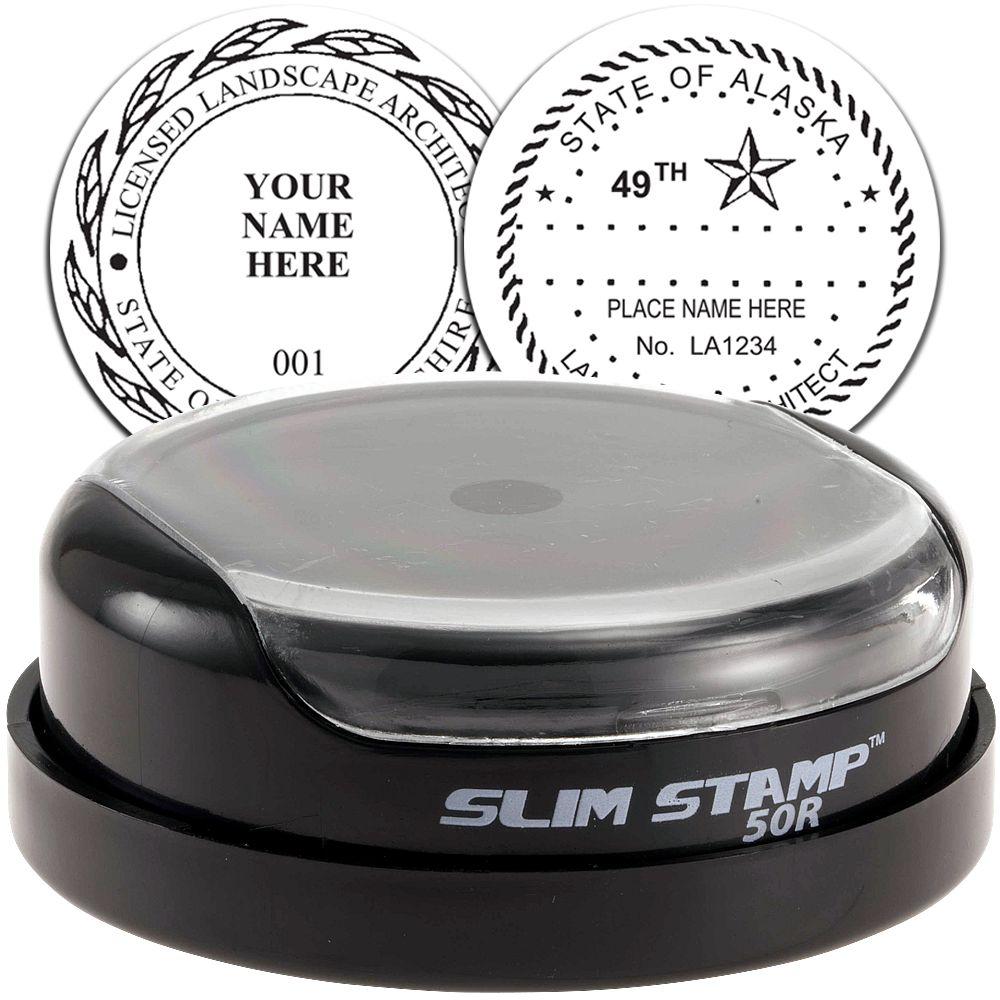
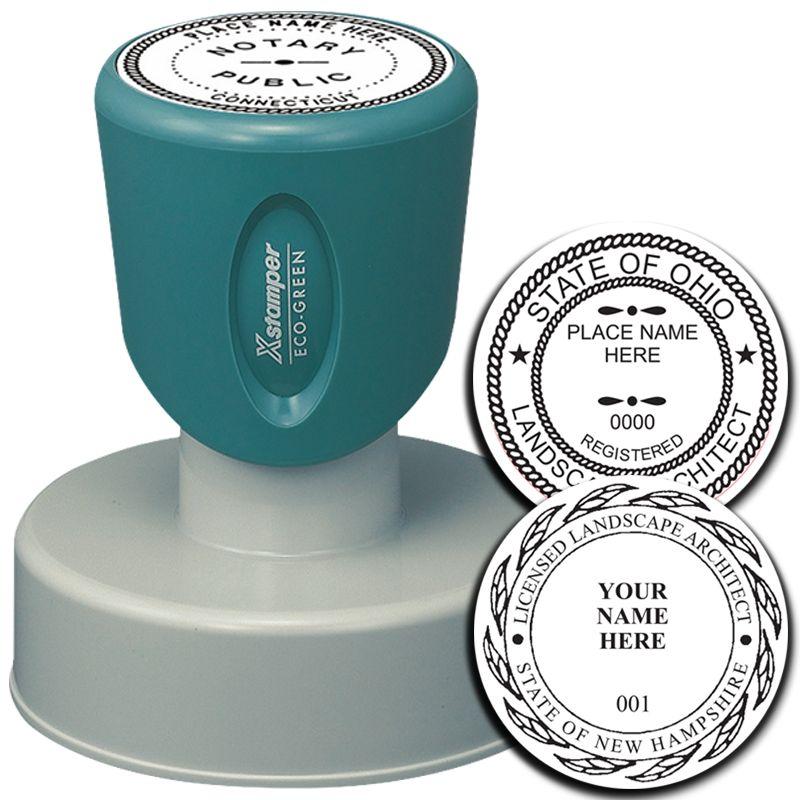
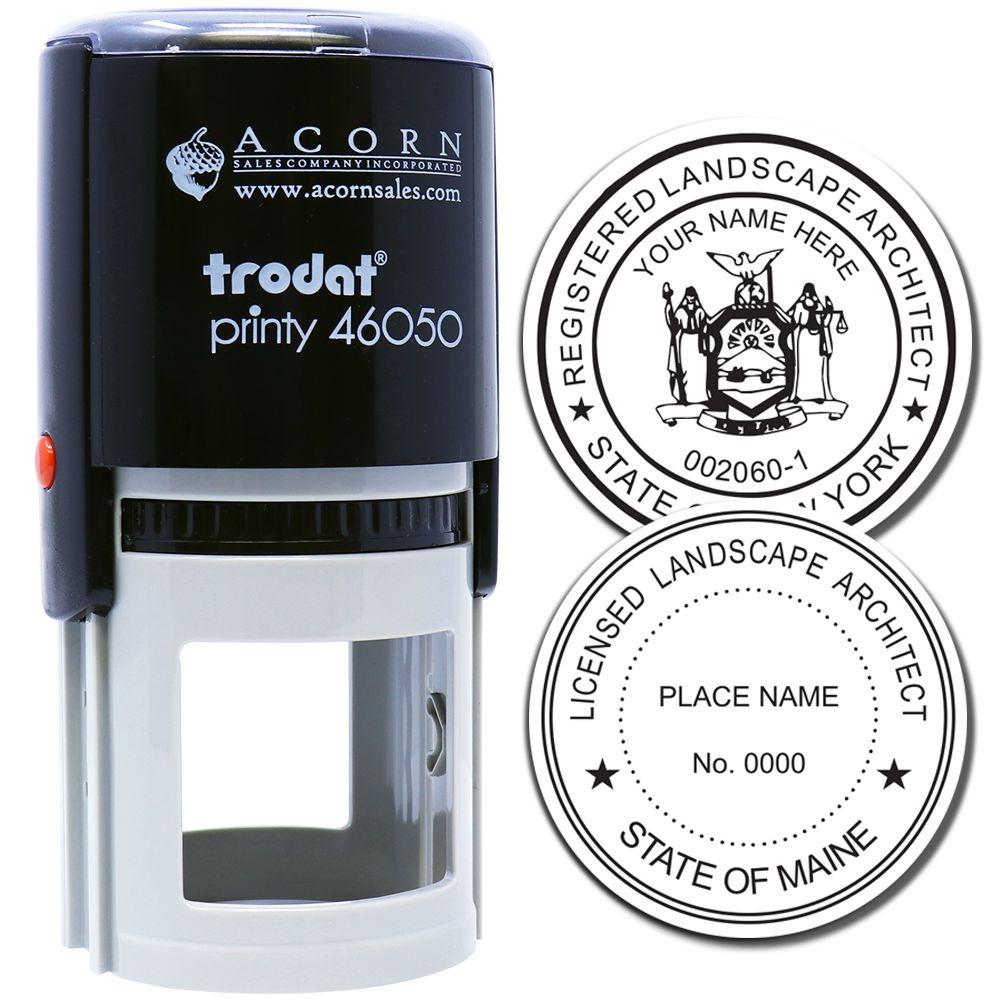
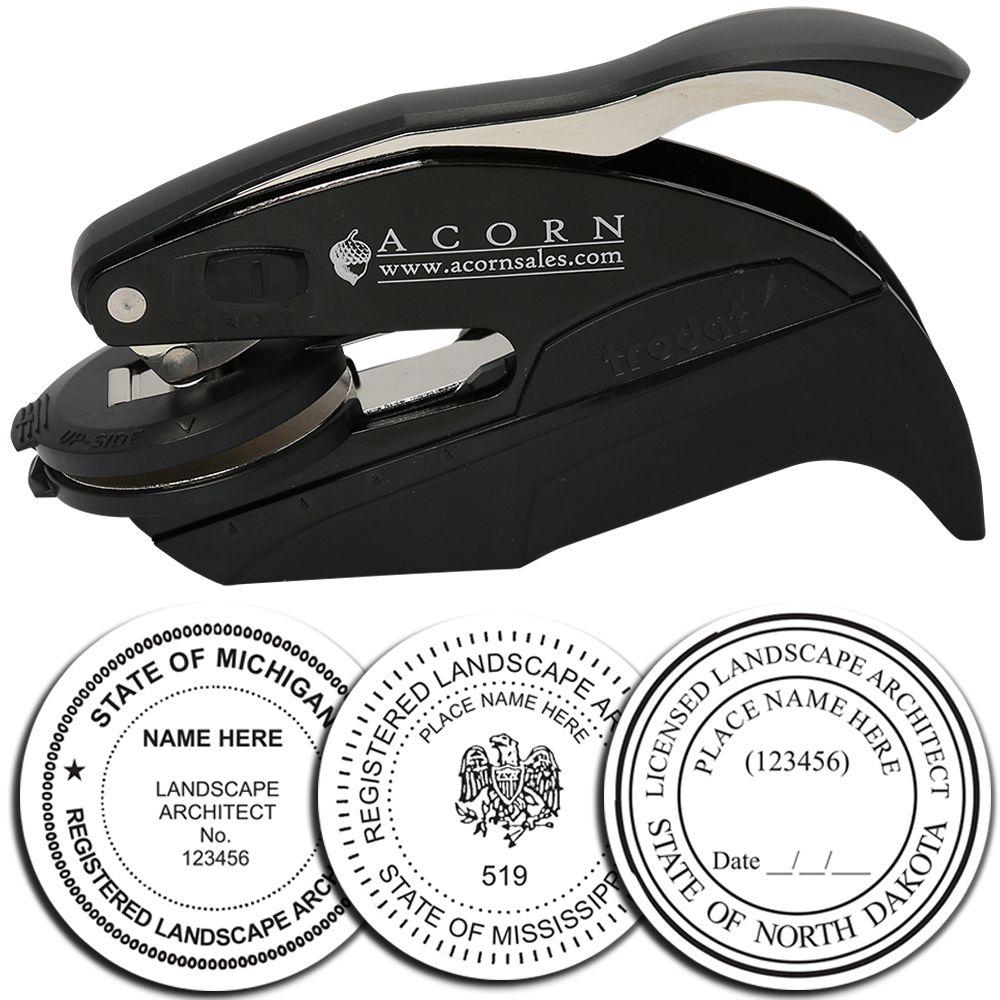
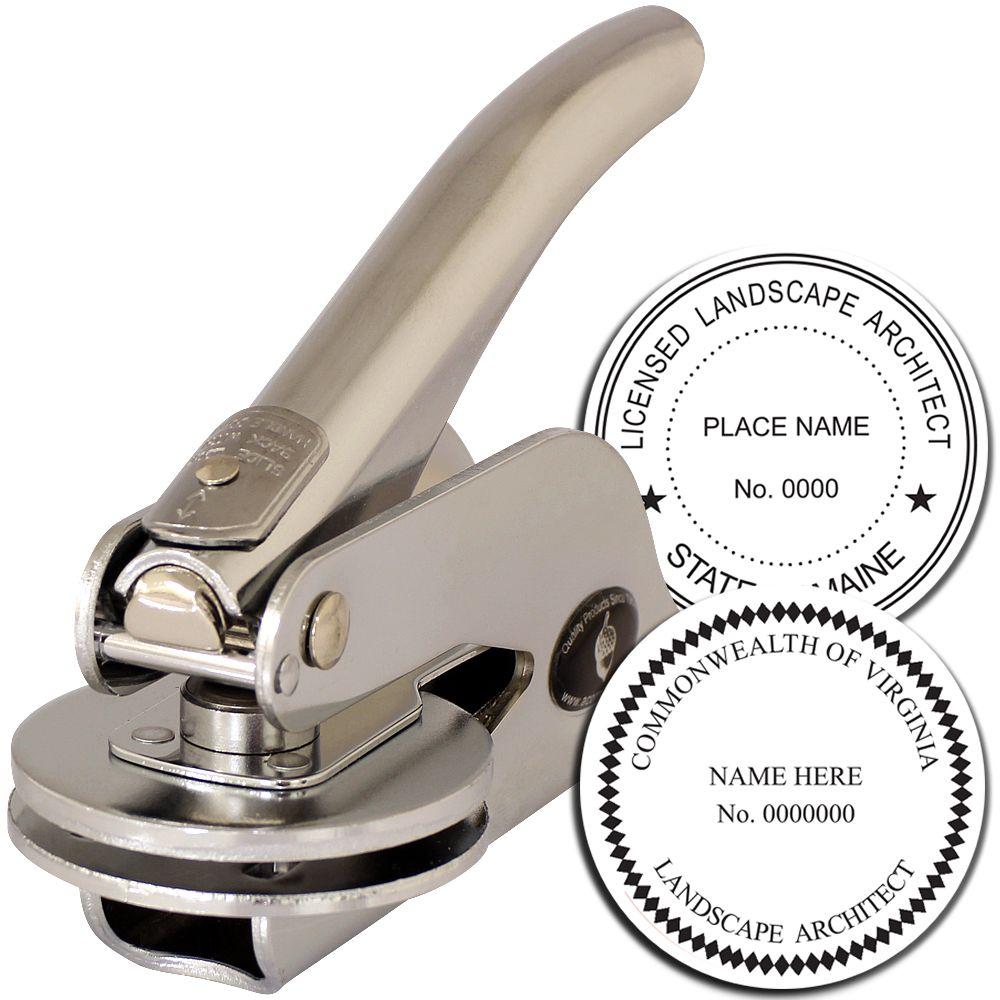
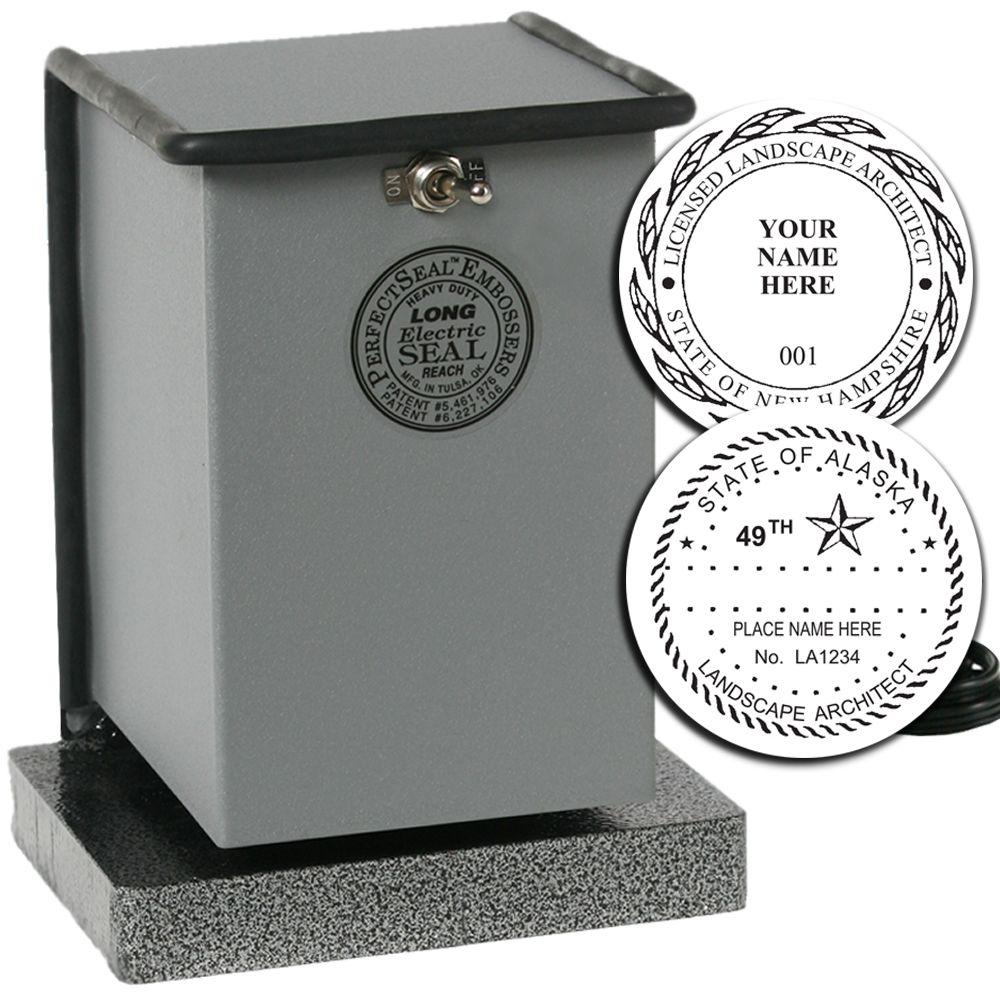
Landscape architects in Minnesota have three inked formats and one raised one to choose between. Each has a use.
- Pre-inked. Sharp, consistent impressions and good at holding small text, which matters when a certification sentence has to stay readable.
- Self-inking. Convenient at volume, with the pad built into the body.
- Wood handle with a separate pad. The economical option, and a sensible one if you sign and seal a handful of sets a year.
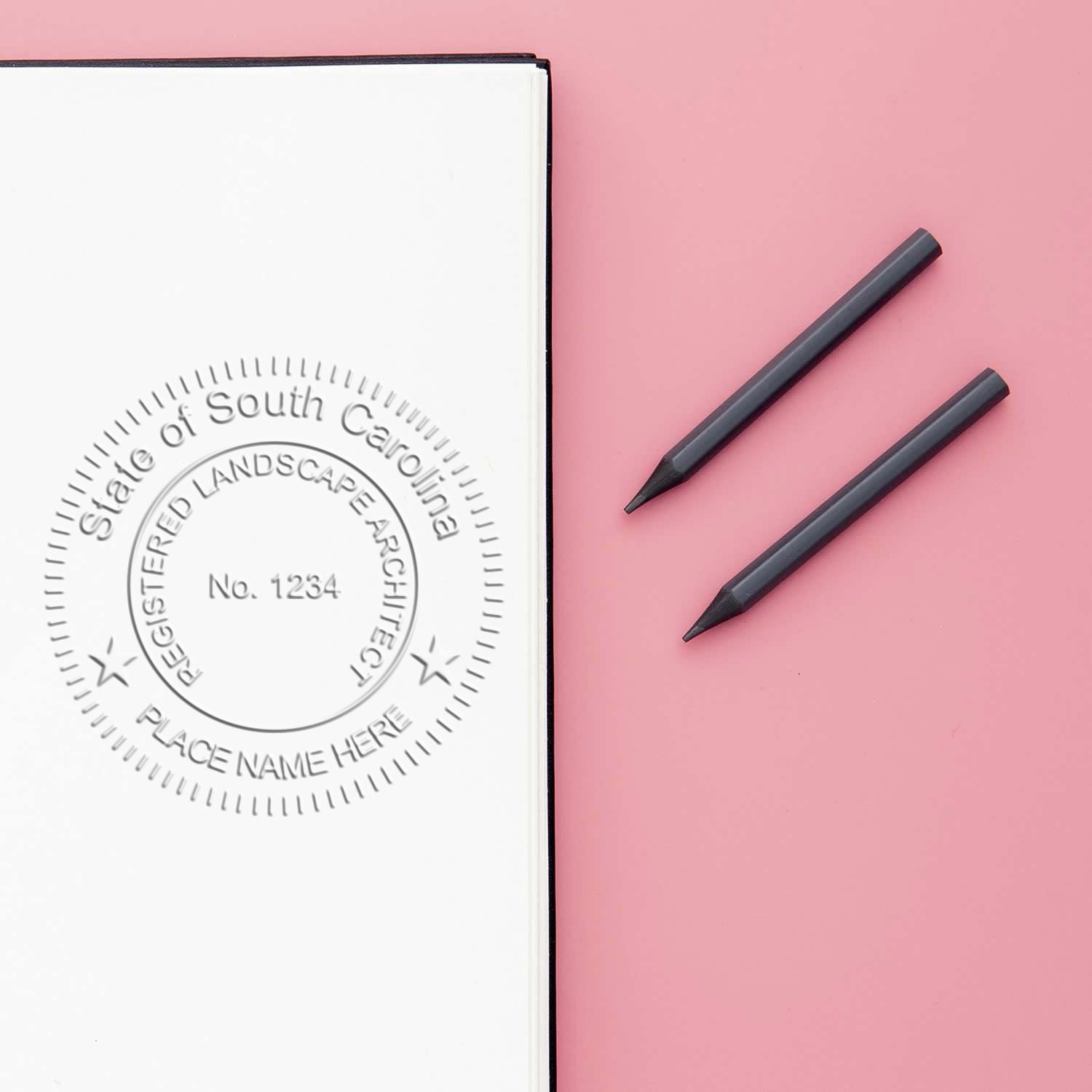
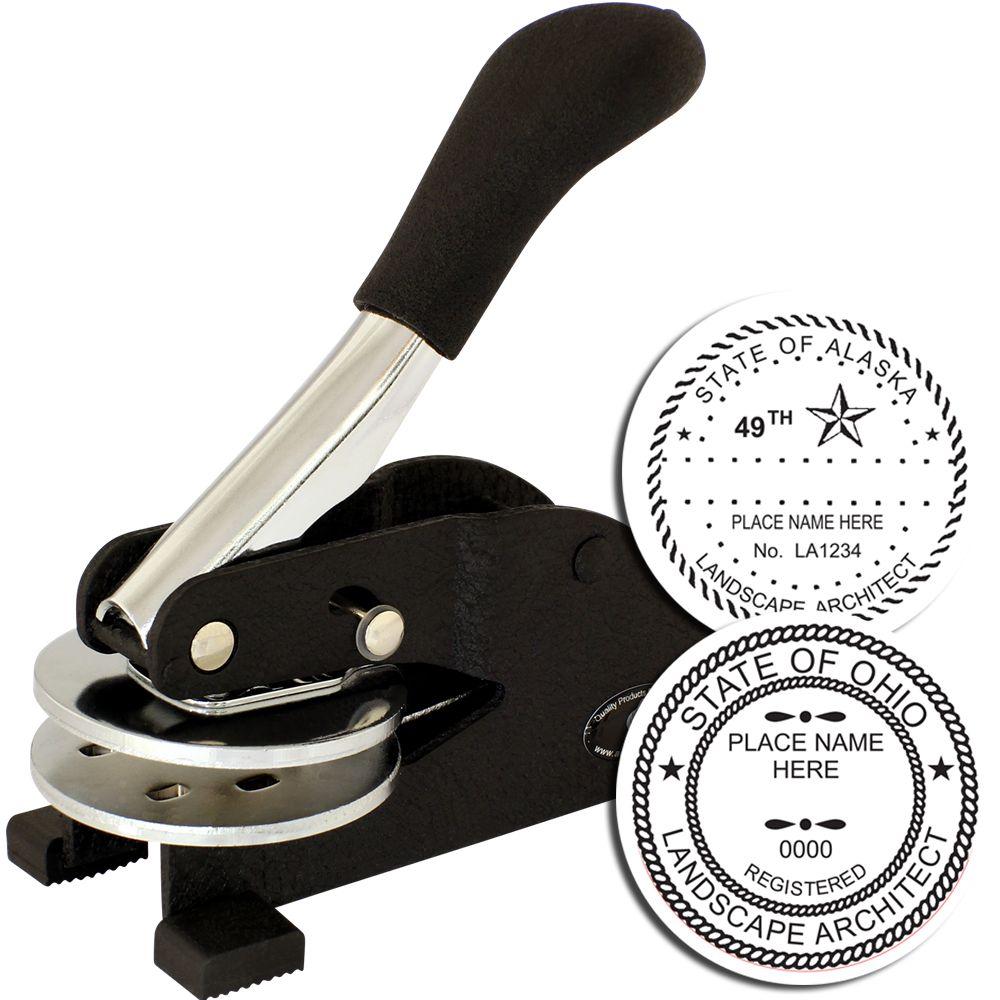
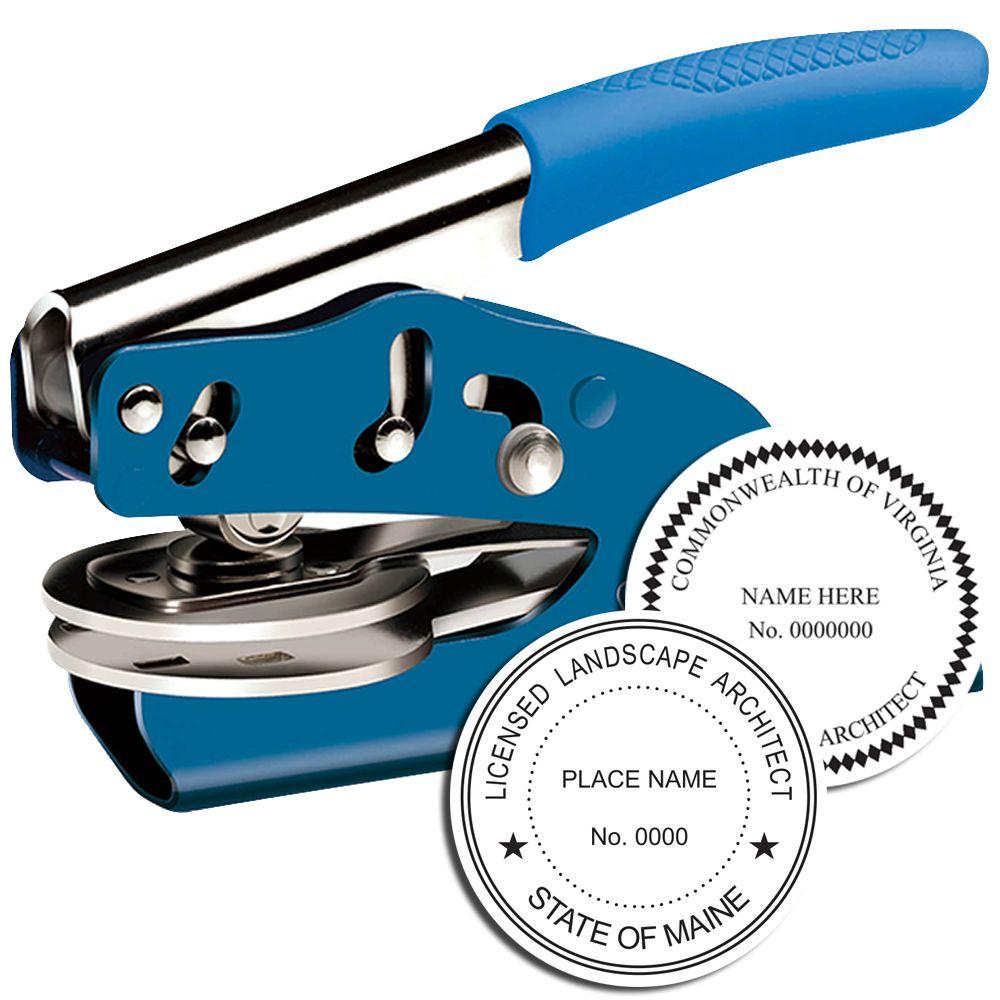
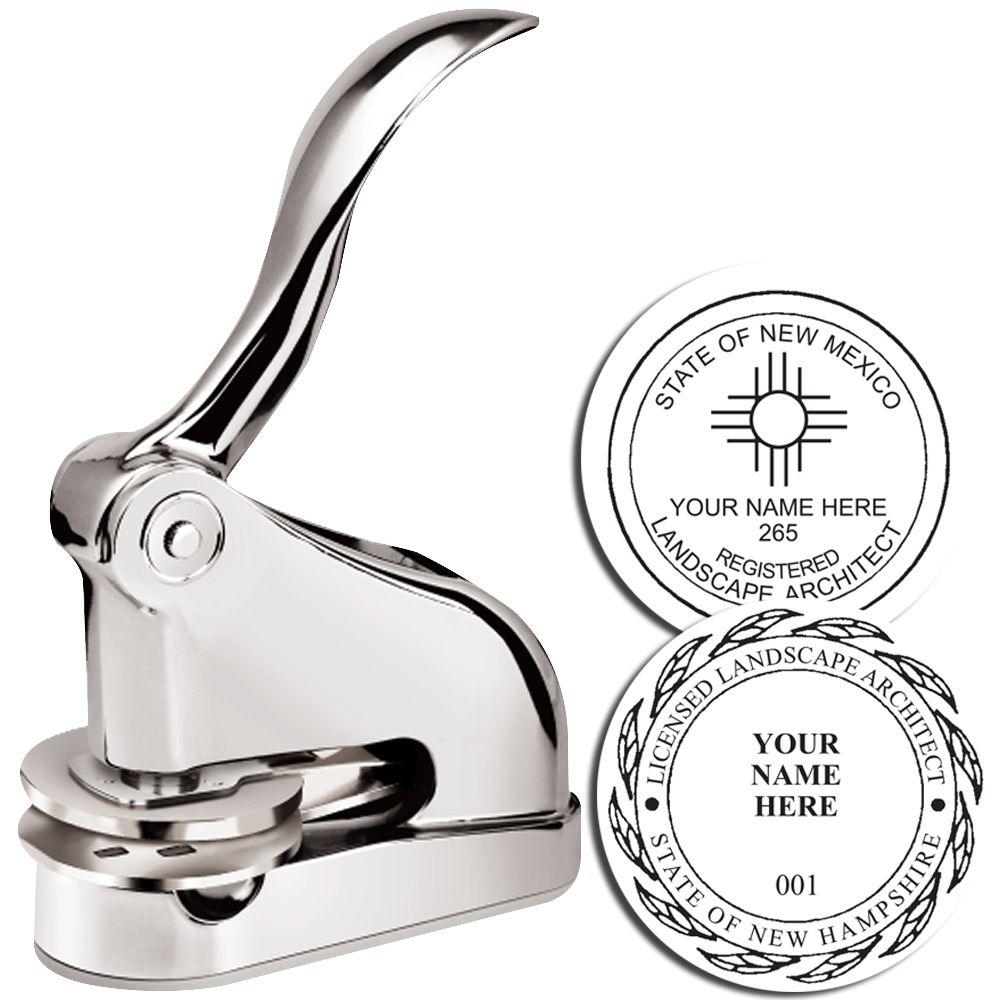
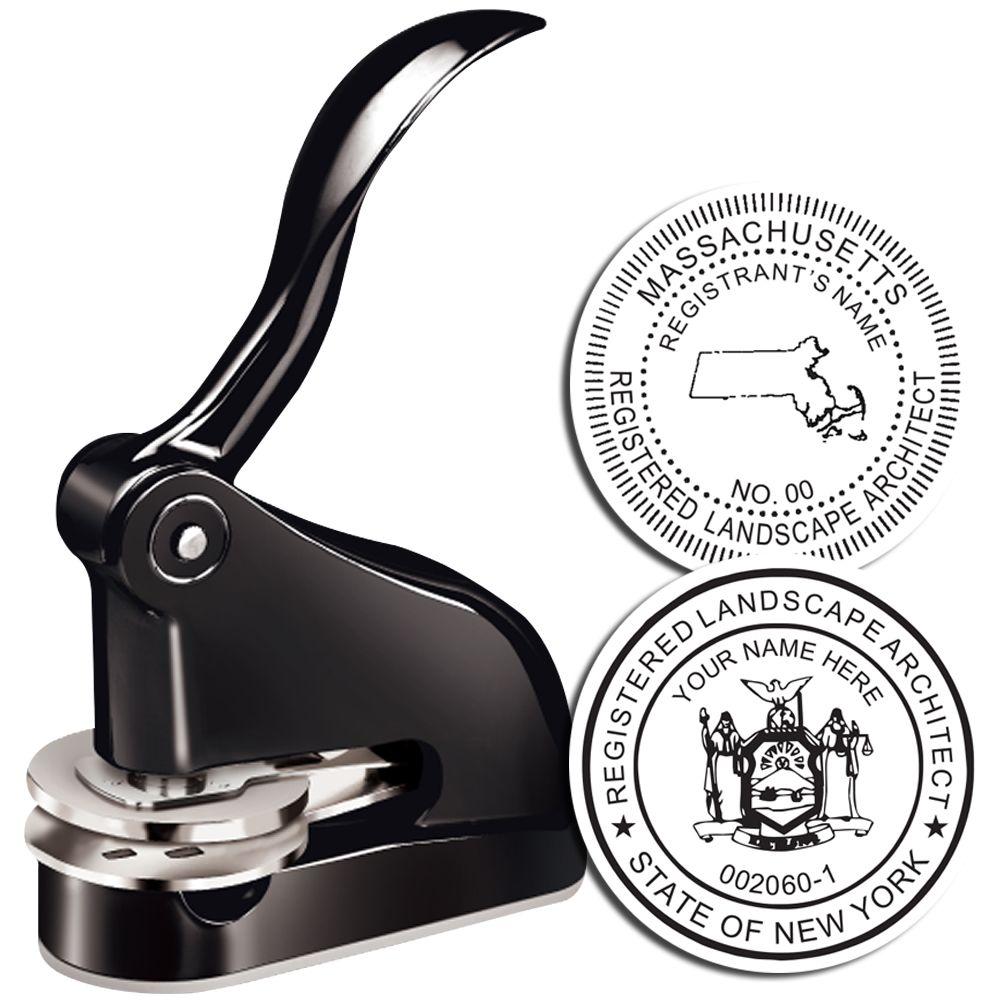
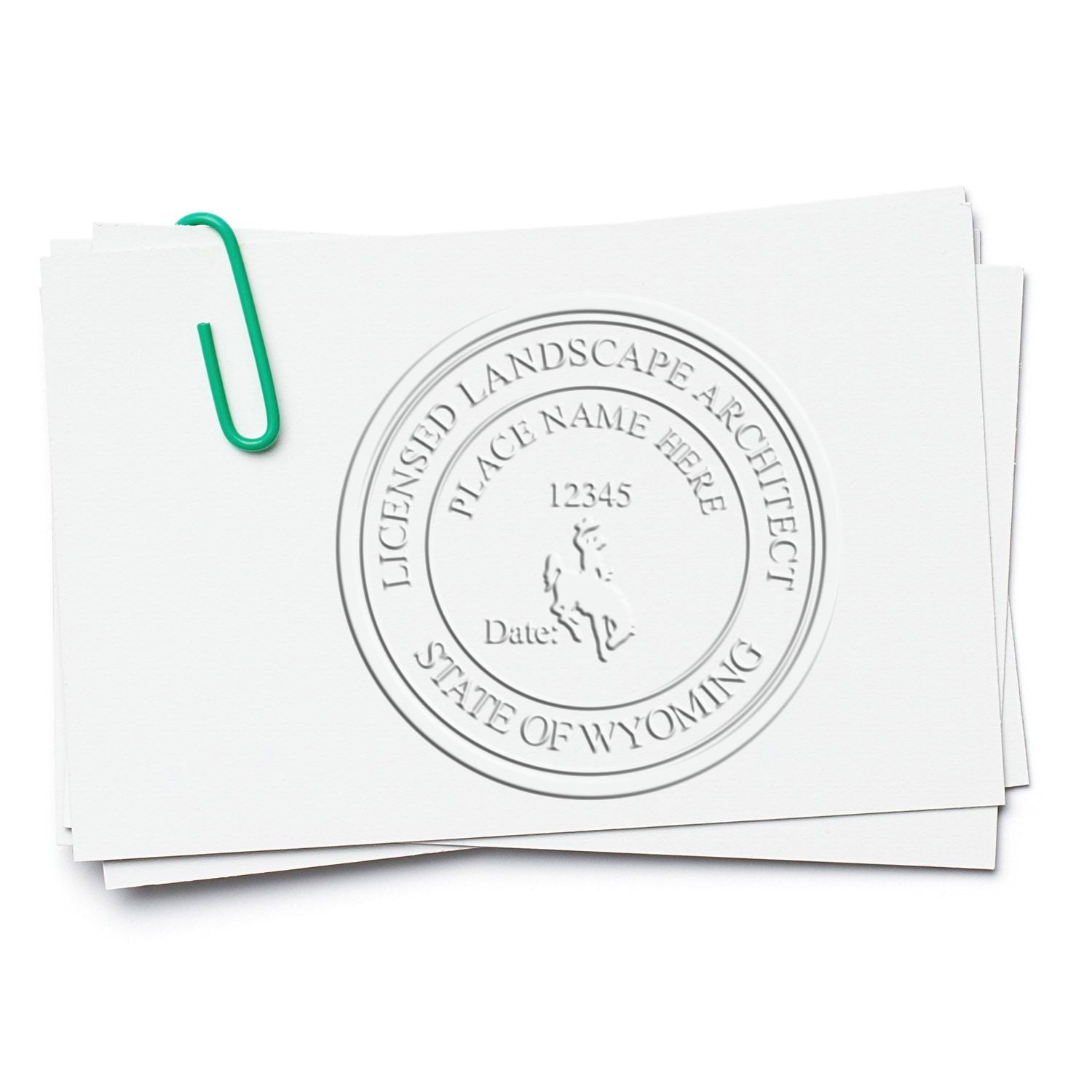
- Embosser. A raised mark with real presence on a signed original, and hard to reproduce. It takes more hand pressure, particularly on heavy stock, and it does not survive a photocopy.
Readability is the deciding factor. A block that smudges or fills in gets sent back by a reviewer who cannot read your license number, and that is a practical problem rather than a regulatory one. Pick the format that gives you a clean impression at the volume you actually produce.
Use Your Stamp Well
Once you have the device, the goal is the same impression every time.
Position And Pressure
Place the mark with enough margin that nothing gets clipped. With an embosser, apply steady even pressure to raise the whole design. With a self-inking or pre-inked stamp, press straight down and lift straight up, since rocking the mount is what blurs the edges.
Test On Scrap Paper
New device, or one you have not used in a while, gets a few test presses first. That tells you how much force it wants and how to line it up, and it keeps you from learning on a sheet that is going out the door.



Apply It Consistently
Decide which sheets carry the block and hold to that decision across projects. Minnesota names the certification page of each report, and beyond that the habit is yours to set. Clients and reviewers get used to finding your mark in the same place, and consistency is what makes it useful to them.
Keep It Legible
Nothing slows a review like a reviewer squinting at an impression. If text is filling in, move to a larger diameter rather than pressing harder. Paper matters too. For documents that will be scanned and copied several times, heavier stock holds the impression better.
Keep A Record
Note the project, the date and the document each time you seal something significant. It takes seconds and it answers the question of which version you signed off on, months later, without a search through revisions.
Maintain Professional Standards
There is a professional dimension to the mark that outlasts the mechanics of pressing it.
-
Check the drawing before you certify it. Signing a set with outdated specifications in it is the mistake that actually costs something.
-
Be clear about responsibility. The certification covers work you prepared or work prepared under your direct supervision. On a collaboration, settle who certifies which portion before anyone signs.
-
Keep the wording current. If your name changes or your license number changes, the die changes. An impression that no longer matches your record is the one thing on this list worth fixing immediately.
-
Use decent paper. Heavier stock shows an embossed mark better, tears less, and holds up through scanning and archiving.




Choose A Supplier Who Will Tell You The Truth
When you order, a few things separate a device you keep for a decade from one you reorder next year: a die cut deep enough to hold small text, a mount that does not flex, and a proof you can read at finished size before anything is made.
Acorn Sales has been making stamps and seals since 1964. Because Minnesota prescribes no layout for a landscape architect seal, we set your wording from scratch at the size you choose instead of dropping it into a state template, and we send the artwork back for your approval first. We would also rather tell you the state asks for nothing than sell you a feature that does not exist.
Think of the device as an investment in how your documents arrive. A flimsy mount gives faint impressions, which means restamping sheets or reprinting a set. A well made one presses the same block on the first sheet and the ten thousandth.
Your Free Digital Seal
A physical impression cannot follow a PDF. That is why a free digital seal comes with your order at Acorn Sales: the same mark, as a file you place directly on an electronic document instead of printing, stamping and scanning it back.
It is useful when a set goes to a remote team, when revisions are moving quickly, or when a client works entirely in a project portal. Minnesota permits an electronic, facsimile or digital certification and signature, so the question is not whether the state allows it but what the receiving office prefers. Ask them, and expect to use both formats over the course of a year.
You will get instructions for downloading the file after you order. Keep it somewhere you can find it, and reissue it whenever you change the physical device so the two never drift apart.
Caring For Your Stamp
A stamp is a mechanical thing. Kept clean, dry and out of direct heat, it holds detail for years. Wipe an embosser die so paper dust does not soften the raised detail. Store the device in one place, ideally a case if it travels to sites, since loose in a bag with field gear it takes knocks that show up in the impression later.
Replace it when the impression stays uneven, when the mount cracks, or when the wording stops matching your record. Save the approved proof, and a reorder gives you an identical device rather than a near match.
That is the whole picture for a Minnesota landscape architect stamp. The certification block is what the statute asks for. The seal is yours to choose, the design is largely yours to set, and the reason to own one is that your work looks like it came from someone who stands behind it.
Frequently Asked Questions
Does Minnesota require a landscape architect to have a seal?
No. Minn. Stat. § 326.12, subd. 2 says a licensee may have a seal. What the statute attaches to documents is the certification block: the prescribed certification sentence, your signature, your typed or printed name, the date the signature was affixed and your license number.
Do I need a physical device if electronic signing is allowed?
Not as a matter of state rule. Minn. R. 1800.4200, subp. 1 permits an electronic, facsimile or digital certification and signature. Whether you need an inked impression on a printed set depends on the client, the agency or the building department receiving it, so ask them rather than assuming.
What wording goes on the optional seal?
Your name and the legend licensed landscape architect, per Minn. Stat. § 326.12, subd. 2 and Minn. R. 1800.4300. The certification sentence, the date and the license number belong in the block. Do not borrow the legend used by another credential the same board issues.
Can I use the same stamp across multiple projects?
Yes. The device is tied to you, not to a project. Which sheets carry the block varies by submittal, and the certification page of each report is named in the rules, so confirm what a particular client or agency expects to see.
What if my impression gets unclear over time?
If the impression stays uneven, or the mount has loosened, order a replacement device and keep the approved artwork so the new one matches the old. To have a layout looked over before production, contact us.








