
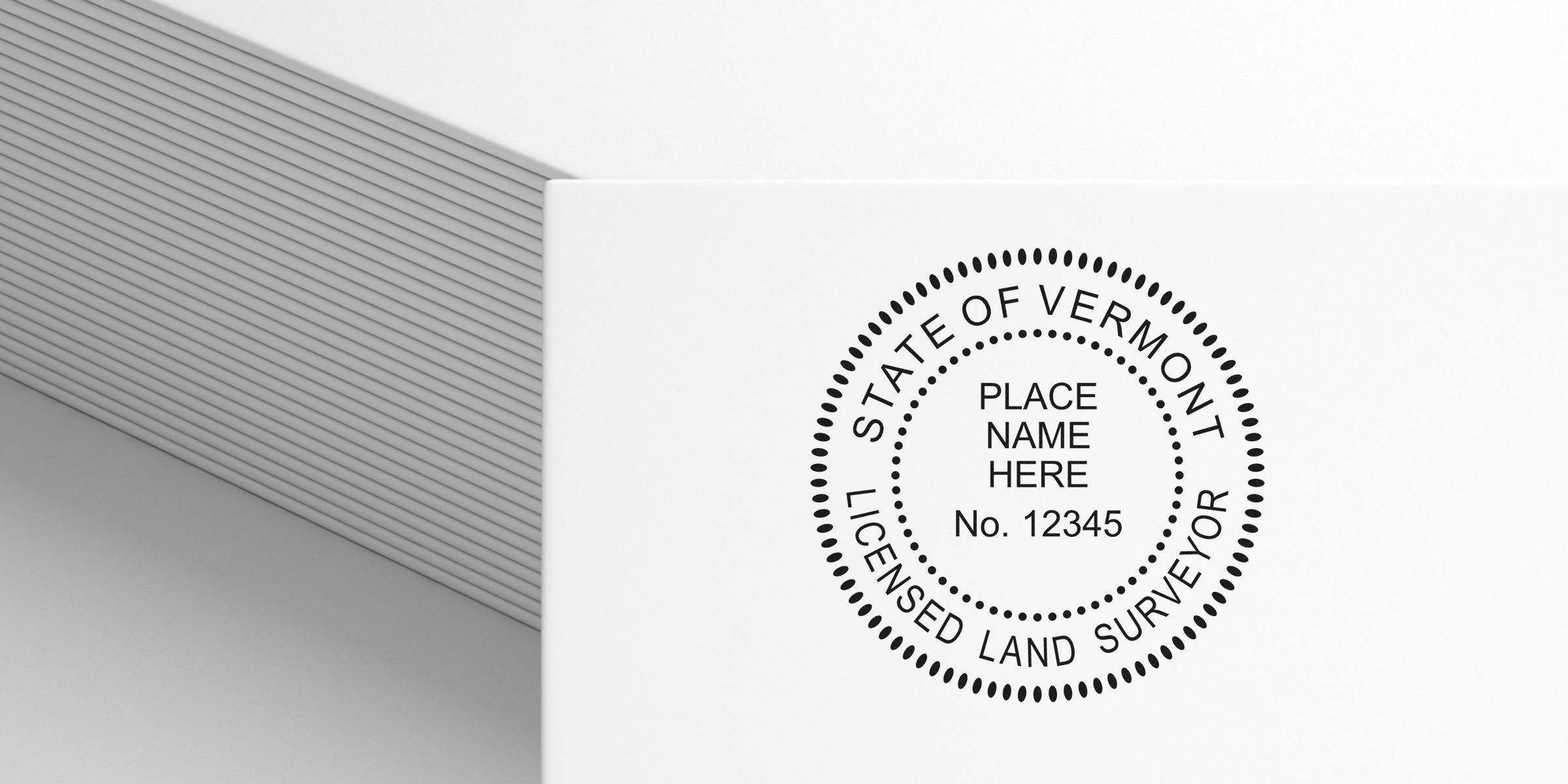
If you’re planning to work as a land surveyor in Vermont, you’ve likely come across Vermont land surveyor seal regulations. These guidelines shape how you authenticate official documents and confirm your professional qualifications. While it might sound technical, understanding the process can save you time and headaches later. Let’s walk through the essentials so you feel prepared to meet every requirement.
Know The Role Of The Seal
Before you dive into ordering a seal or stamp, it’s helpful to see why Vermont cares about official markings. A land surveyor’s seal indicates that you’ve taken responsibility for the accuracy of your work. It’s a visual cue that your plans, plats, or reports meet professional standards set by the state. Think of it as a badge of authenticity.
Why Seals Matter
- They confirm the document is prepared by a licensed professional.
- They signal compliance with local and state rules.
- They help stakeholders, such as clients or government authorities, trust your work.
Within Vermont, this seal also plays a major role in preventing fraud. By requiring your stamp on official land records, the state ensures that only qualified individuals authorize these documents, protecting property owners and the public from misleading surveys or unverified measurements.
Understand Licensing Requirements
In Vermont, you can’t just pick up a stamp and go about your business. You need a valid license under the Vermont Office of Professional Regulation. The process usually involves passing specific exams, submitting applications, and paying fees. Once you’re licensed, your seal or stamp usage ties back to verifying that license, so keep it current.
Renewal And Ongoing Education
Many land surveyors have to renew their license every few years. Vermont’s specific intervals can vary, so double-check the Office of Professional Regulation website to see when yours expires. As you renew, you might be asked to show proof of continuing education or professional development. These extra steps confirm that you’re staying on top of industry changes and local policy updates.
Learn Where The Seal Must Appear
If you’re wondering, “Do I have to put my seal on every single page?” the practical answer is no. It’s typically required on:
- Final plats or drawings submitted to towns and cities.
- Boundary surveys you file in official records.
- Reports documenting legal property lines.
Before you finalize any documents, verify your local or state requirements. Some offices might request that you include your seal on the cover page for quick reference, while others want it stamped on each sheet of a multi-page set. Double-checking can save you from redoing your paperwork.
Choose A Physical Or Electronic Seal
You might be surprised to learn that there are two main ways to use your professional signature: a physical seal and a digital counterpart. Both are equally valid, but each has its own benefits and best practices.
Physical Seals
A physical seal typically involves a rubber stamp or embossing device. These stamps are sturdy, easy to use, and allow you to make a clear imprint on paper. You can choose between a hand stamp, pre-inked stamp, or an embosser that leaves a raised seal. If you want to see more details about the kinds of stamps available, you can refer to vermont land surveyor stamp requirements.
Pros of Physical Stamps:
- Simple to store and transport.
- Long-lasting if well-maintained.
- Straightforward to use on paper documents.
Cons of Physical Stamps:
- Risk of ink smudging if not dried properly.
- Potential for wear and tear over time.
- Might be harder to reproduce multiple times quickly.
Electronic Seals
Modern technology makes it easy to affix a digital signature and seal to PDF plats, scanned drawings, or online forms. In many places, including Vermont, electronic seals are acceptable when they meet established security standards, such as password protection or encryption.
Pros of Electronic Seals:
- Speed and convenience for large volumes of documents.
- Less physical storage needed.
- Easy to backup and replicate.
Cons of Electronic Seals:
- Some agencies still prefer a physical format.
- Requires technical setup and ongoing security checks.
If you order from Acorn Sales, you get a free electronic seal with every physical seal purchase. That way, you have both options at your fingertips whenever a project demands it.
Recognize Common Seal Designs
No matter which style you go with, Vermont requires specific elements for an official land surveyor seal. Here’s a quick rundown of what you’ll typically see on a compliant seal:
- Your name exactly as it appears on your license.
- The words “Licensed Land Surveyor” or “Professional Land Surveyor.”
- The word “Vermont” to confirm state jurisdiction.
- Your license number, placed below or around the seal’s border.
Remember to avoid decorative flourishes that might make the seal hard to read. Simplicity is key here. It needs to be clear enough so anyone looking at the document can read your name, license number, and state information without confusion.
Compare Physical And Digital
If you’re balanced between choosing a physical stamp and a digital seal, here’s a quick comparison table that might help you decide:
| Feature | Physical Seal (Stamp/Embosser) | Electronic Seal |
|---|---|---|
| Usage Frequency | Ideal for smaller batches | Great for frequent stamping |
| Document Types | Paper-based | Digital or scanned files |
| Security | Guard the physical stamp | Use password-encrypted files |
| Maintenance | Clean and store properly | Update software regularly |
| Speed of Use | Moderate | Faster for large volumes |
In many cases, there’s no need to pick just one. Having both options gives you flexibility, and some clients may even request one format over the other.
Follow Document Submission Rules
Vermont land surveyor seal regulations don’t end with simply owning the right stamp. You also need to pay attention to how you place your seal on final documents. For instance, the seal should be placed near or adjacent to your signature. Also, avoid stamping over crucial text, as that can obscure important details.
Detailed Submission Tips
- Align your seal: Make sure the imprint stays clear of dimension lines or property boundary lines.
- Sign after sealing: Typically, you should place the stamp, then sign and date.
- Keep copies: Always keep a file copy or digital backup in case you need reference later.
When in doubt, ask your local municipality about their preferences. Individual towns can have specific guidelines, and these can change over time.
Maintain Proper Recordkeeping
Even though stamping a plan might be the main step, documenting your decisions is just as vital. In the event of any dispute, your records serve as proof that you followed the required guidelines. Keep a log of:
- Which documents you sealed and the date of sealing.
- Any revisions made to ensure compliance.
- Notes from discussions with local officials or clients.
These records come in handy if you ever need to revise or reissue your survey. They also protect you from legal complications if someone questions your methods at a later date.
Trust A Reliable Supplier
Navigating the world of stamps can be overwhelming if you don’t know where to go. That’s where Acorn Sales comes in. We’re a trusted supplier for Vermont Land Surveyor stamps and seals, and we’ve been doing this for over 60 years. We understand that you want reliability, clarity, and speed.
Why Acorn Sales?
- Free Electronic Seal: Every purchase of a physical seal includes a digital version at no additional cost.
- Precision Crafting: Our stamps are durable and meet all Vermont design guidelines.
- Personalized Support: Unsure which type of seal is best for you? We’ll walk you through the options and features, so you leave with the perfect fit.
With decades of experience behind us, we know how to help you navigate these regulations without hassle.
Check Local Variations
While Vermont has a statewide approach, some counties or cities might have local filing procedures. Policies on paper size, location of the seal, or even color requirements can differ slightly. If you’re juggling multiple projects, especially near state borders, keep an eye on any extra rules. A quick phone call to the municipal clerk can save you a trip back and forth for re-stamping or reformatting.
Look Ahead To Future Changes
Regulations in any industry are always subject to updates. It’s good practice to check for legislative adjustments every year. Sometimes, the state clarifies overarching guidelines or changes the requirements for digital signatures. Staying on top of these shifts means you won’t be caught off guard mid-project.
Where To Monitor Updates
- Vermont Office of Professional Regulation: Their site typically posts changes or revised rules.
- Professional Associations: Groups like the Vermont Society of Land Surveyors offer newsletters and forums to keep you informed.
- Peer Community: Local colleagues often share news on new technologies or changes in protocol.
Proactivity goes a long way. Keeping up with emerging trends in land surveying can help you remain a leader in your field.
Plan For Renewal Deadlines
Do yourself a favor and mark your calendar for your license renewal date. Missing that window can complicate your right to stamp documents and sign official surveys. Plus, you might incur late fees or other penalties, which could delay your projects.
If you’re close to your renewal period, consider ordering a new stamp if your old one shows signs of wear. An unclear or fading impression can cause confusion or appear unprofessional, even if you remain fully licensed.
Benefit From Additional Knowledge
There’s more to sealing a document than just pressing a stamp onto paper. If you’re looking to fully master the rules of the trade, you can check out vermont land surveyor stamp requirements for in-depth guidance on the different stamp options and best practices for usage.
You’ll find details on:
- Dimensions of official stamps.
- Acceptable ink colors.
- Proper usage of embosser vs. rubber stamps.
It’s always helpful to have a direct reference for state-specific details, especially if you’re new or you’re transitioning from another jurisdiction.
Get Compliant And Deliver Quality
By now, you have a pretty straightforward understanding of how Vermont land surveyor seal regulations work. Owning the right seal or stamp, placing it properly, and keeping up with your licensing obligations ensure that your work stands out as credible and professional. Ultimately, it’s about building trust with clients and local authorities, while protecting everyone’s interest in accurate land records.
Below are some frequently asked questions that can help you get clearer on the day-to-day details.
By addressing these common questions, you’re better prepared to handle any last-minute issues that might come up. Owning and using your Vermont land surveyor seal confidently can make a significant difference in how your work is received.
Always remember that a properly used seal is more than a formality. It shows your dedication to quality, integrity, and professional standards. As a licensed surveyor in Vermont, you’re part of a community that upholds these values. By adhering to each requirement, you strengthen the trust that citizens and local authorities place in your work, one stamped page at a time.
If you’re ready to order your seal or want to explore your options further, consider looking into Acorn Sales. Our team has been making high-quality stamps and seals for over six decades, and we’d be happy to guide you through all your Vermont land surveyor needs.
Frequently Asked Questions
Can I Use A Personal Logo Along With The Official Seal?
You can include a modest logo on your documents, but keep it separate from the official stamp area. The state requires the legal seal to stand out so there’s zero confusion about your license status.
Do I Need A Special Ink Color For My Physical Stamp?
Generally, a standard dark ink (like black or blue) is acceptable. Make sure the imprint contrasts well with the paper, so your seal and signature remain visible if the documents are scanned or photocopied.
What If My Stamp Impression Doesn’t Come Out Clearly?
If you notice smudging or incomplete details, it’s best to apply your stamp again on a fresh copy. Clear impressions are essential for legal validity. Consider practicing on a scrap sheet before stamping a critical page.
Are Digital Seals Accepted By All Vermont Municipalities?
In many areas, yes, but not universally. Some local offices prefer physical copies. Always confirm which method a specific municipality accepts before finalizing your documents.
When Should I Replace My Stamp Or Embosser?
If the impression starts losing clarity or parts of the seal become illegible, it’s time for an upgrade. You should also update your stamp whenever you change your legal name or license details.








