
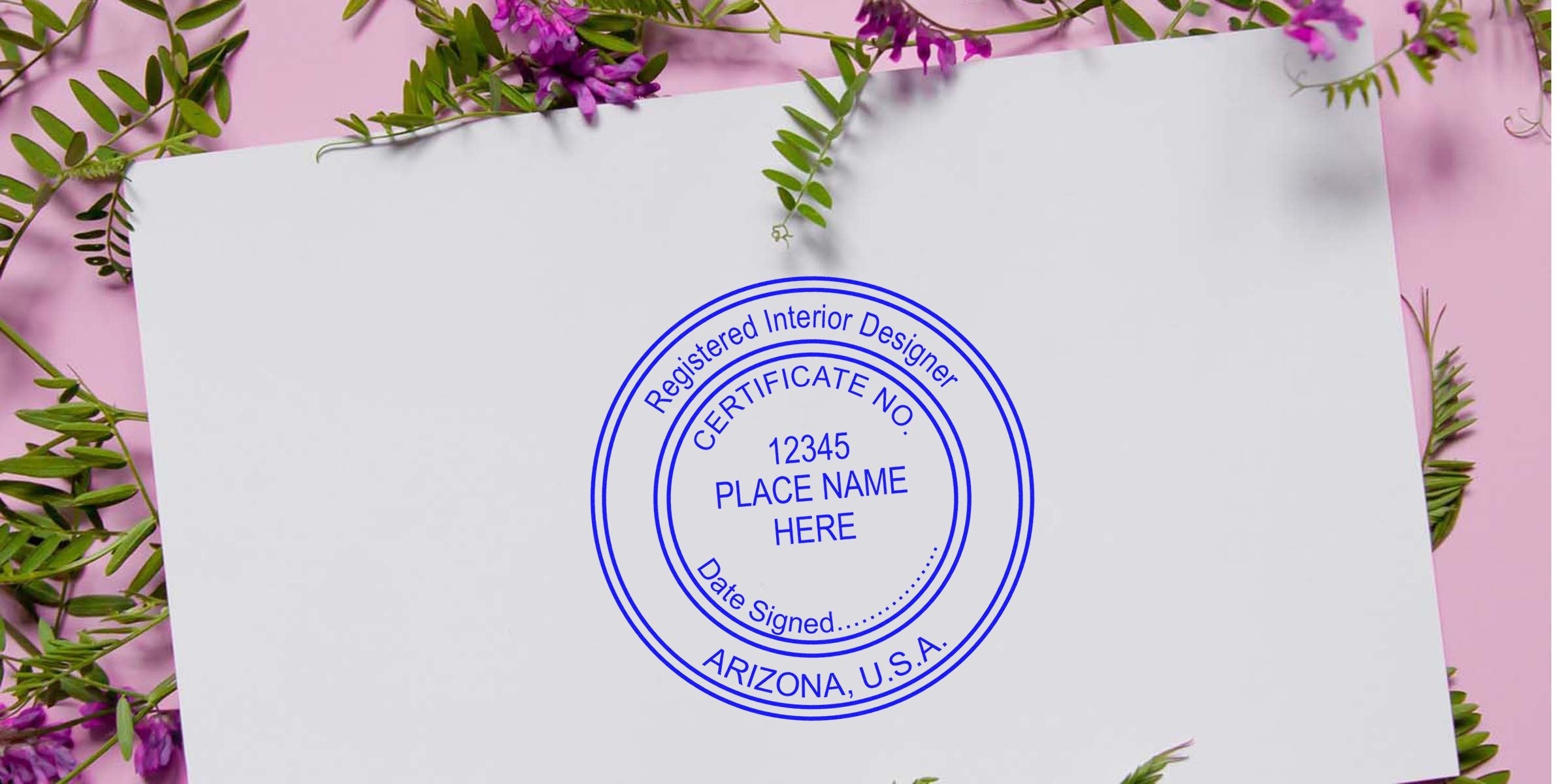
Whether you’re new to the profession or simply need a quick refresher, it’s easy to feel overwhelmed when you begin your Arizona Interior Designer Stamp purchase. You might wonder why official stamps and seals even matter, or how to tackle all the rules and regulations. The truth is, these tools carry legal and professional weight in Arizona, and getting them right is a big deal for your practice. Below, you’ll find a clear breakdown of the why, what, and how of ordering and maintaining your official interior designer stamp and seal. By the time you’re done reading, you’ll be able to head over to your favorite supplier with total confidence.
Review Arizona Requirements
Before you spend your hard-earned money, make sure you’re clear on the basics. In Arizona, interior designers typically follow specific requirements that govern everything from licensure to usage guidelines for stamps and seals. The state aims to protect public safety and maintain consistent standards across the profession, which is why stamps and seals are taken seriously.
Licensure Basics
- Arizona requires that you hold a valid license or registration as an interior designer before applying an official stamp.
- You’ll typically need to meet education, experience, and examination standards set by the state licensing board.
- Once licensed, you have to keep your registration up to date, which may involve periodic renewals.
If you’re unsure about any of these steps, the state board’s website offers clarity on educational prerequisites, exam details, and application forms. Double-check their guidelines to avoid any license-related hiccups in the future.
Stamp and Seal Mandates
Legally speaking, when you finalize or submit project documents, you’re often required to apply your official stamp or seal. In Arizona, the process serves as your professional endorsement and indicates you’ve followed all applicable rules. What happens if you skip it? You could face fines or other disciplinary actions.
- Using a stamp or seal is mandatory on key documents like project drawings.
- It verifies your status and proves that you assume responsibility for your design.
- Failing to comply with these mandates can slow down your project approvals and harm your credibility.
Embrace the Stamp’s Value
So, why not just sign your documents? Why invest in a special stamp or seal if you could simply add a signature line and call it a day? The essence lies in the professional appearance and formal promise to your clients, colleagues, and local authorities that you’re providing work backed by experience and official recognition.
Show Professionalism
A crisp, properly formatted interior designer stamp shows that you hold a recognized credential, and you’ve done the legwork to earn it. Clients and regulatory agencies know you’re adhering to technical benchmarks, plus you’re promising a level of refinement in your designs. That confidence can nurture trust, which is crucial in a field built on precision and creativity.
Enhance Document Security
Ever worry about someone tampering with your drawings or design files? A stamp or seal adds another layer of protection. Even though it’s not foolproof, it certainly discourages unauthorized copying or modifications. Think of it like having a high-quality watermark on your documents—people are far less likely to misuse work that’s visibly validated by an official mark.
Shop for the Right Product
When you’re ready to buy, you’ll discover a few different types of stamps and seals. Some are traditional hand stamps, while others come as self-inking devices, both handy for quick use. You may also notice embossed seals that create a raised impression in the paper. Which one is best for you? That depends primarily on your workflow and personal preference.
-
Hand Stamp
- Uses a separate ink pad.
- Great if you only stamp occasionally or want a traditional look.
- Easier to maintain, though less convenient if you’re constantly on the move.
-
Self-Inking Stamp
- Ink is built into the device.
- Faster and cleaner for high-volume usage.
- Requires periodic ink refills but no separate pad.
-
Embossed Seal
- Creates a pressed imprint without ink.
- Offers a classic, professional finish.
- Ideal if you want an extra layer of security and distinctiveness.
Explore a Trusted Supplier
You want to ensure your stamp meets state formatting rules, remains durable, and creates a crisp impression each time. That’s why a reputable supplier like Acorn Sales can be a lifesaver. As makers for 60+ years, they’ve served countless interior designers and consistently offer top-notch products that align with Arizona’s requirements. Even better, you’ll get a free electronic stamp with every order—perfect if you need to add that official touch to digital documents.
If you’re curious about format details, you can also check out arizona interior designer stamp for extra guidance on stamp designs that comply with state law.
Consider Digital Options
Increasingly, design submissions happen online, especially if you’re collaborating with teammates or filing documents through e-portals. A free electronic stamp can save you time and money. Rather than scanning a paper-stamped document, you embed your official mark digitally, which keeps everything legible and convenient. Plus, in an era of remote work, being able to stamp electronically helps you breeze through last-minute changes without scrambling to find a scanner.
Maintain Stamp Compliance
Let’s say you have your brand-new stamp or seal. Now what? You’ll have to follow a few important steps to use it correctly. This involves not only following Arizona’s guidelines, but also best practices that keep your seal looking its best for years.
Proper Usage Tips
- Only stamp documents that are covered by your license. If the scope goes beyond your recognized expertise, hold off until you confer with other licensed professionals.
- Position your stamp in a neat, readable spot. Don’t obscure any vital data or design elements.
- Make sure the ink color is sufficiently dark. A faint stamp could cause confusion or appear unprofessional.
- Double-check the final impression. If the text isn’t sharp, restamp it or use a new page.
Remember, once you stamp a document, you’re effectively taking responsibility for its contents. Use it wisely and ethically.
Storage and Care
- Store your hand stamp or self-inking model in a dry, dust-free area.
- If you use a self-inking stamp, keep a spare ink cartridge on hand to avoid last-minute surprises.
- Never lend out your stamp or seal to anyone else. That’s like handing over your personal signature.
- Embossers can wear out if improperly used. Try a test run on scrap paper every few months to ensure clarity.
Final Thoughts
When you’re ready to make your Arizona interior designer stamp purchase, it helps to feel informed and confident. A solid understanding of Arizona’s licensure requirements and stamp regulations keeps you on the right track, while a dependable supplier like Acorn Sales ensures you get a sturdy, compliant product. Don’t forget that you also receive a free electronic stamp with each order, so you’ll be prepared for both paper and digital workflows. That’s an especially handy perk if you’re juggling client requests remotely or switching between locations on the fly.
In short, your stamp or seal is more than just an inked design—it’s a statement of your credibility and your dedication to meeting Arizona’s professional standards. Whether you choose a self-inking style for rapid stamping, an embosser for that extra polish, or both, taking the time to pick the right product ensures every project document shines. Once you’ve got your stamp in hand, maintain it well, follow the state guidelines, and enjoy the peace of mind that comes from knowing you’re fully covered. If you’re still unsure, feel free to reach out for additional tips or talk to fellow interior designers who’ve gone through the same process. After all, you’ve dedicated yourself to creating beautiful spaces—why not ensure every detail of your practice, including your official stamp, is just as thoughtfully designed?
Frequently Asked Questions
Do I have to buy a specific design for the Arizona seal?
Yes. Typically, the state prescribes a layout with certain text, sizing, and design elements. A reliable supplier like Acorn Sales will ensure your stamp or seal meets these official criteria.
What format does a free electronic stamp come in?
It’s usually provided as a high-resolution image file, such as a PDF or PNG. This file can be easily overlaid on digital documents, eliminating the need for printing and scanning.
Can I use my stamp for out-of-state projects?
That depends on the rules and reciprocity of other states or jurisdictions. If you’re working across state lines, verify their licensing requirements and find out if your Arizona stamp has any legal standing there.
How often should I replace my stamp or seal?
This depends on wear and tear, plus the volume of documents you handle. If impressions start to look blurry or the embosser’s handle feels loose, it might be time for a new one. Keep an eye out for official design updates as well, since the state occasionally revises stamp requirements.








